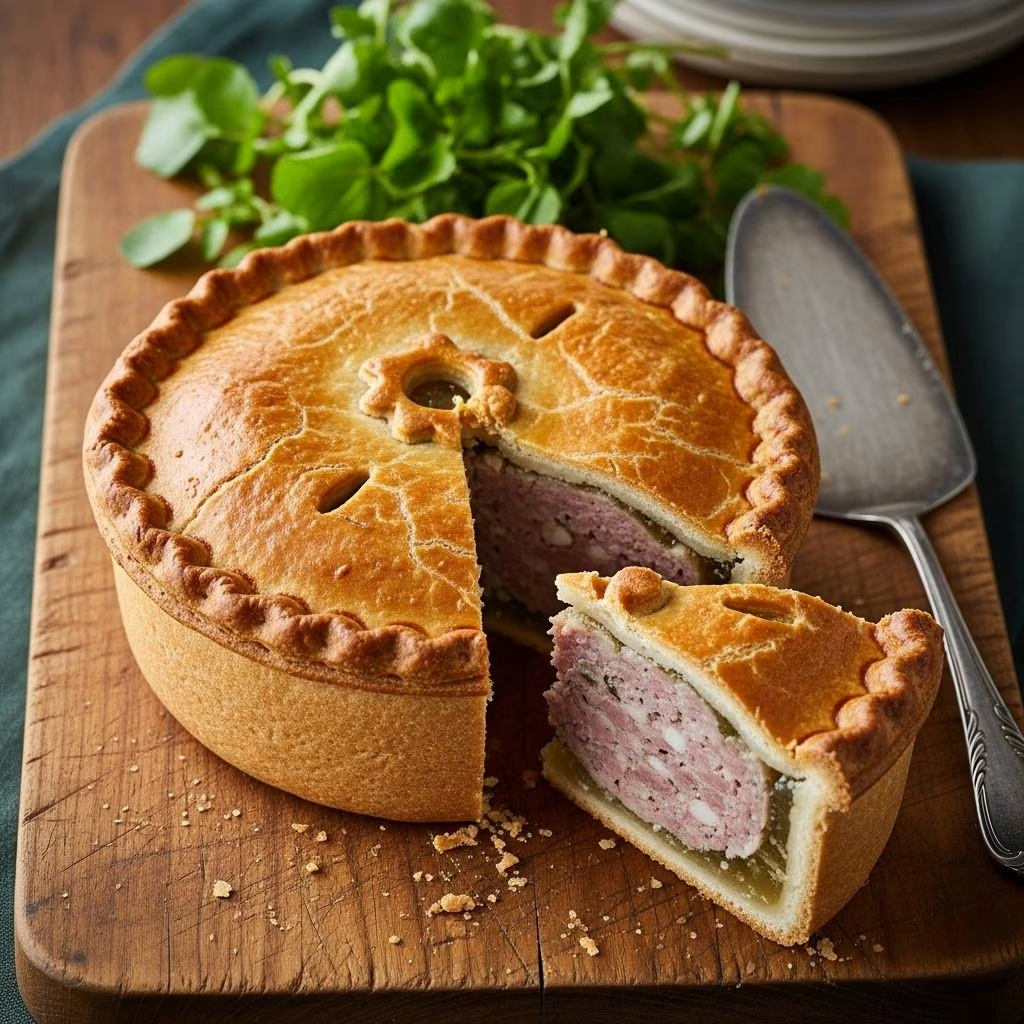
The British pork pie stands apart from other savory pies for its distinctive shape, robust textures, seasoned fillings, and uniquely engineered pastry crust. Far from a standard meat pie, the pork pie embodies centuries of British culinary evolution, serving as both a hearty snack and an iconic centerpiece for holiday feasts and picnics.
What Makes Pork Pie Unique?
The pork pie holds a revered place in British food culture as a staple of festive tables, pub lunches, and countryside traditions. Its key features include:
- Robust, upright edges and a domed shape that sets it apart visually from other pies
- Hot water crust pastry, engineered for durability and structure
- Well-seasoned pork filling, often featuring a blend of minced and coarsely chopped pork
- Savory aspic—a savory gelatin poured in after baking to fill air gaps and provide moistness
- Traditionally served cold, often accompanied by pickles or mustard
The classic pork pie is as much about craft as flavor, with its labor-intensive construction resulting in a hand-raised showstopper that keeps well and slices beautifully.
The History and Lore of Pork Pie
Pork pies have their origins in medieval England, where encrusting meat in pastry was a preservation method. By the 18th and 19th centuries, the pork pie as we know it had become popular, especially in the East Midlands town of Melton Mowbray, whose name is synonymous with the dish. Early pies were hand-raised and prized for their longevity, with the pastry acting primarily as a cooking vessel and container for the meat and jelly.
Over time, improvements in pastry recipe and technique turned the crust from a mere container to a beloved part of the pie experience. Today, pork pies are still celebrated at family gatherings, picnics, and in old-fashioned British butchers and bakeries.
Key Elements: The Anatomy of a Pork Pie
- Pastry: Hot water crust, made from flour, water, and melted lard, delivers strength, crisp texture, and a golden color.
- Filling: Coarse pork shoulder and pork belly, seasoned generously with white pepper, nutmeg, and sometimes sage or thyme.
- Jelly: Savory pork stock, clarified and set with gelatin, is poured through a hole in the baked pie to provide moisture and traditional aspic richness.
Let’s break down each element, revealing secrets and best practices for every stage of the process.
Step 1: Choosing & Preparing the Pork Filling
The heart of a great pork pie is a well-balanced filling with both texture and flavor. Traditionally, a mix of minced pork shoulder and coarsely chopped pork belly delivers a satisfying contrast between lean and fat, ensuring juiciness and bite.
- Use high-quality pork shoulder and pork belly, trimming excess sinew and gristle.
- Hand-chop at least half the meat for texture, if possible.
- Season assertively: traditional blends include white pepper, nutmeg, mace, and occasionally a hint of sage.
- Optional: finely diced cured bacon for smokiness, though not universal.
| Meat | Role in Pie | Proportion |
|---|---|---|
| Pork Shoulder | Main, meaty body | ~50-60% |
| Pork Belly | Fat, flavor, moisture | ~30-40% |
| (Optional) Bacon | Flavor accent | ~10% |
Pack the seasoned pork mixture firmly into the pastry, ensuring as few air pockets as possible—these will later be filled with the jelly.
Step 2: The Hot Water Crust Pastry—Engineering a Shell
Unlike most pie crusts, hot water crust pastry must be handled warm. Made by adding boiling water and melted lard to flour and salt, the dough is kneaded until smooth, then shaped while still warm and pliable. This method allows for the creation of “hand-raised” upright pies with strong, crisp walls.
Key Hot Water Crust Tips:
- Use bread or all-purpose flour for strong gluten structure.
- Melt lard completely in boiling water for flavor and texture.
- Mix hot liquid into flour, stir, then knead until elastic and cohesive.
- Work quickly: Shape dough while warm—if it cools, it becomes stiff and cracks instead of molding.
- Reserve a portion for the pastry lid.
The pastry should be thick enough (about 1/4 inch) to hold its shape even after the filling releases juices during baking.
Shaping the Pie
The pie can be:
- Formed by hand over a jar or wooden dolly (traditional hand-raised method), or
- Lined into a springform or cake tin for more regular results
Press dough up the sides, mold carefully, and avoid any holes. Fill with the meat mixture and compact well. Place the pastry lid on top and seal edges, pinching together with your fingers or a fork. Cut a small round steam vent in the center of the lid—a feature critical for steam release and later jelly-injection.
Step 3: Assembling & Baking the Pie
Once your pie is assembled, it’s time for baking:
- Begin in a hot oven (e.g., 200°C / 400°F) to set the crust, then reduce the temperature moderately (e.g., 160°C / 325°F) to allow the filling to cook through gently.
- Bake for around 2 hours depending on size, until the pastry is richly golden and the juices run clear.
- After initial baking, brush the pastry top with beaten egg and bake a short while longer for a glossy finish.
- Allow the pie to cool completely before proceeding to the next step.
Step 4: Creating & Adding Savory Jelly (Aspic)
The pork pie’s signature is its savory jelly: this not only fills any voids created by shrinkage but also adds flavor and keeps the filling moist for days.
- Prepare a strong pork or chicken stock, ideally from pig trotter or bones (commercial stock can substitute in a pinch).
- Clarify and season the stock, then dissolve powdered gelatin to ensure a firm set.
- Let the pie cool completely—otherwise the jelly will not set but seep away.
- Use a small funnel to pour the jelly slowly into the pie through the steam vent atop the pastry, pausing to allow absorption and topping up as needed.
- Refrigerate the finished pie for several hours (preferably overnight) to let the jelly set fully and flavors mature.
Serving Suggestions & Accompaniments
Pork pie is traditionally served cold, sliced thickly (often wedges or slabs), making it a perfect make-ahead centerpiece for picnics and feasts. Common accompaniments include:
- English mustard or grainy mustard
- Pickled onions or gherkins
- Sharp cheeses, chutneys, and dense breads
- Salads featuring bitter greens or tangy dressings
Common Questions and Baking Tips
- Hot water crust will soften a bit after refrigeration but should remain pleasantly textured.
- Pie can be stored, tightly wrapped, in the fridge for up to 5 days.
- If the jelly leaks or doesn’t set, simply pour in more as needed, and remember: minor cracks are authentic and fixable.
- Mastering shaping technique comes with practice—start with a tin or mold for reliability.
Frequently Asked Questions (FAQs)
Q: Can I freeze pork pie?
A: You can freeze pork pie, but for best texture, freeze before adding jelly; add fresh aspic after thawing and chilling.
Q: Why use lard in the pastry?
A: Lard provides the necessary strength and flavor, helping create the pie’s classic crumbly but robust crust.
Q: What cuts of pork are best?
A: Pork shoulder gives great flavor and texture; adding pork belly ensures essential fat and juiciness.
Q: Is making pork pie difficult?
A: The steps are straightforward but require attention to temperature and dough handling. It’s rewarding and achievable with practice.
Q: Can I flavor the jelly?
A: Absolutely. Adding thyme, bay leaf, or a dash of Madeira to the stock enhances the jelly’s aroma and depth.
Expert Tips for Perfect Pork Pie Every Time
- Always let the pastry rest before shaping for optimal handling.
- Pack filling tightly to reduce gaps and air pockets.
- Cool the baked pie thoroughly before adding jelly to prevent leaks and ensure a glossy set.
- Experiment with seasonings: try cracked black pepper, parsley, or chopped hard-boiled eggs for regional variations.
Conclusion: The Enduring Appeal of Pork Pie
The British pork pie is more than just a pie— it’s a celebration of tradition, flavor, and craftsmanship. Whether you enjoy it at a picnic or as part of a festive spread, mastering pork pie offers both culinary pride and a taste of British heritage. With a resilient shell, lush filling, and savory jelly, it stands as a true classic—worth every step in the making.