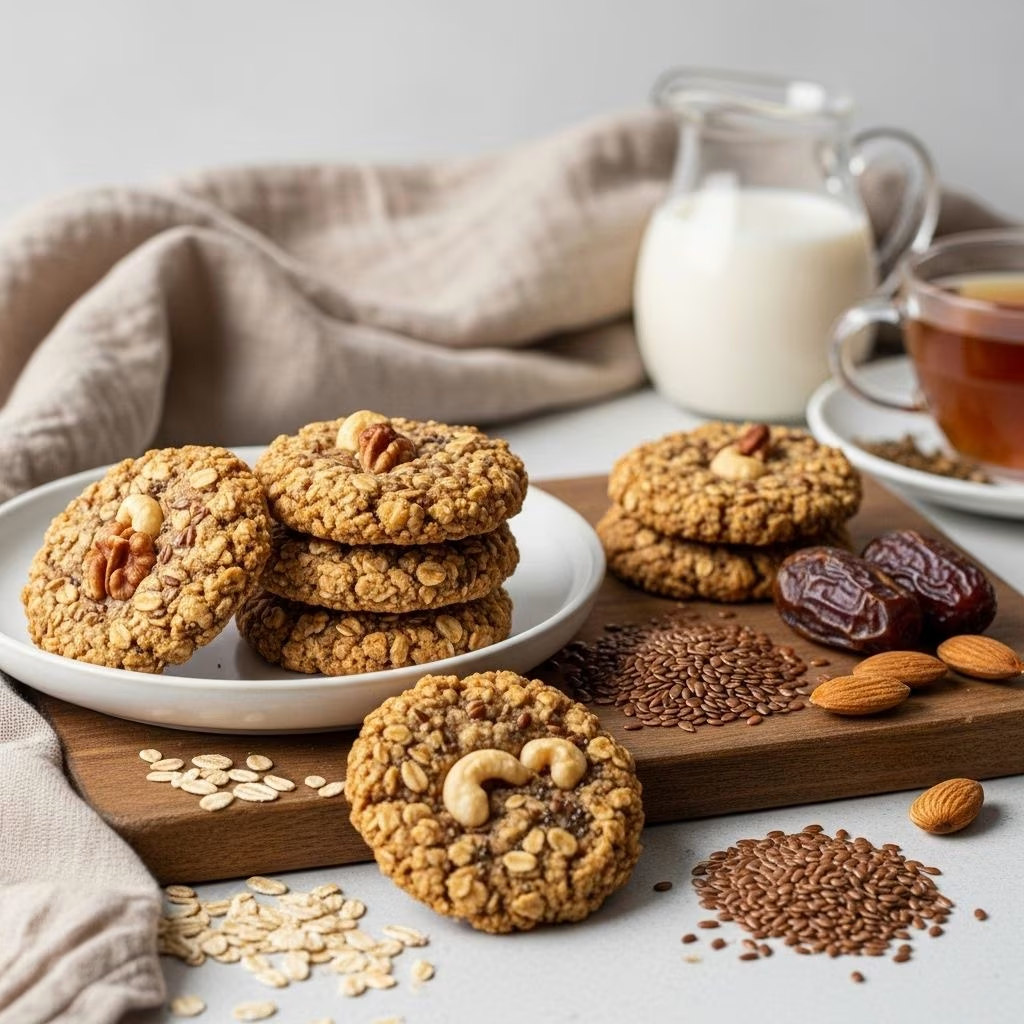
Lactation cookies have become a popular way for nursing parents to support milk supply with the help of tasty, nutrient-packed treats. But what about those who avoid animal products? This in-depth guide walks through every step—science, ingredients, substitutions, and baking—so anyone can make vegan lactation cookies that are as effective as they are delicious.
What Are Lactation Cookies?
Lactation cookies are specially designed treats made with ingredients believed to support or increase breast milk production in lactating individuals. The idea is to use foods rich in galactagogues—natural substances thought to promote milk supply—combined with whole grains, healthy fats, and a little sweetness for an enjoyable, nourishing snack.
- Traditionally contain oats, flaxseed, and sometimes brewer’s yeast
- Offer extra fiber and protein for postpartum nourishment
- Enjoyed as a snack, dessert, or alongside a meal
- Can be customized for dietary preferences (vegan, gluten-free, nut-free, etc.)
The Science Behind Lactation Cookies
While lactation cookies are not a guarantee for everyone, they include foods long celebrated for supporting breastfeeding:
- Oats: High in iron and fiber, and historically associated with boosting milk production.
- Flaxseed: Rich in Omega-3 fatty acids and plant estrogens (phytoestrogens) that may support lactation.
- Brewer’s Yeast: Contains B-vitamins, trace minerals, and protein and is often cited anecdotally for its lactogenic properties.
While scientific evidence is mixed, these cookies can help fill nutritional gaps and encourage regular snacking (important for lactating parents).
Key Ingredients and Their Benefits
| Ingredient | Main Benefit | Lactogenic Role |
|---|---|---|
| Oats | Fiber, iron, protein | Potential milk supply support, especially for those low in iron |
| Flaxseed meal | Omega-3s, phytoestrogens | Traditionally believed to aid lactation |
| Brewer’s yeast | Rich in vitamins and minerals | Common folk remedy for increasing supply |
| Plant-based fats (coconut oil, vegan butter) | Calorie density for energy | Supports postpartum caloric needs |
| Chocolate chips or dried fruit | Flavor and enjoyment | Encourages regular snacking |
How to Veganize Lactation Cookies
Traditional recipes use dairy butter, cow’s milk, and eggs. For a vegan version, these can be replaced with plant-based options while retaining all the key flavors and textures.
- Vegan Butter or Coconut Oil: Offers richness; coconut oil adds a subtle, pleasant flavor.
- Flaxseed “Egg”: When mixed with water, ground flaxseed forms a gel equivalent to an egg in baking. This not only binds the dough but also boosts the cookies’ lactogenic effect.
- Plant Milk: Oat, almond, soy, or any preferred non-dairy milk adds moisture and subtle flavor.
- Vegan Baking Staples: Look for vegan chocolate chips and check sugars are bone-char-free for strict vegans.
Step-by-Step Vegan Lactation Cookie Recipe
Preparation
- Yield: About 24 cookies
- Prep time: 15 minutes
- Bake time: 15–18 minutes
Ingredients
- 2 tablespoons ground flaxseed + 6 tablespoons water (for flax “egg”)
- 1/2 cup coconut oil (room temperature)
- 1/4 cup granulated sugar
- 1/2 cup packed brown sugar
- 1/4 cup plant milk (e.g., oat milk)
- 1 tablespoon vanilla extract
- 1 1/4 cups all-purpose flour
- 1 teaspoon baking powder
- 1 teaspoon baking soda
- 1 teaspoon salt
- 1–3 tablespoons brewer’s yeast (start with 1; add more for stronger flavor/lactogenic effect)
- 1 cup old-fashioned rolled oats
- 1 cup vegan chocolate chips
Instructions
- Preheat the oven to 350°F (175°C). Line two baking sheets with parchment paper or silicone mats.
- Make the flax “egg”: In a small bowl, combine ground flaxseed and water. Stir and set aside to thicken (about 5 minutes).
- Cream together the fats and sugars: In a large bowl, whisk coconut oil, granulated sugar, and brown sugar until light and fluffy.
- Add wet ingredients: Stir in the thickened flax mixture, plant milk, and vanilla extract. Mix to combine.
- Incorporate dry ingredients: Add flour, baking powder, baking soda, salt, and brewer’s yeast. Mix until a dough forms—don’t overmix.
- Fold in the mix-ins: Gently add the oats and vegan chocolate chips or add-ins of your choice.
- Portion the dough: Use a cookie scoop or spoon to place golf ball–sized mounds onto the prepared baking sheets (about 2 inches apart).
- Bake for 15–18 minutes, or until lightly golden and just set.
- Cool and store: Let cookies cool on the sheets for 5 minutes before transferring to a rack. Store in an airtight container once cooled.
Make-Ahead, Storage, and Freezing Tips
- Keep cookies in an airtight container at room temperature for up to 4 days.
- For longer storage, freeze baked cookies for up to 2 months. Thaw at room temperature before enjoying.
- You can also scoop and freeze unbaked dough balls for fresh cookies on demand. Bake directly from frozen, adding an extra 1–2 minutes if needed.
- Perfect for prepping in advance or batch baking for busy new parents.
Customizing the Recipe: Variations & Substitutions
Lactation cookies are easily adapted to personal tastes and dietary needs.
- Flour: Use whole-wheat, oat, or 1:1 gluten-free flour for a different texture or gluten-free version.
- Sweeteners: Substitute coconut sugar or date sugar for a lower glycemic option.
- Mix-ins: Add chopped nuts (walnuts, pecans, almonds), dried cranberries, shredded coconut, sunflower seeds, or pumpkin seeds.
- Chocolate: Swap in vegan white, semi-sweet, or dark chocolate chips.
- No Brewer’s Yeast: Skip it if you dislike the flavor or can’t find it; simply increase flaxseed or oats.
- Nut-free: Use seed butters or avoid nuts and coconut as needed.
Expert Baking Advice
- Even Baking: Make cookies uniform in size so they bake evenly.
- Don’t Overmix: After adding flour, mix only until just combined to avoid dense cookies.
- Thick vs. Thin Cookies: Flatten the dough slightly before baking for thinner cookies, or leave as mounds for softer, puffier cookies.
- Flavor Development: Letting the dough rest for 30 minutes (or overnight in the fridge) deepens flavor, but is not required.
Frequently Asked Questions (FAQs)
Q: What makes these cookies helpful for lactation?
A: The combination of oats, flaxseed, and brewer’s yeast are traditional galactagogues, foods believed to help stimulate milk production, though results can vary by individual.
Q: Are these cookies safe if I’m not nursing?
A: Yes! They’re simply nutrient-dense oatmeal cookies suitable for anyone, though those sensitive to yeast or certain ingredients should use caution.
Q: Can I make these cookies gluten-free?
A: Absolutely! Substitute 1:1 gluten-free all-purpose flour, and ensure oats are certified gluten-free.
Q: Do I have to use brewer’s yeast?
A: Brewer’s yeast is traditional, but you can omit it. Flaxseed and oats still provide nourishment and mild lactogenic effects. Some dislike the yeast’s bitterness; using less or blending thoroughly with other flavors can help.
Q: How much should I eat?
A: One to two cookies a day is typical, but there’s no strict rule. Listen to your body and dietary needs.
Q: How do I store and reheat them?
A: Store cooled cookies in an airtight container at room temperature for up to four days. To warm, microwave for just a few seconds for a fresh-from-the-oven feel.
Nutritional Information and Serving Suggestions
| Nutrient (per cookie*) | Approximate Amount |
|---|---|
| Calories | 120–140 |
| Fat | 6–8 g |
| Protein | 2–3 g |
| Sugar | 6–8 g |
| Fiber | 1.5–2 g |
*Values will vary by ingredients and mix-ins.
- Pair with a glass of oat or almond milk for a satisfying snack.
- Package as a postpartum care gift for new parents.
- Great for breakfast-on-the-go or busy afternoons.
Why Vegan Lactation Cookies Belong in Every Parent’s Pantry
Whether or not you’re nursing, these cookies are a delightful, fiber-rich way to enjoy plant-based baking. They make it easy for anyone—parents, family, or friends—to offer nourishing support to new moms through food. Play with the flavors, adjust to your liking, and savor these treats as a daily act of care and self-kindness.