The Monkey Gland is a storied Prohibition-era cocktail, renowned for its vibrant color, botanical complexity, and infamous name. Combining gin, fresh orange juice, grenadine, and a whisper of absinthe, the Monkey Gland offers a bracing yet balanced drinking experience that’s fascinated bartenders and cocktail enthusiasts for nearly a century. This article dives deep into the drink’s bizarre origin, flavor profile, recipe, tips for the perfect serve, creative variations, and modern appeal, providing everything you need to master and appreciate this compelling classic.
History of the Monkey Gland Cocktail
The Monkey Gland was born in 1920s Paris, at the vibrant Harry’s New York Bar, a legendary haunt for expatriates and cocktail connoisseurs. Its creator, Harry MacElhone, was one of the most influential bartenders of his era, with credits including the Bloody Mary, French 75, and Sidecar.
But what about the eyebrow-raising name? The “Monkey Gland” refers to a controversial medical fad of the early 20th century. Russian-French surgeon Serge Voronoff famously experimented with grafting monkey testicle tissue onto men, claiming the procedure brought youth and virility. While the science was quickly debunked and faded into infamy, Harry MacElhone immortalized it with this tongue-in-cheek cocktail—forever blending Prohibition excitement, wild experimentation, and a playful sense of humor into the drink’s very identity.
Despite its bizarre inspiration, the Monkey Gland never achieved the same celebrities as its MacElhone siblings, but it’s firmly entrenched in the canon of classic mixology—and offers a fascinating glimpse into the spirit (and spirits) of the Roaring Twenties.
Flavor Profile
The Monkey Gland is a cocktail of contrasts and layered intrigue:
- Gin: Delivers a brisk, herbal backbone, with flavors ranging from juniper and pine to floral and spicy undertones depending on the brand.
- Fresh Orange Juice: Bright, juicy acidity cuts through botanicals, lending refreshing citrus sweetness.
- Grenadine: A splash of grenadine adds subtle pomegranate fruitiness and a translucent blush, balancing the sharper elements with gentle sweetness. Homemade grenadine makes a marked difference in flavor.
- Absinthe (or Pastis): Used sparingly—just a dash or rinse—absinthe offers an aromatic top note of anise and herbs, giving the drink its unique “bite.” Absinthe’s notorious past also heightens the cocktail’s eccentric allure.
The result: fruity yet complex, slightly sweet but bracing, and just faintly herbal from the absinthe. When made well, all elements harmonize for a surprisingly elegant sip, with no single ingredient dominating.
Ingredients: What Makes a Monkey Gland?
For the true Monkey Gland experience, seek out quality components:
- Gin: Dry (London style) gin, for clean botanicals. Plymouth or Old Tom work for a slightly richer or sweeter profile.
- Fresh Orange Juice: Always squeeze it yourself. Bottled or concentrated juice dulls the drink’s sparkle.
- Grenadine: Real pomegranate syrup is ideal. Commercial grenadines are often artificial; homemade offers richer fruit and less cloying sweetness.
- Simple Syrup (optional): Some versions include a small dash, especially if using tart grenadine or trying to enhance roundness.
- Absinthe (or Pastis): Either a quick dash into the shaker, or a rinse in the glass before pouring. Pernod, Ricard, or other pastis are also common substitutes where absinthe isn’t available.
- Garnish: An expressed orange peel or twist for a burst of citrus aromatics.
| Ingredient | Role in Cocktail | Tips & Alternatives |
|---|---|---|
| Gin | Botanical, crisp backbone | Try different London-style gins for variation; avoid overpowering citrus-flavored gins. |
| Fresh Orange Juice | Sweet, tart balance; vibrant color | Use only freshly squeezed; avoid concentrate or carton OJ. |
| Grenadine | Sweetening; red-pink color | Homemade is best; commercial often too artificial. |
| Simple Syrup (optional) | Extra balance, softness | Use only a touch; optional in most recipes. |
| Absinthe or Pastis | Herbal, anise aroma; “bite” | True absinthe traditional; pastis is a good sub. |
| Orange Twist | Garnish and fresh citrus aroma | Express the oils over the drink before serving. |
Monkey Gland Cocktail Recipe
This is a time-tested, bartender-approved Monkey Gland recipe built for clarity and balance:
- 2 ounces (60ml) gin (London dry preferred)
- 1 ounce (30ml) freshly squeezed orange juice
- 1/4 ounce (7ml) grenadine (homemade suggested)
- 2-3 dashes absinthe (or rinse glass and discard excess if preferred)
- Garnish: Orange twist or flamed orange peel
Method
- Fill a cocktail shaker with ice.
- Add gin, orange juice, grenadine, and absinthe.
- Shake vigorously for 10-15 seconds until thoroughly chilled.
- Double-strain into a chilled coupe or martini glass.
- Express orange peel over the drink to release oils, then garnish.
Pro Tip: Absinthe can be washed (swirled and discarded) in the glass first for a lighter touch, creating just a whiff of anise aroma.
Technique: Crafting the Perfect Monkey Gland
- Chill Glassware: Always serve in a well-chilled coupe or martini glass. Pre-chill with ice, then discard before straining.
- Shake Hard: Because of citrus juice, shake rather than stir to ensure proper chilling and light aeration for a frothy head.
- Strain Well: Double-strain (use a fine mesh) to remove pulp and small ice shards for a silky finish.
- Orange Garnish: Twist over the drink to impart oils, then drop in or rest on the rim for optimal aroma.
- Serve Immediately: Like other fresh-juice cocktails, the Monkey Gland is best enjoyed right after making, while the citrus is lively and the drink ice-cold.
Variations and Modern Twists
While the classic Monkey Gland’s flavor is distinct, experimentation has inspired bartenders for decades. Here are some notable riffs:
- Benedictine Swap: Replace absinthe with Benedictine liqueur for a softer, herbal edge with a touch of sweetness.
- Use of Pastis: Pernod or Ricard work when absinthe isn’t available, offering similar anise character without the original’s prickly punch.
- Pomegranate Cordial: Use a robust homemade pomegranate syrup in place of commercial grenadine for a richer taste.
- Blended Gin: Try gins with unique profiles (botanical-heavy, floral, or even barrel-aged) for nuanced variations in the backbone.
- Blood Orange: Substitute blood orange juice for standard OJ to add a dramatic color and deeper citrus tang, perfect for winter style menus.
- No Added Sugar: Some prefer skipping simple syrup entirely, relying on quality grenadine or fresh juice for preferred sweetness.
The Monkey Gland’s balance is easily disturbed, so alter ratios with care, tasting as you go.
Tips, Garnish, and Presentation
- Homemade Grenadine: Simmer pomegranate juice with sugar and a hint of orange blossom water for unparalleled color and flavor. It radically enhances the drink over store-bought versions.
- Use Best Ice: Large, cold, clear ice keeps dilution under control. Shake with dense cubes for optimal chilling and aeration.
- Express the Peel: Use a wide swath of orange zest, expressing the oils over the finished drink for a bright citrus bouquet.
- No Overpowering Absinthe: A rinse or a few drops is plenty; too much can easily overwhelm the balance with bitterness and licorice.
- Glassware Choice: Coupes are classic, but a small martini glass works fine. Avoid large vessels so aromas concentrate.
Frequently Asked Questions
Q: Does the Monkey Gland cocktail contain any animal products?
A: No. The drink contains no actual monkey glands or animal products. Its curious name is a playful reference to a bizarre historical medical fad.
Q: Is absinthe essential? Can I substitute something else?
A: Traditional recipes call for absinthe, but you may use French-style pastis (such as Pernod or Ricard), or even Herbsaint in a pinch. The licorice/herbal aroma is key, but use lightly so it doesn’t dominate the drink.
Q: What’s the best gin for a Monkey Gland?
A: A classic London dry gin is customary for a crisp, structured backbone. Avoid over-flavored or heavily spiced modern gins, which may disrupt the intended balance.
Q: Can I make this non-alcoholic?
A: For a non-alcoholic “Monkey Gland,” use a zero-proof gin, freshly squeezed orange juice, real grenadine, and anise seed-infused syrup for the absinthe element. The result is a sophisticated, booze-free sipper.
Q: How should the Monkey Gland look?
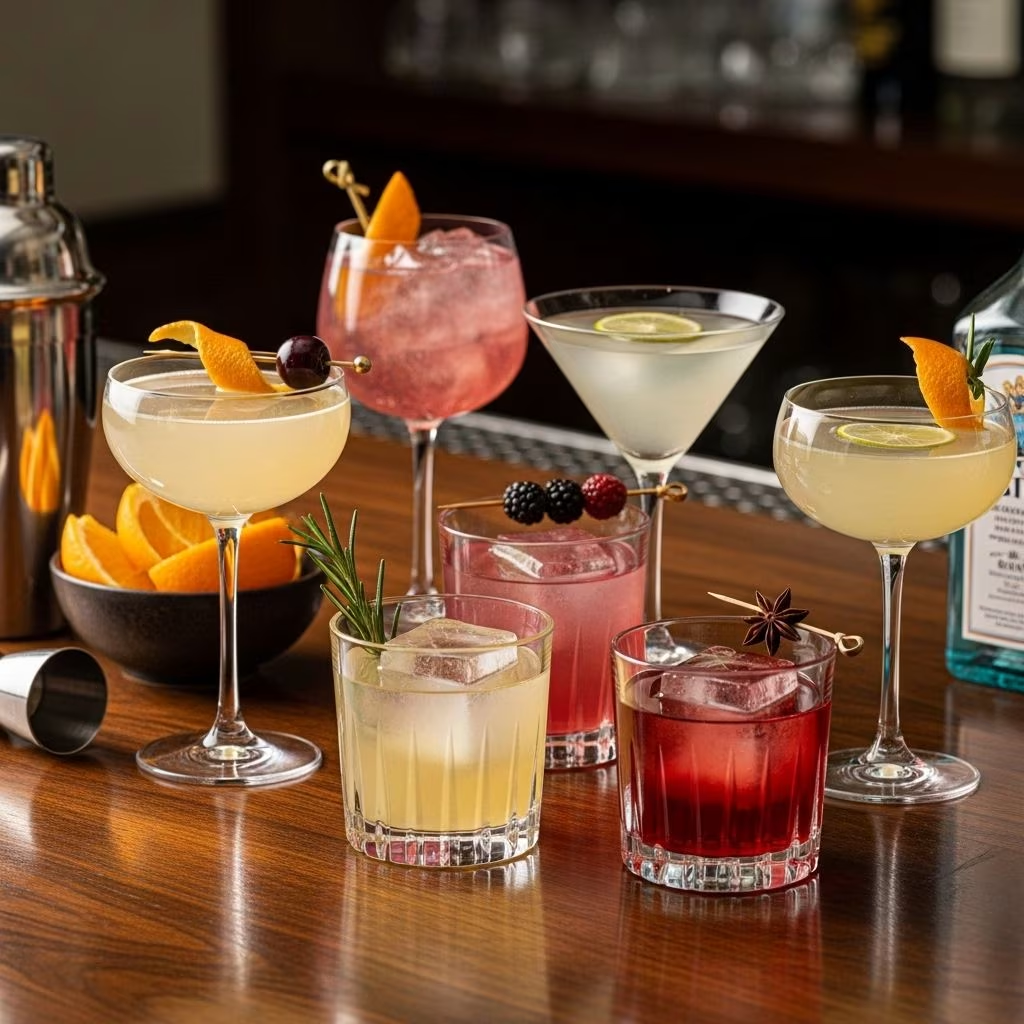
A: The drink should be rosy-pink to blush-orange in hue, slightly opaque from fresh juice, with a thin frothy cap and a flash of orange oil on the surface.
Conclusion: Why the Monkey Gland Persists
The Monkey Gland endures as much for its storytelling charm and historical weirdness as for its balanced composition. It’s a conversation-starting relic from an era defined by innovation, rebellion, and wit behind the bar. The combination of gin, orange, grenadine, and absinthe remains as quirky and delightful as ever—an invitation to experience a taste of the Roaring Twenties, with all their exuberance and intrigue. Whether crafted at home or ordered at a classic cocktail lounge, the Monkey Gland offers both accessible flavor and a colorful splash of history in every glass.