The Bad Word: A Modern Gin, Lime, and Chartreuse Cocktail
The world of modern mixology is filled with creative twists on classic formulas, and The Bad Word cocktail stands out as a bold entrant. Showcasing gin, lime, green Chartreuse, and Gran Classico, this drink delivers a sharp, bittersweet profile that’s sure to appeal to adventurous palates. In this article, we explore the drink’s origin, the precise construction of its flavors, tips for making it at home, and how it fits into the landscape of contemporary cocktails.
Introduction to The Bad Word
The Bad Word is not your average gin cocktail. Building on the historical backbone of gin, citrus, and herbal liqueurs, it brings together assertive bitterness and bracing acidity for drinkers seeking something with more edge than sweetness. This cocktail is a vivid testament to the evolving craft cocktail scene, where innovation spins off the classics but isn’t afraid of bold flavors and less-traveled paths.
Origins and Inspiration
While the canonical gin-lime-Chartreuse cocktail is The Last Word, The Bad Word is a modern reinterpretation that draws inspiration but doesn’t replicate. The new version was designed as a tongue-in-cheek wink to its ancestor, eschewing the Maraschino liqueur for Gran Classico, a bitter, aromatic Italian liqueur that brings a deeper, more complex bitterness to the equation. This swap transforms the drink from a delicate, floral sour to something sharper, more assertive, and unapologetically modern.
Key Points:
- The Bad Word borrows its format from The Last Word (equal parts, shaken cocktail).
- Instead of Maraschino, it substitutes Gran Classico—richer and notably more bitter.
- This results in a cocktail where the sweetness is dialed down and herbal and bitter notes shine.
Ingredient Profile
Every component in The Bad Word is carefully curated to balance acidity, herbal complexity, and bitterness:
| Ingredient | Role in the Cocktail | Flavor Characteristics |
|---|---|---|
| Gin | Base spirit | Juniper-forward; provides botanical and citrus flavors |
| Green Chartreuse | Herbal liqueur | Intense herbal notes; vegetal, slightly sweet, high proof |
| Gran Classico | Bitter liqueur | Bitter orange, rhubarb, gentian; deep and complex bitterness |
| Lime Juice | Citrus element | Fresh, tart acidity; balances sweetness and bitterness |
Why Gran Classico? Gran Classico, originally designed as a competitor to Campari, is more complex, less sweet, and brings stronger bitter notes than many comparable aperitifs. It’s a defining feature of The Bad Word’s character.
The Bad Word: Step-by-Step Recipe
The Bad Word’s formula is notable for its equal parts construction, simplifying production and encouraging perfect balance. Here’s how you make it:
- 3/4 oz gin
- 3/4 oz green Chartreuse
- 3/4 oz Gran Classico
- 3/4 oz fresh lime juice
Instructions:
- Add all ingredients to a cocktail shaker filled with ice.
- Shake vigorously for about 15 seconds, ensuring the mixture is well chilled and slightly diluted.
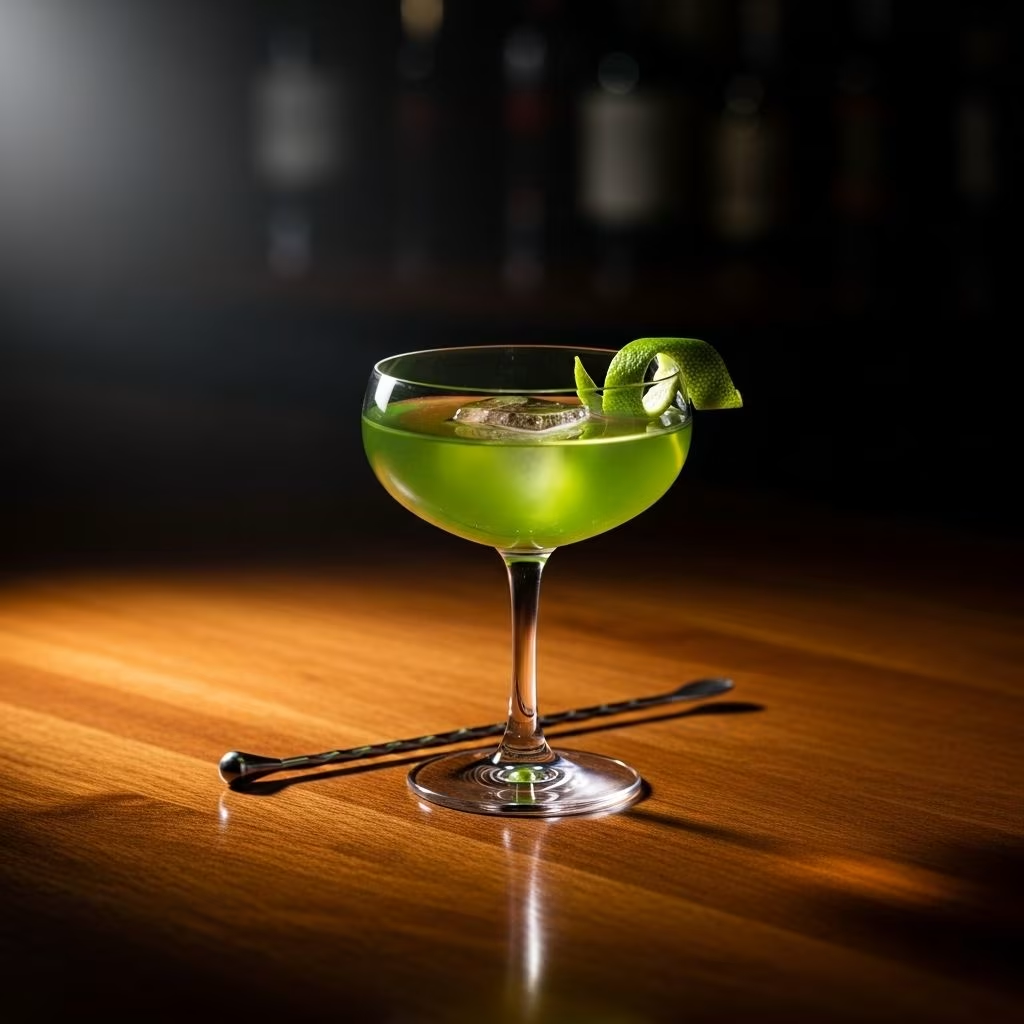
- Double strain into a chilled coupe glass for presentation and clarity.
- Garnish: While not mandatory, a lime twist or wheel can accentuate the citrus aroma and create visual contrast.
Tasting Notes & Flavor Profile
The first sip of The Bad Word is a clear declaration of intent. Expect a bracing tartness from lime, followed by a rolling wave of herbal and floral botanicals from the gin and Chartreuse. The back of the tongue registers Gran Classico’s complex bitterness, which lingers alongside herbal and slightly sweet notes. The result is a drink that’s dry, strong, and beautifully balanced.
- Appearance: Opaque, with a yellow-to-gold hue and a slight cloudiness from shaking and citrus oils.
- Aroma: Citrus-forward, underpinned by herbal and floral notes with a whiff of bitter orange.
- Palate: Bright acidity, layered herbal notes, and an assertive—but drinkable—bitterness that persists through the finish.
- Finish: Long, with lingering bitters and evolving green herbal complexity.
Mixology Tips & Variations
The Bad Word is straightforward to assemble, but a few tips can help get the most out of its bold flavor profile:
- Choose a citrus-forward gin: Given the intensity of the bitters and Chartreuse, a gin with bright citrus or botanicals allows for better balance.
- Use freshly squeezed lime juice for the brightest, sharpest acidity.
- Chill all glassware in advance to keep the cocktail as crisp as possible.
- Shake hard: The goal is optimal dilution and aeration, crucial for integrating the strong flavors.
For those feeling adventurous, small tweaks can radically shift the experience:
- Swap gin for mezcal: Adds smoky depth, catering to a different audience.
- Try orange bitters: Intensifies citrus without adding sweetness.
- Change the garnish: A sprig of fresh herbs (like thyme or basil) complements Chartreuse’s herbal notes.
Comparison: The Bad Word vs. The Last Word
| Aspect | The Bad Word | The Last Word |
|---|---|---|
| Main Bitter Element | Gran Classico | Maraschino Liqueur |
| Bitterness Level | High, pronounced | Mild, subtle |
| Herbal Complexity | Intense (from Chartreuse and Gran Classico) | Moderate (from Chartreuse and Maraschino) |
| Sweetness | Low | Medium–High |
| Base Spirit | Gin | Gin |
| Citrus Element | Lime juice | Lime juice |
Those looking for a less sweet, more adult, and assertive take on the classic will find The Bad Word’s bitterness especially appealing. Meanwhile, The Last Word remains ideal for those who appreciate a more delicate balance of tartness and subtle sweetness.
Serving Suggestions
The Bad Word excels as an aperitif, whetting the appetite before a meal or as a palate refresher between courses. Its bright acidity and complex bitters make it a conversation-starter at dinner parties, and it’s ideal for adventurous guests seeking something beyond the usual gin sour or Negroni.
Recommended pairings:
- Charcuterie platters with blue cheese or rich pâté
- Grilled vegetables—particularly those with herbaceous marinades
- Lightly cured fish (gravlax, ceviche) to complement the cocktail’s tartness
- Roasted nuts or crispy chickpeas for a crunchy, salty backdrop
Frequently Asked Questions (FAQs)
Q: Can I substitute Campari for Gran Classico?
A: Campari has a similar bitter backbone but is brighter and less complex. The cocktail will work, but the flavor will be sharper and more citrusy, with less herbal nuance.
Q: Is green Chartreuse necessary for this recipe?
A: Green Chartreuse is essential for the distinctive herbal punch. While you can try a yellow Chartreuse, it’s milder and sweeter and won’t deliver the same flavor impact.
Q: Can the cocktail be made in larger batches?
A: Yes, simply scale all ingredients equally and premix in advance; shake over ice before serving for freshness and aeration.
Q: What style of gin should I choose?
A: A London dry gin or any style with pronounced citrus and botanical notes works best. Too floral or sweet a gin can clash with the bitterness of Gran Classico.
Q: What’s the ideal glassware for The Bad Word?
A: A coupe glass is traditional for sours of this kind, but a Nick & Nora or small cocktail glass is equally appropriate. Always pre-chill for best results.
Conclusion
The Bad Word is a prime example of how contemporary bartenders are pushing the boundaries of flavor and style. With its equal-parts construction, pronounced bitterness, and aromatic complexity, it strikes a bold new chord for fans of gin-based cocktails. Whether enjoyed solo or served at a party, it’s an invigorating treat for those who love exploring the cutting edge of mixology.