The Food Lab’s Ultimate Thanksgiving Q&A
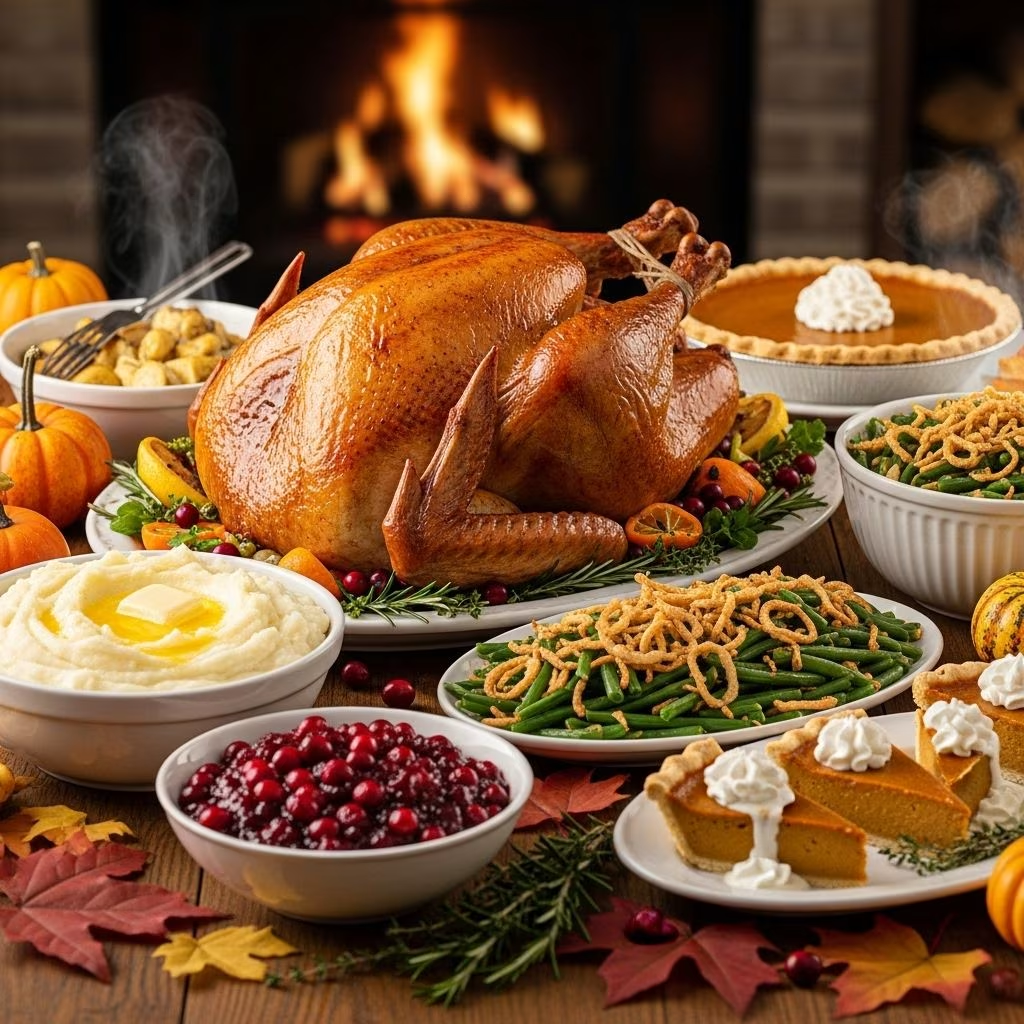
Thanksgiving can be thrilling, stressful, and delicious—all at once. Whether you’re hosting your first dinner or perfecting your feast, this comprehensive FAQ delivers expert, science-driven answers to every critical holiday question. From turkey techniques to pie, vegan mains, and stress-free planning, The Food Lab’s wisdom will help you earn compliments and avoid disasters. Let’s dive into everything you need for a better Thanksgiving table.
Turkey: Buying, Cooking, and Serving
What’s the best way to guarantee crispy skin and juicy meat?
Spatchcocking—removing the backbone and flattening the bird—is the top method for maximizing surface area and even cooking. With more skin exposed to direct heat, crispiness increases and both dark and white meat reach perfect doneness simultaneously. Place the spatchcocked turkey on a rack over a sheet pan, and, for even more even cooking, put that over a heated pizza stone.
How do I convince my family to try these methods?
Traditions matter, but letting one person (the chef) control the menu avoids arguments and delivers the best culinary results. Educate your family on the science—and maybe cook a test run together!
Essential Turkey Tips
- Season ahead: Dry-brining for 24–48 hours yields crispier skin and juicier meat than traditional wet brines.
- Don’t stuff the bird: Stuffing inside leads to overcooked breast meat since it must reach 165°F for safety. Bake stuffing separately for proper texture and flavor.
- Let it rest: Rest turkey 30–45 minutes before carving for juicier slices.
- Problem: Breast dries out before legs are done.
Solutions: Cover the breast with foil, rotate the bird, cook spatchcocked, or consider portioned roasting for absolute control.
Stuffing and Dressing
Dry Bread vs. Stale Bread: Which Is Best?
Dry bread is essential. True stale bread is not the same as oven-dried bread. Cubes dried in a low oven absorb flavors best and won’t turn to mush.
Moisture Control
- Extra-moist stuffing: Increase broth and use eggs for richness; baking in a covered dish helps retain moisture.
- Crispy topping: Bake uncovered or finish under the broiler.
What Goes Into Great Stuffing?
- Bread: Stick to rustic loaves—sourdough and country-style are favorites.
- Savory mix-ins: Onions, celery, herbs like sage and thyme, sautéed mushrooms, sausage, apples, nuts, or dried fruit.
- Personalize: Don’t hesitate to riff with regional ingredients—Pacific Northwest? Add hazelnuts or wild mushrooms.
Is Stove Top OK?
Homemade always tastes better, but no shame in nostalgia—just add fresh herbs and aromatics for a boost.
Perfect Mashed Potatoes
Best Potato Varieties
Use russets for classic fluffiness and Yukon Golds for creaminess and buttery flavor.
Can I Make Them Ahead?
Yes. Assemble them with extra cream and butter and keep warm, or cool and reheat with reserved milk or cream, stirring gently to restore texture. Avoid refrigerating for long periods before the holiday to prevent gumminess.
Classic and Creative Sides
Vegetables for Vegetable-Haters
- Roasted roots (carrots, parsnips, squash): Caramelization brings sweetness and crowd appeal.
- Green bean casserole: Fresh beans and homemade mushroom sauce yield best results, but canned soup is a time-saving fallback.
- Bright salads: Apple-fennel, citrus, or beet salads provide acid and lighten heavy plates.
Cranberry Sauce: Whole or Smooth?
It’s about texture preference: keep berries whole for bursts of tartness, or strain for smooth sauce. Elevate basic sauce with orange zest, ginger, vanilla, or swapping in pomegranate.
Bread for Thanksgiving
- Parker House rolls: Soft, buttery classics are always a winner.
- Cornbread: Slightly sweet, perfect for sopping up sauces.
- Sourdough: For tang and chewy crust.
Unconventional Sides
- Pacific Northwest: Wild mushrooms, hazelnuts, local apples, or smoked salmon.
- Southwest: Poblano chiles, masa, or pumpkin seed salsa.
- Non-traditional dishes: Riffs like “turchetta” (turkey breast porchetta) add flair and flavor.
Gravy: Smooth and Flavorful
Fast Gravy When Time Is Short
Use a roux (butter + flour cooked together) and whisk in rich stock. For emergency gravy, dissolve “Better than Bouillon” into hot water and season well. Deglaze roasting pans for extra flavor.
Preventing and Fixing Lumpy Gravy
- Your Whisk: Whisk constantly when adding liquid to roux.
- Strain: Run finished gravy through a fine mesh if lumps appear.
Broken Gravy?
- Whisk in cold stock or water, little by little, over gentle heat until it smooths out.
- If all else fails, blend it!
Boxed Broth vs. Bouillon?
“Better than Bouillon” is often richer and more flavorful than boxed broth. Adjust salt accordingly.
Plant-Based Thanksgiving
Great Vegan/Main Course Ideas
- Stuffed squash: Fill acorn or butternut halves with wild rice, mushrooms, cranberries, and nuts.
- Vegan Wellington: Mushrooms, lentils, and root vegetables wrapped in pastry.
Plant-Based Gravy
Build deep umami with roasted mushrooms, caramelized onions, soy sauce, and nutritional yeast as a base.
Pie and Dessert Mastery
Pies: Keys to Great Crust
- Use cold ingredients and work quickly.
- Chill dough before rolling and before baking.
- For flakiest crust, leave visible bits of butter/shortening in the dough.
Best Apples for Pie
- Granny Smith: Sharp flavor, keeps shape.
- Honeycrisp, Pink Lady, Braeburn: Combine for complexity in flavor and texture.
Giving Apples Great Texture
- Toss sliced apples with sugar and let rest 30–60 minutes to draw out juice, then drain and simmer briefly before assembling the pie. This prevents soggy crusts and preserves texture.
Canned vs. Fresh Pumpkin
Canned “pumpkin” is usually a blend of pumpkin and sturdier squash—it’s consistent, smooth, and preferred by many pros for pie. Fresh squash/pumpkin must be roasted and puréed; it works, but results are less reliable.
Pie Alternatives & Traditions
Love Jacques Pépin’s pie recipe? Bake what you crave, but if you’re feeling adventurous, try a new style—galettes, slab pies, or tartlets offer creative spins.
Leftovers: Storage and Upgrades
Favorite Uses for Leftover Turkey and Sides
- Turkey sandwiches: Add stuffing and cranberry sauce for the classic leftover meal.
- Turkey congee or soup: Simmer the carcass for rich broth; add rice and aromatics for warming comfort food.
- Hash: Sauté chopped turkey, potatoes, and whatever veg remains for an easy brunch.
- Hot open-faced sandwiches: Heat turkey and gravy over bread slices for fast comfort food.
Planning and Simplifying
What Can Be Made in Advance?
- Most pies: Bake one or two days ahead.
- Cranberry sauce: Lasts for a week in the fridge.
- Bread dough: Mix the night before and bake fresh on Thanksgiving.
- Mashed potatoes and gravy: Can be made and gently reheated on the big day.
How to Simplify Thanksgiving
- Edit the menu: Stick with family favorites and one or two new dishes, not a dozen sides.
- Delegate: Assign starters, salads, desserts, drinks, or a single side to guests.
- Stagger your cooking: Start with freezer-friendly components and focus on just 2–3 last-minute items.
Go Easy On Yourself
Thanksgiving is about gratitude and connection. Do what you can, buy what you need, and don’t apologize for shortcuts. Your guests are there for you, not just the meal!
Thanksgiving Traditions—and Questions Beyond the Feast
Essentials of the American Table
- Turkey (but ham, roast beef, or salmon are sometimes featured in different regions)
- Mashed potatoes and gravy
- Bread rolls
- Stuffing/dressing
- Sweet potatoes or yams
- Pies (pumpkin, apple, pecan)
Thanksgiving vs. Christmas
Christmas feasts often showcase similar dishes, but Thanksgiving focuses on gratitude and American food traditions. The two holidays feel different in spirit—Christmas can be more about gift-giving, décor, and family traditions, while Thanksgiving is food-centric.
If You Could Redesign the Holiday…
Some would add more non-food rituals like gratitude circles, games, or service activities to make the day deeper and more communal.
Ham or Turkey: What’s More Common?
Turkey is overwhelmingly the national centerpiece, but some families prefer ham or another roast. Both are delicious—it’s the gathering that counts.
Frequently Asked Thanksgiving (and Food) Questions
Q: Are there any traditions besides food?
A: Football (watching or playing), parades (like Macy’s in NYC), volunteering, board games, or just long walks are a part of many families’ days.
Q: Can I eat expired food?
A: Most expiration dates concern quality, not safety. Always check for signs of spoilage, but sealed foods that are barely past their date are often safe.
Q: Are brownies cookies?
A: Technically, brownies are classified as bar cookies—soft, dense, and not leavened like cakes.
Q: How do I know if ingredient X belongs in group Y?
A: If it shares key characteristics (texture, flavor, function) and complements the dish, trust your culinary instincts—but classic pairings exist for a reason.
Q: What’s a great Thanksgiving potluck dish to bring?
A: Transportable favorites include rolls, cranberry sauce, roasted root vegetables, or pecan pie. Anything that tastes good at room temperature is ideal.
Share Your Thanksgiving
This holiday, cook with confidence and curiosity. These tips are science-inspired but flexible, rooted in respect for family traditions and the spirit of gratitude.
What’s Your Biggest Thanksgiving Challenge?
Share your favorite hacks, ask new questions, and make each holiday better than the last. Happy Thanksgiving!