Single malt Scotch whisky sits at the pinnacle of Scotland’s centuries-old distilling tradition, revered for its complexity and the stories that each region—and bottle—embodies. Let’s explore what makes single malt Scotch unique, how it’s crafted, the defining characteristics of its key regions, and how to savor it both neat and in cocktails.
What Is Single Malt Scotch Whisky?
Single malt Scotch whisky is a distilled spirit made from malted barley, produced at a single distillery in Scotland, and aged in oak barrels for at least three years. It’s renowned for its depth of flavor, variety, and the quality standards that differentiate it from other whiskies around the world.
- Made exclusively from malted barley.
- Distilled at one specific Scottish distillery.
- Aged at least three years in oak casks.
- Bottled at no less than 40% ABV.
Single malt Scotch is distinct from blends in that it is the product of just one malt distillery, offering a more focused representation of its origin and production style.
How Is Single Malt Scotch Made?
- Malting: Barley is soaked in water, allowed to germinate (activating enzymes to convert starch to sugar), then dried using hot air—sometimes over a peat fire (imprinting smoky flavors).
- Mashing and Fermentation: The dried malted barley is milled and mixed with warm water to extract sugars. After filtering, yeast is added to ferment the sweet liquid, producing alcohol.
- Distillation: The fermented wash is distilled (traditionally twice) in copper pot stills, concentrating flavor and alcohol.
- Maturation: The distillate is aged in oak casks for a minimum of three years—often much longer. Maturation develops flavor and imparts coloration from the wood.
- Bottling: After aging, the whisky is diluted to at least 40% ABV, sometimes filtered, and finally bottled as single malt.
The complete process is regulated by Scottish law, ensuring authenticity and consistency in every bottle labeled “single malt Scotch.”
The Six Scotch Whisky Regions
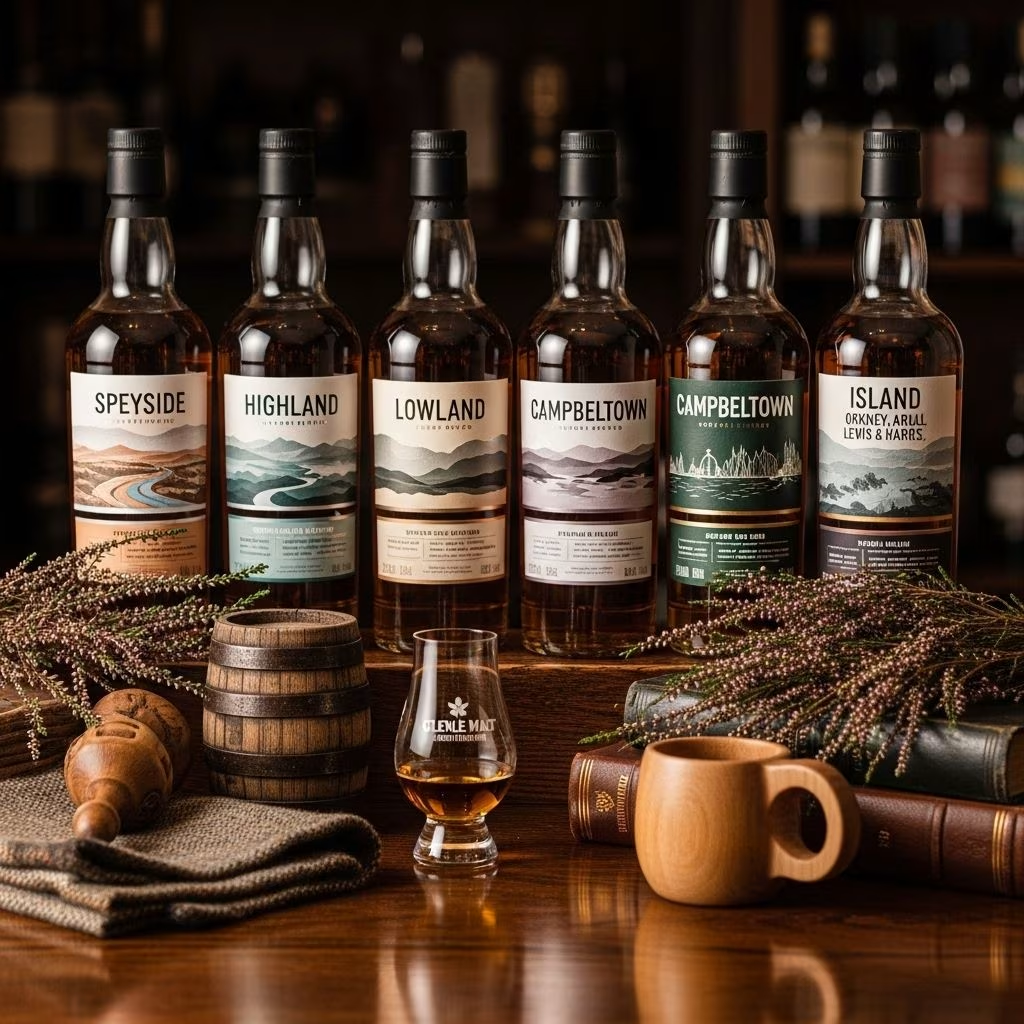
Scotland’s diverse geography and climate influence the style of whisky produced in each region. There are six recognized whisky regions in Scotland, each contributing unique flavors to the world of single malt:
- Speyside
- Highlands
- Lowlands
- Islay
- Campbeltown
- Islands (sometimes considered a subregion of the Highlands)
Scotch Whisky Regions at a Glance
| Region | Main Characteristics | Famous Distilleries |
|---|---|---|
| Speyside | Sweet, fruity, elegant, often sherry-cask matured | Macallan, Glenfiddich, Glenlivet, Balvenie |
| Highlands | Full-bodied, diverse; sometimes smoky, spicy, or floral | Glenmorangie, Dalmore, Oban, Glendronach |
| Lowlands | Light, grassy, floral, citrusy | Auchentoshan, Glenkinchie, Bladnoch |
| Islay | Peaty, smoky, briny, medicinal | Laphroaig, Ardbeg, Lagavulin, Bowmore |
| Campbeltown | Robust, salty, maritime, oily | Springbank, Glen Scotia |
| Islands | Salty, brisk, sometimes peated | Talisker, Highland Park, Jura, Arran |
Profiling the Major Whisky Regions
Speyside
Speyside sits in the northeast, near the River Spey, and boasts the largest concentration of distilleries in Scotland. The whiskies are renowned for their sweet, elegant, and fruity character, often with notes of apple, pear, honey, and vanilla. Peat is rarely used, resulting in approachable drams ideal for newcomers and connoisseurs alike.
- Classic examples: Macallan, Glenfiddich, Glenlivet, Balvenie
- Common flavors: orchard fruits, malt, nuts, sherry, vanilla
Highlands
The Highlands cover Scotland’s largest whisky region geographically, leading to a diverse array of styles—from sweet and heathery in the south and east to robust, smoky, and spicy offerings in the north and west. The region’s variable landscape imparts everything from light floral notes to pronounced peatiness and salinity.
- Notable distilleries: Glenmorangie, Dalwhinnie, Glendronach
- Flavor notes: heather, honey, spice, malt, occasional peat
Lowlands
Situated mostly in southern Scotland, Lowland single malts are traditionally light, grassy, and floral, with delicate flavors and a gentle mouthfeel. These make excellent aperitifs and are less likely to use peat, resulting in a subtle, accessible profile.
- Classic producers: Auchentoshan, Glenkinchie
- Common flavors: grass, cream, citrus, honeysuckle
Islay
The island of Islay is home to some of Scotland’s most distinctive single malts, famous for their intense peat smoke, briny sea air, and medicinal notes. The use of peat fires during malting infuses the barley with smoky phenols, producing bold whiskies that polarize and fascinate aficionados.
- Legendary examples: Laphroaig, Ardbeg, Lagavulin
- Flavors: peat smoke, seaweed, brine, licorice, medicinal herbs
Campbeltown
Campbeltown was once the capital of Scotch whisky making, with over 30 distilleries. Only a few remain, but the region is still esteemed for its robust, complex malts—often described as oily, salty, and maritime with distinctive funkiness.
- Signature names: Springbank, Glen Scotia
- Notes: brine, dried fruit, smoke, salted caramel, spice
The Islands
Though not officially recognized as a separate region, the Islands (Orkney, Skye, Jura, Arran, Mull, and others) have their own distinct mariner personality—sometimes briny, occasionally peated, and almost always complex.
- Highlights: Highland Park (Orkney), Talisker (Skye), Jura
- Flavors: sea air, pepper, honey, peat, heather
The Taste of Single Malt Scotch
While flavors vary from region to region and even from cask to cask, single malt Scotch generally reveals a remarkable range. Key flavor factors:
- Peat: Burnt to dry out malted barley, contributing smoky, earthy aromas and flavors, especially prominent in Islay malts.
- Cask Type: Maturation in sherry, bourbon, or wine casks adds layers of vanilla, spice, dried fruit, or nuttiness.
- Barley and Water: Local barley strains and water sources can subtly shape the distillate’s base flavors.
- Distillation: Still shape and distilling techniques impact the whisky’s body, smoothness, and aromatic complexity.
Common flavor descriptors: honey, heather, citrus, orchard fruit, malt, vanilla, brine, peat, smoke, toffee, spice.
How to Drink and Appreciate Single Malt Scotch
- Neat: Pour into a tulip-shaped whisky glass. Swirl, nose deeply, and sip slowly to explore the aroma and flavor evolution.
- With a Drop of Water: Adding a few drops can open up hidden aromas and flavors, mellowing intensity.
- Rocks: Traditionally less common, but acceptable for those sensitive to alcohol burn. Note that chilling can mute aromas.
Savoring tips:
- Take small sips. Let whisky rest on the palate before swallowing.
- Observe the “legs” (the streaks running down the glass) as an indicator of body or viscosity.
- Smell repeatedly before and after sipping—flavors evolve with time and air.
Single Malt Scotch in Cocktails
Though purists may recoil, using single malt Scotch in cocktails can be an exciting way to experience new dimensions of flavor. Select malt-forward, reasonably priced bottles for mixing and highlight their individuality in thoughtful recipes.
Classic Single Malt Cocktails:
- Rob Roy – Blending single malt with sweet vermouth and bitters (similar to a Manhattan).
- Penicillin – A modern classic featuring smoky Islay whisky, lemon, honey-ginger syrup, and a peaty float.
- Bobby Burns – Scotch with sweet vermouth and Bénédictine, garnished with lemon peel.
- Godfather – Scotch and amaretto on the rocks for a nutty, mellow sipper.
When mixing, remember: respect the malt. Use cocktails that complement rather than mask the whisky’s unique regional character.
How to Choose a Single Malt Scotch
The best single malt fits your taste and the occasion. Factors to consider include:
- Region: Do you prefer sherried fruit (Speyside), gentle florals (Lowlands), or assertive peat (Islay)?
- Age Statement: Older often means smoother and more complex, but vibrant, youthful malts can be lively and exciting.
- Cask Finish: Bourbon, sherry, port, or wine cask maturations shape flavor and character.
- Price: Explore within your budget—excellent malts exist at every level.
Start with well-known distilleries in each region, and experiment to find your personal favorites over time.
Frequently Asked Questions (FAQs)
What is the difference between single malt and blended Scotch?
Single malt comes from one distillery and only malted barley; blended Scotch can mix multiple single malts and grain whiskies from different distilleries.
Why do regions matter in Scotch whisky?
Scotland’s regions have different climates, water sources, and traditions, producing notable differences in whisky style and flavor—from sweet Speysides to smoky Islays.
What’s the typical alcohol content of single malt?
By law, single malt Scotch whisky must be bottled at a minimum of 40% ABV, though some cask-strength expressions are much higher.
How should I store an opened bottle of single malt Scotch?
Store upright, in a cool, dark place away from sunlight and temperature swings. Keep tightly sealed to preserve flavor and aroma.
Are older single malts always better?
Not necessarily. Older whiskies can be smoother and more complex, but younger malts can be lively and showcase fresh distillery character. The “best” age depends on your taste.
Summary Table: Notable Distilleries by Region
| Region | Selected Distilleries | Typical Flavor Notes |
|---|---|---|
| Speyside | Macallan, Glenfiddich, Glenlivet | Apple, honey, vanilla, malt, sherry |
| Highlands | Oban, Dalmore, Glenmorangie | Heather, smoke, spice, fruit |
| Lowlands | Auchentoshan, Glenkinchie | Grassy, citrus, gentle, floral |
| Islay | Laphroaig, Ardbeg, Bowmore | Peat, brine, iodine, smoke |
| Campbeltown | Springbank, Glen Scotia | Salty, maritime, oily, funky |
| Islands | Talisker, Highland Park | Salted smoke, pepper, honey |
Conclusion
From the misty banks of the Spey to the wave-lashed shores of Islay, single malt Scotch whisky is a celebration of Scotland’s landscape and heritage. Each dram is shaped by regional climate, traditional techniques, and the hands of distillers dedicated to their craft. Whether enjoyed neat, experimented within cocktails, or shared among friends, single malt Scotch offers a journey as rich and varied as the country itself. Slàinte mhath!
References
- https://liquorloot.com/blogs/articles-blog-post/scotch-region-overview-a-guide-to-the-6-different-whisky-regions-in-scotland
- https://onceuponawhisky.co.uk/blog/what-are-the-scotch-whisky-regions/
- https://wineware.co.uk/pages/scottish-whisky-regions-guide
- https://www.scotch-whisky.org.uk/discover-scotch/enjoying-scotch/scotch-whisky-regions/
- https://www.foodrepublic.com/1294878/differences-between-scotlands-whisky-regions/
- https://www.whisky.com/knowledge/about-whisky/about-whisky/scotlands-whisky-regions.html
- https://theliquorbros.com/blogs/blog/the-different-scotch-regions-a-guide-to-where-scotch-is-made
- https://flaviar.com/blogs/flaviar-times/your-cheat-sheet-to-scottish-whisky-regions