How to Make Puerto Rican Sofrito: The Essential Flavor Base
Sofrito is the aromatic foundation that underpins the soul of Puerto Rican cooking—a blend of fresh herbs, peppers, onions, and garlic that injects vibrant flavor into countless dishes. Whether simmered into rice, stirred into stews, or folded into beans, sofrito acts as the first whisper of home for so many cooks on the island and beyond. In this guide, we’ll uncover sofrito’s ingredients, traditional techniques, regional variations, and practical tips for storage and use, ensuring you master this indispensable culinary staple.
What is Sofrito?
Sofrito is a green, aromatic puree made of various vegetables and herbs. Rather than serving as a finished sauce or condiment, its core purpose is to build flavor as the initial step in cooking. When vegetables and proteins are sautéed or simmered with sofrito, their complexity and depth increase dramatically. Puerto Rican sofrito shares broad similarities with other Latin American versions but stands apart for its reliance on specific local ingredients.
Why Is Sofrito Essential in Puerto Rican Cuisine?
- Flavor Foundation: Sofrito forms the base of iconic dishes like arroz con gandules (rice with pigeon peas), habichuelas guisadas (stewed beans), and flavorful meats such as pollo guisado (braised chicken).
- Regional Identity: The choice of ingredients, especially herbs like culantro and sweet peppers (ají dulce), gives Puerto Rican cooking its unmistakable character.
- Versatility: Sofrito can be used fresh or frozen, can be adjusted based on ingredient availability, and adapts well to home kitchens.
Core Ingredients of Puerto Rican Sofrito
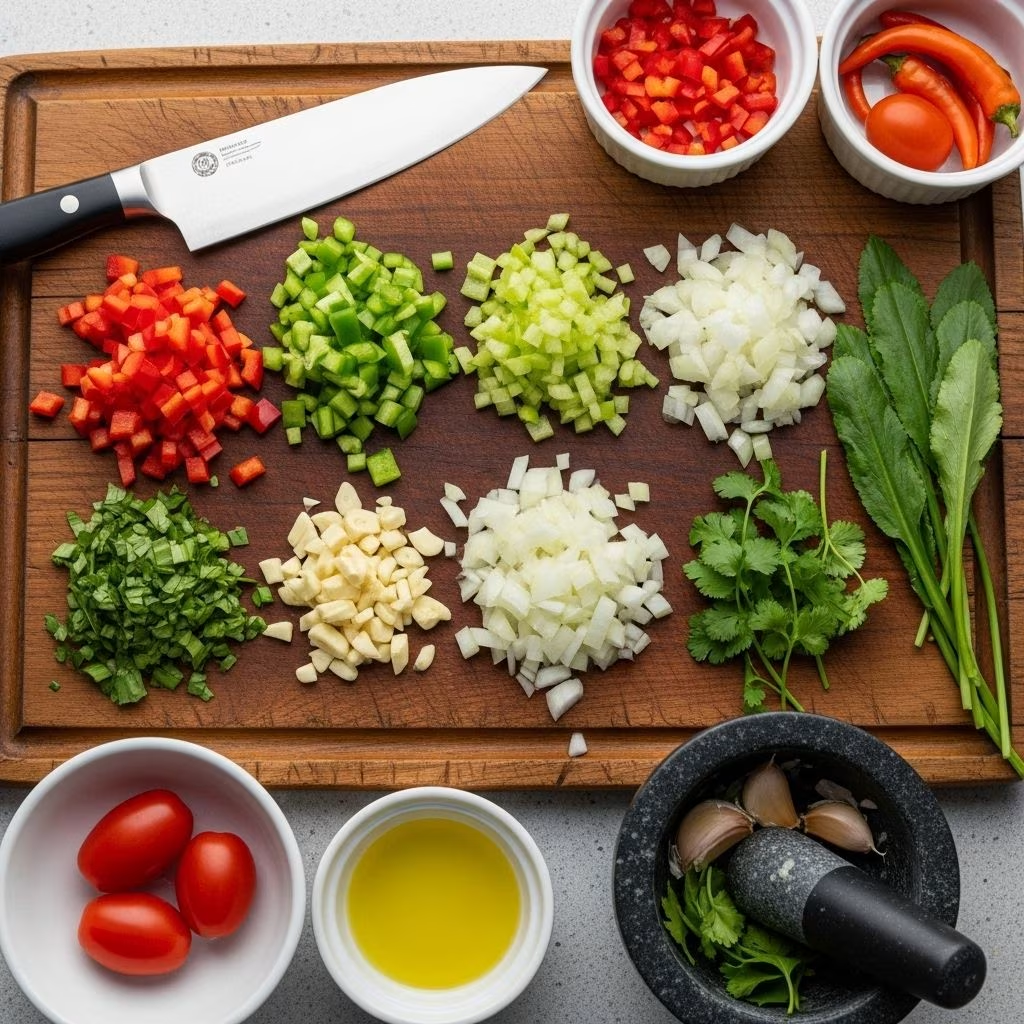
Though families and regions have their own preferences, classic Puerto Rican sofrito relies on the following:
| Ingredient | Role | Notes |
|---|---|---|
| Culantro (Recao) | Main herb | Long, serrated leaves; stronger & more pungent than cilantro. |
| Cilantro | Supporting herb | Standard substitute if culantro is unavailable. |
| Ají Dulce Peppers | Sweet pepper flavor | Small, mildly sweet peppers; can substitute with cubanelle, bell, or other mild peppers. |
| Onion | Aromatic base | Usually yellow or white onions. |
| Garlic | Pungency & aroma | Generous amount—sometimes a whole head or more. |
| Bell Peppers | Freshness & sweet notes | Often green and red, but color choice varies. |
| Olive Oil | Helps blend ingredients | Optional, used sparingly. |
Traditional Sofrito vs. Modern Adaptations
- Traditional Sofrito: Uses locally grown culantro, ají dulce peppers, and sometimes adds olives or capers for complexity. A mortar and pestle or food processor breaks vegetables down into a chunky, spreadable paste.
- Modern Sofrito: May swap hard-to-find ingredients with accessible ones (e.g., use only cilantro, add bell peppers instead of ají dulce), utilizes blenders or processors for speed, and often freezes sofrito in cubes for convenience.
Common Sofrito Ingredient Substitutions & Variations
- Culantro vs. Cilantro: If culantro is unavailable, triple the cilantro quantity for a closer flavor profile.
- Ají Dulce Substitutes: Use cubanelle peppers or mild sweet peppers if ají dulce cannot be found.
- Additional Flavors: Some recipes include olives, capers, or even tomatoes for richer undertones, though these are optional.
How to Make Puerto Rican Sofrito: Step-by-Step Guide
Preparation Time: 15–20 minutes
Yield: About 3–4 cups (depends on batch size)
- Prepare Ingredients:
- Wash and trim culantro and cilantro leaves.
- Seed and rough-chop all peppers (ají dulce, cubanelle, bell).
- Peel garlic and onions.
- Blend Aromatics:
- Add onions and garlic to a food processor; pulse until coarsely chopped.
- Add peppers next; pulse several times, scraping down as needed.
- Add culantro and cilantro, pulsing to break down any large leaves.
- Combine and Adjust:
- Once all ingredients are roughly chopped, return everything to the processor and pulse to a chunky, semi-smooth consistency (like applesauce).
- If blending is difficult, add a tablespoon of olive oil or a splash of water.
- Store:
- Spoon the sofrito into clean jars, airtight containers, or ice-cube trays for easy freezing and portioning.
- Store fresh sofrito in the refrigerator for up to 7 days; freeze for up to 6 months.
Expert Tips for Making and Storing Sofrito
- Pulse, Don’t Puree: Aim for a chunky texture rather than a smooth sauce. Over-blending mutes flavors.
- Batch and Freeze: Freeze sofrito in ice cube trays for quick, measured portions. Transfer cubes to freezer bags once solid.
- Date and Label: Mark containers with the date for freshness. Homemade sofrito will maintain its flavor for about 6 months in the freezer.
- Use Cautiously: Sofrito is potent; 1–2 tablespoons per dish often suffices, though heartier stews may call for more.
Traditional & Modern Sofrito Recipes
Classic Puerto Rican Sofrito
- 3 large white onions, peeled & chopped
- 1 head garlic (about 10–15 cloves), peeled
- 1 pound ají dulce peppers, stemmed & seeded
- 2–3 bell peppers (green preferred), chopped
- 1 bunch culantro, trimmed
- 1 bunch cilantro, stems removed
- (Optional) 1/2 cup olives, 1 tbsp capers
- 1 tbsp olive oil (to help blend)
Approachable Sofrito for Home Cooks
- 1 medium yellow onion, chunked
- 1 large red bell pepper, seeded & chopped
- 2 cubanelle peppers (or more bell peppers), chopped
- 10 garlic cloves, peeled
- 1 large bunch cilantro, chopped
- 1 tbsp olive oil (optional)
- 1 bunch culantro (if available)
How Sofrito Is Used in Puerto Rican Cooking
- Beans: Stirred into habichuelas guisadas for an aromatic kick.
- Rice Dishes: Sautéed with oil before adding rice and broth in arroz con gandules or arroz con pollo.
- Stews and Soups: Makes the flavor base for sancocho, meats (pollo guisado, pork shoulder), and seafood stews.
- Meat Marinades: Sometimes rubbed onto meats with adobo and other spices.
Ingredient Sourcing: The Challenge of Ají Dulce and Culantro
- Ají Dulce: These small, sweet peppers are essential but can be hard to find outside the Caribbean. Look in Latin groceries, farmers’ markets, or substitute with cubanelle or bell peppers.
- Culantro: Known as recao in Puerto Rico, culantro has long, spiky leaves and a potent, cilantro-like flavor. Asian markets often carry culantro, so ask for “ngo gai” or “sawtooth herb” if searching.
Regional Sofrito Variations Across Latin America
| Country | Main Ingredients | Color | Key Differences |
|---|---|---|---|
| Puerto Rico | Culantro, cilantro, garlic, onion, ají dulce | Green | Focus on fresh herbs, no tomato base |
| Cuba | Onion, garlic, bell pepper, tomato | Red/Orange | Includes tomato, often sautéed |
| Dominican Republic | Cilantro, bell peppers, onion, garlic | Green | Uses thyme and sometimes tomato paste |
| Spain (Sofrito) | Tomatoes, onion, garlic | Red | Mainly tomato-based, sometimes with paprika |
Frequently Asked Questions (FAQs)
Q: What if I can’t find culantro or ají dulce peppers?
A: Substitute culantro with triple the amount of cilantro for a closer profile. Cubanelle or bell peppers can stand in for ají dulce.
Q: How long does homemade sofrito last?
A: Stored in the refrigerator, it’s best used within a week. For longer storage, freeze in measured amounts for up to six months.
Q: Can I add tomato sauce to sofrito?
A: Tomato sauce is sometimes added during cooking—not in the base—especially in dishes like arroz con gandules. Traditional Puerto Rican sofrito itself does not contain tomato.
Q: Is sofrito spicy or mild?
A: Puerto Rican sofrito is mild. Heat is added later with optional hot peppers or spices.
Q: What dishes should I try with homemade sofrito?
- Arroz con gandules (rice with pigeon peas)
- Habichuelas guisadas (stewed beans)
- Pollo guisado (braised chicken)
- Asopao de pollo (Puerto Rican chicken and rice stew)
- Use as a starter for any meat, bean, or rice dish
Final Thoughts: Sofrito as Puerto Rican Heritage
Sofrito is more than just an ingredient—it is a living, breathing part of Puerto Rican heritage. Generations have passed down their unique blends, often improvising with what’s on hand but always maintaining the bold, fresh flavor characteristic of their cuisine. As you stir a batch of homemade sofrito into your next meal, you’re carrying on a tradition that connects kitchens across Puerto Rico and the diaspora, infusing every bite with the taste of home, history, and heart.