Fish Piccata: A Guide to Pan-Fried Fish With Lemony Caper Sauce
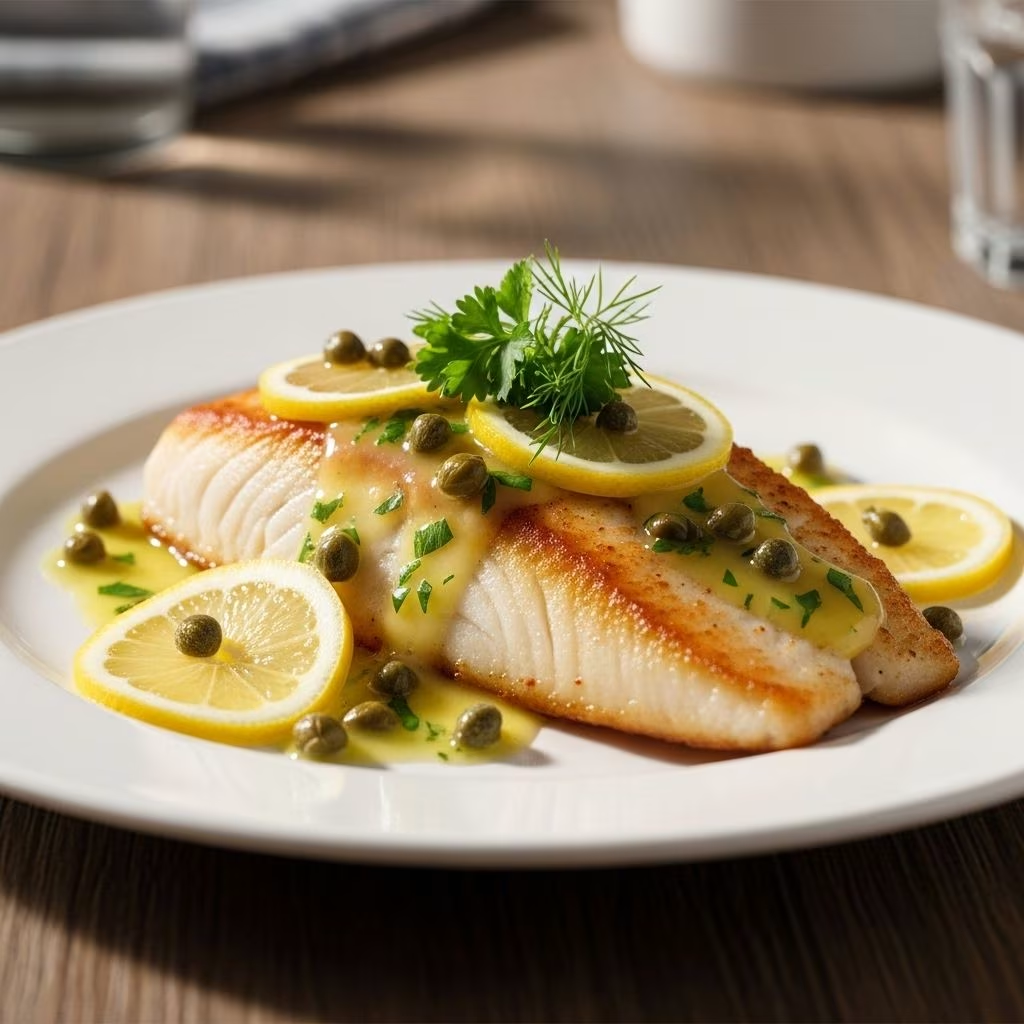
Fish piccata is a dazzling Italian-inspired dish that combines crispy, pan-fried fish fillets with a zesty lemon-butter-caper sauce. It’s fast enough for a weeknight and elegant enough for special occasions, yielding tender fish cloaked in a bright, silky sauce. This guide explores everything you need to know—from ingredient selection and technique to serving suggestions and expert tips.
Why Choose Fish Piccata?
- Speed: The dish comes together in under 30 minutes.
- Burst of Flavor: A harmonious balance of tangy, buttery, and briny notes from lemon, capers, and wine.
- Versatility: Works with various white fish fillets.
- Minimal Prep: Simple dredging and frying yield restaurant-quality results.
The Anatomy of Fish Piccata
At its core, piccata refers to proteins—usually veal, chicken, or fish—dredged in flour, pan-seared, then finished in a quick acid-forward sauce with lemon and capers. Fish piccata stands out for its delicate texture and vibrant sauce.
Key Ingredients
| Ingredient | Role in Dish |
|---|---|
| Fish Fillets | Base—thin, mild, quick-cooking fillets like sole, trout, or tilapia |
| Flour | Creates a light crust, helps sauce adhere |
| Butter & Olive Oil | Used for sautéing and enriching the sauce |
| Lemon Juice | Primary acidic element for brightness |
| Capers | Briny punch and texture |
| White Wine or Broth | Sauce body and aroma |
| Parsley | Fresh garnish, color |
Fish Selection and Preparation
- Best Choices: Thin, white-fleshed fish such as trout, sole, tilapia, or flounder. Look for fillets about 1/4 to 1/2 inch thick for quick and even cooking.
- Preparation: Pat fillets dry and season well with kosher salt and black pepper for flavor and crust formation.
Step-by-Step: How to Make Fish Piccata
Ingredients List
- 1 pound thin white fish fillets (e.g., trout, sole, tilapia)
- Kosher salt and black pepper
- 1 teaspoon dried oregano
- 1 teaspoon paprika
- 3/4 teaspoon garlic powder
- 1/4 cup all-purpose (or gluten-free) flour
- 1/3 cup extra-virgin olive oil
- 3 tablespoons unsalted butter, divided
- 2 lemons, juiced
- 1/2 cup dry white wine or chicken broth
- 4 tablespoons capers, rinsed
- Fresh chopped parsley for garnish
Instructions
- Season the Fish: Sprinkle fillets with salt and black pepper. Mix oregano, paprika, and garlic powder, then rub onto the flesh side.
- Dredge in Flour: Lightly coat fish on both sides with flour, shaking off excess for an even, thin crust.
- Pan-Fry Fillets: In a large skillet, heat olive oil and 2 tablespoons butter over medium-high. Sear fillets 2–3 minutes per side until golden, firm, and flaky—avoid overcooking. Transfer to paper-towel-lined plate.
- Prepare Piccata Sauce: Reduce heat. Add remaining butter, lemon juice, wine (or broth), and capers to the pan. Simmer briefly until slightly reduced and emulsified.
- Finish Fish in Sauce: Return fillets to pan, spoon sauce over, and let fish warm through for just a few seconds. (Avoid overcooking here too.)
- Garnish: Sprinkle with chopped parsley, add red pepper flakes if desired, and extra lemon slices for presentation. Serve immediately.
Timing and Tips
- Total Time: About 20 minutes from start to finish.
- Don’t crowd the pan: Cook fish in batches if needed to ensure crispness.
- Reduce sauce gently: For maximum silkiness, reduce without boiling vigorously.
- Balance flavors: Taste sauce before finishing—add more lemon or capers to preference.
Recipe Variations
- Alternative fish: Halibut, grouper, and snapper work well; adjust cooking time for thicker fillets.
- Gluten-free option: Use gluten-free flour or cornmeal to dredge.
- Butter vs. Olive Oil: Some cooks favor mostly olive oil for a lighter piccata, others use more butter for richness. Try both to suit your taste.
- Booze & Broth: Dry white wine or low-sodium chicken broth lend subtle complexity. Vermouth provides nice aromatics if using.
- Extra aromatics: Add fresh thyme or tarragon to the sauce for a twist.
Chef’s Secrets for Piccata Success
- Thickness matters: For fish piccata, thinner fillets work best so the exterior crisps while the inside stays tender.
- Proper dredging: Shake off excess flour to avoid gumming the crust; evenly coat all sides.
- Salt before dredging: Salt early so fish absorbs flavor and moisture.
- Searing: High but not smoking heat browns fish quickly. Don’t flip fillets prematurely to prevent sticking.
- Deglazing: Pour lemon juice or wine into hot pan right after frying—scrape up browned bits for extra flavor in the sauce.
- Capers timing: Add capers after deglazing and reduction to maintain their snap and briny flavor.
Serving and Pairing Ideas
- Classic sides: Serve fish piccata atop lemon rice, couscous, polenta, or pasta—the sauce is perfect for drizzling over grains.
- Salad pairing: Simple mixed greens, arugula, or a fennel salad adds fresh contrast.
- Vegetable sides: Sautéed asparagus, roasted potatoes, or green beans complement the sauce.
- Wine pairing: Try a crisp Pinot Grigio, Sauvignon Blanc, or unoaked Chardonnay.
Nutritional Profile
Fish piccata is naturally light and nutrient-rich. Using olive oil and lean fish keeps fat content moderate while boosting heart-healthy omega-3s. For an even lighter version, use minimal butter or substitute with ghee.
Frequently Asked Questions (FAQs)
What fish is best for piccata?
Thin, delicate fillets such as trout, sole, tilapia, or flounder are traditional for fish piccata. They cook quickly and pair beautifully with the tangy sauce.
Can I make this dish gluten-free?
Absolutely. Substitute gluten-free flour or fine cornmeal for dredging the fillets. The texture will remain crisp and tender.
Is wine essential to the sauce?
No—while dry white wine adds subtle flavor and aroma, chicken broth or even plain water can be used for a non-alcoholic option.
How do I avoid soggy fish?
Make sure your pan is hot before adding fish, and don’t overcrowd. Cook in batches if necessary, and let fish drain briefly on paper towels after frying.
Can I prepare fish piccata ahead?
It’s best served immediately, but you can keep fish warm in a low oven for 10-15 minutes. The sauce can be made ahead and rewarmed gently before serving.
Tips for Perfect Piccata, Every Time
- Use fresh lemons: Bottled juice can’t compare to the vibrant acidity of fresh citrus.
- Don’t over-reduce sauce: Simmer only until slightly thickened to preserve brightness and avoid over-concentration.
- Finish with herbs: Fresh parsley or chives provide an aromatic lift and color.
- Customize heat: A pinch of red pepper flakes adds gentle warmth, but is optional.
- Serve immediately: Fish piccata is best enjoyed hot, with the sauce silky and the fish tender.
Fish Piccata vs. Chicken Piccata
| Aspect | Fish Piccata | Chicken Piccata |
|---|---|---|
| Main Protein | Thin white fish fillets | Pounded chicken breast cutlets |
| Texture | Flaky, delicate, light crust | Juicy, slightly firmer |
| Cooking Time | 2–3 min per side | 3–4 min per side |
| Flavor Pairing | Lemon-caper sauce, often lighter | Lemon-caper sauce, sometimes richer |
Troubleshooting Common Issues
- Fish sticking to pan: Ensure oil is hot and fillets not too wet before dredging.
- Dry or tough fish: Do not overcook; fish should flake easily but be moist.
- Sauce separating: Whisk steadily after adding butter; avoid adding cold butter to very hot pan.
- Too sour/acidic: Balance lemon juice with a touch of broth or extra butter if needed.
The Origins and Cultural Appeal of Piccata
Piccata is a classic Italian dish, originally made with veal or chicken, then eventually adapted to fish for a lighter alternative. The name refers to foods “pounded flat,” and the technique ensures even, fast cooking and a bright, tangy finish. Served across Italy and America, its enduring popularity comes from minimal ingredients delivering maximum flavor.
Storage and Reheating
- Storing leftovers: Refrigerate up to 2 days in airtight container.
- Reheating: Gently warm fillets and sauce in a covered pan over low heat, adding a splash of broth if needed.
- Do not freeze: Fish texture suffers after freezing.
More FAQs
Can I use bottled lemon juice?
It’s not recommended; fresh lemon juice is crucial for vibrant flavor and aromatics in the sauce.
What can I substitute for capers?
Chopped green olives or a small amount of minced pickled pepper can provide similar briny notes if capers are unavailable.
How do I keep the sauce from breaking?
Emulsify gradually—add cold butter to the hot pan in small pieces, whisking constantly, and avoid boiling after butter is added.
How can I make the dish dairy-free?
Use all olive oil in place of butter, or try plant-based butter alternatives. The sauce will remain glossy and flavorful.
What pasta works best with fish piccata?
Simple noodles or orzo that soak up the sauce without overpowering the delicate fish—think angel hair or linguine lightly tossed in olive oil.
Conclusion: An Elegant, Nourishing Classic
With crisp fish, a brilliant lemon-caper sauce, and minimal fuss, fish piccata is a staple for anyone seeking a 30-minute meal that feels special. Once mastered, this technique can be adapted to other proteins and customize with your favorite herbs, wines, or sides. Fish piccata proves that simplicity—paired with a few well-chosen ingredients—delivers the best home-cooked results.