New Jersey Crumb Buns: The Legendary Northeast Coffee Cake
There’s a reason why New Jersey crumb buns have become a staple of tri-state bakery cases and nostalgic Sunday mornings. Known for their impossibly thick, tender crumb topping atop a delicate yeasted cake, these buns are the stuff of sweet-toothed legend. In this comprehensive guide, we’ll explore the recipe’s history, key techniques, and the kitchen science behind creating the best crumb buns at home—topped with more crumbs than cake, the way Garden State natives demand it.
What Are New Jersey Crumb Buns?
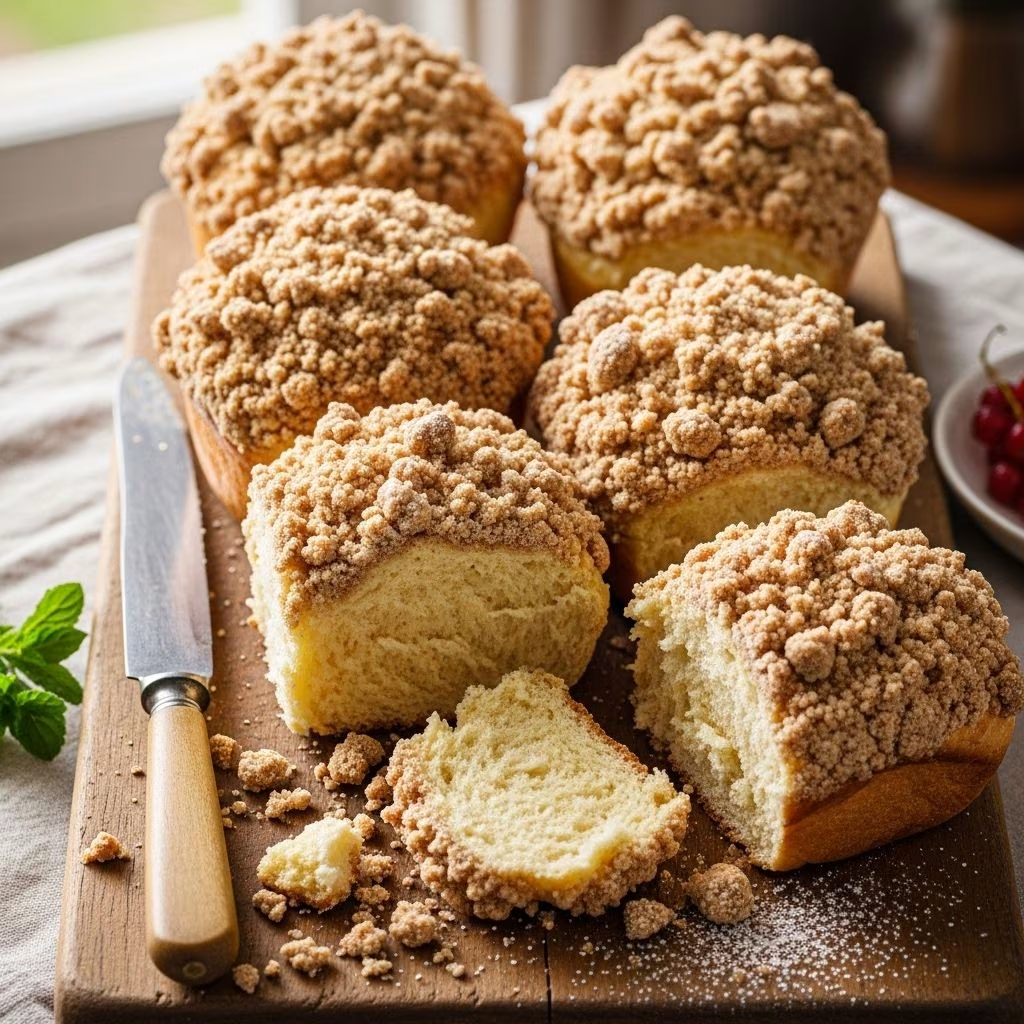
Crumb buns are a regional take on the classic crumb cake, but they feature a much higher ratio of cinnamon-strewn, buttery streusel topping than most other versions. Structurally, they consist of:
- A thin, soft, yeasted base: Not too sweet, slightly chewy, often made with all-purpose flour and enriched with butter and milk.
- An ultra-thick crumb topping: A generous layer of pillowy, cinnamon-scented crumbs, as thick or thicker than the cake itself, made from a blend of brown and white sugar, melted butter, cake flour, and warming spices.
Once baked, crumb buns are finished with a heavy snowfall of confectioners’ sugar. The result? A treat that’s decadent but balanced, with textural contrast in every bite.
Why Are Crumb Buns So Popular in New Jersey?
Crumb buns have long been associated with New Jersey’s German-American bakeries. Throughout the 20th century, bakeries across North Jersey—particularly in Bergen, Hudson, and Essex counties—became famous for their signature version of crumb buns. Locals crave an ideal crumb-to-cake ratio: the taller, softer, and more plentiful the crumbs, the better.
As anyone who’s tried to find a real Jersey-style crumb bun outside its home turf knows, bakery crumb buns stand in stark contrast to lighter, drier streusel coffee cakes elsewhere. Fans expect the topping to almost “melt” into the soft, rich cake below, and they want big, uneven pieces—not a sand-like crumble.
Ingredients: The Science of Soft Layers and Pillow-Soft Crumbs
Getting the perfect crumb bun texture hinges on two distinct mixtures: a yeasted cake and a crumb topping made with a high butter-to-flour ratio. Here’s how it breaks down:
| Component | Key Ingredients | Purpose |
|---|---|---|
| Yeasted Cake | All-purpose flour, whole milk, active dry yeast, granulated sugar, butter, egg, salt | Acts as a tender, gently sweet platform for the crumbs |
| Crumb Topping | Unsalted butter, granulated sugar, brown sugar, cake flour, cinnamon, salt | Creates the signature thick, soft, buttery crumb layer |
| Finish | Confectioners’ sugar | Adds sweetness; enhances visual appeal |
Cake Layer Tips
- All-purpose flour: Yields a chewy, moist base without being overly dense.
- Whole milk: Adds fat for tenderness; helps activate yeast.
- Egg and butter: Enrich the dough, resulting in a more flavorful, tender bite.
Crumb Layer Secrets
- Cake flour: Lower protein means tender, melt-in-mouth crumbs, never tough.
- Brown and white sugar mix: Balances structure (from granulated) and moisture/flavor (from brown).
- Plenty of melted butter: Makes the crumbs luscious, cohesive, and rich.
- Cinnamon and salt: Essential for depth and to amplify flavor.
Step-by-Step: How to Make New Jersey Crumb Buns
The process involves three main stages: mixing the yeasted base, creating the crumb topping, and careful assembly to ensure that classic crumb-to-cake ratio. Here’s a streamlined method, optimized for home bakers:
1. Mixing and Proofing the Cake Base
- Warm about 1/4 cup milk to 100-105°F. Dissolve in 1 teaspoon sugar and 2 ¼ teaspoons active dry yeast. Let sit until foamy (5–10 minutes); this ensures yeast activity.
- In a stand mixer bowl, combine 2 1/4 cups all-purpose flour, the remaining milk, granulated sugar, egg, salt, and yeast mixture. Mix with a dough hook until the dough forms (2 minutes).
- With the mixer running, add 6 tablespoons (softened) butter one piece at a time, waiting until each piece is almost incorporated. Continue kneading on medium-high speed until the dough forms a ball (about 6–7 minutes); it should be soft and a bit sticky.
- Transfer dough to a generously buttered 9×13-inch baking dish. Using floured fingers, press it evenly out to the edges. Cover with plastic wrap and let rise until slightly puffy, about 1 hour at room temperature.
2. Making the All-Important Crumb Topping
- In a medium bowl, whisk together 3/4 cup granulated sugar, 3/4 cup packed brown sugar, 1 1/2 teaspoons ground cinnamon, and 1/2 teaspoon salt.
- Melt 18 tablespoons (2 1/4 sticks) unsalted butter and pour over the sugar-spice mixture. Stir until combined.
- Fold in 4 cups cake flour and mix until a thick, cohesive dough forms. Cover with plastic wrap and let rest until assembly; this lets the flour hydrate and results in soft, clumpy crumbs.
3. Assembly & Baking
- Once the dough base has puffed, break off ½- to 1-inch chunks of crumb dough. Scatter them generously and evenly all over the top—the layer should look excessive. That’s the hallmark!
- Bake in a preheated 350°F oven for 35–40 minutes, until crumbs are golden and a toothpick inserted in the center comes out clean. The internal temp should be around 215°F.
- Let the cake cool completely in the pan for best crumb structure. Dust generously with confectioners’ sugar before serving.
Expert Tips for Bakery-Quality Crumb Buns
- Don’t skimp on the crumb: You need a thick slab of topping to mimic classic Jersey bakery buns. If you’re skeptical about the amount of crumb, remember: more is better!
- Use the right flours: All-purpose in the cake yields chew; cake flour in the crumb prevents toughness.
- Melted butter matters: For soft, clustered crumbs that aren’t greasy, get the butter amount just right—too much and crumbs melt, too little and they’re hard.
- Room temperature dough rise: A warm, draft-free spot results in a well-puffed, light base.
- Cool before slicing: Cutting too soon leads to gummy cake and shattered crumbs. Wait for it to settle and set!
Troubleshooting & Common Mistakes
Baking crumb buns at home can present a few challenges, even for experienced bakers. Here’s how to avoid the most common pitfalls:
- Cake layer too dense? Ensure fresh yeast, proper kneading, and full rise time.
- Crumbs melting into cake? Check your crumb-to-cake ratio and don’t overbake. Also, let the crumb topping sit for a bit before using to hydrate the flour.
- Crumb topping hard or dry? Double-check butter quantity and use cake flour for tenderness.
- Dry or bland flavor? Use both white and brown sugars and don’t skip the salt and cinnamon.
Variations: Adapting Your Crumb Buns
- Chocolate crumb buns: Mix mini chocolate chips into the crumb layer for a playful twist.
- Coffee-infused crumbs: Add a teaspoon of instant espresso powder to the crumb mixture for a deeper, aromatic accent.
- Fruit layer: Thinly sliced apples or a layer of jam under the crumbs complement the classic recipe.
- Mini crumb buns: Portion into muffin tins for individual servings.
Frequently Asked Questions (FAQs)
Q: Can I make crumb buns ahead of time?
A: Yes! You can mix and shape the dough, cover, and refrigerate overnight. Let it warm to room temperature and rise again before adding crumbs and baking.
Q: How do I store leftover crumb buns?
A: Store tightly wrapped at room temperature for up to three days, or freeze for up to one month. Dust with fresh confectioners’ sugar just before serving for best taste and appearance.
Q: Can the recipe be doubled for a crowd?
A: Absolutely—use two pans and rotate them in the oven halfway through baking for even browning.
Q: Can I use bread flour instead of all-purpose?
A: Bread flour will yield a chewier base; for classic texture, stick with all-purpose flour.
Q: What’s the difference between crumb buns and crumb cake?
A: Crumb buns (as found in New Jersey) have a high ratio of crumb to cake and a yeasted base, while crumb cake is often made with a denser, non-yeasted batter and less crumb.
Serving and Pairing Suggestions
- Serve crumb buns slightly warm with a cup of strong coffee or tea.
- Top with fresh fruit for a brunch centerpiece.
- Offer as a sweet end to a weekend breakfast spread alongside eggs and bacon.
- For dessert, pair with a scoop of vanilla ice cream.
Crumb Buns Recipe At-A-Glance
- Prep time: 30 minutes (plus 1 hour rise)
- Bake time: 35–40 minutes
- Serves: 12
- Skill level: Intermediate
Final Thoughts: Bringing a Bakery Classic to Your Kitchen
Perfecting New Jersey crumb buns at home requires attention to technique and an unapologetic love of crumb topping. Celebrate the Garden State’s finest breakfast treat by making these golden, sugar-dusted squares for your own nostalgic mornings. With the right ingredients, a sturdy mixer, and the recipes above, anyone can bake bakery-quality buns worthy of a Paterson pastry counter.
May your crumbs be thick, your cake perfectly soft, and your powdered sugar ever plentiful!