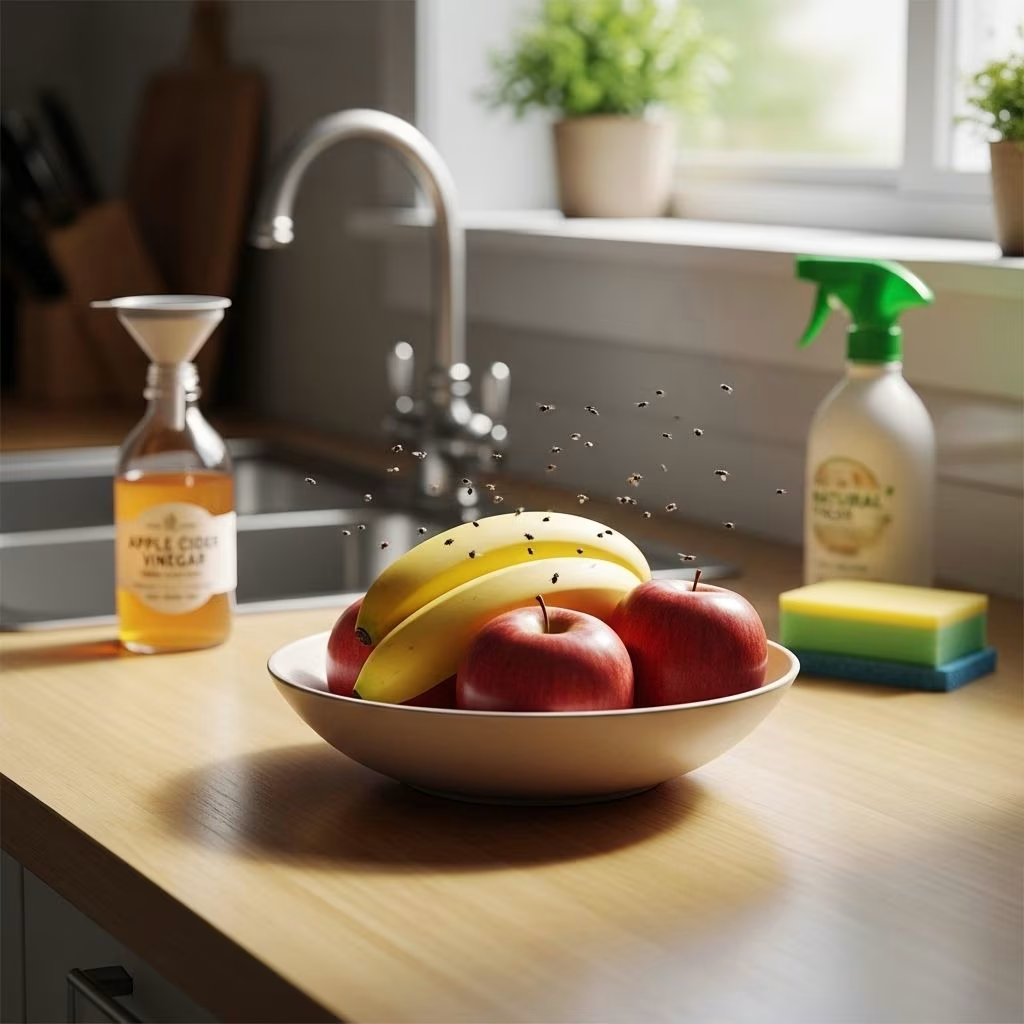
How to Eliminate Fruit Flies: Effective Solutions & Prevention Strategies
Fruit flies are among the most persistent and annoying household pests, gathering around ripe produce, drains, and trash cans. Their rapid reproduction, attraction to organic matter, and ability to thrive in kitchens make them a common challenge. This in-depth guide reveals the science-backed, practical steps to control, eliminate, and prevent fruit flies, ensuring your kitchen remains clean and fly-free.
What Are Fruit Flies?
Fruit flies (Drosophila melanogaster) are minuscule flying insects that breed rapidly and are attracted to the sugars and fermented materials found in ripe fruits and vegetables. Their lifecycle—from egg to adult—can complete in just a week under optimal conditions, causing infestations to multiply quickly.
Key Features
- Adults are 1/8 inch long, tan or light brown, with red eyes.
- Drawn to organic material: especially ripe, rotting, or decaying fruit and vegetables.
- Reproduce extremely fast—one female can lay hundreds of eggs.
Signs & Causes of Fruit Fly Infestation
Fruit flies invade kitchens due to the abundance of food (ripening fruit, vegetables, spills) and moist environments where they can lay eggs. Signs of an infestation include:
- Small flies hovering over fruit bowls, trash cans, and sinks.
- Larvae or tiny maggots seen on produce or around moist areas.
- Persistent fly presence despite removing visible food sources.
Why Fruit Flies Invade Kitchens
Fruit flies enter homes through open windows and doors, riding in on produce, or simply attracted by the aroma of fermentation and food waste. Kitchens provide ideal conditions: warmth, food, and moisture. Major attractants include:
- Overripe or damaged fruits and vegetables left on counters.
- Spilled juices, alcohol, wine, and sticky residues.
- Uncovered trash bins containing produce scraps or peels.
- Drains and garbage disposals with stuck organic matter.
The Fruit Fly Lifecycle: Why It’s Hard to Eliminate
Fruit flies reproduce rapidly. Females lay eggs in fermenting material or moist crevices. The larvae feed, mature, and emerge as adults within days. Key points:
- The lifecycle from egg to adult is 5–10 days under warm conditions.
- Each adult fly can lay hundreds of eggs, often in hidden spots like drains or trash bins.
- Simply killing adult flies often leaves eggs and larvae behind, leading to new outbreaks in a week.
Immediate Steps to Get Rid of Fruit Flies
The most effective strategy is a multipronged approach: trap adults, eliminate eggs/larvae, deep clean breeding areas, and prevent new arrivals.
- Identify all sources: Check all produce, garbage bins, drains, recycling, and compost.
- Remove and discard overripe, damaged, or decaying fruits and vegetables immediately.
- Take out the trash and compost daily during an infestation.
- Clean all food prep areas and containers thoroughly.
DIY Fruit Fly Traps and Their Effectiveness
Fruit fly traps can help catch adult flies, reducing visible numbers. However, traps should be used alongside cleaning and source removal for real results.
Popular DIY Trap Methods
- Vinegar Trap: Fill a bowl or jar with apple cider vinegar, a splash of water, a pinch of sugar, and a few drops of dish soap. Set out uncovered or cover with plastic wrap punched with small holes to allow flies in.
- Wine Trap: Pour leftover red wine and dish soap in a small dish. Fruit flies are attracted to the smell and will fall in and drown.
- Fruit Jar Trap: Place overripe fruit in a jar, cover with plastic wrap, and poke small holes in the top. Flies enter and get stuck.
How Traps Work
- Attract and trap adult flies, which drown due to soap breaking surface tension.
- Reduce adult population, but do not interrupt the reproduction cycle.
- Can help keep numbers down while other cleaning steps are taken.
Limitations
- Killing adults does not address eggs or larvae hidden in drains and bins.
- Full elimination usually requires deep cleaning of breeding sites.
Cleaning & Deep Sanitation Strategies
Deep cleaning targets eggs and larvae in breeding grounds.
- Scrub drains and garbage disposals thoroughly using drain brushes and cleaning solutions.
- Clean recycling bins, compost containers, and trash cans with soap and water.
- Wipe all countertops, sink edges, and splatter-prone surfaces, focusing on sugary spills.
- Sanitize food storage containers and fridge shelves.
- Check under appliances and inside cracks for hidden organic matter.
Long-Term Prevention Methods
Preventing future fruit fly infestations means cutting off access to food and breeding sites. These best practices keep your kitchen fly-free long term:
- Store produce correctly: Refrigerate fruit and vegetables that can be kept cold. Store all produce in sealed containers or bags, especially in summer.
- Wash produce immediately: Wash fruits and vegetables as soon as you bring them home to remove any surface eggs.
- Cover trash bins: Always use a trash can with a tightly fitting lid. Line bins and remove trash daily.
- Clean drains regularly: Pour boiling water down drains weekly, or scrub to clear organic buildup.
- Wipe up spills: Promptly clean up juice, alcohol, and sugary spills.
- Ventilate and dry: Minimize standing water or moist areas in the kitchen.
- Inspect for sources: If flies persist, check windowsills, under appliances, and less-used storage spaces.
How to Treat Drains & Hidden Breeding Areas
Kitchens and bathrooms with slow drains or organic buildup are prime sites for fruit fly and drain fly breeding. Regular treatment is essential.
- Flush drains thoroughly with boiling water to kill larvae.
- Clean with a stiff drain brush and enzyme-based cleaner for best results.
- For severe infestations, consider a ready-to-use drain fly controller, applied as directed by wearing PPE (goggles, gloves), shaking bottle, setting sprayer to mist, and spraying liberally.
- Do not spray chemical products on food-prep surfaces; focus on drains, edges, and bins.
Table: Fruit Fly Control Methods & Pros/Cons
| Method | Pros | Cons |
|---|---|---|
| DIY Vinegar Trap | Easy, affordable, catches adults | Does not address larvae/eggs |
| Deep Cleaning | Kills hidden eggs/larvae, prevents recurrence | Time-consuming, requires diligence |
| Produce Storage | Prevents new infestations | May not solve current infestation |
| Drain Treatment | Targets main breeding ground | Requires specific cleaners/brushes |
| Commercial Fly Controller | Kills larvae, interrupts lifecycle | Must use with PPE, avoid food-prep areas |
Frequently Asked Questions (FAQs)
Q: Why do fruit flies keep coming back even after killing the adults?
A: Fruit flies reproduce rapidly and lay eggs in hidden spots. Killing adults only solves part of the problem; eggs and larvae in drains, bins, or under appliances will hatch and create new adults in days. Thorough cleaning and removing breeding grounds is crucial.
Q: Can fruit flies spread disease?
A: While not known for spreading serious illness, fruit flies can transfer bacteria or pathogens from decaying material to food surfaces. Good sanitation is important to reduce risk.
Q: Do fruit fly traps work as a permanent solution?
A: No, traps primarily catch adults but do not eliminate eggs or larvae. Combining traps with source removal and deep cleaning is much more effective.
Q: Should I use pesticides or chemical sprays?
A: Household chemical sprays or commercial fruit fly controllers can help, especially for treating drains or bins, but always follow safety instructions. Do not use chemical products on food prep surfaces. Wearing PPE such as gloves and goggles is recommended.
Q: How do I prevent fruit flies in the future?
A: Practice rigorous kitchen hygiene: promptly discard overripe produce, wash fruits and vegetables, use sealed containers, clean drains weekly, and remove trash daily.
Final Tips for a Fruit Fly-Free Kitchen
- Inspect every corner of your kitchen during an infestation to locate all possible breeding sites.
- Routine cleaning, smart storage, and prompt disposal of organic waste break the fly lifecycle.
- Address areas such as under refrigerators, behind appliances, and inside cabinets regularly.
By understanding how fruit flies breed, what attracts them, and employing thorough elimination and prevention techniques, you can reclaim your kitchen from these persistent pests and maintain a hygienic, welcoming space for food preparation and family gatherings.