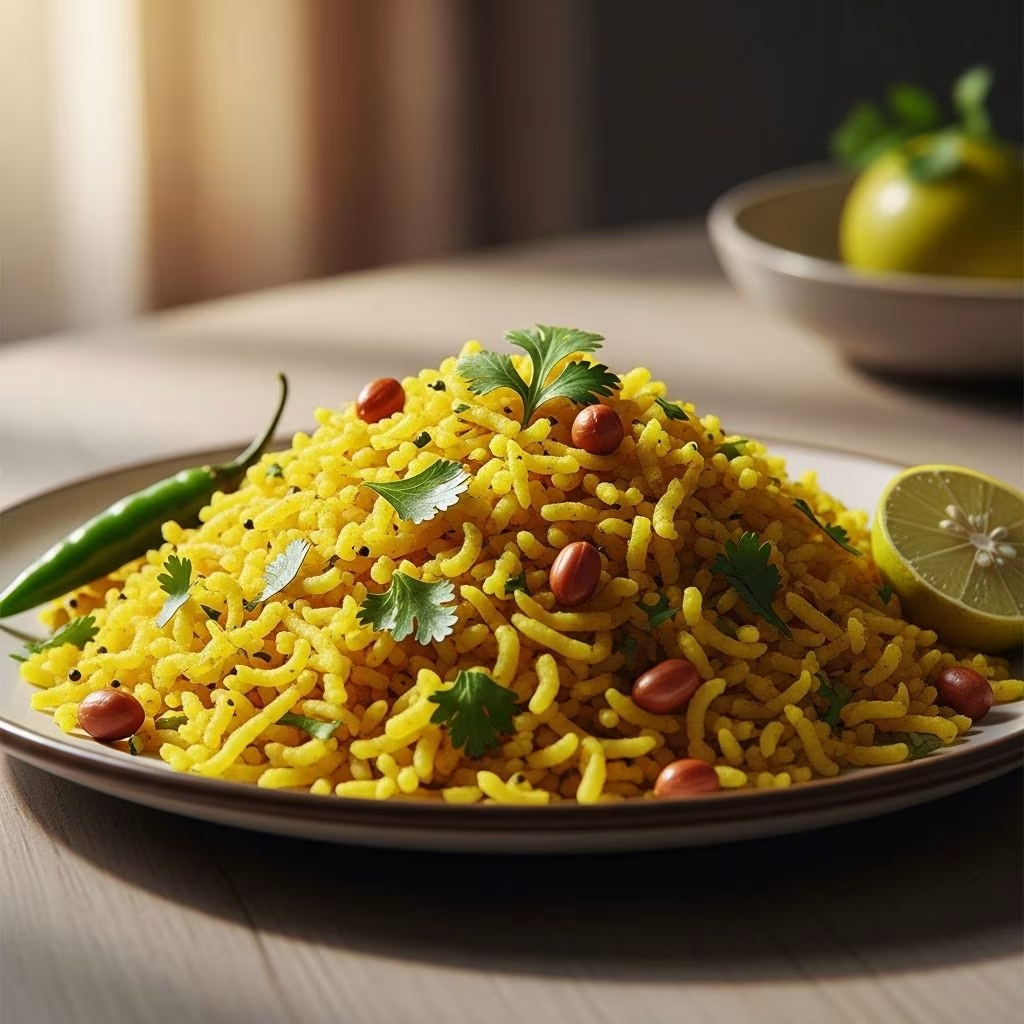
Pohe, also known as poha, is a celebrated breakfast staple from India that artfully blends flattened rice with spices, herbs, vegetables, and crunchy peanuts, resulting in a dish that is both satisfying and invigorating. Cherished across the subcontinent—with distinct regional adaptations—pohe is beloved for its delicate textures, vibrant color, and perfectly balanced flavors of savory, tangy, and slightly sweet notes.
What Is Pohe?
Pohe refers both to the flattened rice flakes used as the base ingredient and to the final cooked dish itself. The rice flakes—also called beaten rice—are produced by parboiling rice, flattening it under rollers, and then drying it, making them remarkably quick to cook and easy to flavor. The dish is most commonly enjoyed for breakfast in western and central India, particularly in Maharashtra and Madhya Pradesh, but is equally popular as a snack or light meal throughout the country.
Pohe is praised for its quick preparation, nutritional value, and the simple, unadorned ingredients that together create an experience greater than the sum of its parts.
Why Pohe Is a Beloved Indian Breakfast
- Quick to make: Most versions come together in under 20 minutes, requiring minimal prep and cooking.
- Nutrition: Flattened rice provides easily digestible carbohydrates, while the addition of peanuts, fresh vegetables, and herbs supplies protein, healthy fats, and micronutrients.
- Flexibility: Pohe is endlessly customizable—add potatoes, vegetables, or even coconut, depending on personal or regional preferences.
- Flavor and texture: The unique preparation results in tender, fluffy grains of rice punctuated by crisp peanuts, sweet onions, zesty lime, and fresh cilantro, all lightly coated in earthy spices and turmeric.
Origins and Regional Variations
The roots of pohe trace back to Maharashtra—a state on India’s western coast—where it is called kanda pohe (with onions) or batata pohe (with potatoes). However, pohe also enjoys fame across Madhya Pradesh (especially in the city of Indore), Gujarat, and northern India, with each region lending its own distinct twist:
- Kanda Pohe: Maharashtrian classic—features onions, green chilies, and peanuts; sometimes includes potatoes.
- Indori Poha: Famous in central India, garnished with crunchy sev, pomegranate seeds, fresh coriander, and served with a side of jalebi (sweet syrup-soaked fritters).
- Dadpe Pohe: A no-cook version from Maharashtra, mixed with fresh coconut, onions, coriander, lemon juice, and doused with sizzling mustard- and curry-leaf infused oil.
- Gujarati Poha: Often sweeter, with added sugar and sometimes freshly grated coconut.
Key Ingredients
| Ingredient | Purpose |
|---|---|
| Flattened rice (poha) | The base; use medium or thick flakes for better texture. |
| Onion | Adds sweetness, crunch, and savory depth. |
| Potato (optional) | Provides creamy, gentle richness (commonly used in western India). |
| Green chilies | Contribute gentle heat and fragrance. |
| Curry leaves | Impart a distinctive herbal aroma and flavor. |
| Peanuts | Offer the essential crunchy contrast and nutty richness. |
| Mustard seeds & cumin seeds | Key elements of the tempering, adding earthy depth. |
| Turmeric | Gives the dish its signature golden hue. |
| Lemon juice | Balances flavors with acidic brightness. |
| Salt, sugar, and cilantro | Fine-tune seasoning and add fresh, herbal notes. |
Preparation Techniques: Secrets to Perfect Pohe
The magic of pohe lies in mastering a gentle cooking process that keeps the rice flakes tender and prevents them from turning mushy or dry. Here is an overview of the key steps and tips for success:
- Rinse and Drain the Pohe
Place the flattened rice in a colander, rinse under running water for about 10–15 seconds, and toss gently with your fingers. Allow to drain thoroughly. For softer pohe, soak briefly (no more than 2–4 minutes) then drain. Excess soaking makes the grains mushy.Tip: If using thin poha flakes, avoid soaking completely—just a quick rinse is enough. Medium-thick varieties may require a very brief soak before draining.
- Prepare the Tempering (Tadka)
In a heavy-bottomed pan, heat oil and crackle mustard seeds and cumin seeds. Add peanuts (if using raw) and fry to golden brown. Toss in curry leaves, green chilies, and potatoes, if using. Sauté until onions are soft and potatoes are just cooked. - Spice and Combine
Sprinkle in turmeric and toss everything together for an even coat of color and flavor. - Add Pohe and Final Touches
Add the rinsed, drained pohe to the pan. Gently mix with a spatula or fork to coat with the spiced oil mixture. Cook on low heat until everything is well mixed and the pohe is warmed through. - Finish with Acidity and Herbs
Sprinkle with salt, sugar (optional), lemon juice, and plenty of chopped fresh cilantro. Toss once more and serve hot.
Essential Tips for Fluffy, Flavorful Pohe
- Never over-soak: Over-soaking flattened rice can result in a sticky, mushy texture. Rinse until just softened but still holding shape.
- Balance flavors: Taste before serving and adjust salt, sugar, and lemon juice for perfect harmony; the mix should be savory, a touch sweet, tangy, and never bland.
- Crisp peanuts: Roasting the peanuts in oil just before adding to the dish delivers maximum crunch and flavor.
- Garnish generously: Top with extra sev (fried chickpea noodles), cucumber, onions, or even grated coconut, depending on regional style.
- Eat fresh: Pohe is best served hot, right after mixing, to maintain its tender texture and lively flavors.
Popular Pohe Variations Across India
- Batata Pohe: Includes cubes of sautéed potatoes alongside onions. Popular in Maharashtra.
- Dadpe Pohe: A no-cook specialty—flattened rice mixed with coconut, lemon, fresh herbs, and a spicy tempering poured over.
- Kanda Pohe: Classic version featuring plenty of onions (kanda).
- Indori Poha: Heavily garnished with sev and pomegranate. A festive street breakfast in Madhya Pradesh.
- Vegetable Poha: Stir in peas, carrots, or seasonal vegetables.
- Jain Pohe: Skips onions and garlic, focusing on spices, herbs, and gentle vegetables.
How to Serve and Enjoy Pohe
- Hot and fresh: Pohe is usually plated hot, straight from the pan, and eaten with a squeeze of fresh lemon and shower of coriander.
- With chai: A cup of hot, lightly sweetened tea is the traditional drink pairing.
- As a snack or brunch: Makes an excellent light brunch, tea-time snack, or roadside breakfast.
- With yogurt or salad: For a more filling meal, serve with plain yogurt and a side of fresh salad.
- With traditional accompaniments: Garnish with sev, chopped raw onion, grated coconut, or pomegranate seeds for added flavor and color.
Why Pohe Feels Special: Cultural Connections and Memories
In many Indian households, especially in Maharashtra, Sunday mornings are synonymous with bowls of piping hot pohe shared with family. The dish is woven with nostalgia and tradition, from tales of arranged marriage meetups over kanda pohe and chai, to bustling train stations handing out quick, affordable breakfast packets. For some, pohe is the taste of childhood, home, and fond communal gatherings.
Nutritional Benefits of Pohe
- Low in fat: Especially when made with minimal oil.
- Gluten-free: Ideal for those avoiding wheat.
- Balanced Macronutrients: With rice flakes for carbohydrates, nuts for protein and fat, and fresh veggies for fiber and vitamins.
- Digestibility: The flattened rice is light on the stomach and easily digestible, making it ideal for breakfast.
Authentic Pohe Recipe (Step-by-Step)
Ingredients
- 1 ½ cups medium/thick poha (flattened rice)
- 1 medium onion, finely chopped
- 1–2 green chilies, sliced
- 1 small potato, diced (optional)
- ⅓ cup peanuts
- 8–10 curry leaves
- ¾ tsp mustard seeds
- ½ tsp cumin seeds
- ¼ tsp turmeric powder
- 1 ½ tbsp oil (preferably peanut or vegetable oil)
- Salt and sugar to taste
- Juice of ½ a lemon (plus extra wedges to serve)
- 2 tbsp fresh cilantro (coriander), chopped
Instructions
- Rinse the poha in a mesh colander. Quick soak (1–2 min) if flakes are thick; drain and set aside.
- In a pan, heat oil. Fry peanuts on medium until golden brown. Remove and set aside.
- Add mustard seeds and cumin seeds. Allow to splutter. Add curry leaves and green chilies.
- Add diced potatoes (if using) and sauté until tender. Add onions and sauté until soft and translucent.
- Sprinkle in turmeric, mix well.
- Add the poha, salt, and sugar (if using). Gently toss everything together and cook for 2–3 minutes on low heat.
- Switch off heat. Add lemon juice and fresh coriander leaves. Mix lightly.
- Top with crispy peanuts and more garnish as desired. Serve hot with extra lemon wedges.
Frequently Asked Questions (FAQs)
Q: What is the difference between poha and pohe?
A: ‘Poha’ refers to the flattened rice as an ingredient, while ‘pohe’ is the plural in Marathi and usually refers to the prepared dish.
Q: Can I make pohe ahead of time?
A: Pohe tastes best freshly prepared; over time, it loses its fluffiness. You can prep ingredients in advance, but cook fresh for the best texture.
Q: Is pohe gluten-free?
A: Yes, pohe is naturally gluten-free as it is made from rice. However, ensure no cross-contamination if you are highly sensitive.
Q: Can I add other vegetables?
A: Absolutely. Common additions include peas, carrots, corn, or bell peppers. Just sauté them with the onions until tender before adding poha.
Q: Why does my pohe turn mushy or sticky?
A: Over-soaking the poha or insufficient draining are common causes. Always use a colander to rinse quickly, and avoid soaking unless using thick flakes.
Q: How do I make vegan pohe?
A: Pohe is naturally vegan—just ensure you use oil instead of ghee or butter.
Final Thoughts
Pohe stands as a testament to the power of simple, everyday ingredients when treated with care, balance, and tradition. Whether you’re a steadfast pohe lover or new to Indian breakfasts, savoring this dish is more than just nourishment—it is a celebration of culture, family rituals, and the joy in humble beginnings.
References
- https://www.indianhealthyrecipes.com/poha-recipe-kanda-batata-poha/
- https://bittersweetblog.com/2023/08/11/flattened-rice-poha/
- https://www.beryl.nyc/index.php/2023/05/31/poha/
- https://ministryofcurry.com/poha/
- https://www.veggiebelly.com/2013/02/quick-poha-recipe.html
- https://veggiecurean.com/curried-flattened-rice-pooha-easy/
- https://www.youtube.com/watch?v=-MUXuB1ul4g