Pickled Watermelon Rind: A Culinary Journey from Waste to Wonder
Watermelon is synonymous with summer, but the juicy, sweet pink flesh is just the beginning of what this refreshing fruit has to offer. Pickling watermelon rind—the often discarded white section between the flesh and outer skin—is an inventive and historical way to extend the joy of watermelon into savory territory, transforming kitchen scraps into a tangy, versatile delicacy. This guide explores the rich history, practical techniques, careful ingredient choices, and inventive serving suggestions that make pickled watermelon rind the star of summer preserves.
Why Pickle Watermelon Rind?
Most people toss the rind after slicing a watermelon, but this underrate part offers immense potential:
- Reduces food waste: Nearly the entire watermelon is edible with proper prep.
- Unique texture: The rind remains crisp and crunchy even after pickling.
- Flavor versatility: Absorbs brines and spices easily, yielding a tangy, aromatic result.
- Historical roots: Pickled watermelon rind has been a Southern staple for generations.
- Creative uses: Serves as a relish, condiment, snack, or component in salads and sandwiches.
Understanding the Watermelon Rind
The rind refers to the white layer sandwiched between watermelon’s green exterior and its sweet red fruit. It’s firmer, less flavorful on its own, but ideal for pickling because it holds its shape and absorbs brine beautifully. The pickling process tenderizes the rind and transforms its blandness with bold, complex flavors.
Choosing the Right Ingredients for Pickling
The brine and spice blend dictates the final flavor profile. Below are common key ingredients:
- Acid: Apple cider vinegar is the classic choice, lending both tang and mild sweetness.
- Sweetener: Granulated sugar adds balance, offsetting the tartness.
- Aromatics: Ginger (fresh or crystallized) provides warmth and bite.
- Salt: Kosher salt ensures even seasoning and crispness.
- Spices: Popular picks include star anise for an aromatic note, juniper berries for juniper’s crispness, black peppercorns for heat, and allspice berries for mellow spice.
- Optional additions: Red pepper flakes add heat, cinnamon or cloves deepen sweetness.
Step-by-Step: How to Prepare Watermelon Rind for Pickling
- Remove the Green Skin: Use a sharp knife or vegetable peeler to cut away the tough outer shell, exposing only the white and perhaps a thin layer of pink.
- Cut into Bite-Sized Pieces: Chop into 1-inch cubes, sticks, or shapes as desired.
- Optional Soak: Some recipes soak the rind in brine or salted water for extra firmness before pickling, but this step can be skipped for a quick recipe.
Essential Equipment for Pickling
- Saucepan: For boiling your brine.
- Canning jars or airtight containers: Mason jars are recommended for aesthetics and airtightness.
- Canning funnel: Makes transferring hot pickles safer and easier.
- Ladle and slotted spoon: For moving rind and brine.
The Pickling Process: Brining & Storing
- Prepare the Brine: Combine vinegar, water, sugar, salt, and spices in a saucepan. Bring to a boil and stir to dissolve.
- Add the Rind: Immediately add chopped rind to boiling brine. Simmer for 1–2 minutes to infuse flavor and slightly tenderize.
- Transfer to Jars: Move rind and brine to sterilized jars using a funnel. Leave a small headspace for expansion.
- Cool and Refrigerate: Allow jars to come to room temperature, then refrigerate overnight. The rind becomes fully pickled after a few hours and peaks after 24–48 hours.
- Storage: Pickled watermelon rind is best eaten within a month; store in the fridge for freshness and food safety.
Recipe: Classic Sweet-and-Spicy Pickled Watermelon Rind
| Ingredient | Amount |
|---|---|
| Watermelon Rind (peeled, cubed) | 2 cups (from a 5-lb watermelon) |
| Apple Cider Vinegar | 1 cup |
| Water | 1/2 cup |
| Sugar | 3/4 cup |
| Kosher Salt | 2 tsp |
| Fresh or Candied Ginger | 2-inch piece (or 1/4 cup, chopped) |
| Black Peppercorns | 1/2 tsp |
| Juniper Berries | 1/2 tsp |
| Star Anise | 1 pod |
| Optional: Red Pepper Flakes, Allspice | 1 tsp each |
- In a saucepan, combine vinegar, water, sugar, salt, ginger, and spices. Bring to a boil, stirring until sugar dissolves.
- Add prepared rind and simmer for 1–2 minutes.
- Transfer rind and liquid into sterilized jars using a canning funnel. Seal and allow to cool to room temp.
- Refrigerate at least 24 hours before serving. Flavor intensifies after a few days.
Tips for Successful Pickling
- Don’t overcook the rind. Simmering briefly keeps it crisp.
- Experiment with spices. Try bay leaf, cinnamon, or even citrus peel for variety.
- Use fresh, ripe watermelon. The rind should be firm and not mushy.
- Label jars with dates to track freshness.
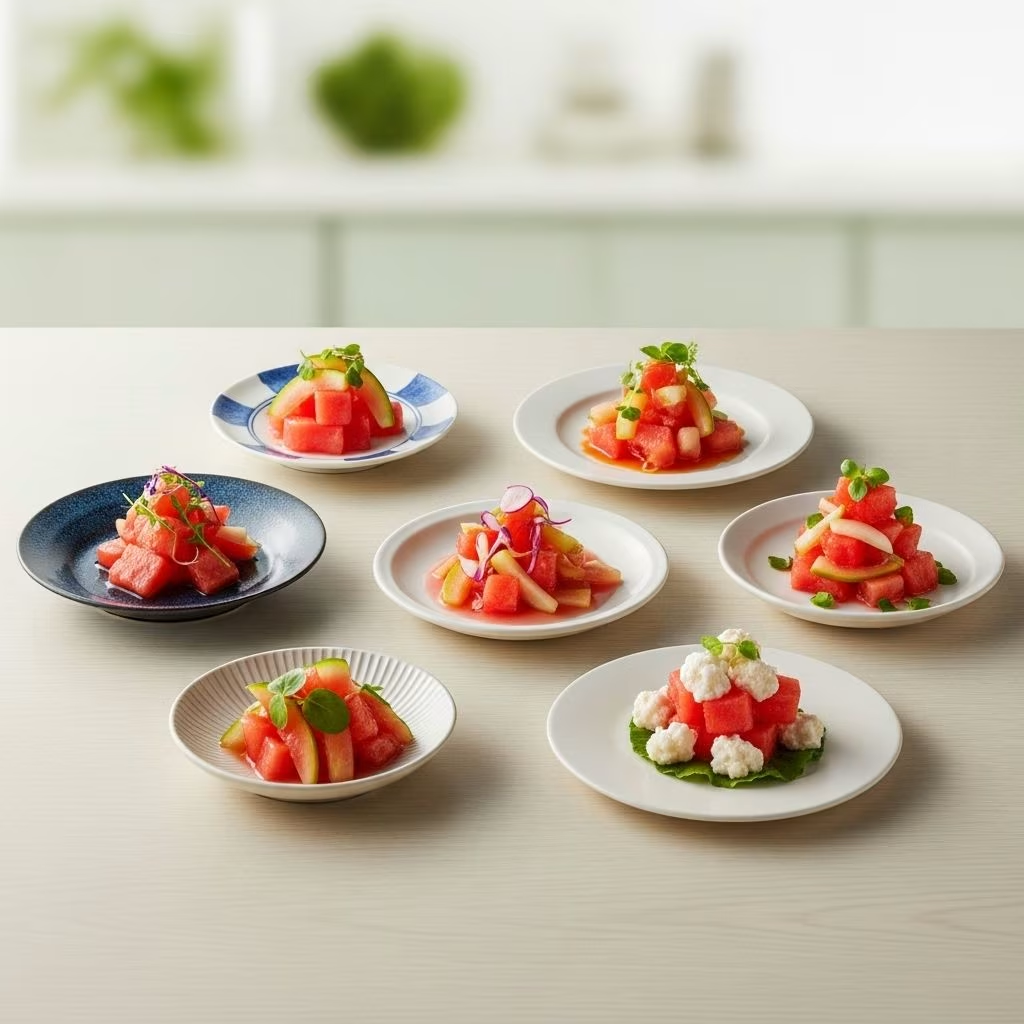
Creative Ways to Serve Pickled Watermelon Rind
Pickled rind offers endless possibilities.
- As a relish: Top burgers, hot dogs, or sandwiches.
- With cheese boards: The sweet and tangy notes pair well with creamy, sharp, or aged cheeses.
- In salads: Toss with greens or grains for a crunchy, bright element.
- With grilled foods: Complement grilled meats, fish, or veggies.
- As a snack: Enjoy straight from the jar, especially chilled.
- Chutney or garnish: Blend or chop with herbs to create fresh condiments.
Nutrition and Sustainability
Watermelon rind is low in calories and a source of dietary fiber. Pickling at home means control over sugar and sodium, creating a healthier condiment than many store-bought alternatives. Additionally, utilizing rinds is an effective way to reduce kitchen waste and appreciate every part of your produce.
Common Questions About Pickled Watermelon Rind
What does pickled watermelon rind taste like?
It’s crisp, mildly sweet, and tart, with notes of ginger and spice; similar in texture to cucumber pickles but with a uniquely aromatic profile.
How long does pickled watermelon rind keep?
Refrigerated, it’s best within 1 month. The flavor develops more in the first few days post-pickling.
Can I use any watermelon?
Yes, any variety works. Seedless often makes prep easier.
Is it necessary to remove every trace of pink flesh?
No. A thin layer of pink will add a touch of sweetness and color without changing texture.
Can I process pickled watermelon rind for shelf-stable storage?
This recipe is designed for refrigerator pickles, not long-term canning. For shelf stability, use sterilized canning techniques and appropriate recipes.
Troubleshooting & Tips: Pickling Problems Solved
- Rind too soft? Simmered too long. Shorten cook time next batch.
- Brine cloudy? Spices may cloud brine—strain for aesthetics if you prefer.
- Rind floats? Weight it down with a small glass or ceramic weight inside the jar.
- Too tart or sweet? Adjust sugar and vinegar ratio in future batches to taste.
Watermelon Rind Pickling Variations
- Spicy Szechuan Style: Add Sichuan peppercorns and chili flakes for a fiery, tongue-numbing bite.
- Citrus Zest: Include strips of lemon or orange peel for added brightness.
- Classic Southern: Use cinnamon stick and cloves for deeper spice.
- Honey or maple syrup: Substitute for part of the sugar for a richer, layered sweetness.
Historical and Cultural Context
Pickled watermelon rind traces its roots to Southern American kitchens, where resourceful cooks turned cast-offs into cherished treats. It appears in 19th-century cookbooks and is a beloved component of Southern soul food, often served at holidays and family gatherings. The recipe’s flexibility reflects the spirit of making the most of seasonal abundance.
From Kitchen Scrap to Culinary Treasure: Final Thoughts
By pickling watermelon rind, you join a tradition of creative, sustainable home cooking. The result is a crunchy, tangy, and aromatic preserve that invites experimentation and ensures that no part of summer’s best fruit goes to waste. Whether eaten alone, alongside cheese, or atop grilled meats, pickled watermelon rind is proof that deliciousness—like sustainability—often comes from thinking beyond convention.
Frequently Asked Questions (FAQs)
Q: How do I prevent my pickled rind from getting mushy?
A: Cut into uniform pieces and simmer briefly (1–2 minutes). Avoid long cooking times and refrigerate promptly.
Q: Is watermelon rind safe to eat?
A: Yes, when properly peeled and prepared. The white-pink part is edible and the pickling process enhances flavor and safety.
Q: Can I reuse the brine?
A: It’s best for a single batch—flavor and safety diminish with reuse. Use leftover brine to pickle other veggies within a week.
Q: How is pickled rind traditionally served?
A: As a condiment on Southern tables—alongside fried chicken, barbecue, or vegetarian dishes. It’s also common on cheese boards and in salads.
Q: What is the minimum wait before eating after pickling?
A: Let cool to room temperature, then refrigerate; flavor peaks after 24 hours but can be enjoyed as soon as chilled.