Scrambled Brains: A Forgotten Classic Reborn
Scrambled brains—a dish at the crossroads of tradition and daring—is a recipe rarely seen on modern tables but steeped in culinary history. Combining rich organ meat with creamy eggs, this specialty highlights nose-to-tail cooking and encourages home chefs to embrace textures and flavors far beyond the ordinary. Whether you’re seeking nutritional excellence, culinary adventure, or a connection to classic European comfort food, scrambled brains present a dish worth rediscovering.
Why Cook Brains with Eggs?
Brains, often lamb, pig, or calf, bring an unctuous, barely-there texture reminiscent of the silkiest custard. Paired with eggs, they form a union that’s both subtle and decadent, underlining the dish’s roots in resourceful cooking traditions. For many, scrambled brains were a staple garnish for breakfast or celebratory brunches. Today, this recipe is more an ode to the lost art of offal cooking, championed by adventurous cooks and those seeking authenticity in classic kitchens.
Ingredients: Balancing Tradition and Flavor
| Core Ingredients | Purpose |
|---|---|
| Brains (from lamb, pig, or veal) | Main ingredient, creamy texture |
| Eggs | Richness, structure, bind everything together |
| Butter | Ensures soft, luxurious scramble and browning |
| Cream | Makes eggs ultra-creamy |
| Herbs (parsley, thyme) | Brightens, adds aroma |
| Green onion | Mild onion flavor and color |
| Salt, pepper, cayenne | Essential seasoning, subtle heat |
| Bacon (optional garnish) | Crunch, smoky contrast |
| Potatoes, greens (optional) | Classic sides for balance |
Step-by-Step: Preparing Scrambled Brains
1. Cleaning and Soaking Brains
Begin by trimming away any dark membranes from the brains using a sharp knife or kitchen shears. To remove blood and impurities, soak the brains in cold water for at least 30 minutes, changing the water as necessary every half hour. This step ensures a neutral, clean flavor and delicate texture.
2. Poaching: Firming up the Brains
- Place brains and aromatics (carrot, parsley, thyme, peppercorns) in a saucepan with enough water to cover.
- Heat the pan on medium until you see a gentle boil, then reduce heat to low and simmer for 10–15 minutes.
- Skim off any foam; when firm, transfer brains to a cutting board or let them cool fully in the broth. Reserve the strained broth for soups or rice as a bonus.
3. Mise en Place: Efficient Prep
As brains poach, prepare your garnish and final cook ingredients. Fry bacon strips until crisp and set aside. Chop parsley and green onion. Beat eggs together with cream and a pinch of salt. The key to scrambled brains is organization; laid-out ingredients ensure a swift, seamless finish.
4. Chopping Brains
Once cooled, chop poached brains into small, fingernail-sized pieces. This gives both texture and even distribution in the scramble, avoiding large, overwhelming chunks.
5. Building Richness: Cooking the Brains
- Heat butter (2 tablespoons) in a heavy sauté pan over medium-high.
- When foaming subsides, add chopped brains, herbs, green onion, cayenne, salt, and pepper.
- Stir to combine but allow the mixture to sit for a minute, letting brains caramelize and develop flavor.
6. The Scramble: Achieving Creamy Perfection
- Add remaining butter to the pan. Once melted and foaming, pour in the beaten egg and cream mixture.
- Reduce heat to low for gentle cooking. Fold eggs into brains slowly, scraping sides and bottom to produce soft, custardy curds rather than overcooked, dry eggs.
- Scrambled brains are best when creamy, not rubbery.
7. Garnishing and Serving
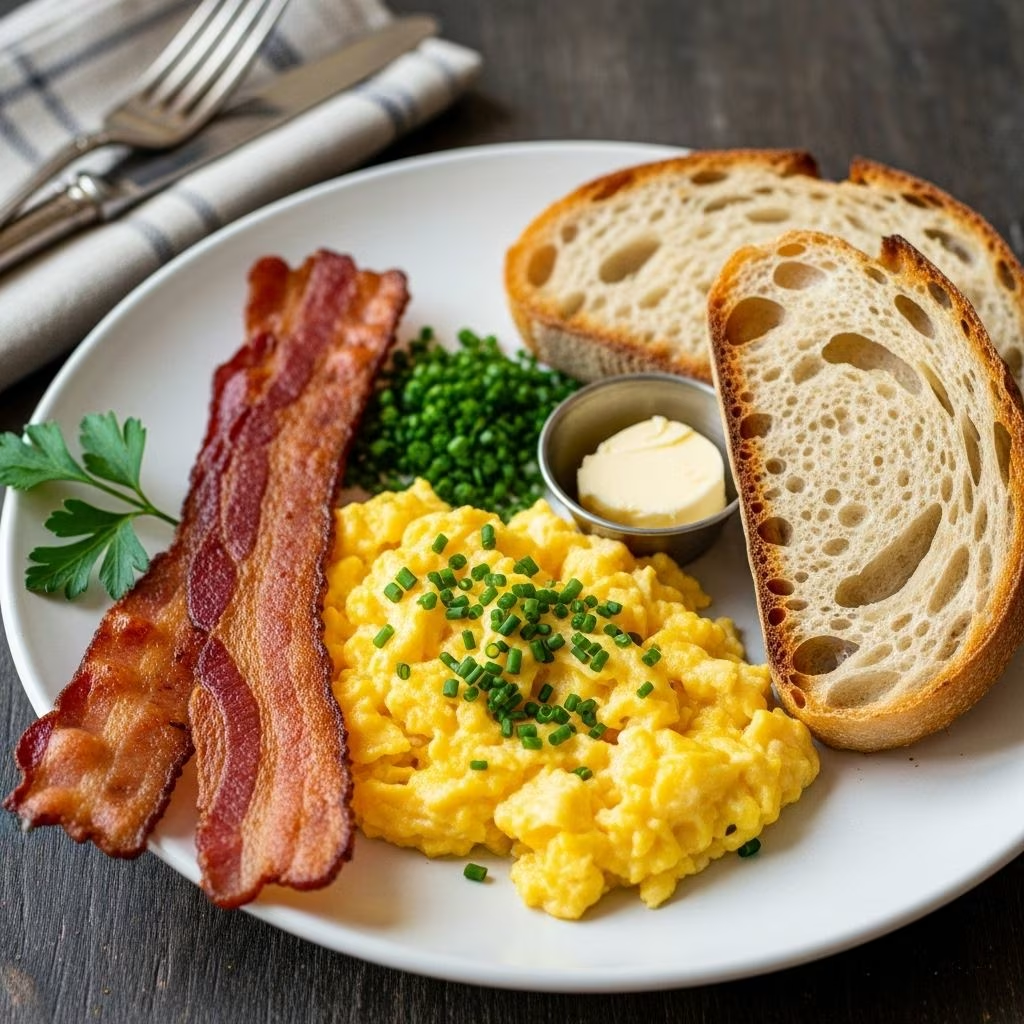
- Top with crunchy bacon strips and halved cherry tomatoes for color.
- Serve hot, accompanied by garlic-roasted potatoes and sautéed greens.
- For a classic plate, offer alongside fresh bread or toast to catch all the creamy richness.
The Secret of Texture: Why Scrambled Brains Work
Brains are prized in French, Italian, and Central European cooking for their soft, almost custard-like consistency. Scrambling with eggs enhances this effect, while butter and cream fortify the luxurious mouthfeel. This dish also benefits from gentle seasoning; strong flavors can overpower the nuanced sweetness of the brains. The final scramble should be slightly firm but yielding—a testament to careful technique and respect for delicate ingredients.
Flavor Variations and Modern Adaptations
- Spicy Scrambled Brains: Add a pinch of cayenne or smoked paprika for subtle heat.
- Herbal Accents: Try chives, tarragon, or dill instead of parsley for a different aromatic profile.
- Global Inspirations: Incorporate garam masala or za’atar for an international twist.
- Textural Garnishes: Top with crispy shallots or anchovy breadcrumbs to add crunch.
- Vegetarian Substitute: Use silken tofu in place of brains for a plant-based, protein-rich alternative—though the classic richness and subtle flavor will differ.
Nutritional and Ethical Perspectives
| Nutrient | Description | Notable Source |
|---|---|---|
| Protein | Supports muscle repair and maintenance | Eggs, brains |
| Omega-3 Fatty Acids | Beneficial for brain health | Brains |
| Iron | Prevents anemia | Brains |
| Vitamin B12 | Vital for energy and nervous system function | Eggs, brains |
| Choline | Supports cognitive function | Eggs |
Brains are surprisingly nutrient-dense and eating offal supports nose-to-tail sustainability, reducing waste and respecting the whole animal. Those sourcing brains should ensure ethical, disease-free suppliers, as brain health is paramount for quality and safety.
Serving Suggestions: Classic and Contemporary
- Pair scrambled brains with strongly brewed coffee and crusty bread for a vintage European breakfast.
- Serve as a brunch centerpiece, accompanied by roasted potatoes, kale, or wilted spinach.
- Add a crisp green salad and fresh tomatoes to balance richness.
- For adventurous eaters: present with pickled vegetables or chutney to introduce acidity against the creamy scramble.
Chef’s Tips for the Perfect Scrambled Brains
- Use low heat for scrambling, as high temperatures toughen both eggs and brains.
- Mise en place—lay out all ingredients before cooking.
- Be gentle when stirring to maintain texture.
- Poach brains carefully; overcooking causes graininess.
- Season progressively, tasting as you go for balance.
- Don’t skip garnish; crunchy bacon, herbs, or veggies bring needed contrast.
Frequently Asked Questions (FAQs)
Q: Is it safe to eat animal brains?
A: Yes, provided brains are sourced from healthy, disease-free animals and handled hygienically. Always verify your supplier and follow poaching instructions carefully to minimize any risk.
Q: What do scrambled brains taste like?
A: Scrambled brains are extremely mild, with a subtle sweetness and a smooth, custardy texture. Most of the flavor comes from herbs, butter, and garnishes used in the dish.
Q: Can I prepare this dish ahead?
A: You can poach and chop brains ahead and refrigerate until ready. Final scrambling with eggs should be done just before serving for optimal texture and creaminess.
Q: Are there vegetarian alternatives?
A: While the classic dish relies on brains, silken tofu or ricotta can be used for similar texture, although the flavor will be fundamentally different.
Q: What are the best sides for scrambled brains?
A: Roasted potatoes, garlic-sautéed greens, pickles, or crusty bread are traditional and balance the dish’s richness.
Embracing Tradition with Modern Flair
Scrambled brains, though once a staple, require a sense of culinary adventure. Through careful technique and an emphasis on rich, balanced flavors, this dish is both a tribute to classic comfort and a chance for cooks to connect with generations past. Whether you’re making it for brunch or seeking out new ways to enjoy offal, scrambled brains prove that bold flavors and forgotten cuts still hold a cherished place in the kitchen.