Deviled Kidneys: A Nose-to-Tail British Classic for Adventurous Palates
Deviled kidneys represent a bold yet approachable dish that sits at the heart of traditional British nose-to-tail cuisine. For many, offal—organ meats like kidneys—remains an underused resource. This article will guide you through the history, preparation, and enjoyment of deviled kidneys, focusing on venison and lamb with variations for other game. Whether you’re curious about offal or a devoted enthusiast, discover how to turn kidneys into a spicy, satisfying brunch, appetizer, or dinner centerpiece.
Why Deviled Kidneys?
Deviled kidneys have a storied place in British culinary tradition, often appearing on breakfast tables alongside eggs and toast. The term “devilled” refers to the process of cooking with fiery seasonings, such as mustard and cayenne pepper, designed to awaken the taste buds and temper the mineral note of kidneys. Once a favorite of Victorian households and high-end chefs alike, this dish is experiencing a quiet revival among nose-to-tail advocates who prize minimizing waste and celebrating every part of the animal.
- Devilling means cooking with a spicy sauce (typically mustard and Worcestershire sauce).
- Kidneys are rich in lean protein, vitamin B12, and minerals.
- Proper preparation neutralizes strong flavors, making them palatable for newcomers to offal.
Getting Acquainted with Offal: Kidneys in Focus
Kidneys may not be everyone’s first choice, but their nutritional value and unique texture make them an excellent candidate for creative cooking when prepared correctly.
| Kidney Type | Flavor Profile | Recommended Uses |
|---|---|---|
| Venison | Mild, mineral-rich | Best in deviled dishes, stews |
| Lamb | Delicate, slightly sweet | Deviled kidneys, grilled or sautéed |
| Pork | Robust, earthy | Stir-fries, pies, or devilled |
| Beef | Strong, somewhat pungent | Less common in British deviled recipes; often used in pies |
While venison and lamb kidneys are preferred for their mildness, rabbit kidneys make a charming, if unusual, devilled treat. Pork can stand in a pinch, though beef kidneys may be too robust for classic devilled styles.
Nutrition: Kidneys offer a lean source of protein, ample vitamin B12, and essential minerals, supporting nerve and blood health. Proper soaking and trimming reduce gaminess, presenting a clean, savory flavor in the final dish.
Step-By-Step Guide: Preparing Deviled Kidneys
Caring preparation transforms the kidneys from a niche ingredient into a versatile, crowd-pleasing dish. Follow these steps for perfect results:
- Clean and Prep the Kidneys
- Slice each kidney in half lengthwise.
- Remove the central sinewy core and outer membranes using a sharp knife or kitchen shears.
- Soak in salted water for up to 12 hours in the fridge, rinse, then soak in milk for an additional 12 hours. This process softens the flavor and texture.
- Cut and Dry
- After soaking, rinse kidneys thoroughly and cut into bite-sized pieces.
- Pat dry with paper towels to ensure a crisp surface upon cooking.
- Prepare the Spiced Flour
- In a mixing bowl, combine flour, salt, black pepper, smoked paprika (and cayenne if desired).
- Dust kidney pieces in the seasoned flour to coat evenly.
- Sauté Onions and Mushrooms
- In a large, heavy skillet, heat olive oil or butter over medium-high.
- Add sliced onions and mushrooms, cooking until golden and aromatic.
- Cook the Kidneys
- Shake off excess flour and add kidneys to the pan; cook rapidly over high heat, turning often, until lightly browned (about 3 minutes).
- Add Sauce Ingredients
- Introduce mustard, tomato paste, Worcestershire sauce, and a splash of stock or water to the pan.
- Simmer until kidneys are tender and the sauce has thickened, about 10 minutes.
- Season to taste with additional spices or herbs (parsley recommended).
- Serve
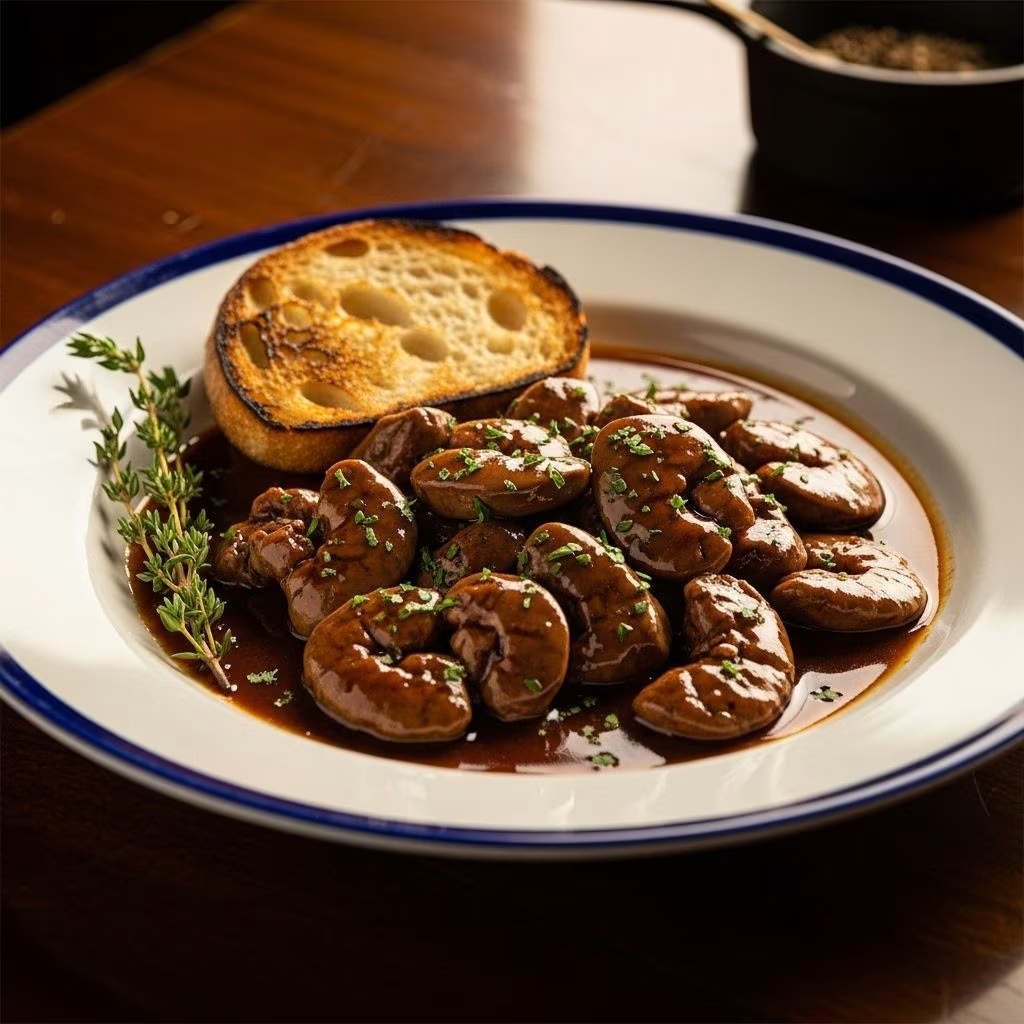
- Deviled kidneys traditionally crown crisp toast—opt for thick-cut Texas toast or rustic sourdough.
- Ladle the kidneys and sauce over toast, garnish with chopped fresh parsley, and serve immediately.
Deviled Kidneys Recipe: Key Ingredients and Techniques
- Kidneys: Venison, lamb, pork, or rabbit
- Mustard: English mustards provide the signature tang and heat
- Worcestershire Sauce: Umami depth
- Onions & Mushrooms: Balances the richness and adds earthy complexity
- Spiced Flour: Smoked paprika, cayenne, salt, pepper for coating
- Stock or Water: For sauce consistency and additional flavor
- Bread: Thick sliced toast (Texas toast or sourdough)
- Fresh Parsley: Bright finish
Basic Nutrition Info (per serving)
- Calories: ~200
- Carbohydrates: 9g
- Protein: 3g
- Fat: 18g
- Saturated Fat: 11g
- Cholesterol: 47mg
Note that soaking time for kidneys is crucial but not included in preparation times—plan ahead for best results.
Tips for Success
- Soak kidneys twice: First in salted water, then in milk, to achieve a delicate flavor.
- Don’t overcook: Quick sautéing prevents toughness.
- Toast matters: A crispy, sturdy bread base enhances the whole experience.
- Customize spice level: Add cayenne for extra heat or keep it mild for family members.
Nose-to-Tail Eating: Why Offal Matters
Embracing offal honors the entire animal, reduces waste, and connects us with historical eating practices. This philosophy—popularized by chefs like Fergus Henderson—encourages a full appreciation of texture and flavor diversity. Kidneys, often overlooked, are central to this approach, providing unique culinary experiences and nutritional benefits.
- Sustainability: Maximizes use of every harvest
- Diversity: Introduces new flavors and protein sources
- Affordability: Offal is often less expensive than prime cuts
- Tradition: Connects contemporary cooks with culinary history
Alternatives and Adaptations
- Lamb kidneys are the classic choice in British renditions; venison provides a wilder flavor.
- Pig or rabbit kidneys offer subtle variations; avoid beef kidneys unless you enjoy robust, assertive flavors.
- Vegetable adaptations: For a vegetarian twist, mushrooms alone—”deviled” with the same sauce—give a similar spicy, earthy satisfaction.
- Toasted breads: Try rye, sourdough, or a gluten-free alternative.
Deviled Kidneys: Serving Suggestions and Pairings
Brunch: Serve alongside eggs, fried tomatoes, and tea for a full English breakfast.
Dinner: Pair with light, crisp salads, roasted root vegetables, or sautéed greens.
Drink Pairing: Classic British ales, dry ciders, and robust red wines complement deviled kidneys’ depth.
Frequently Asked Questions (FAQs)
Q: What does ‘devilled’ mean in cooking?
A: ‘Devilled’ refers to dishes prepared with bold, spicy seasonings, usually mustard, paprika, cayenne, and Worcestershire sauce. In deviled kidneys, these ingredients mask mineral tones and add piquant flavor.
Q: Are kidneys safe to eat?
A: Yes, if properly cleaned and cooked. Remove membranes and sinew, soak to tenderize and reduce intensity, then cook to an internal temperature that ensures safety (medium, not raw).
Q: Can I use any kidneys for this recipe?
A: Venison and lamb are preferred for flavor, but pork and rabbit kidneys work. Beef kidneys are usually too pungent for this style.
Q: Why are kidneys soaked in salt and milk?
A: Soaking kidneys in salt water draws out impurities and odor, while milk softens texture and mellows flavor, making them more palatable in the final dish.
Q: I’m new to offal—will I like deviled kidneys?
A: Many find deviled kidneys surprisingly enjoyable when prepared with proper spice and sauce, especially with earthy mushrooms and crisp toast as a balance.
Conclusion: Rediscovering an Overlooked Classic
Deviled kidneys showcase the bounty and depth of nose-to-tail cuisine. With attentive preparation and flavorful ‘devilling,’ this dish transforms humble offal into a celebration of bold taste and tradition. Whether served for breakfast, brunch, or dinner, deviled kidneys offer a powerful reminder of the joys of adventurous eating, sustainability, and culinary history.