Lomo al Trapo: A Colombian Masterpiece of Fire Cooking
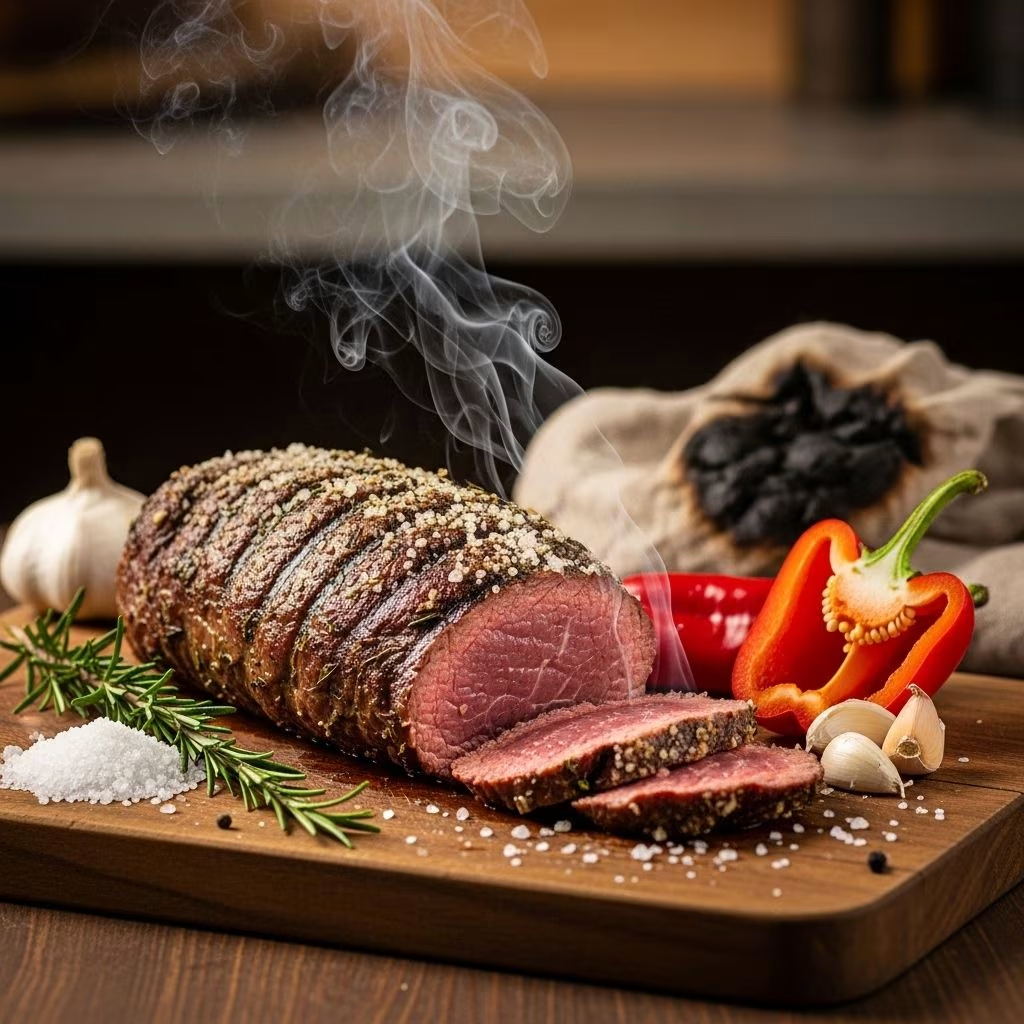
Lomo al Trapo—Spanish for “tenderloin in a cloth”—is an iconic Colombian recipe where a beef tenderloin is encased in a salt-and-spice crust, wrapped in a wine-soaked towel, and cooked directly in the fiery coals. This primal, ceremonial method yields a show-stopping centerpiece: a perfectly medium-rare, succulent roast with a dramatic reveal at the table.
More than just a technique, Lomo al Trapo is a social ritual and a celebration of bold flavors, minimal adornment, and the transformation of humble ingredients into culinary theater. Distinguished by its use of simple tools, and a direct coal fire, it epitomizes rustic sophistication in Colombian cuisine.
The Origin and Tradition of Lomo al Trapo
This dish traces its roots to Colombia’s Andes region, though it’s now beloved throughout the country and beyond. Lomo al Trapo’s striking cooking method—in which the meat is wrapped in a towel, covered in salt, and tossed straight in the coals—evokes the elemental drama of fire and flavor. Traditionally, it graces communal gatherings, celebrations, and special occasions, standing out not only for flavor but also for spectacle.
- Colombian Grilling Heritage: Centuries-old techniques using minimal equipment and direct fire.
- Showmanship at the Table: The crust is cracked open before guests for dramatic effect.
- Flavor and Tenderness: The salt crust locks in juices, while the charred towel insulates and infuses subtle smoky aromas.
What Makes Lomo al Trapo Unique?
Lomo al Trapo is distinguished by several bold choices:
- Direct-Coal Cooking: Unlike most roasts, this tenderloin is cooked directly in the embers—not on a grate or pan—using only a salt-encrusted, wine-soaked cloth as protection.
- Simple Ingredients, Maximum Impact: Salt, sometimes pepper and aromatics, red wine, and a kitchen towel are all you need.
- Elemental Cooking: The process transforms the crust into an impenetrable barrier, ensuring the beef remains juicy inside while developing subtle complexity.
- Theatrics: Its reveal—cracking open the crust, slicing the just-pink meat—makes for a centerpiece guests never forget.
Ingredients Needed for Classic Lomo al Trapo
| Ingredient | Purpose |
|---|---|
| Beef Tenderloin (about 2 lbs, center-cut and trimmed) | Main protein, chosen for tenderness and uniformity. |
| Kosher Salt (about 2 cups) | Forms a tight moisture-retaining crust. |
| Red Wine (about 1 cup or ½ bottle) | Soaks the towel, contributing flavor and color. |
| Cotton Kitchen Towel (approx. 16″ x 24″) | Wraps the tenderloin, protects from fire, and holds the salt in place. |
| Twine (butcher’s or kitchen) | Secure the towel wrap for cooking. |
| Spices (Optional: black pepper, steak rub, chili powder, thyme, oregano) | Adds subtle earthy or spicy notes to the crust. |
Optional Garnishes and Sides:
- Aji Picante: Colombian salsa of tomatoes, chiles, onion, cilantro, lime—serves as a zesty companion.
- Crispy Baby Potatoes: Traditional side, cooked in a covered pan over coals.
Essential Equipment for Lomo al Trapo
- Charcoal grill, fire pit, or suitable open-fire cooking area.
- Quality lump charcoal or briquettes.
- Metal tongs for handling meat on hot coals.
- Heavy kitchen towel (100% cotton, not terry cloth; avoid synthetics).
- Butcher’s or kitchen twine.
- Meat thermometer (for precise doneness).
Step-by-Step: How to Make Lomo al Trapo
1. Prepare the Towel
- Pour red wine into a bowl and soak the kitchen towel for 20–30 minutes. Stir occasionally for even saturation.
- While soaking, marinate a few pieces of butcher’s twine if using, to prevent burning.
2. Prepare the Meat
- Trim the beef tenderloin, removing silverskin or excess fat for a neat, even cylinder. If one end is thin, fold it under so the roast cooks evenly.
- Optional: Roll the tenderloin in spices—black pepper, chili powder, thyme, oregano—for depth of flavor.
3. Build the Salt Crust
- Lay the soaked towel flat in a diamond shape on a large board.
- Spread a thick, even layer of kosher salt (2 cups or more) across the towel’s surface.
- Sprinkle dry rub or spices over the salt if desired.
4. Roll and Wrap the Tenderloin
- Place the seasoned beef tenderloin in the center of the salt layer, parallel to your shoulders.
- Fold the towel over the meat, rolling it tightly into a cylinder and pulling both ends snug.
- Tie ends together or secure with twine every 4 inches to keep the salt packed tight around the meat.
- The towel should completely encase the tenderloin, with salt enveloping all sides.
5. Prepare the Fire
- Build a strong, hot bed of glowing coals (ideally 500°F or hotter).
- Rake coals into a flat layer suitable for direct contact.
- Remove grill grates – cook directly on embers.
6. Cook Directly in the Embers
- Place the wrapped tenderloin (tie side up) directly onto hot coals.
- Cook undisturbed for 9–10 minutes.
- Flip gently, then cook another 9–10 minutes until the center reaches 125°F–130°F for medium rare.
- The towel will char and possibly catch fire—this is normal; it insulates and flavors the meat while protecting it from the worst heat.
7. Rest and Reveal
- Transfer the wrapped roast to a metal tray or baking sheet.
- Rest for 5–10 minutes—a crucial step for retaining juices.
- Crack the salt crust open with the back of a chef’s knife.
- Brush off any excess salt and charred towel remnants.
- Slice the beef immediately and serve at the table for best effect.
Colombian Aji Picante: The Perfect Accompaniment
Aji Picante is a vibrant, spicy salsa prepared from fresh tomatoes, scallions, cilantro, and chile. Served alongside Lomo al Trapo, it provides a bright contrast to the richness of the beef.
Ingredients
- 2 cups diced ripe tomato (usually Roma or beefsteak)
- 4 scallions (white only), split and thinly sliced
- ½ cup fresh cilantro, chopped
- 1 fresh jalapeño or serrano chile, chopped (optional for heat)
- 2 cloves garlic, smashed
- Zest and juice of 1 lime
- Kosher salt and white wine vinegar, to taste
- Water to thin, if needed
Method
- Combine all ingredients in a bowl and mix well.
- Let rest for 10–15 minutes for flavors to meld.
- Adjust salt, acidity, and heat to taste.
Tip: Strain tomato juices for preferred salsa consistency.
Crispy Colombian Potatoes
Potatoes are a classic side dish for Lomo al Trapo, prepared by roasting in olive oil and steam over coals, then crisping over direct fire.
Preparation
- Halve baby Yukon gold potatoes and toss in olive oil, salt, and pepper.
- Place in a covered, grill-safe pan with water to help steam.
- Steam on coals for 20–25 minutes until fork-tender.
- Uncover and continue to cook, allowing potatoes to crisp in their oil for 5–8 minutes.
Serving Suggestions
- Slice the tenderloin thick and serve immediately, as it loses tenderness when cooled.
- Pair with aji picante, crispy potatoes, and fresh herbs for a full Colombian flavor experience.
- For greater drama, break the salt crust and towel open at the table before guests.
Frequently Asked Questions (FAQs)
Q: Does the meat taste too salty?
A: Surprisingly, no. The salt crust insulates and flavors the beef, but most is discarded after cooking, leaving only a gently seasoned, juicy roast.
Q: What kind of towel should I use?
A: Always use a 100% cotton kitchen towel. Avoid terry cloth (which flakes) or any synthetic blends, as they can melt or produce off flavors.
Q: Can I use other cuts of beef?
A: The method is designed for tenderloin due to its uniform thickness and tenderness, but you can experiment with similarly shaped, lean roasts.
Q: Does the towel burn?
A: Yes, the outer towel will char—but the wine-soaking and salt crust protect the meat inside. The burnt towel is removed after cooking.
Q: How do I know when the meat is done?
A: Use a meat thermometer for best results—125°F for rare, 130°F for medium rare. Cooking times can vary slightly by fire intensity and roast size.
Q: Can Lomo al Trapo be made indoors?
A: The dish relies on direct coal fire for its crust and smokiness, but some try it in pizza ovens or on gas grills with heavy wood charcoal in a firebox.
Pro Tips for Success
- Fresh, quality beef makes all the difference—the simple seasoning highlights its flavor.
- Saturate the towel well with wine for deeper aroma, insulation, and dramatic color.
- Rest the meat after cooking for juiciness.
- Avoid overcooking. The roast will rise 5–10°F after removal from fire.
- Have extra salt and wine prepared in case the wrap seems too sparse.
Conclusion: Lomo al Trapo as Culinary Theater
Lomo al Trapo is not just a recipe—it’s a celebration of Colombian heart, the primal pleasure of fire, and the genius of technique. With a simple beef tenderloin, salt, wine, and a cloth, you conjure the drama of embers, the fragrance of smoke, and a powerful attention-grabbing centerpiece. Whether for holidays or casual gatherings, its crackling reveal and fork-tender, flavorful slices guarantee the admiration of all at the table.
References
- https://www.atbbq.com/blogs/recipes/lomo-al-trapo-colombian-beef-tenderloin
- https://chefsroll.com/features/featured-recipes/lomo-al-trapo/
- https://www.youtube.com/watch?v=5Zj_zWN_keE
- https://overthefirecooking.com/lomo-al-trapo/
- https://www.youtube.com/watch?v=IJ8oMYOu7gs
- https://food52.com/story/4178-steven-raichlen-s-salt-crusted-beef-tenderloin-grilled-in-cloth-lomo-al-trapo
- https://barbecuebible.com/recipe/lomo-al-trapo-with-colombian-salsa/