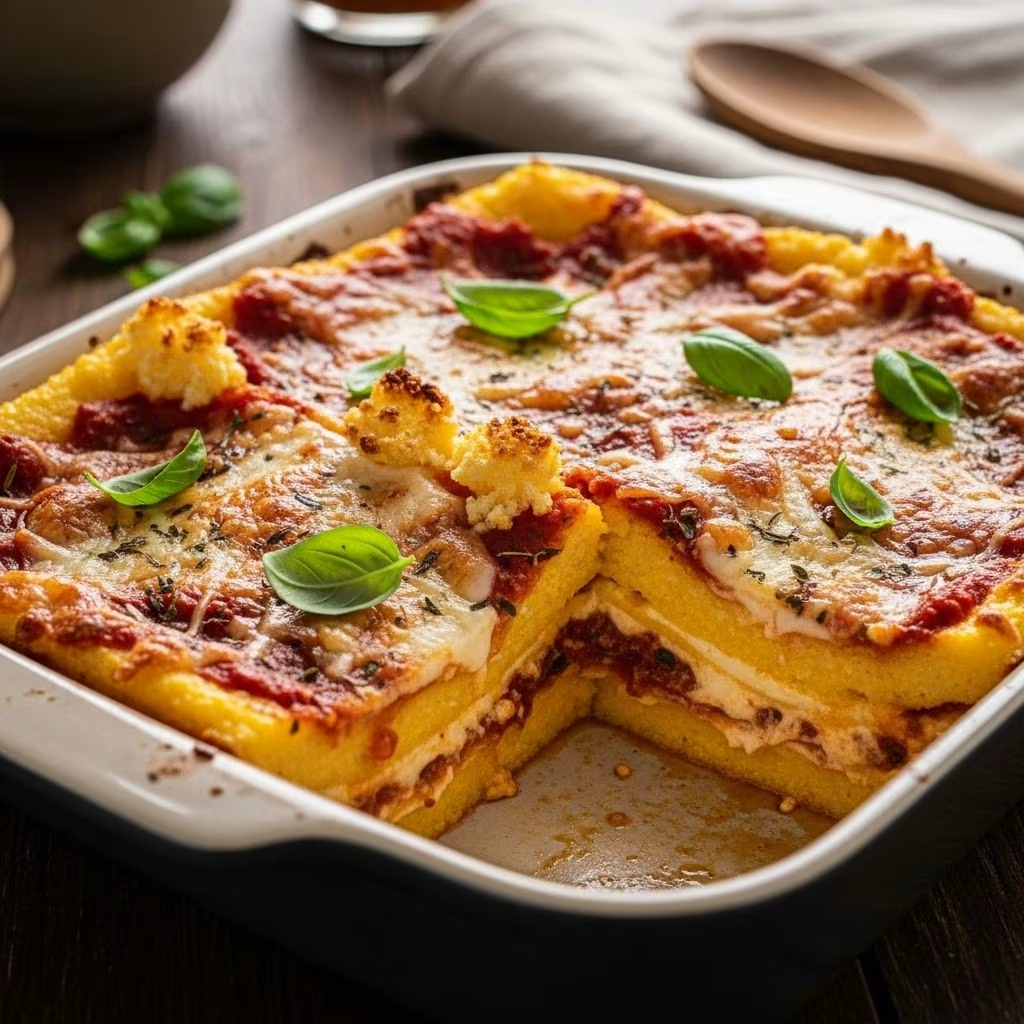
If you’re seeking a hearty, soul-warming dish that embodies the essence of northern Italy, polenta lasagna pasticiatta casserole delivers in both tradition and flavor. Rather than classic noodles, silken polenta forms the canvas for layers of robust sauce, melting cheese, and vibrant vegetables. This dish stands as a testament to resourceful home cooking and offers endless room for adaptation to suit your pantry and tastes.
What Is Polenta Lasagna Pasticiatta?
Pasticiatta—Italian for “messy” or “mixed up”—refers to baked casseroles that blur the line between structure and comfort. In this lasagna variant, slices or slabs of set polenta replace traditional pasta, layered with sauces and fillings reminiscent of Bolognese, spinach and cheese, or vegetable bakes. Unlike tidy, neat lasagnas, pasticiatta invites a rustic, unpretentious presentation, making it perfect for family-style meals.
Origin: Northern Italian Roots
Polenta is a staple across northern Italy, especially in regions like Lombardy and Veneto. Historically, cornmeal transformed seasonal scarcity into abundant sustenance, and inventive cooks found myriad uses for leftover polenta. Pasticiatta casseroles grew from this ingenuity—taking set polenta, slicing or layering it, and baking handsomely with whatever fillers were available, from meat ragù to wild mushrooms to cheeses.
Why Make Polenta Lasagna?
- Gluten-free option: Perfect for those seeking alternatives to wheat-based pasta.
- Meal prepping: Both polenta and sauces can be made ahead, simplifying assembly.
- Flexible fillings: Use what you have—meat, mushrooms, spinach, or your favorite cheese.
- Comfort factor: Creamy, saucy layers that satisfy every member of the table.
Core Components Overview
| Component | Description | Key Choices |
|---|---|---|
| Polenta | Cooked, cooled, and set cornmeal forming ‘sheets’ or slabs for layering. | Stone-ground or instant; seasoned with cheese or herbs. |
| Filling | Sauce and add-ins sandwiched between the polenta layers. | Meat ragù, vegetarian, tomato-based, mushrooms. |
| Cheese | Melted binding agent adding richness and texture. | Mozzarella, Parmesan, smoked cheese (optional). |
| Vegetables | For flavor, texture, and variety. | Spinach, zucchini, greens, roasted garlic. |
Step-by-Step: Building Your Polenta Lasagna Pasticiatta
1. Make the Polenta
- Use stone-ground or instant polenta as desired.
- Whisk cornmeal into simmering water, milk, or broth as per chosen recipe.
- Season with butter, Parmesan, fresh herbs (rosemary, oregano, parsley) for depth.
- Once thickened, pour into a lightly greased baking pan, smoothing the top.
- Chill until fully set—at least 1 hour, longer for firm slicing.
2. Prepare the Sauce & Fillings
- Meat Ragù (Traditional): Simmer ground beef or pork with tomatoes, onion, garlic, and Italian seasonings. Mushrooms may be added for richness.
- Vegetarian/Vegan: Sauté mushrooms, zucchini, spinach, or other vegetables with garlic, olive oil, and tomato sauce. Lentils or beans offer protein.
- Cheese Mix: Shred mozzarella and Parmesan; smoked cheeses add complexity.
3. Layering the Casserole
- Slice or spread the set polenta into lasagna-style sheets or pieces.
- Start with sauce, then polenta, then fillings and cheese.
- Repeat for at least two or three layers, finishing with a thick layer of sauce and an ample topping of cheese.
4. Baking & Finishing
- Cover casserole tightly to prevent drying out.
- Bake in a preheated oven (typically 400–425°F / 205–218°C) for 25–35 minutes, until cheese is bubbling and golden.
- If broiling, finish with 2–6 minutes under the broiler for extra browning.
- Rest for 15–20 minutes before slicing—slices will hold their shape better.
Key Techniques and Tips
- Polenta Texture: Use more water for creamier layers, less for firmer slices. Stone-ground varieties need extra time and liquid.
- Setting Polenta: Ensure polenta chills fully or even overnight for easy slicing.
- Sauce Consistency: Go thicker than classic pasta sauces—polenta is thirsty and absorbs moisture readily.
- Assembly: Well-oiled pans prevent sticking; layering cheese between hot sauce and polenta amplifies melty richness.
- Broiler Finish: Browning cheese under a broiler creates a signature Italian crust.
- Make-Ahead Friendly: Assemble unbaked casserole and refrigerate or freeze; increase baking time if cooking straight from cold.
Ingredient Variations and Customizations
- Meat Fillings: Beef, pork, chicken, or turkey ground meat ragù; sausage crumbles.
- Vegetable Options: Spinach, kale, collard greens, zucchini, eggplant, bell peppers, mushrooms.
- Cheeses: Mozzarella, Parmesan, smoked provolone, ricotta, vegan cheese blends.
- Herbs & Flavorings: Roasted garlic, fresh basil, parsley, oregano, thyme, chilli for heat.
- Tomato Sauce: Store-bought marinara, homemade sugo, Bolognese, or vegetable-forward sauces.
Serving and Storage
- Resting: Always allow the casserole to rest before slicing for clean, intact pieces.
- Pairings: Serve with a bright, acidic salad—think bitter greens with lemon dressing.
- Wine: Traditional pairings include robust reds: Barbera, Chianti, or Cabernet Sauvignon.
- Leftovers: Keep refrigerated up to 3 days; individual slices reheat well in the oven or microwave.
- Freezing: Assemble and freeze before baking for best texture. Thaw in fridge overnight, bake as directed adding extra time.
Seasonal and Regional Variations
Throughout Italy, polenta casseroles shift ingredients with the season—spring greens, summer zucchini, autumn mushrooms, or winter sausage and kale. In Veneto, polenta pasticiatta often stars wild mushrooms and cheeses; in Lombardy, you might find meat-heavy ragùs and pungent gorgonzola. No matter the region, the approach remains generously adaptive and celebratory of what’s available.
Frequently Asked Questions (FAQs)
Q: Can I use instant or pre-made polenta?
A: Yes! Instant polenta works for speed and ease, while pre-cooked polenta (sold in logs or tubes) can be sliced for layering or crisped before assembly.
Q: How do you keep polenta slices from falling apart?
A: Ensure your polenta is cooked until very thick, then chilled until fully set. Use gentle handling when slicing and assembling.
Q: What are good vegan alternatives?
A: Use plant-based cheeses, olive oil instead of butter, and load up on grilled or roasted vegetables, lentils, or beans for body and flavor.
Q: Can I prepare the casserole the day before?
A: Absolutely. Prepare, cover, and refrigerate. Bake longer if starting from cold, and allow time to rest before serving.
Q: What sides pair best?
A: Bitter greens salads, marinated vegetables, or garlic bread balance the meal. For wine, opt for bright, acidic reds or robust field blends.
Expert Tips for Polenta Lasagna Pasticiatta Success
- Don’t rush the polenta: Longer simmering equals better texture and flavor.
- Let flavors meld: Like many casseroles, the taste improves after baking and resting.
- Don’t skimp on cheese: Abundant cheese layers produce the signature gooey, bubbling finish.
- Customize for dietary needs: This recipe adapts to gluten-free, vegetarian, and even vegan preferences.
Polenta Lasagna Pasticiatta: Recipe Template
- For the Polenta:
- 1 ½ cups stone-ground polenta (or 1 tube pre-cooked)
- 7 ½ cups water or milk
- 4 tbsp butter (or olive oil)
- 5 oz Parmesan cheese, grated
- Salt and herbs to taste
- For the Filling:
- 2-3 cups favorite sauce (meat, veg, or tomato)
- 2-4 cups cheese (mozzarella, Parmesan, etc.)
- Vegetables of choice (roasted garlic, greens, mushrooms)
Method:
- Cook polenta until thick, season, and set in a greased pan.
- Prepare sauce and fillings while polenta chills.
- Preheat oven to 400–425°F. Layer polenta, sauce, veggies, and cheese in casserole dish.
- Bake covered 25–35 minutes. Uncover, broil as needed.
- Rest 15–20 minutes before cutting. Serve warm, garnish with herbs.
Final Thoughts
Polenta lasagna pasticiatta brings together centuries of comfort cooking, practical ingenuity, and deep flavor. Whether classic Italian ragù, vegetarian marvel, or a fridge-clearing experiment, the harmony of creamy polenta, robust sauce, and golden cheese sets a new standard for casseroles. Flexibility and heart are key; adapt fearlessly, and savor every comforting bite.