Pan-Seared Foie Gras with Fig Mostarda and Fresh Figs: The Food Lab Method
Pan-seared foie gras, celebrated for its buttery richness and luxurious mouthfeel, is elevated to a new level when paired with fig mostarda and fresh figs. This advanced cooking guide, inspired by test kitchen science and chef wisdom, provides comprehensive instructions, culinary rationale, and paired garnish suggestions to help you master pan-seared foie gras at home.
Introduction: The Magic of Foie Gras and Figs
Few culinary experiences match the moment when a perfectly pan-seared slice of foie gras meets the sweet, vibrant acidity of fig mostarda, all balanced with ripe, juicy fresh figs on the plate. This combination isn’t simply indulgence—it’s the result of a sophisticated understanding of texture, flavor chemistry, and technique that transforms a classic French delicacy into a modern gourmet entrée.
- Foie gras is prized for its creamy, velvety mouthfeel and delicate flavor.
- Fig mostarda provides sweet-fruity notes with a subtle mustard warmth.
- Fresh figs add brightness and textural contrast.
This recipe places technique first, then explores advanced pairing logic, ingredient selection, and finishing touches—all guided by chef-tested principles and flavor science.
The Flavor Science of Foie Gras and Fruit Pairings
Why do foie gras and fruit-based condiments work so well together? The answer lies in their complementary flavor profiles, mouthfeel synergy, and the role of acidity and sweetness in balancing richness.
- Foie gras is exceptionally high in fat, which can overwhelm the palate with unctuousness if not moderated.
- Sweet fruit elements (like figs, apricots, apples, or cherries) provide acidity and sugar that cut through the fat, creating balance.
- Mustard brings in heat and complexity, contrasting against the foie gras’s sweetness.
According to chefs and culinary scientists, pairing fatty proteins with sweet-and-sour sauces is a proven way to create harmony and excitement on the plate. Classic pairings include:
- Sauternes wine—a sweet French dessert wine, often served with foie gras.
- Fruit preserves—fig, apricot, cherry, or apple, reduced with wine and vinegar.
- Balsamic reduction—old-school but effective for adding acidity and sweetness.
What Is Fig Mostarda?
Mostarda is a Northern Italian condiment made from fruits (often figs, pears, or grapes), sugar, and mustard seed or essence. In this dish, a fig mostarda provides the ideal blend of sweet, tart, and heat, accompanying the foie gras with both complementary and contrasting flavors.
- Origin: Mostarda originated in Northern Italy and is classically paired with cured meats and fatty proteins.
- Composition: This recipe uses fresh figs, mustard seed, a touch of vinegar, and sugar, cooked down into a thick, jammy sauce that balances the foie gras.
Mostarda may be made in advance and refrigerated for up to a week, intensifying flavors over time.
Pan-Searing Foie Gras: Step-By-Step Technique
Pan-searing foie gras is deceptively simple but requires attention to temperature, timing, and handling. Follow these steps to achieve perfect caramelization, texture, and flavor.
Step 1: Select and Prepare Foie Gras
- Grade: Use Grade A foie gras whenever possible—it is free of veins, blemishes, and offers the best flavor and texture.
- Cleaning: If purchasing whole lobes, carefully remove any veins and blood spots with a sharp paring knife.
- Portioning: Slices should be 1–2 inches thick and even in size. Keep pieces cold until just before cooking, which helps prevent over-rendering in the pan.
Step 2: Scoring and Seasoning
- Score one side of each slice with thin, ⅛-inch crosshatch cuts. This promotes even fat release and adds visual appeal. Use a hot knife for clean cuts.
- Season lightly with kosher salt and cracked black pepper just before searing.
Step 3: Searing Process
- Heat a heavy sauté pan or skillet over high heat until very hot but not smoking.
- Place the foie gras slices scored-side down. Do not overcrowd the pan.
- Sear for about 1 minute per side until deep golden brown and caramelized; the interior should remain soft but not runny.
- Drain excess fat into a separate pan (reserve for other uses; it’s prized for cooking eggs or vegetables).
- Let the foie gras rest briefly on a warm plate before serving to allow juices to redistribute.
Step 4: Toast Preparation
- Cut quality bread into ½-inch thick rounds (use a ring mold for precision).
- Toast until crisp and golden. These toast rounds serve as the base for plating the foie gras.
Step 5: Sauce and Garnish
- Warm the fig mostarda just before serving. Drizzle directly onto the foie gras and bread or serve as a side condiment.
- Sprinkle with flaky sea salt and finish with fresh herbs—chopped cilantro or thyme add aromatic lift.
Ingredient Preparation and Sourcing Tips
Success depends on careful selection and preparatory attention to each component. Find the best quality ingredients within your reach:
| Component | Preparation Tips |
|---|---|
| Foie gras | Purchase Grade A fresh or flash-frozen; avoid canned or Grade B, which can be veiny and inferior. |
| Fig mostarda | Make at home using fresh figs, mustard seeds, vinegar, and sugar. Simmer until thick and jammy; store in fridge. |
| Fresh figs | Choose ripe, unblemished figs for garnish and additional sweetness and texture. |
| Bread | Pick rustic, unsweetened bread with a firm crumb—preferably country-style loaf or baguette. |
| Herbs | Fresh cilantro, thyme, chervil, or parsley all add a green, aromatic finish. |
Pro tip: If you cannot find fresh figs or specialty mustard essences, substitute with dried figs or mustard powder, adjusting sugar and vinegar to balance tartness.
Additional Garnish Options
- Pickled ramps or scallions for sharpness.
- Balsamic reduction (optional for a classic acidic-sweet accent).
- Fruit jams or preserves (apricot, cherry, apple).
Serving Suggestions and Garnishes
Beautiful plating elevates the experience. Consider these presentation ideas and garnish combinations:
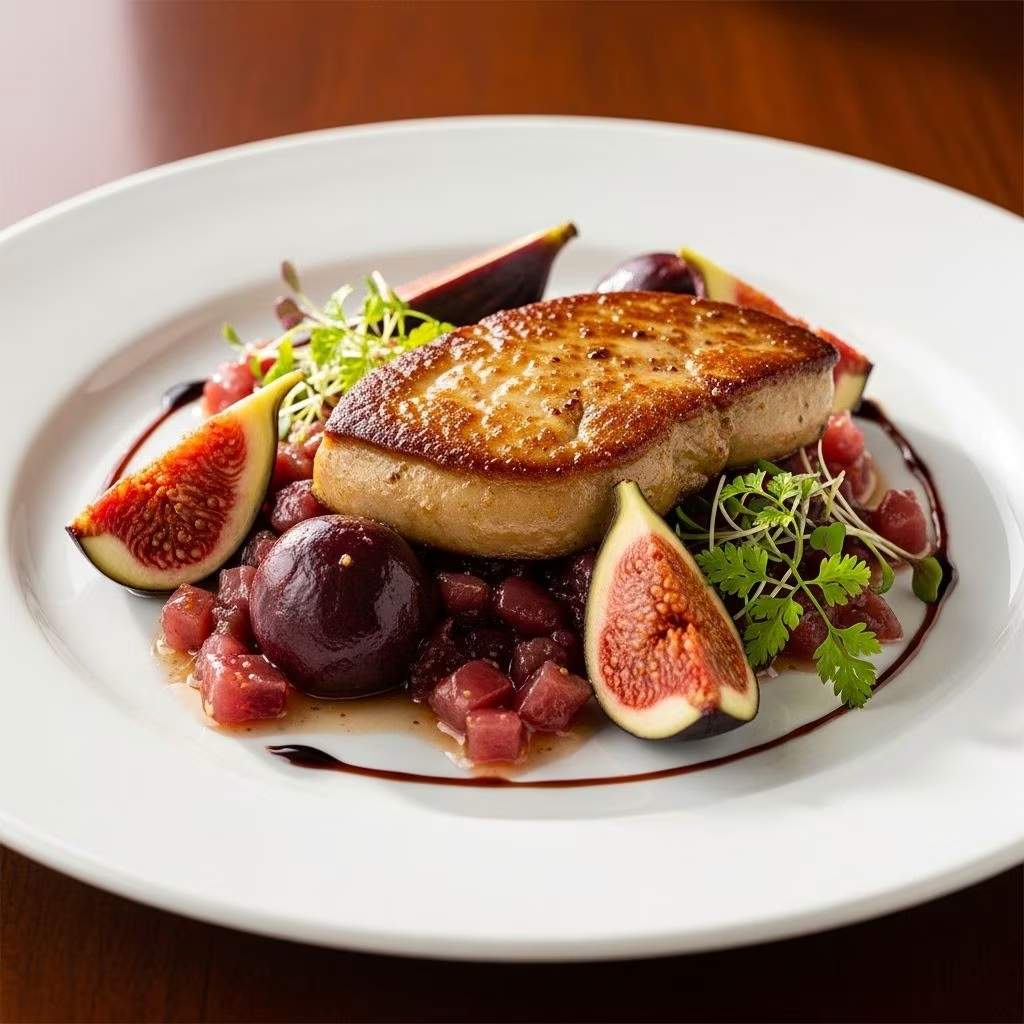
- Individual plated appetizers: Place a toast round, top with foie gras, drizzle mostarda, and garnish with a fig wedge.
- Family-style platter: Arrange foie gras slices, fresh figs, and a bowl of mostarda for sharing.
- Contrasting textures: Sprinkle with crunchy sea salt or nuts for bite.
- Finishing touches: Add microgreens, edible flowers, or a light drizzle of reserved foie gras fat.
Frequently Asked Questions (FAQs)
Q: Do I need to score foie gras before searing?
A: Scoring is optional but recommended. It allows fat to render more evenly and creates an attractive appearance.
Q: Can I freeze unused foie gras?
A: Yes, foie gras freezes well. Portion it, wrap tightly in plastic, and thaw in the refrigerator before cooking. Quality remains high if properly handled.
Q: What wine pairs best with pan-seared foie gras?
A: Sweet dessert wines such as Sauternes (French), Tokaji (Hungarian), or late-harvest Riesling are ideal partners, balancing the fattiness and enhancing fruit notes.
Q: Can I substitute another fruit for figs in the mostarda?
A: Absolutely. Use fresh or dried apricots, cherries, apples, or pears; adjust sugar and vinegar to balance tartness and sweetness.
Q: Is Grade B foie gras suitable for this recipe?
A: Grade B foie gras is often veiny and inferior for pan-searing; it may be used for pâtés or terrines instead.
Expert Chef Tips
- Hot Pan, Quick Cook: A very hot pan sears foie gras quickly, developing a golden crust without overcooking. Do not overcrowd; cook in batches if necessary.
- Reserved Fat: Drain and save rendered foie gras fat for sautéing eggs, vegetables, or potatoes—it is richly flavorful.
- Minimal Seasoning: Foie gras’s flavor is delicate; use only salt and pepper, letting sauces and garnishes drive additional flavor complexity.
- Precision Slicing: Use a hot knife for clean cuts; dip the blade in boiling water and wipe dry between slices.
- Multi-Day Prep: Mostarda intensifies in flavor and complexity after a day or two in the fridge. Prepare in advance for best results.
- Creative Pairings: Feel free to experiment with whatever pickled veggies, jams, or fruits you have; classic technique is the most important element.
Printable Recipe: Pan-Seared Foie Gras with Fig Mostarda
Serves: 4 Prep Time: 30 minutes Cook Time: 5 minutes Ingredients: - 4 one-ounce slices Grade A foie gras - 4 slices rustic bread, ½-inch thick, trimmed and cut into rounds - 1 cup fresh figs, quartered - 1 cup fig mostarda (see note) - Kosher salt, cracked black pepper - Sea salt, fresh cilantro or thyme to finish Instructions: 1. Prepare fig mostarda: Combine figs, sugar, vinegar, and mustard seed in a saucepan. Simmer until thick. 2. Clean and portion foie gras into 1–2-inch thick slices. Score tops with shallow crosshatch cuts using a hot knife. 3. Toast bread rounds until golden and crisp. 4. Season foie gras lightly with salt and pepper. 5. Heat a heavy pan over high; add foie gras slices and sear each side for 1 minute until caramelized. Drain rendered fat. 6. Plate: Place toast on plate, top with foie gras, drizzle mostarda, and garnish with fig wedges and a pinch of sea salt. Finish with fresh herbs.
Conclusion
Pan-searing foie gras at home is both luxurious and accessible to the determined cook. By applying careful technique, balancing flavors with bright condiments like fig mostarda, and finishing with thoughtful garnishes, you’ll create an unforgettable dish that embodies both classic French finesse and modern culinary science.
SEO-Optimized Summary
- Learn advanced pan-searing techniques for foie gras.
- Master homemade fig mostarda for pairing.
- Explore the science of fruit pairings with fatty proteins.
- Receive expert chef tips and serving suggestions.
- Find answers to common questions about searing foie gras and ingredient substitutions.