Salmon Baked in Cream with Bay, Thyme, and Dill
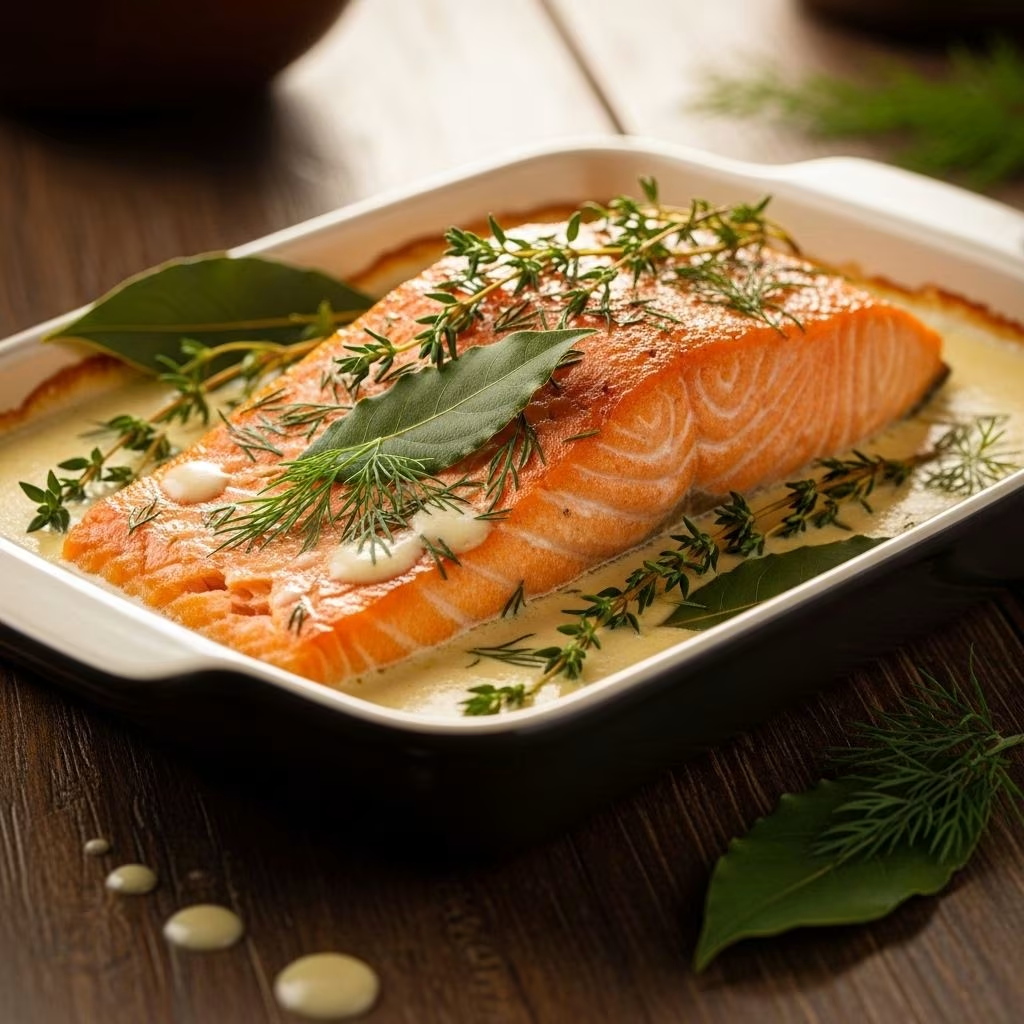
This timeless recipe pairs succulent salmon fillets with luscious heavy cream and a blend of aromatic herbs, rooted in old-world culinary tradition yet simple enough for a modern weeknight dinner. Baking salmon in cream preserves its delicate moisture, infuses subtle herbal flavors, and creates a rich finishing sauce—making this dish a brilliant example of mindful, nourishing home cooking.
Introduction & History: A Dish from Tradition
Preparing salmon baked in cream with bay leaves, thyme, and dill carves a direct path to tradition, reflecting time-honored methods where simple ingredients are treated with reverence. Found in the repertoire of nourishing, heritage-inspired kitchens, this dish is more than a recipe—it’s a celebration of real, nutrient-dense food and the joy of mindful cooking.
This method is championed for its ease. Minimal prep time, fewer than five ingredients, and a straightforward baking process let the natural luxury of wild salmon and fresh herbs shine. It’s a dinner that delivers both comfort and sophistication, with meal components that boost nourishment while still feeling indulgent.
Ingredients: What You’ll Need
The beauty of this recipe lies in its brevity and the freshness of its components. Only the essentials are required to create a dish brimming with flavor and nutrition.
- 4 wild-caught salmon fillets (about 6 ounces each)
- 4 bay leaves (fresh or dried)
- 1 cup heavy cream (preferably from grass-fed cows for best nutrition)
- 2 tablespoons fresh thyme (chopped, or 1 tablespoon dried, if unavailable)
- 2 tablespoons fresh dill (chopped)
- Optional: salt and freshly cracked black pepper to taste; chopped parsley for garnish
Step-by-Step Cooking Instructions
- Preheat the oven to 400°F (204°C).
- Let the oven fully reach temperature for an even bake.
- Arrange the salmon fillets in a single layer in a small baking or gratin dish.
- Top each fillet with a bay leaf.
- The bay leaf imparts delicate, aromatic depth during the bake.
- Pour the heavy cream evenly over the salmon.
- Sprinkle with thyme and dill.
- Scatter the chopped herbs over the fillets for a balanced herbal flavor in every bite.
- Bake for 15–20 minutes.
- Bake until the salmon just flakes with a fork and the cream has slightly thickened.
- Note: Check after 15 minutes—thicker fillets may need up to 20 minutes.
- Remove from the oven and discard bay leaves.
- To serve: Spoon the warm, herb-perfumed cream over each piece.
- Add a sprinkle of fresh parsley or extra dill if desired.
Nutritional Background & Culinary Wisdom
This dish is a prime example of nutrient-dense, whole-food cooking. Featured in The Nourished Kitchen, it’s rooted in food traditions that value both balanced nutrition and deep flavor. Here’s why this meal stands out:
- Salmon provides omega-3 fatty acids (crucial for heart and brain health), high-quality protein, and vitamin D.
- Heavy cream adds a source of healthy fats, enabling fat-soluble vitamins to be better absorbed.
- Bay leaves, thyme, and dill not only boost flavor but also bring in antioxidants and phytonutrients.
| Nutrient | Salmon | Heavy Cream | Herbs |
|---|---|---|---|
| Omega-3 Fatty Acids | ++++ | – | – |
| Protein | ++++ | – | – |
| Calcium | + | ++ | – |
| Antioxidants | + | – | ++ |
| Vitamin D | +++ | + | – |
Using wild-caught salmon and fresh herbs maximizes nutrient content and supports sustainability. The finished dish delivers both satiety and nourishment, fitting well into gluten-free and low-carbohydrate diets.
Serving Suggestions & Adaptations
This rich, creamy salmon is versatile and pairs delightfully with a variety of simple sides.
- Serve over a bed of steamed new potatoes for classic comfort.
- Pair with lightly sautéed spinach, asparagus, or green beans for a refreshing contrast.
- Accompany with a crisp salad—like watercress or arugula with lemon vinaigrette—to cut through the richness.
- Garnish with fresh dill, parsley, or a wedge of lemon for added brightness.
Feel free to make thoughtful adjustments based on what’s available:
- Use Arctic char or trout instead of salmon.
- Swap fresh tarragon for dill for a different herbal note.
- Replace some cream with crème fraîche for pleasant tang.
Tips, Tricks, and Troubleshooting
- Choosing Salmon: Wild-caught is preferred for flavor and sustainability. If using frozen, thaw fully and pat dry.
- Don’t Overbake: Salmon dries out quickly—aim for just-flaky flesh. The cream will continue to thicken upon standing.
- Herb Freshness: Use fresh herbs for best aroma; dried are acceptable in a pinch (halve amounts).
- Baking Dish: Use a dish that snugly fits the fillets so the cream partially immerses the fish.
- Making in Advance: This dish is best baked and served immediately, but leftovers can be gently reheated in a low oven, covered, to preserve moisture.
Related Recipes to Explore
- Citrus-Poached Salmon with Dijon Mustard Sauce – For a tangy, lighter variant.
- Cedar-Plank Sockeye Salmon with Hazelnut Vinaigrette – Smoked aroma and nutty contrast.
- Prosciutto-Wrapped Salmon – Salty, crisp exterior with tender interior.
- Yogurt and Cheddar Cheese Soufflé with Chives – Another wholesome comfort recipe from The Nourished Kitchen.
Frequently Asked Questions (FAQs)
Q: Can I use farmed salmon or other fish?
A: Yes, but wild-caught salmon is preferred for better flavor, firmer texture, and richer nutritional profile. Arctic char, steelhead, or trout are also good substitutions.
Q: Is heavy cream essential? What about light cream or dairy alternatives?
A: Heavy cream creates the most luxurious sauce, but you can try light cream or crème fraîche. Coconut cream can work for a dairy-free option, though the flavor will be different.
Q: How do I know when salmon is done baking?
A: The salmon should flake easily when pierced and still appear moist. Baking time varies with thickness, but 15–20 minutes at 400°F is typical. A digital thermometer should read 125–130°F in the thickest part for medium moistness.
Q: Can I add vegetables to the baking dish?
A: Yes! Root vegetables like thin-sliced potatoes or carrots work well. Just be sure all items cook through in the allotted time or par-cook tougher veggies before adding.
Q: How can I add extra brightness or acidity?
A: Finish the dish with a squeeze of fresh lemon or a few capers. Chopped chives or a spoonful of crème fraîche stirred into the sauce also work well.
Nutrition Information (per serving)
Serving Size: 1 salmon fillet with sauce (approximately 6 ounces fish and 1/4 cup cream sauce)
- Calories: ~375
- Protein: ~32g
- Fat: ~25g
- Carbohydrates: <1g
- Omega-3s: ~2.5g
Nutrition values will vary depending on the size of fillets, brand of cream, and precise herb quantities used, but this dish is naturally low in carbohydrates and rich in both protein and healthy fats.
Conclusion: A Weeknight Luxury, Rooted in Heritage
Salmon baked in cream with bay, thyme, and dill stands as a testament to the power of simplicity and tradition. Whether you’re seeking an elegant holiday dish or a nourishing weeknight main, this recipe delivers comfort, flavor, and true nourishment—no fuss required.