Cabbage is often underappreciated, yet it holds transformative power when treated right. Melting cabbage is an oven-braised method that yields wedges so tender they almost dissolve under your fork, cloaked in a savory jus and crowned with crisp, caramelized edges. With a simple technique and a handful of common ingredients, you can convert this humble vegetable into a centerpiece-worthy dish that invites believers and skeptics alike to the table.
Why Melting Cabbage Warrants a Place on Your Table
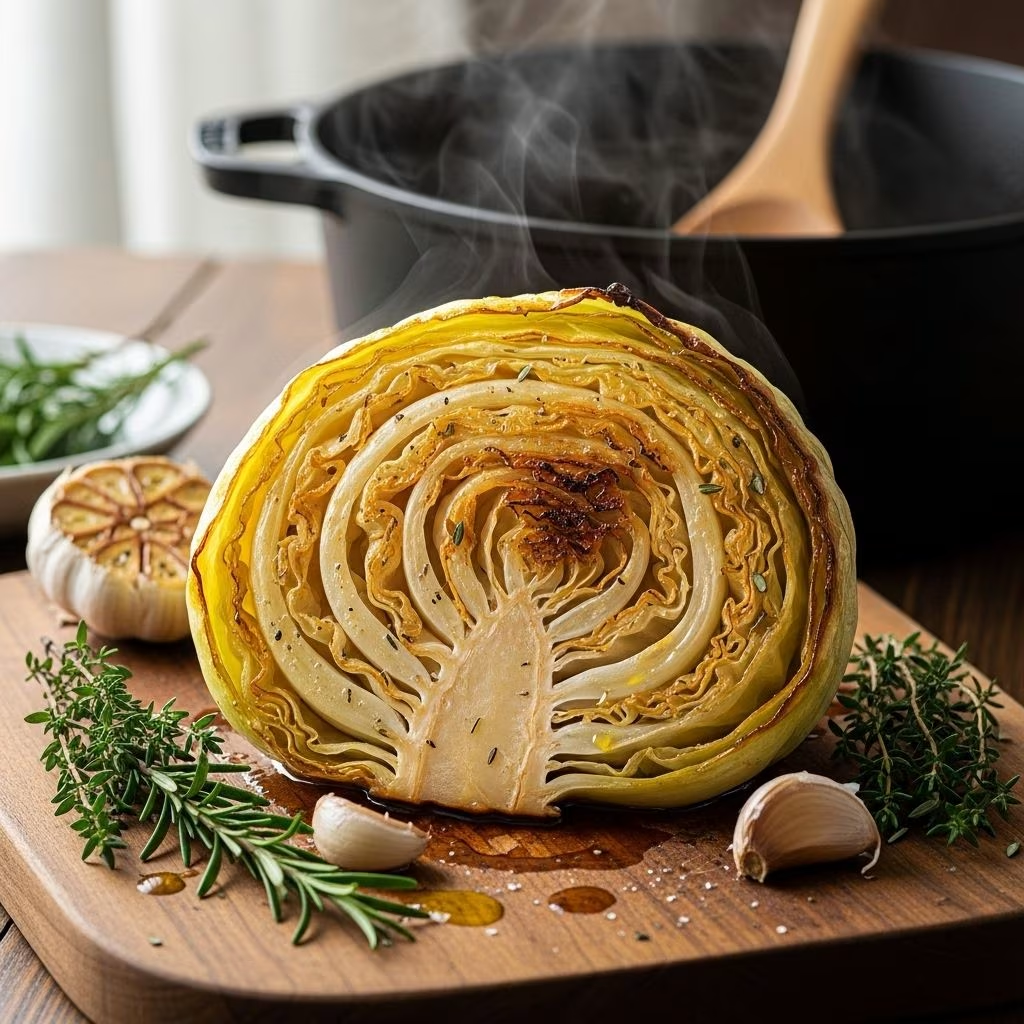
When seared and oven-braised, cabbage undergoes a remarkable textural change. The leaves become silky, deeply savory, and richly caramelized at the edges – all with little effort. This hybrid cooking method delivers a side that can compete with the most popular potatoes, grains, or roasted vegetables.
- Texture: Achieves a melt-in-your-mouth bite, not mushy or watery.
- Flavor: Savory, slightly sweet, with gentle caramelization for complexity.
- Versatility: Works as a side or a main, adaptable to dozens of cuisines by changing seasonings or the pan sauce.
The Key to Melting Cabbage: Technique Over Ingredients
Success with melting cabbage hinges less on shopping lists, more on process. The two pivotal stages are:
- Searing: Sear cabbage wedges on their cut sides until deeply golden. This step draws out sugars, amplifying sweetness and lending structural integrity to the wedges.
- Braising: Nestle the seared cabbage in a mixture of stock and aromatics, then bake. The braising liquid infuses and softens each layer, while the uncovered finish encourages some evaporation and extra caramelization.
The result: exterior leaves with crisp edges, interior layers so soft they shred at the touch of your fork, all bathing in a lush, savory pan sauce.
Ingredients: What You Need for Melting Cabbage
- Green Cabbage: Look for a medium-to-large head, ideally with tight leaves for easier slicing and structure.
- Fat: Olive oil or butter both work for searing; butter adds depth, olive oil a fruitier note.
- Aromatics: Garlic, onions, or shallots. These infuse the cooking liquid and complement cabbage’s sweet flavor.
- Braising Liquid: Chicken stock, vegetable broth, or even water paired with seasonings. Stock yields a richer sauce.
- Acid: A splash of white wine, apple cider vinegar, or lemon juice helps cut richness and brighten the finished dish.
- Seasonings: Salt, pepper, and any herbs you like—thyme, bay leaf, parsley, or dill are classic.
Step-by-Step: How to Make Melting Cabbage
- Prep the Cabbage:
- Trim excess outer leaves if wilted, then halve the cabbage lengthwise through the core.
- Cut each half into wedges (usually 3 or 4), leaving some core attached so wedges stay intact during cooking.
- Lightly season the cut sides with salt and pepper.
- Sear the Wedges:
- In a large, heavy, oven-safe skillet (like cast iron), heat a blend of butter and/or olive oil over medium-high.
- Sear the wedges, cut sides down, without disturbing, until golden brown (about 3–5 minutes per side).
- Set wedges aside briefly.
- Sauté Aromatics:
- Lower the heat. To the same skillet, add garlic, onions, or shallots. Sauté until fragrant and beginning to soften, 1–2 minutes.
- Layer and Braise:
- Return the seared cabbage wedges to the pan, nestling them over the softened aromatics.
- Pour in just enough stock to rise about 1/3 of the way up the sides of the cabbage. Add any herbs or acids now.
- Bring to a simmer on the stovetop, then transfer the pan, uncovered, to a 375°F (190°C) oven.
- Braise, basting halfway through, until the cabbage is deeply tender (typically 45–60 minutes).
- Finish:
- If desired, broil for the last 2–3 minutes for extra caramelized, crispy edges.
- Spoon some of the savory braising liquid over the cabbage before serving.
Pro Tips for Melting Cabbage Success
- Slice with the Core: Keeping some core in each wedge helps the slices maintain shape through braising.
- Season Early: Salt and pepper before searing ensures flavor penetrates from the start.
- Don’t Skimp on the Sear: Deep browning intensifies flavor and gives the finished dish a beautiful appearance.
- Play With Fats: Swap in bacon drippings, duck fat, or ghee for unique flavors.
Flavor Variations and Customizations
Once you master the basic method, customize with add-ins and toppings to tailor the dish to seasons, occasions, or dietary needs.
- Cheesy: Grate Parmesan, Gruyère, or cheddar over the wedges during the last 10 minutes of baking.
- Smoky: Layer in crisped bacon or smoked paprika for depth.
- Spicy: Sprinkle with chili flakes, Cajun seasoning, or add sliced jalapeños to the liquid.
- Herby: Try thyme, dill, tarragon, or parsley; stir into the braising liquid or sprinkle fresh on top.
- Umami Boost: Add a little soy sauce or miso to the broth for deeper savoriness.
- Vegetarian/Vegan: Use olive oil and vegetable stock; finish with toasted bread crumbs or nuts for crunch.
Serving Suggestions: The Many Roles of Melting Cabbage
Melting cabbage shines on virtually any table:
- As a holiday side with roasted meats or poultry
- Over grains like farro or rice as a main course
- As a bed for stews or sausages
- With crusty bread for a vegetarian meal
- Chopped and stirred into soups or pastas
Nutritional and Dietary Notes
| Component | Notes |
|---|---|
| Fat | Control by adjusting oil/butter and using stock instead of any cream or cheese toppings |
| Sodium | Use low-sodium broth for restricted diets |
| Vegetarian | Use vegetable stock and plant-based fats; skip bacon or animal-based toppings |
| Gluten-Free | All ingredients are naturally gluten-free |
Frequently Asked Questions (FAQs)
Q: Can I make melting cabbage ahead of time?
A: Yes, you can prepare the dish up to a day in advance. Store covered in the refrigerator and reheat in a 350°F oven until warmed through. The flavors deepen after sitting overnight.
Q: What kind of cabbage is best?
A: Standard green cabbage works best due to its structure and sweetness. Savoy is a good, more tender alternative. Red cabbage does not soften as lusciously as green and the color may bleed into the sauce.
Q: Can I braise cabbage without an oven?
A: Yes, you can finish the braise on the stovetop over very low heat, covered. The results are similar, though you may not get the same degree of caramelized edges.
Q: How do I make this vegan?
A: Use olive oil or another plant-based fat for searing, vegetable broth for braising, and skip any cheese or dairy-based finishers.
Q: What can I do with leftovers?
A: Leftover melting cabbage can be chopped and added to soups, stirred into mashed potatoes, spooned over grains, or served as a warm salad with a little vinaigrette.
Try This: Melting Cabbage with Garlic-Parmesan Cream
For a richer variation, top braised cabbage wedges with a quick garlic-Parmesan cream sauce made by simmering heavy cream with sautéed garlic and stirring in grated cheese just before serving. Finish with cracked black pepper and fresh herbs for a lavish, crowd-pleasing side.
- Sear cabbage in bacon fat for extra smokiness
- Fold cream cheese into the sauce for added silkiness
- Finish under the broiler to brown the cheese topping
Final Thoughts: The Joy of Simple, Transformative Cooking
Melting cabbage is proof that the best dishes are often born from culinary restraint—drawing on process, patience, and a pinch of creativity to turn one of the kitchen’s humblest ingredients into a showstopper. Once you taste the contrast of caramelized edges and melting centers, finished by a puddle of savory sauce, you’ll find yourself returning to this technique, eager to experiment with new flavors and share the results with friends.