Marinated Korean Perilla Leaves (Kkaennip): A Complete Guide
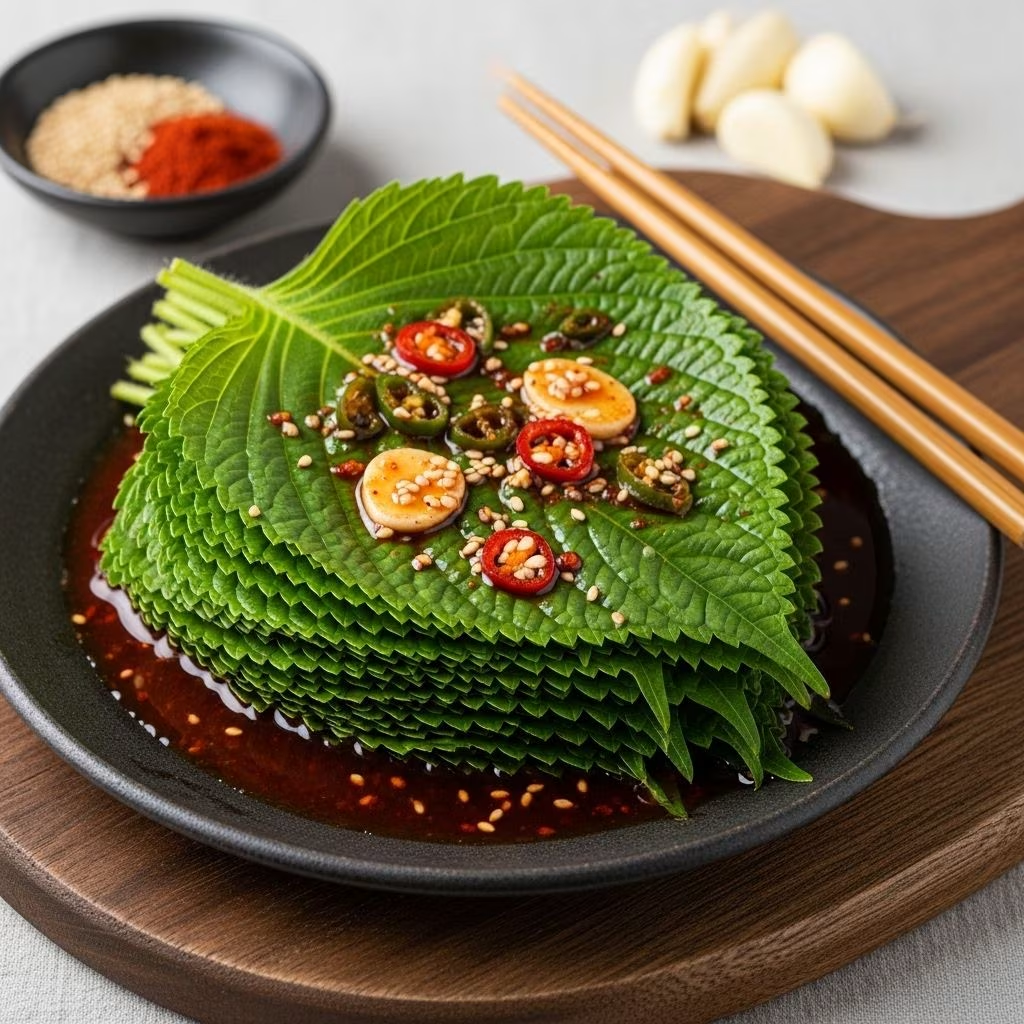
Korean marinated perilla leaves, known as Kkaennip, are beloved for their fragrant, herbal notes and savory, slightly spicy marinade. This banchan (Korean side dish) has roots in everyday home cooking and is especially popular in summer when fresh perilla leaves are abundant. Whether enjoyed wrapped around rice or as part of an elaborate meal, these leaves offer a burst of flavor and aroma that are both distinct and satisfying.
Introduction to Perilla Leaves
Perilla leaves (kkaennip in Korean) are members of the mint family, closely related to shiso. Known for their rounded, serrated shape and unique combination of flavors—minty, basil-like, and slightly licorice—they are used fresh, pickled, or marinated in Korean cuisine. Their aromatic profile makes them ideal for absorbing savory sauces and complementing plain rice.
Origins and Cultural Significance
This dish highlights Korean sensibility for simple, seasonal ingredients enhanced by thoughtful seasoning. Traditionally made during summer, marinated perilla leaves offer a way to preserve the bounty for months, providing nutrition and flavor through the fall and winter. They are a staple side dish and frequently appear in home-cooked meals and restaurant banchan spreads.
Core Ingredients
- Fresh Perilla Leaves: 30–75 leaves, rounded, green, and washed thoroughly
- Soy Sauce: Provides umami and saltiness
- Korean Chili Flakes (Gochugaru): Adds subtle heat and color
- Sugar (Brown or White): Balances salt with sweetness
- Vinegar: Rice, apple, or white vinegar for acidity
- Green Onion: Minced for freshness
- Garlic: Minced, gives pungent depth
- Optional Additions: Ginger, sliced chili peppers, sesame oil, toasted sesame seeds
| Ingredient | Amount for 30 Leaves | Amount for 75 Leaves |
|---|---|---|
| Perilla Leaves | 30 leaves | 75 leaves |
| Soy Sauce | 1/4 cup | 1 cup |
| Gochugaru | 1 tbsp | 2 tsp |
| Sugar | 1/2 tbsp | 1/4 cup |
| Vinegar | 1/2 tbsp | optional |
| Green Onion | 2 minced | 3 minced |
| Garlic | 2 cloves | 1 tbsp minced |
| Optional | — | Chilies, ginger |
Step-by-Step Recipe
Equipment Needed
- Large bowl for washing
- Medium bowl for marinade
- Colander
- Tupperware or glass container with lid
- Paper towels
- Knife and cutting board
- Measuring cups and spoons
Instructions
- Wash and Prep Leaves:
- Place perilla leaves in a large bowl.
- Submerge and swish in cold water to remove dirt.
- Drain in a colander and gently shake off excess moisture.
- Optionally, pat leaves dry with paper towels.
- Make the Marinade:
- In a medium bowl, combine soy sauce, gochugaru, sugar, vinegar (if using), green onions, garlic, and any desired optional ingredients.
- Stir briefly to incorporate.
- Marinate the Leaves:
- Take 2–4 leaves at a time and dip each side in the marinade.
- Stack dipped leaves neatly in a glass or plastic container, aligning stems in the same direction for even distribution.
- After all leaves are stacked, pour any remaining marinade on top.
- Marinate and Store:
- Seal tightly and refrigerate. Marinate for at least 2–3 hours for mild flavor; overnight for best results.
- Flavor intensifies over 24–48 hours.
- Serve:
- Serve cold or at room temperature with steamed rice and other Korean side dishes.
Storage and Shelf Life
- Refrigerated: Keeps for 1–2 weeks tightly sealed. Some versions last several months but gradually soften over time.
- Traditional Preservation: Originally prepared in summer and consumed through fall/winter for year-round flavor.
- Freezing: Not recommended; texture loss likely.
Serving Suggestions
- With Steamed Rice: Place a leaf or two atop rice, roll and eat as a wrap.
- Banchan Spread: Serve alongside kimchi, pickled radishes, and other small dishes.
- Lunchboxes: Pack with grains, proteins, or layered into gimbap for added aroma.
- Main Course Garnish: Enhance grilled meats or vegetarian bowls.
Recipe Variations
- Spicier Version: Double gochugaru or add fresh chili slices.
- Milder, Kid-Friendly: Reduce chili, add water to marinade for less saltiness.
- Pickled Perilla (Jangajji): Use vinegar-heavy marinade for tangier, preserved leaves.
- Ginger and Sesame Oil: Optional flavors for greater complexity.
- Allergic/Soy-Free: Substitute tamari or gluten-free soy sauce.
Nutrition and Dietary Notes
- Perilla leaves are low-calorie, rich in antioxidants, vitamins A & C, and omega-3 fatty acids.
- This dish is typically vegan and suitable for gluten-free diets with soy sauce substitutions.
- Contains no added oils unless sesame oil is used.
Frequently Asked Questions (FAQs)
Q: What do perilla leaves taste like?
A: Perilla leaves have a complex blend of mint, basil, and anise flavors, with hints of licorice, making them uniquely aromatic and adaptable to seasoning.
Q: Can I use shiso leaves instead?
A: Yes, shiso is a close botanical cousin, though it has a slightly different flavor profile; use it if perilla is unavailable.
Q: How long do marinated perilla leaves last?
A: Properly refrigerated and sealed, marinated perilla leaves can last 1–2 weeks. They soften gradually and flavors meld over time.
Q: Is this banchan spicy?
A: The default recipe is mildly to moderately spicy; you can adjust gochugaru and chili additions to taste.
Q: What is the best way to serve marinated perilla leaves?
A: Serve as a wrap around rice or alongside other banchan dishes. Their punchy, savory flavor pairs well with both meats and vegetarian meals.
Q: Can I prepare this dish in advance?
A: Absolutely. Marinate overnight for deeper flavor, and they’re ready for quick, easy side dishes and packed lunches.
Tips for Perfect Marinated Perilla Leaves
- Use fresh leaves: Older leaves are tough and less aromatic.
- Stack carefully: Ensures marinade distributes evenly.
- Start with less salt: Adjust seasoning, especially if serving without rice.
- Experiment with add-ins: Try ginger, sesame oil, or toasted seeds for extra dimension.
- Pairings: Excellent with simple steamed grains, grilled proteins, or other pickled vegetables.
Why Make Marinated Perilla Leaves?
Marinated perilla leaves encapsulate the essence of Korean home cooking: bold flavors, practical preservation, and harmony with rice. Their quick preparation, lasting shelf life, and bright, herbal taste make them a must-try for anyone exploring Korean cuisine. Serve them as part of your banchan rotation and add a splash of tradition to everyday meals.