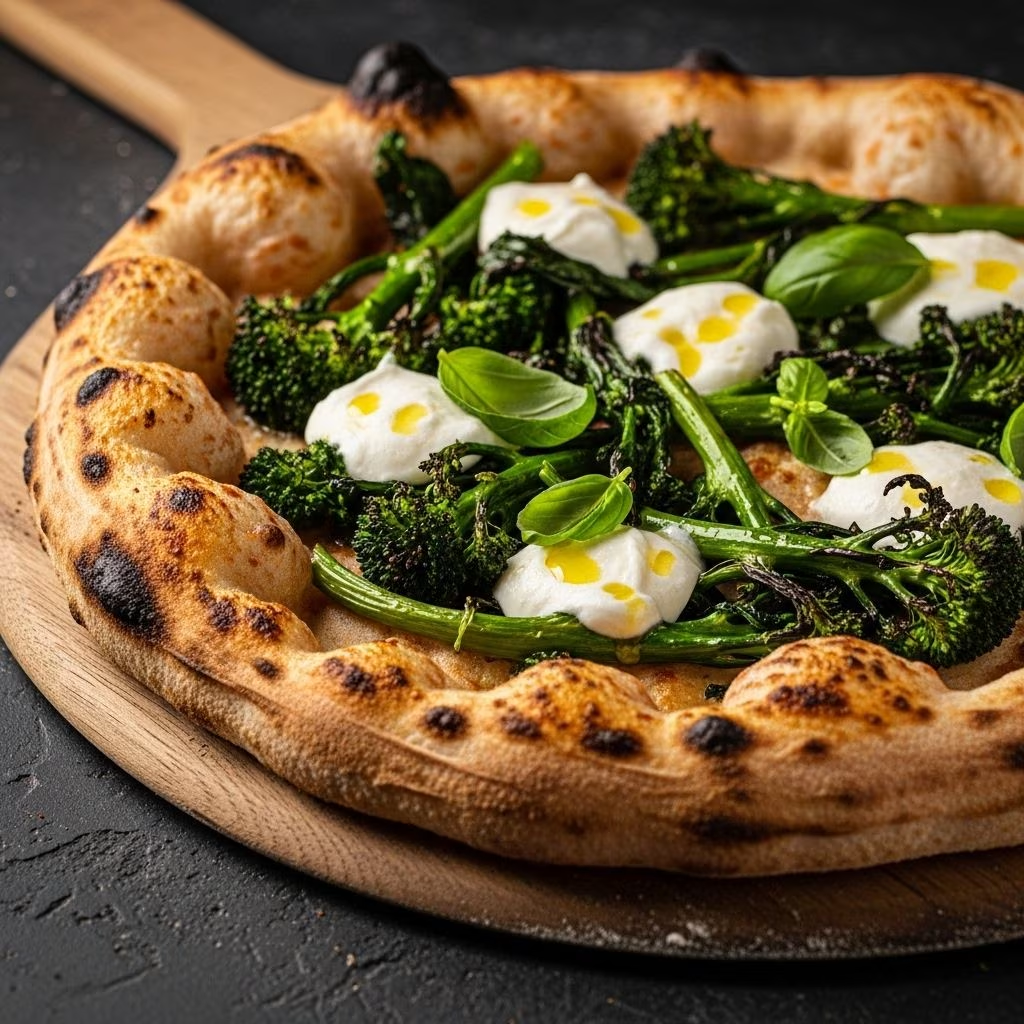
Few recipes have reshaped home baking quite like Jim Lahey’s no-knead bread. When Lahey’s revolutionary, ultra-simple technique moved from loaves to pizza, it empowered home cooks to make authentic, blistered, New York-influenced thin pizza in a standard oven. Nowhere is this more exciting than in his flavorful, vibrant broccoli rabe pizza, topped with garlic, ginger, and a lively kick of chili. This article dives deeply into the recipe’s origins, technique, variations, and the culinary magic behind Lahey’s innovations.
About Jim Lahey & The No-Knead Pizza Revolution
Jim Lahey, founder of New York’s Sullivan Street Bakery, originally developed his no-knead bread to demystify artisanal baking for home cooks. Soon, he applied the same principles to pizza: ultra-hydrated dough, minimal yeast, and a long, slow rise. This approach yields an airy, chewy crust with complex flavors—all with minimal effort and no kneading required.
- Minimal equipment needed: A bowl, a wooden spoon, and your hands.
- Long fermentation: Typically 18-24 hours for maximum flavor.
- No kneading: Gluten structure develops during fermentation, creating a chewy, artisan-style crust.
The no-knead technique removes the intimidation factor from pizza making, inviting everyone to replicate bakery-level crust at home. Lahey’s method and flavor innovations have inspired home cooks around the world .
Ingredient Breakdown: Simplicity Meets Bold Flavors
Lahey’s pizza begins with just a handful of ingredients, both in the dough and the topping. The star is broccoli rabe, a slightly bitter, leafy green that pairs beautifully with spicy and aromatic accents.
| Section | Ingredients | Key Tips |
|---|---|---|
| Dough |
| Let ferment up to 18-24 hours for best flavor and texture |
| Topping |
| Blanch or sauté broccoli rabe to soften bitterness; use aromatics liberally |
Step-by-Step: The No-Knead Pizza Dough Method
Lahey’s genius lies in making dough that requires no special skill or equipment—just patience. Here’s a detailed roadmap:
- Mix Dry Ingredients:
- Combine flour, salt, and yeast in a large bowl.
- Add Water & Stir:
- Add lukewarm water and mix with a spoon or hands until a shaggy dough forms. No kneading. Just ensure no dry patches remain.
- First Rise:
- Cover bowl with plastic wrap. Let rise at room temperature 18-24 hours, until bubbly and more than doubled in volume.
- *Tip:* The dough can be left up to 36 hours in cool rooms for deeper flavor.
- Shape & Second Rise:
- Turn dough onto a floured surface. Divide into four equal balls (for individual pizzas).
- Shape each into a tight ball by pulling the edges to the center and pinching closed underneath.
- Place seam-side down on a floured tray. Cover and let rise again, 1-2 hours.
- The dough can also be refrigerated up to 3 days; return to room temperature before shaping.
Prepping Broccoli Rabe and Toppings
Broccoli rabe (rapini) is one of the few greens robust enough to stand up to high-heat baking and bold flavors:
- Trim tough stems; chop remaining pieces coarsely.
- Parboil or sauté lightly with olive oil, just until tender and bright green.
- Drain thoroughly to avoid a soggy pizza.
- Combine with sliced garlic, ginger, and chilies for punchy aromatics.
- Salt lightly. The intense oven heat will further concentrate flavors.
Optionally, you can add cooked Italian sausage or crumbled ricotta for extra richness. But Lahey’s classic is all about the interplay of bitterness, spice, and aromatics.
Shaping and Topping the Pizza
- Stretch Dough: On a well-floured surface, use fingertips to coax pizza dough into a round (about 10-12 inches). Do not use a rolling pin; this preserves bubbles for a lighter texture.
- Add Toppings: Drizzle dough with olive oil. Layer with broccoli rabe mixture, distributing chili, garlic, and ginger evenly.
- (Optional) Add Cheese: Drop spoonfuls of ricotta, fresh mozzarella, or a sprinkle of grated Parmesan if desired. The pizza is excellent with or without cheese.
Baking: Achieving That Artisan Crust
The key to Lahey’s crust is extreme heat—even in the home oven:
- Preheat oven & stone: Place a pizza stone or overturned heavy baking sheet in the oven and preheat to 500°F (260°C) for at least 30 minutes.
- Switch oven to broil: This step mimics the searing heat of a pizza oven, which quickly chars the crust while keeping the inside tender.
- Transfer pizza: Use a floured pizza peel (or floured parchment paper) to transfer topped dough onto the stone. Slide it off with quick, jerky motions.
- Bake quickly: In just 3.5–5 minutes, edges should blister and brown, cheese (if used) bubble, with a pleasing char on the bottom. Rotate if needed for even charring.
Each pizza bakes so fast you can easily make several for a crowd. The pizza’s aroma—nutty crust, garlicky broccoli rabe, spicy chili—is intoxicating.
Serving Suggestions & Flavor Variations
- Slice pizza with a sharp pizza wheel or chef’s knife. Serve immediately for best texture.
- Garnish with extra olive oil, a light grating of Parmesan, or a sprinkle of flaky salt for added aroma.
- Add a squeeze of lemon for brightness if desired.
- For a heartier meal, add cooked Italian sausage, fresh ricotta, or even roasted peppers atop the broccoli rabe before baking.
- Experiment with other vegetables: roasted cauliflower, cherry tomatoes, or even summer squash all shine atop this dough.
Lahey’s basic method serves as a canvas for endless creativity—alongside the original broccoli rabe, seasonal produce or leftover meats make for stunning variations.
Troubleshooting & Expert Tips
- Dough too sticky? Add flour sparingly when shaping, but a wetter dough is essential for open, airy crumb.
- Parchment help: If nervous about sliding dough, lay it on trimmed parchment for easier transfer—but do not let parchment overhang, as it can scorch.
- No pizza peel? Use the back of a baking sheet as a makeshift peel.
- Too much char? Shorten broil time or keep pizza lower in oven. A little char adds flavor but monitor closely.
- Flavor boost: Mix aromatics into olive oil and brush onto dough base for extra depth.
Frequently Asked Questions (FAQs)
Q: Can I use whole-wheat flour in the no-knead dough?
Yes. Substitute up to 25% of the all-purpose flour with whole wheat. Any more may produce a denser result. You may need to adjust hydration slightly by adding a splash more water.
Q: How do I prevent soggy crust beneath the toppings?
Drain topping vegetables thoroughly and avoid overloading the pizza. Sauté or par-cook juicy or leafy ingredients (like broccoli rabe) to remove excess moisture.
Q: Does the dough need an 18-24 hour rise every time?
The long, slow fermentation is crucial for flavor and texture, but in a pinch, a 12-hour rise can work. For best results, plan ahead for the overnight method.
Q: Can the dough be made in advance?
Absolutely. Shaped dough balls can be refrigerated for up to 3 days. Let them come to room temperature and rest before stretching and baking. This yields a deeper flavor profile.
Q: What’s the best way to reheat leftover pizza?
Use a hot skillet or oven (400°F/200°C) for a few minutes to restore crispness. Microwave softens the crust and is not recommended for artisanal pizza.
Nutritional and Dietary Considerations
Broccoli rabe is rich in vitamins A, C, and K, while Lahey’s crust is lower in fat than traditional pizza recipes that add oil or butter to the dough. The simplicity of toppings keeps the pizza relatively healthy, especially if cheese is used sparingly or omitted. Adjust toppings and flour blend to meet specific dietary needs.
Final Thoughts: Why Lahey’s Pizza Is Essential for Home Cooks
Jim Lahey’s no-knead pizza with broccoli rabe is both a culinary breakthrough and a lesson in home-cooked joy. By lowering the barrier to artisan-quality pizza, Lahey’s technique unlocks deep flavors, addictive textures, and infinite adaptability—no stand mixer required. Whether you’re a pizza novice or a seasoned baker, this recipe rewards patience with every blistered, aromatic bite.
- Try the original recipe first to master the technique.
- Experiment fearlessly—Lahey’s dough is the perfect blank slate for creative, seasonal toppings.
- Share generously. Fresh, hot pizza brings people together.
Give this no-knead method a try, and you may never order takeout again.
References
- https://www.eatyourbooks.com/library/recipes/819974/jim-laheys-no-knead-pizza
- https://www.youtube.com/watch?v=1obLV8UJ1YQ
- https://cheapcooking.com/overnight-pizza-dough-from-jim-lahey/
- https://food52.com/story/17576-three-summer-pizzas-worth-turning-on-the-oven-for
- https://www.growntocook.com/?p=1089