BraveTart’s Homemade Animal Crackers: A Wholesome, Playful Treat
Animal crackers have held a beloved spot in childhood memories for generations, evoking images of circus boxes, playful shapes, and sweet, crunchy bites. But in recent years, home bakers have rediscovered these classic treats—revealing that, with a few pantry staples and a touch of technique, homemade animal crackers can far surpass their boxed counterparts. This article, inspired by BraveTart’s celebrated recipe, explores everything you need to know to create animal crackers from scratch, including essential ingredients, detailed methods, variations, and expert tips for capturing their nostalgic flair.
Introduction: The Allure of Homemade Animal Crackers
Store-bought animal crackers, with their recognizable circus packaging and playful shapes, originated in the late 19th century. Over decades, textures and flavors have shifted—sometimes become bland, overly sweet, or dry. BraveTart’s homemade version delivers a cracker that’s buttery, just sweet enough, and crisp, with a delightful complexity thanks to the use of malted milk powder and freeze-dried corn. The process is as satisfying as the result, offering tactile pleasure and a sense of accomplishment. Perfect for snacks, lunchboxes, or creative dessert platters, homemade animal crackers connect traditions with a new standard for flavor.
Ingredients and Preparation
Quality ingredients are vital to replicating the iconic animal cracker taste, balancing subtle sweetness and crunch. BraveTart’s recipe is formulated for authentic results while allowing for customization and dietary adaptations.
| Ingredient | Purpose | Substitution/Tips |
|---|---|---|
| All-purpose flour | Gives structure and crisp texture | Can mix with whole wheat for extra fiber |
| Freeze-dried corn | Enhances flavor, subtle sweetness | Optional, but elevates taste—can omit if unavailable |
| Granulated sugar | Sweetens and aids browning | Use superfine for finer texture |
| Malted milk powder | Adds signature depth and richness | Vegan substitutes exist, but flavor differs |
| Baking soda | Leavening; creates lightness | Don’t substitute |
| Kosher salt | Balances sweetness, highlights flavors | Halve if using table salt |
| Unsalted butter | Richness, crispness, flavor | Must be cold for proper texture |
| Egg yolks | Bind dough, add tenderness | No substitute recommended |
| Vanilla extract | Classic aroma and sweetness enhancement | Can use vanilla bean paste for intensity |
- Yield: Approximately 75 animal crackers, depending on cutter size.
- Prep time: About 30 minutes, plus chilling time.
- Bake time: 12 minutes per batch.
Step-by-Step Instructions
To ensure uniform, professional-quality animal crackers, follow these systematic steps:
- Prepare dries: In a food processor, combine flour and freeze-dried corn. Pulse until finely milled and completely blended.
- Mix base: Add sugar, malted milk powder, baking soda, salt, and cubed cold butter. Pulse until mixture forms a fine, crumbly meal.
- Add binds: Incorporate egg yolks and vanilla extract, processing until a cohesive, pliable dough forms.
- Shape & chill: Scrape dough onto a lightly floured surface. Knead gently until smooth, then divide in half. Flatten each into a disc, wrap in plastic, and chill for 15–30 minutes to prevent sticking.
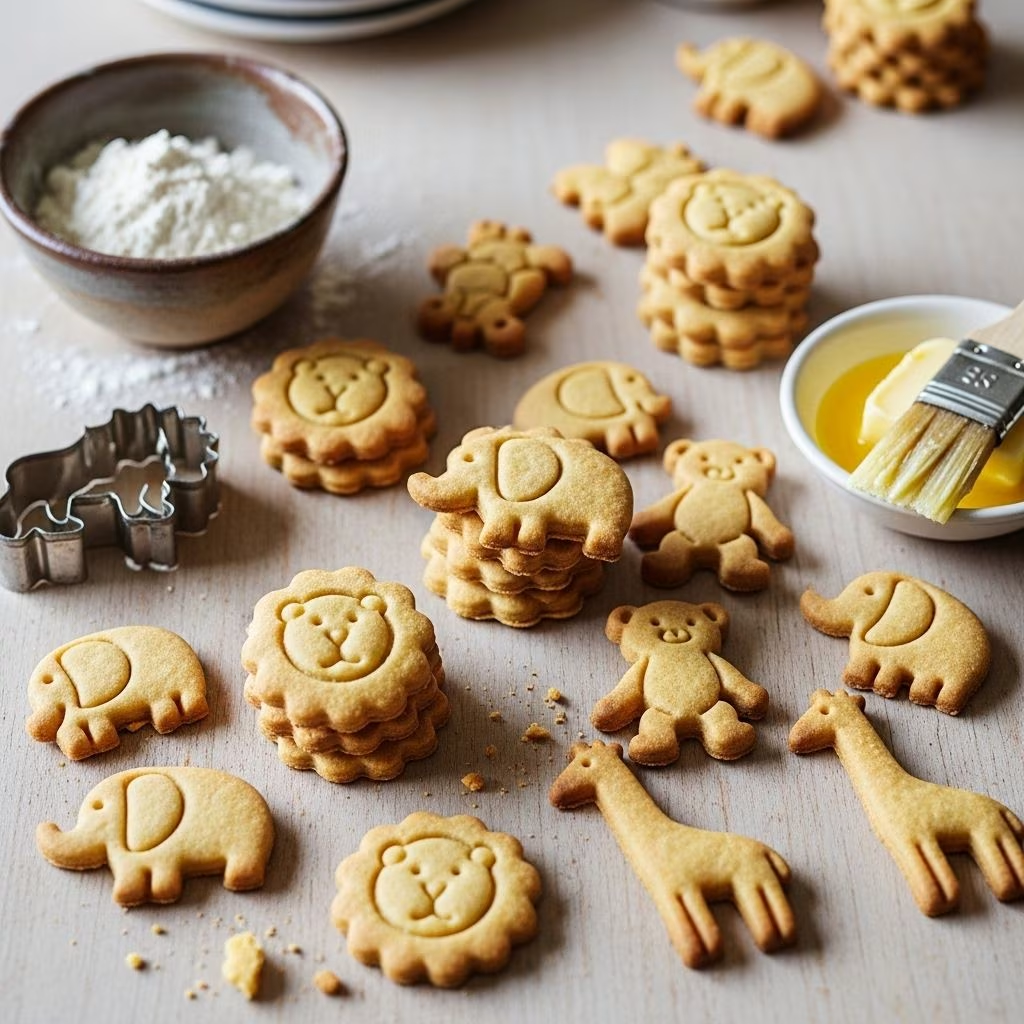
- Roll & cut: Working with one disc at a time, roll out to just over 1/8″ thick—approximately a 10-inch square. Cut out animals using plunger-style cookie cutters for intricate shapes. (Dip cutters in flour to prevent sticking.)
- Transfer & re-roll: Carefully separate cutouts from dough. Use a thin spatula to transfer to a parchment-lined baking sheet. Gather scraps, re-roll, and repeat for maximum yield.
- Bake: Bake at 350°F on the center rack for about 12 minutes, until golden edges and firm.
- Cool: Allow crackers to cool fully on wire racks for optimal crispness.
- Store: Animal crackers remain fresh for up to 1 month in an airtight container at room temperature.
Tools and Techniques for Perfect Crackers
Baking animal crackers isn’t merely about the dough—it’s about achieving consistently crisp, flavorful shapes reminiscent of the classic snack. Here are essential tools and techniques:
- Food processor: Ensures uniform blending and fine texture, especially when using freeze-dried corn.
- Plunger-style animal cookie cutters: These cutters press detailed lines and textures into the shapes, enhancing classic animal cracker aesthetics.
- Parchment-lined baking sheet: Prevents sticking and aids in even browning.
- Thin spatula: Facilitates delicate transfer of shapes to the baking sheet without warping.
- Wire rack: Provides fast, complete cooling for maximum crunch.
- Chilling time: Key for preventing dough from sticking and shapes from spreading during baking.
Troubleshooting & Tips
Even with careful preparation, issues can arise. Here’s how to handle common animal cracker challenges:
- Dough too sticky? Chill longer or incrementally add flour to the rolling surface.
- Cutters sticking? Dip in flour between cuts and clear cutter lines with a toothpick if needed.
- Edges browning unevenly? Rotate baking sheet halfway through bake. Thin, consistent rolling prevents over-darkening.
- Soft crackers? Allow to fully cool and bake slightly longer for increased crunch.
- Dough breaking? Handle gently and avoid over-mixing once egg yolks are incorporated.
Icing & Decoration Variations
Classic animal crackers are unadorned, but frosted animal cookies are an American favorite, especially with pastel pink glaze and sprinkles. To adapt this recipe for iced crackers:
- Whisk 1 cup powdered sugar with 1–2 tablespoons milk and ½ teaspoon vanilla extract to form a glaze.
- Dip cooled crackers halfway or drizzle over tops.
- Decorate with colored nonpareil sprinkles for authentic iced-animal-cookie style.
- Allow icing to set completely before storing.
For fun, divide glaze between bowls and tint with gel food coloring for variety.
Storing and Shelf Life
Homemade animal crackers stored in an airtight container remain fresh and crisp for up to one month. For best texture, keep in a cool, dry location away from direct sunlight. To extend crispness, include a packet of food-safe desiccant in the container. Avoid refrigeration, which can soften crackers due to moisture absorption.
Nutritional Information
| Per Animal Cracker (approx.) | Value |
|---|---|
| Calories | 15 |
| Total Fat | 0g |
| Cholesterol | 8mg |
| Sodium | 14mg |
| Carbohydrates | 2g |
| Sugar | 0g |
| Protein | 1g |
These nutritional values are approximate, based on standard recipes and average serving sizes. Actual content may vary based on ingredient brands and substitutions.
History & Fun Facts: The Animal Cracker Legacy
- Origins: Animal-shaped crackers were first produced in England in the 19th century, reaching America as “Barnum’s Animals” by 1902.
- Classic packaging: The iconic circus-themed box debuted for Christmas in 1902, complete with a string handle for hanging as an ornament.
- Shapes: While original sets included bear, lion, elephant, and tiger, modern versions feature over 50 shapes, including camels and hippos.
- Texture trends: Over years, mass-production led to drier, sweeter crackers—homemade versions restore buttery richness and balanced sweetness.
- Why malted milk? This powder evoked nostalgic, dairy notes found in the original formulas, helping home bakers recapture lost flavors.
Frequently Asked Questions (FAQs)
Q: Can I make animal crackers without a food processor?
A: Yes. Blend the freeze-dried corn in a blender or spice grinder, then use a pastry cutter or hands to incorporate butter for texture.
Q: Are animal crackers suitable for young children?
A: Absolutely. The mild sweetness and crunchy, playful shapes make them ideal for kid-friendly snacks, lunchboxes, and parties.
Q: Can I make these crackers gluten-free?
A: Substitute all-purpose flour with a 1-to-1 gluten-free blend. Be aware that texture may differ; chilling and careful rolling help maintain crispness.
Q: How do I achieve the classic animal cracker shapes?
A: Use plunger-style animal cutters, dip in flour to prevent sticking, and press firmly for detailed impressions. Avoid cutters larger than 2 inches for authenticity.
Q: Can I freeze the dough?
A: Yes. Wrap portions in plastic and freeze for up to a month. Defrost overnight in the refrigerator before rolling and baking.
Tips for Success
- For maximum crispness, ensure dough is rolled thin and even. Thicker crackers will be softer.
- If dough is especially sticky, dust rolling pin and surface generously with flour.
- For icing variations, wait until crackers are fully cooled before frosting; this prevents melting and softening.
- Store un-iced crackers separately from iced versions to maintain texture.
- Personalize shapes and colors for holidays, birthdays, or themed events—kids particularly enjoy custom creations!
Serving Ideas & Pairings
- Classic snack: Enjoy on their own or paired with milk, tea, or coffee.
- Creative plating: Add to dessert boards with fruit, cheeses, or jams.
- School lunches: Package in reusable containers for a nutritious, homemade treat.
- Holiday celebrations: Decorate with festive icing colors and sprinkles for themed events.
- Gifting: Arrange in boxes or small jars tied with ribbon for charming homemade gifts.
Conclusion: The Joy of Creating Animal Crackers at Home
Homemade animal crackers deliver not only superior taste and texture but an opportunity to rekindle childhood nostalgia and baking creativity. With BraveTart’s science-based approach and thoughtful ingredient selection, bakers of every level can create animal crackers that evoke the original spirit of this American treat—elevated with contemporary flavor and charm. Whether you follow the classic formula or explore frosted and flavored variations, these crackers delight in every bite.