Bagna Cauda: Italy’s Warm and Savory Anchovy-Garlic Dip
Bagna cauda is a signature dish from Italy’s Piedmont region, celebrated for its hearty flavor and communal spirit. With its base of anchovies, garlic, butter, and olive oil, this dip is traditionally served warm—inviting guests to gather and dip an array of crunchy vegetables and rustic bread. As both a humble snack and a festive spread centerpiece, bagna cauda captures not only the northwestern Italian palate but also the convivial nature of Italian gatherings.
What Is Bagna Cauda?
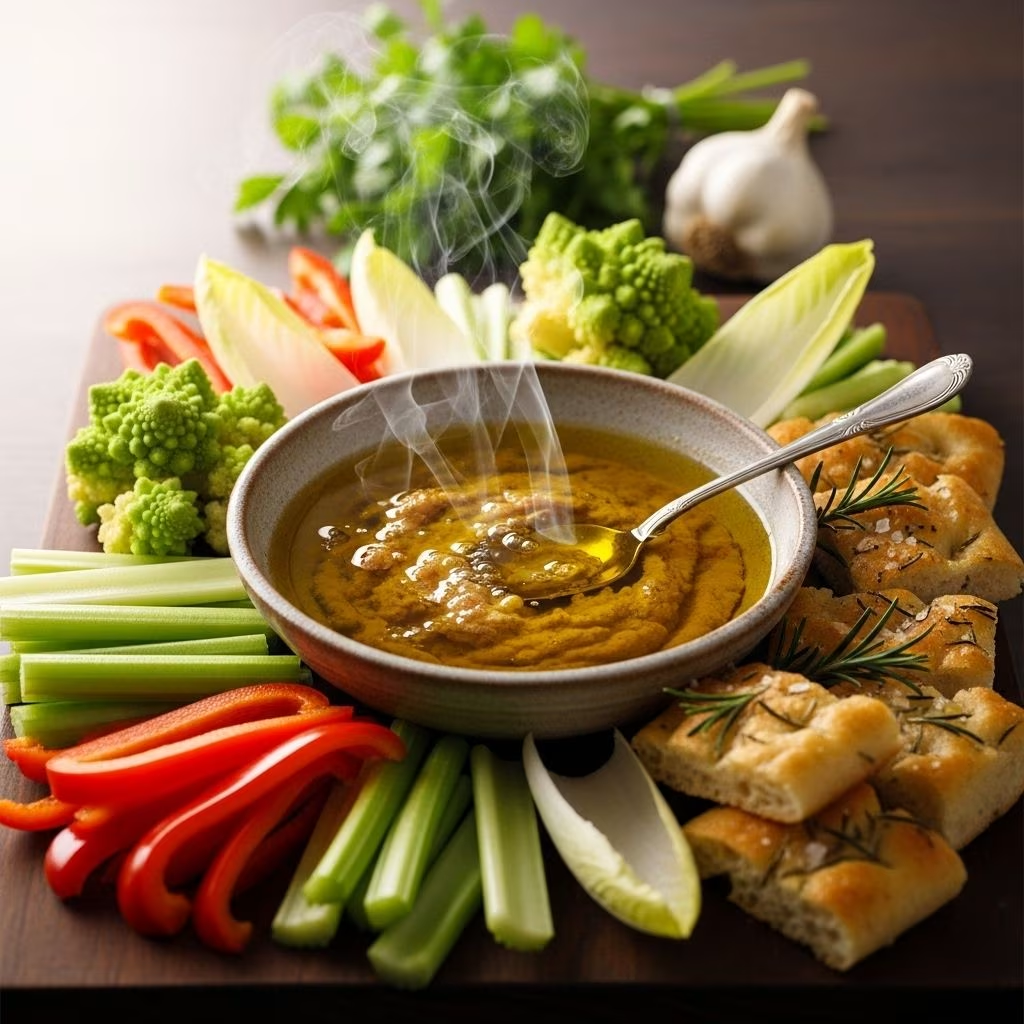
Bagna cauda—translating to “hot sauce” in the Piedmontese dialect—is a robust, melting-pot of flavors designed for sharing. It’s simultaneously a sauce and dip, made from a slow emulsion of oil-packed anchovies, plenty of garlic, quality olive oil, and creamy butter. Eaten hot and often presented in a fondue-style vessel, it’s paired with platters of fresh and blanched vegetables and hunks of crusty bread.
- Origins: Piedmont, Northwest Italy
- Literal translation: “Hot dip” or “warm bath”
- Core ingredients: anchovies, garlic, butter, olive oil
- How served: Kept warm for communal dipping
- Main accompaniments: Raw/crunchy vegetables (crudités) and bread
Ingredients: What Goes Into Bagna Cauda?
Authentic bagna cauda uses only a handful of ingredients, but their quality is pivotal to the end result. Every element is chosen for its deep flavor and ability to contribute to a velvety, savory dip.
| Ingredient | Role in the Dip | Tips |
|---|---|---|
| Anchovy Fillets | Provide concentrated umami saltiness | Use oil-packed anchovies; drain well and mince finely |
| Garlic | Adds spicy depth and warmth | Mince or slice finely; quantity can be adjusted for taste |
| Olive Oil | Forms the dip’s luscious base | Opt for good-quality extra-virgin for maximum flavor |
| Butter | Lends creaminess and richness | Preferably cultured, salted, from grass-fed cows if possible |
| Vegetables & Bread | For dipping and scooping | Mix fresh, raw, and blanched seasonal vegetables; use crusty bread |
Optional Ingredients and Variations
- Cream: A splash of milk or cream can be added for a lighter touch (though not strictly traditional).
- Herbs or Pepper: A touch of freshly ground pepper or chopped parsley can finish the sauce.
- Garlic preparation: Soaking garlic in milk or blanching can tame its pungency for those sensitive to raw garlic’s heat.
How to Make Classic Bagna Cauda
Bagna cauda’s preparation is remarkably simple, but requires gentle heat and attention. The sauce is best made close to serving time for ultimate freshness and ease of keeping it warm.
- Mince garlic and anchovy fillets finely. This ensures they infuse smoothly into the fat.
- In a small saucepan, combine olive oil and butter over medium-low heat. Warm gently until the butter just foams.
- Add the garlic, simmering gently and letting it soften (not brown) for 8–10 minutes.
- Add minced anchovies. Stir and mash them into the fat until they dissolve and the sauce is nearly homogenous.
- Keep the mixture warm but never let it boil. Remove from heat when everything is melted and aromatic.
- Pour into a heatproof bowl or traditional terracotta pot (fujot), or keep warm over a sterno, tea light, or fondue burner for communal dipping.
Pro Tip: The sauce should be served warm. Prepare just before guests arrive, or gently reheat if making ahead.
Make-Ahead and Storage Tips
- Mince garlic and anchovies in advance; refrigerate up to 24 hours before use.
- Fully assembled bagna cauda can be made a day ahead and gently reheated on the stove.
- Blanch or prep vegetables in advance, storing covered and chilled.
What to Serve with Bagna Cauda
The dip’s deepest pleasure lies in the contrast of crispy, mild vegetables with the hot, savory bath. Traditional and modern serving accompaniments include:
- Raw vegetables (crudités): Belgian endive, cauliflower, fennel, celery, carrots, cabbage, radishes, sweet peppers
- Blanched vegetables: Asparagus, broccoli, green beans (briefly boiled and cooled)
- Crusty bread: Rustic Italian loaves or baguettes, sliced
- Alternative pairings: Roasted potatoes, artichoke hearts, boiled eggs
Best Practices for Platters
- Arrange veggies and bread on a large serving platter surrounding the warm bagna cauda pot.
- Provide skewers or forks for dipping.
- Keep the sauce warm at the table with a candle or sterno if possible.
Variations and Modern Twists
While Piedmontese purists often stick to the classic template, creative cooks and chefs have found ways to adapt bagna cauda for new occasions and preferences, including:
- Bagna Cauda on Popcorn: Toss hot, air-popped popcorn with spoonfuls of the sauce for a surprising umami snack.
- Pasta Sauce: Use bagna cauda as a punchy sauce for cooked pasta, adding roasted vegetables and a sprinkle of herbs.
- Drizzle for Fish or Chicken: Serve as a finishing touch for grilled fish, chicken, or even steak.
- Smooth Blended Sauce: For those who prefer a uniform texture, blend the finished sauce until perfectly smooth.
Quality Ingredients: Keys to Flavor
- Anchovies: Opt for an oil-packed, high-quality brand; the anchovies should be firm, glossy, and not overly salty.
- Butter: Choose cultured, grass-fed, and salted varieties for the richest flavor, but any good-quality butter works well.
- Olive Oil: Full-bodied, extra-virgin oil brings depth, though you don’t need to use your rarest, most astringent bottle since it will be warmed.
- Vegetables: Go seasonal and mix color, flavor, and texture. Vegetables with nooks or crannies (like asparagus tips or broccoli florets) hold the dip best.
- Bread: Tight-crumbed, sourdough baguette is ideal, but any hearty, crusty bread is delicious.
The Art of the Fondue Pot (Fujot)
Traditionally, bagna cauda is served in a terracotta pot called a fujot. This vessel, kept warm with a candle or burner underneath, allows diners to dip directly into the sauce without it cooling down. If you don’t have this classic pot, a ceramic fondue pot or even a small saucepan over gentle heat will suffice.
Nutrition and Serving Suggestions
Bagna cauda is unabashedly rich, thanks to its anchovy, buttery base, and generous olive oil. While values can vary according to ingredient ratios, a standard portion served with veggies and bread contains:
- Calories: ~225 per serving
- Carbohydrates: ~20g (mainly from vegetables and bread)
- Protein: ~6g
- Fat: ~14g
- Fiber: ~3g
While indulgent, it’s balanced when served alongside plentiful raw and cooked vegetables.
Serving Tips & Entertaining Advice
- For parties: Set up bagna cauda as a centerpiece surrounded by a rainbow of veggies and sliced bread for easy sharing.
- For intimate dinners: Offer personal dipping bowls and keep the main pot warm on the table.
- Pair with Italian red wines: Light-bodied barbera or dolcetto match the dip’s salty and creamy notes.
- Encourage guests to mix and match vegetables for different flavor experiences.
Common Questions About Bagna Cauda
Q: Can I make bagna cauda without anchovies?
A: Anchovies are essential to bagna cauda’s signature flavor. For vegetarians, experiment with capers or miso for umami, but the result will be different from tradition.
Q: Is bagna cauda very garlicky?
A: Yes, garlic is a central flavor. You can tame its intensity by simmering garlic gently, soaking in milk, or reducing the quantity to taste.
Q: How do I keep my bagna cauda from separating?
A: Slow, gentle heat and continuous stirring help. Avoid letting the mixture boil, and eat promptly for the smoothest texture.
Q: Can I reheat leftover bagna cauda?
A: Yes, reheat gently over low heat. Stir frequently. It will solidify when chilled but remelts smoothly.
Q: What can I do with leftover bagna cauda?
A: Toss with hot pasta or roasted vegetables, or use as a spread for sandwiches for an extra boost of savory flavor.
Expert Tips for Perfect Bagna Cauda
- Use high-quality anchovies and butter—the dish is simple, so every ingredient matters.
- Stir continually while melting to blend the flavors and prevent burning.
- Serve warm and fresh for the best flavor and texture.
- Feel free to adjust garlic intensity to suit your palate by altering quantity or pre-cooking.
- Offer a selection of dipping vehicles—fresh, blanched, and roasted vegetables, plus good bread.
Why Bagna Cauda Endures
Bagna cauda remains beloved for its unapologetic, bold flavor and its ability to bring people together around a steaming, savory pot. Whether you stay true to its Piedmontese roots or add your own modern twist—maybe even drizzling over popcorn—it’s a celebratory dish that draws on both rustic tradition and communal warmth.