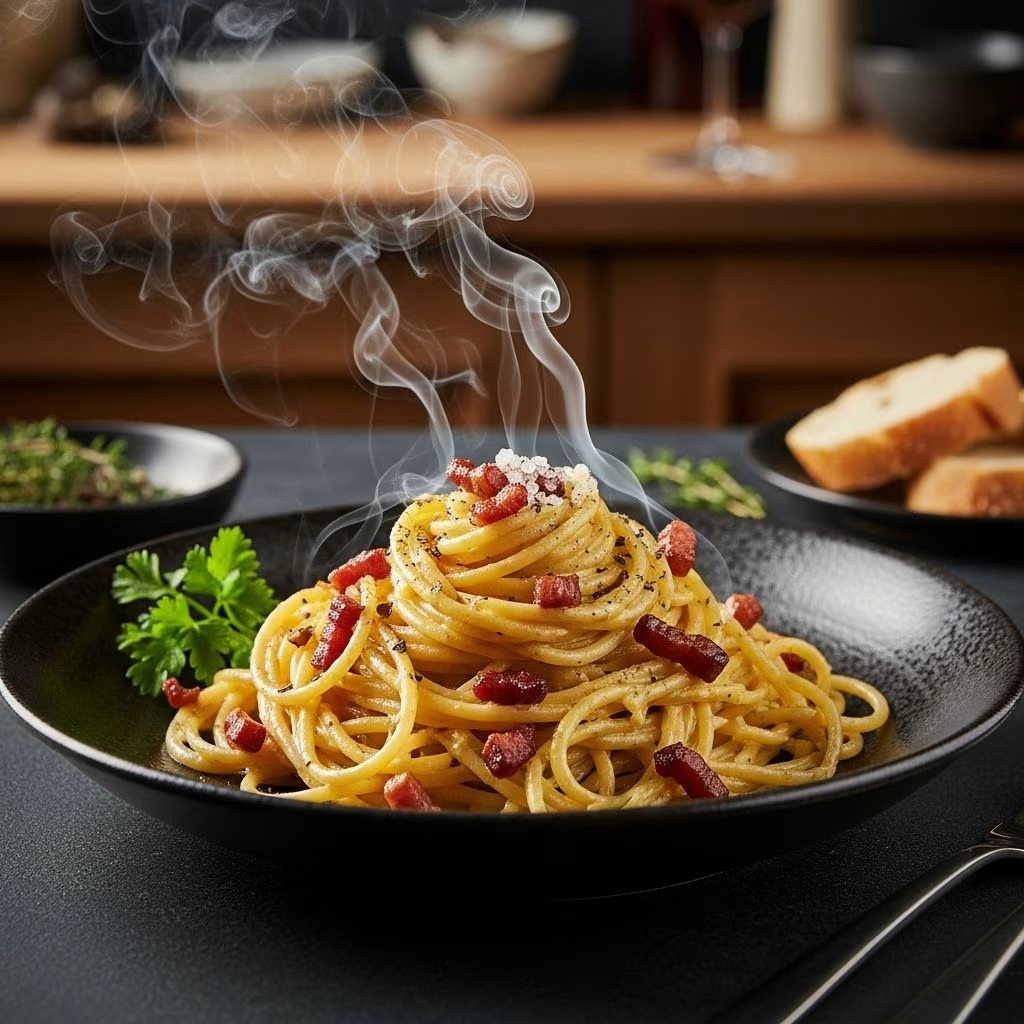
Smoky Spaghetti Carbonara With Smoked Salt
Few dishes have the enduring legacy and well-guarded tradition of spaghetti carbonara. Revered among the four cornerstones of Roman pasta, it relies on a precise harmony between eggs, aged cheese, crispy pork, and assertive black pepper. But what if you crave a subtle note of smoke—something more than the pork can provide, but gentler than heavy-handed liquid smoke or grilling? Enter smoked salt: a tool for adding controlled, sophisticated smokiness without losing the spirit of the classic.
Why Add Smoke to Carbonara?
Traditional carbonara is already rich with flavor, courtesy of cured pork (like guanciale), cheese, and eggs. Many cooks attempt to amplify a smoky element by using smoked meats or even barbecue techniques; however, these can quickly tip the balance, masking the delicate interplay at the heart of the dish.
- Smoked salt introduces a gentle, underlying smokiness without overwhelming the dish.
- It preserves the creamy, silky texture and the signature combination of cheese, eggs, and pork.
- It offers an easy way to tweak flavor intensity by simply adjusting the amount used.
Ingredients Matter: The Backbone of Carbonara
The soul of any great carbonara is its ingredients. Every element should be carefully chosen to maintain balance:
- Pasta: Choose high-quality dry spaghetti for that quintessential Roman texture and starch release.
- Pork: Guanciale (cured pork jowl) is the gold standard, imparting both flavor and essential fat. Pancetta is a suitable substitute. Avoid introducing smoked bacon, which can overwhelm the sauce’s subtlety.
- Eggs: Only yolks (or some whole eggs mixed with yolks) help deliver the desired creaminess without making the sauce thin or eggy.
- Cheese: Use pecorino Romano for its salty tang, or a blend with Parmigiano-Reggiano for complexity.
- Pepper: Always use freshly ground black pepper for sharp, floral spice.
- Smoked Salt: Flake-style salts (like Maldon) are ideal for their texture and gentle distribution. Different brands vary; start conservatively and taste as you go.
The Science and Technique Behind a Perfect Sauce
The biggest challenge in carbonara is creating a silky, creamy emulsion that coats each strand of pasta without scrambling the eggs. Here’s how technique and science combine for success:
- Egg Curds vs. Creamy Sauce: Direct heat rapidly cooks eggs. To avoid curds, cool your cooked pasta slightly before combining with the egg-cheese mixture.
- Double Boiler Method: Setting a bowl with your pasta and sauce mixture over the hot pasta water acts as a makeshift double boiler. This indirect gentle heat ensures thickening without scrambling.
- Starch and Fat: Reserved pasta water contains starch, which helps emulsify pork fat with the eggs, creating that glossy, cohesive sauce.
Step-by-Step: Building a Smoky Carbonara
- Crisp the pork: Render guanciale or pancetta over moderate heat to maximize fat and crispness. Remove all excess oil except a moderate coating for flavor.
- Mix the sauce base: Whisk together egg yolks, cheese, smoked salt (to taste), and plenty of black pepper in a bowl large enough to eventually hold the pasta.
- Cook the pasta: Boil until just barely al dente.
- Combine and emulsify: Toss hot, drained pasta with pork and some of the rendered fat, then quickly mix in the egg-cheese base and a ladle of pasta water.
- Gently heat: If needed, place the bowl over the pasta pot (off the heat), stirring constantly, until the sauce becomes creamy and thick enough to coat the noodles.
- Serve immediately: Finish with extra cheese, more smoked salt as desired, and a shower of fresh black pepper.
Understanding Smoked Salt: Types and Flavor Profiles
Smoked salts are produced by cold-smoking sea salt flakes over various woods, absorbing complex aromas and colors. Not all smoked salts are equal:
- Lightly smoked, fine-flake salts give a nuanced woodsy note ideal for carbonara.
- Dense, heavily smoked salts or liquid smoke-based products can easily overpower—use sparingly or avoid.
- Woods like oak, alder, or apple tend to be less assertive and are widely compatible with Italian flavors.
Smoked salt is best added sparingly at multiple points (in the egg mixture, and as a finishing touch) to layer the flavor and prevent over-seasoning.
Tips for Balancing the Smoke
- Start with less: It’s easier to add more smoked salt than to remove excess smokiness.
- Taste as you go: Build flavor incrementally, especially if trying a new brand or type of smoked salt.
- Don’t abandon the pork: The pork’s savor and sweet fat are core to carbonara; smoked salt should be a background note, not the star.
- Pair conservatively: Avoid adding other smoked or heavily seasoned elements—simplicity allows the smoke to shine without muddying the dish.
Testing: Is Smoked Salt Worth It?
Extensive kitchen tests reveal that when used judiciously, smoked salt:
- Delivers a clean, controlled smoky aroma that lingers in the background.
- Enhances rather than masks the classic characteristics of Roman carbonara.
- Is superior to using smoked meats or artificial flavorings, which can clash with the cheese and eggs.
However, smoked salt will not transform carbonara into a “barbecue” pasta. Its virtue is subtlety—think of it as the softest breath of campfire, rather than an assertive grill smoke.
Full Recipe: Smoky Spaghetti Carbonara With Smoked Salt
| Ingredient | Amount |
|---|---|
| Dry spaghetti | 400 g (14 oz, about 4 servings) |
| Guanciale or pancetta | 120 g (4 oz), cut into cubes |
| Egg yolks | 4 large |
| Pecorino Romano | 60 g (2 oz), finely grated |
| Parmigiano-Reggiano (optional) | 30 g (1 oz), finely grated |
| Black pepper | 2 tsp, freshly ground, or to taste |
| Smoked salt | 1/2–1 tsp, or to taste |
| Reserved pasta water | As needed (about 1/2 cup) |
- In a large skillet, render guanciale over medium-low heat until crisp. Drain, reserving a tablespoon of fat.
- In a mixing bowl, whisk egg yolks, cheeses, smoked salt, and black pepper until smooth.
- Cook spaghetti until just al dente. Reserve ½ cup of pasta water, then drain.
- Toss the hot pasta with the warm pork and its fat to coat, then add to the egg-cheese bowl.
- Add a splash of pasta water and toss vigorously. Adjust seasoning and consistency with more water and smoked salt if needed.
- Serve immediately, garnished with extra cheese, pepper, and a sprinkle more smoked salt.
Serving Suggestions and Pairings
- A simple arugula or chicory salad (lemon, olive oil, salt) balances the richness.
- Choose dry, mineral-driven white wines such as Verdicchio, or a light Italian red like Chianti Classico.
- Crusty bread is optional but perfect for swiping up any extra sauce.
Common Questions About Smoky Carbonara
Q: Can I make this without smoked salt?
A: Yes. If you prefer, use only regular sea salt for a traditional carbonara flavor, or add a pinch of smoked paprika for a gentle alternative.
Q: What about using smoked bacon or pancetta?
A: Smoked bacon introduces a much stronger and often artificial smoke flavor that can overpower the sauce. Smoked salt is preferable for a subtle effect.
Q: How do I keep my eggs from scrambling?
A: Make sure your pasta is not scorching hot when mixing, use a large bowl, and stir constantly. The double boiler method adds extra control and is highly recommended for beginners.
Q: Is grated cheese necessary, or can I use pre-shredded?
A: Freshly grated cheese melts best and helps emulsify the sauce. Pre-grated cheese often contains anti-caking agents and will not produce the same result.
Q: Can I make this recipe gluten-free?
A: Yes. Substitute with high-quality gluten-free spaghetti and follow the same method. You may need to adjust the amount of reserved pasta water due to starch differences.
Expert Tips for Ultimate Carbonara
- Room temperature ingredients (eggs, cheese) blend more smoothly and thicken evenly.
- Toss the pasta and sauce in a large bowl, not a skillet—this avoids overheating.
- Don’t overcook or over-season: subtlety is key in achieving proper balance with smoked salt.
Conclusion: Tradition With a Twist
The addition of smoked salt offers a respectful, clever twist to classic carbonara, appealing to anyone seeking the warmth of smoke without sacrificing heritage or refinement. With a careful hand, a few smart techniques, and attention to detail, you can enjoy a plate of creamy, smoky pasta that nods to tradition while embracing modern flavor curiosity.