Baking Birdie Bread With Kids: A Feathered Family Adventure
Few experiences blend culinary creativity, hands-on learning, and inter-species bonding quite like baking birdie bread with children. This wholesome treat, beloved by pet parrots and their keepers, transforms a simple baking project into an occasion for family connection and educational enrichment. Whether you are a seasoned parrot owner, a parent seeking an engaging home activity, or simply curious about unique family-friendly recipes, this guide will walk you through every step—from gathering ingredients to sharing the final product with your feathered friends.
Why Birdie Bread?
Birdie bread is more than just a snack for parrots; it’s a vehicle for healthy nutrition and creative enrichment. It can be tailored to specific dietary needs, introduces a variety of flavors and textures, and can even be incorporated into foraging and play activities. For kids, making birdie bread becomes both a culinary and zoological lesson—teaching responsibility, patience, mathematical concepts through measuring, and developing fine motor skills.
Getting Started: Preparation and Planning
- Choose a Recipe: Select a base recipe suitable for parrots, avoiding harmful ingredients (such as chocolate, avocado, or highly processed foods).
- Gather Supplies: You’ll need basic kitchen tools—bowls, spoons, measuring cups, and a baking pan (or muffin cups).
- Prioritize Safety: Always supervise children around ovens and sharp utensils, and consider allergies or dietary restrictions for both humans and birds.
Essential Equipment
- Oven (preheated, typically to 350-400°F / 175-200°C)
- Baking dish or muffin pan
- Mixing bowls and spoons
- Measuring cups and tablespoons
- Food processor or blender (optional)
Birdie Bread: Building the Base Recipe
Birdie bread can be endlessly customized based on your bird’s tastes and available pantry staples. Here’s a classic foundation:
- Whole grain flour (wheat, oat, spelt, corn, or chickpea)
- Rolled oats
- Eggs (for protein and structure)
- Healthy oil (coconut, olive, or canola)
- Vegetables (grated carrots, broccoli, peas, sweet potato)
- Fruit (apples, bananas, berries; avoid seeds and pits)
- Water or unsweetened applesauce (for moisture)
- Parrot-safe spices (such as cinnamon or ginger, optional)
Sample Birdie Bread Recipe
| Ingredient | Amount |
|---|---|
| Whole wheat flour | 1 cup |
| Oats | 1 cup |
| Eggs | 2 large |
| Unsweetened applesauce | 1/4 cup |
| Oil (coconut or olive) | 2 tbsp |
| Grated carrot | 1 medium |
| Mashed banana | 1 |
| Water | 1/2 cup |
| Parrot-safe spices | 1 tsp (optional) |
Exploring Creativity: Customizing Birdie Bread
Consider these ideas for making each batch of birdie bread unique—and an adventure in kitchen creativity for kids:
- Mix and match flour types: Try spelt, oat, almond, or corn flour. Blitz parrot pellets for a novel twist.
- Vary fruits and veggies: Seasonal produce means every bake is different. Strawberries, blueberries, pumpkin, and spinach boast flavor and nutrition.
- Seeds and nuts: Sprinkle parrot-safe seeds (millet, sunflower without salt) or chopped nuts (avoid peanuts) in or on top.
- Add enrichment: Insert a wooden spoon into muffin cups before baking to create holes for stringing bread onto toys, promoting foraging play.
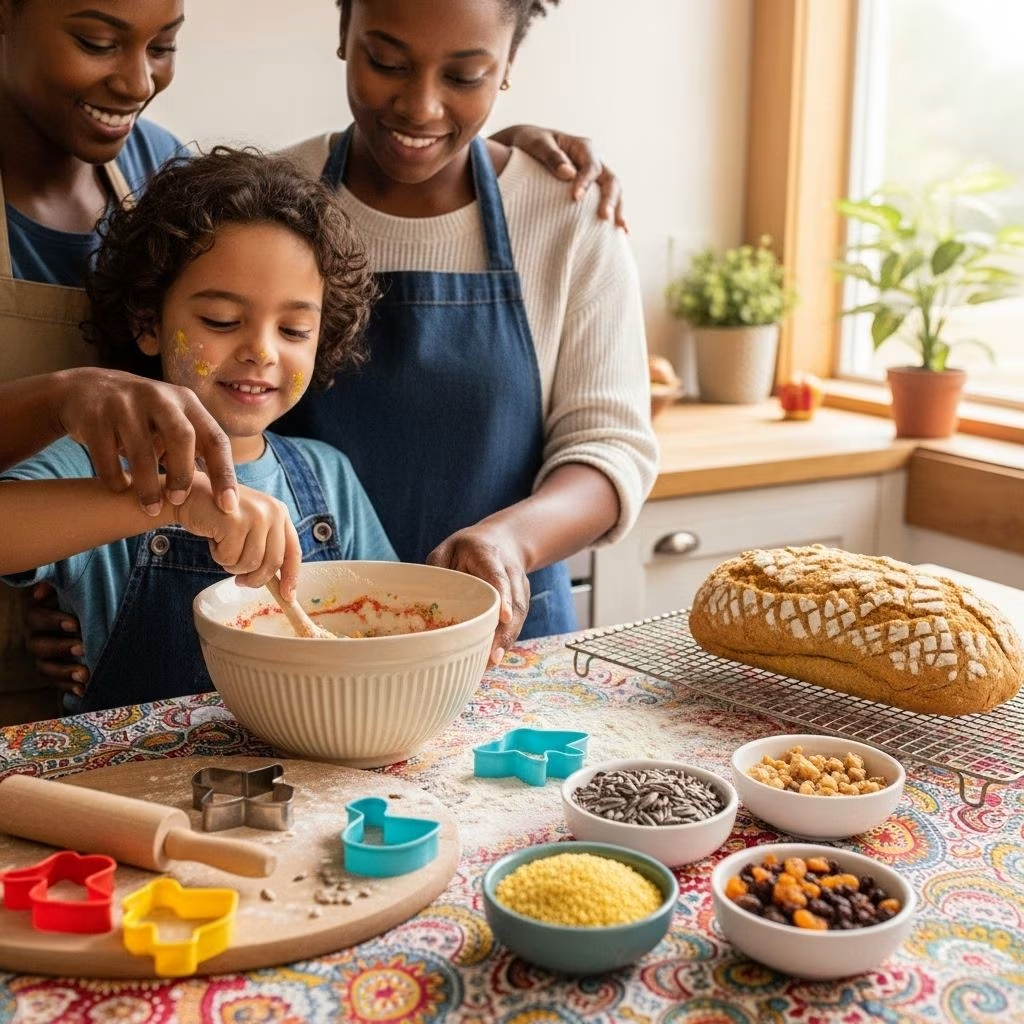
- Shape fun: Use cookie cutters or shape dough into bird-friendly forms to delight kids and parrots alike.
Tips for Kid-Friendly Kitchen Collaboration
- Assign age-appropriate tasks: Young children can wash veggies and measure dry ingredients; older ones can crack eggs and stir the mixture.
- Teach measuring and mixing: Use baking as a way to learn fractions, sequencing, and the science behind cooking.
- Encourage creativity: Let kids choose mix-ins and decorations, experimenting with shapes and toppings.
Step-by-Step: Baking Process
- Preheat the oven to 350-400°F (175-200°C). Grease your pan or muffin cups with coconut or olive oil.
- Mix dry ingredients in a large bowl: flour, oats, baking powder if using.
- Beat eggs and oil (and applesauce, if using) separately. Mix into the dry ingredients.
- Stir in grated vegetables and fruits. Adjust with water until mixture resembles thick cake batter. If too dry, add more water or applesauce; if too wet, more flour.
- Spoon into baking dish or muffin cups. Sprinkle seeds or oats for extra enrichment.
- Bake for 30-40 minutes, until firm and toothpick comes out clean.
- Cool completely before serving—even a slight warmth can harm a bird’s sensitive mouth.
Storing and Serving
- Cut birdie bread into daily portion squares; freeze extras for up to a month.
- Defrost portions as needed in the microwave or refrigerator. For smaller birds, crumble bread into bite-size pieces; larger parrots may prefer chunkier servings.
- Birdie bread keeps in the refrigerator for one week. Always check for mold or off smells before serving.
Beyond Baking: Birdie Bread as Enrichment
Birdie bread’s versatility isn’t limited to nutrition—it also supports enrichment, vital for a parrot’s physical and mental well-being. Use birdie bread creatively to encourage natural behaviors:
- Foraging toys: String bread cubes on safe materials or hide pieces in foraging boxes for mental stimulation.
- Training rewards: Use small chunks as positive reinforcement during taming or trick-training sessions.
- Bonding rituals: Involve children in daily feeding routines, strengthening caregiving skills and inter-species empathy.
Incorporating Birdie Bread Into Play
- Color and shape exploration: Invite children to create bread in a rainbow of colors using natural fruits and veggies; talk about parrot favorites and avian vision.
- Storytelling: Encourage kids to imagine themselves as birds, choosing ingredients for a fictional flock.
Nutrition & Safety: What Kids (and Parents) Should Know
Birdie bread must balance palatability and nutrition. Here are the pillars of safe, healthy baking for parrots:
- Limit sugar and salt: Avoid sweeteners, salty ingredients, and processed foods.
- Always avoid toxic foods: Never include chocolate, avocado, onions, garlic, caffeine, or dairy-rich products.
- Monitor portion size: Birdie bread is a nutritious treat, but shouldn’t replace a varied, balanced parrot diet.
- Handle leftovers safely: Discard uneaten bread within a few hours to prevent spoilage.
Encouraging Healthy Eating Habits—for Birds and Kids
Baking birdie bread together instills a culture of shared, healthy eating—and curiosity about nutrition. Children learn to:
- Explore new flavors by tasting (safe) ingredients—sometimes discovering they enjoy foods they previously avoided.
- Develop empathy through awareness of their bird’s unique needs and preferences.
- Grow food literacy by experimenting with substitutes, reading labels, and exploring where ingredients come from.
FAQ: Common Questions About Birdie Bread
Q: Can I use regular flour for birdie bread?
A: It’s best to use whole grain options like oat, spelt, corn, or wheat flour for maximum nutrition. Avoid self-rising and bread mixes with extras.
Q: Is it safe for children to eat birdie bread?
A: Most birdie breads are safe for humans, though they may taste bland. Always exclude eggshells, cuttlebone, or other avian-only enrichments if serving to kids.
Q: How can I make birdie bread more interesting for my parrot?
A: Vary ingredients regularly, try baking as mini-muffins with holes for stringing, and include a mix of textures (soft bread, crunchy seeds, moist veggies).
Q: What’s the best way to store birdie bread?
A: Freeze cut squares or muffins for up to a month. Refrigerate for short-term storage and discard after a week to prevent spoilage.
Q: Can birdie bread help fussy birds eat more vegetables?
A: Yes! Baking veggies into birdie bread often makes them more appealing. Start with mild options (carrot, sweet potato) and gradually introduce green vegetables.
Birdie Bread Inspiration: Substitutions and Flavor Variations
- Flour swaps: Try chickpea, buckwheat, or parrot pellet powder.
- Fruit and veggie blends: Apple-carrot-sweet potato for mild flavor; banana-blueberry-spinach for adventurous birds.
- Add-ins: Millet, flax seed, or chopped nuts (for larger parrots).
- Flavor bursts: Pinch of cinnamon or paprika (never spicy chilis).
Conclusion: A Delicious Path to Family and Avian Enrichment
Baking birdie bread with kids is much more than following a recipe—it’s a way to foster family bonds, develop life skills, and support your bird’s physical and emotional needs. The kitchen becomes a classroom, the oven a source of wonder, and the finished treat a reward shared by all. As you experiment and adapt, you’ll discover firsthand the power of food to connect—across generations and between species.
References
- https://www.food.com/recipe/wholesome-birdie-bread-for-parrots-256188
- https://birdtricksstore.com/blogs/birdtricks-blog/healthy-birdie-bread-recipe-from-birdtricks
- https://parrotessentials.co.uk/blog/birdie-bread-recipe-quick-easy-parrot-treat
- https://avianenrichment.com/index.php/enrich/enrichment-tips-by-kris-porter/birdie-bread
- https://www.scribd.com/document/832474097/Birdie-bread-Recipe