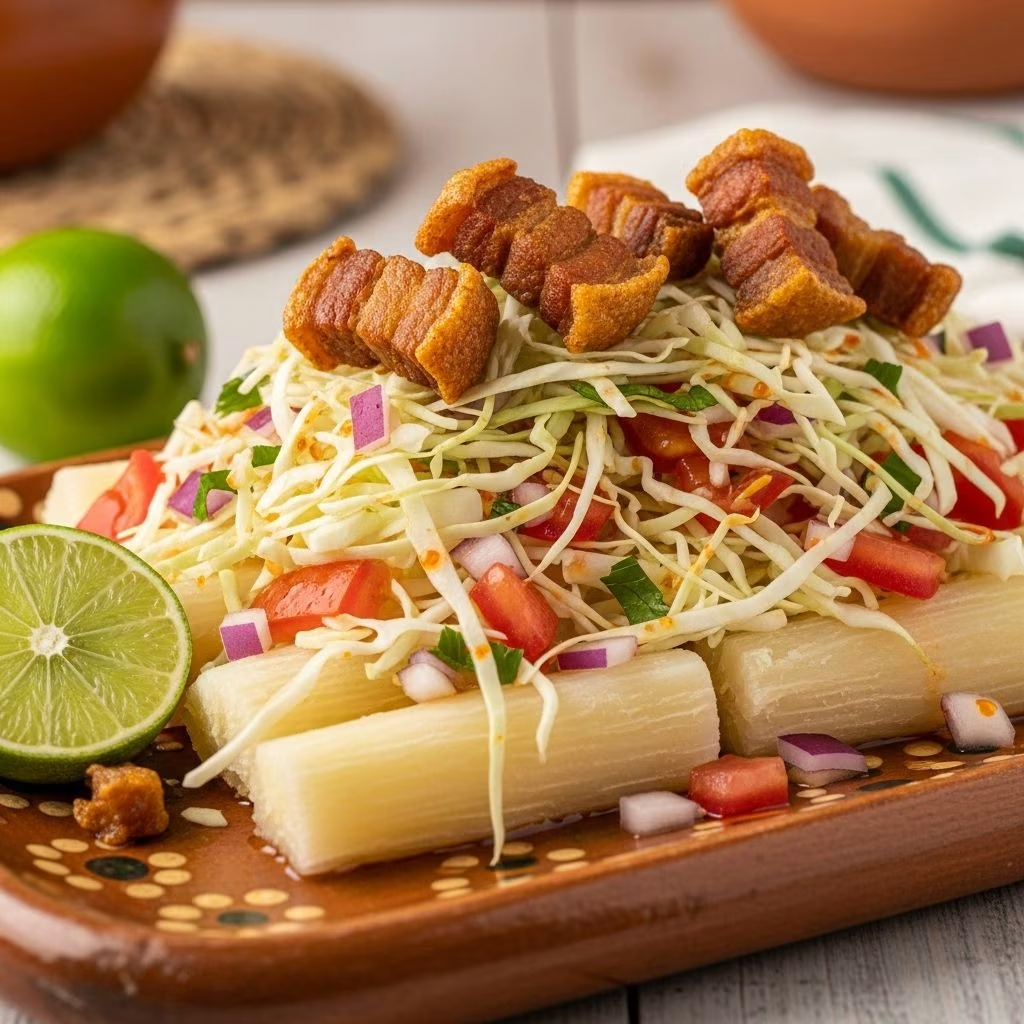
Vigorón, a beloved street food from Nicaragua, combines earthy boiled yuca, crispy pork rinds, and a refreshingly tart cabbage slaw. This guide explores the origins, evolution, and preparation of vigorón, complete with step-by-step instructions, cultural context, and frequently asked questions to help you confidently recreate this iconic Central American dish at home.
What Is Vigorón?
Vigorón is a fast-assembled Nicaraguan snack or light meal comprised of three primary elements:
- Yuca (cassava), peeled, boiled, and cut into chunks
- Chicharrón (crispy pork rinds or fried pork skin)
- Ensalada de repollo (cabbage and tomato slaw, often pickled with vinegar and lime)
Traditionally served atop a banana leaf with a squeeze of lime, vigorón’s contrasting textures and flavors evoke the spirit of Nicaraguan street cuisine.
Origins and Cultural Significance
First enjoyed in Granada, Nicaragua, vigorón dates back to the early 20th century. The dish’s speedy assembly and vibrant flavors made it a street vendor favorite, and its popularity quickly spread throughout the country. Vigorón reflects Nicaraguan creativity—taking readily available, humble ingredients and transforming them into a crowd-pleasing staple. It is now enjoyed everywhere from bustling street corners to festive family tables.
Core Ingredients
Authenticity and balance are key for an excellent vigorón. Here’s what you’ll need:
- Yuca: Opt for fresh roots if possible; frozen peeled yuca is a convenient alternative and widely available in Latin markets.
- Pork Rinds (Chicharrón): Buy airy, crispy pork rinds from a Latin market or prepare homemade fried pork skin for maximum flavor.
- Cabbage Slaw: Finely shredded cabbage, diced tomato, sharp vinegar, fresh lime juice, and salt form the classic salad. Some versions add carrots or onions for extra bite and color.
- Banana Leaf (optional): For service and presentation, but parchment or a platter will suffice in a pinch.
Variations
- Acetic bite: Some cooks use apple cider vinegar, others prefer white—each brings its own acidity; lime juice rounds out the flavor.
- Vegetable additions: Shredded carrot and thinly sliced onion are common additions in different households.
- Protein swap: Authentic versions use pork rinds, but fried pork belly or even neutral store-bought pork rinds (chicharrones) work as substitutes.
Step-by-Step: Making Authentic Vigorón
Let’s walk through how to make vigorón at home, from preparing the yuca to assembling the final plate.
Ingredients List
- 2 lbs fresh yuca (cassava), peeled and cut into chunks
- 1 tsp salt (for boiling)
- 1 lb pork rinds or fried pork skin, broken into pieces
- Half a medium head green cabbage, finely shredded
- 2 Roma tomatoes, seeded and finely diced
- 1/4 cup apple cider or white vinegar
- 1 large lime, juiced
- Salt to taste (for salad)
Optional
- 1/2 cup shredded carrot (for slaw)
- 1/4 small red onion, thinly sliced (for slaw)
- Banana leaves, for serving (washed and cut to size)
Equipment Checklist
- Large pot for boiling
- Cutting board and sharp knife
- Bowl for the slaw
- Colander for draining yuca
- Serving platters or lined plates
Instructions
- Prepare the Yuca:
- Trim off the ends. Slice the yuca into 3-4 inch sections. Use a knife to score through the brown skin and thick white layer underneath.
- Peel the skin off with a knife or your fingers (frozen yuca is already prepped).
- Place yuca in a large pot, cover generously with water, and add 1 tsp salt.
- Bring to a boil, reduce to a simmer, and cook for 20–30 minutes, or until yuca is fully tender yet not falling apart. (Test with a fork.)
- Drain and cool slightly. Remove any fibrous strings in the core, then cut into bite-sized chunks for serving.
- Make the Cabbage Slaw:
- Shred cabbage as finely as possible (mandoline, food processor, or sharp knife).
- Add shredded cabbage to a large bowl. If desired, soak in cold water for 10 minutes to crisp up and mellow any bitterness, then drain well.
- Add tomatoes, vinegar, lime juice, and a good pinch of salt. Mix to combine. Taste and adjust seasoning or acidity as needed.
- For extra crunch and color, mix in shredded carrot and thinly sliced onion.
- Cover and chill until yuca is ready; slaw can be made a few hours ahead for deeper flavor.
- Get the Pork Rinds Ready:
- Homemade: Deep-fry pork skin until puffed and crispy (traditional). Season while hot.
- Store-bought: Break large pork rinds into generous shards (aim for freshly fried from a Latin market, if possible).
- Assemble the Vigorón:
- Line serving plates or trays with banana leaves (if using).
- Arrange a layer of boiled yuca chunks on each plate.
- Top the yuca with a mountain of crisp pork rinds.
- Spoon a generous heap of cabbage salad over the pork and yuca, making sure each plate receives some pickling liquid from the slaw for extra zing.
- Garnish with fresh lime wedges for squeezing at the table.
Preparation Tips and Variations
- Fresh vs. Frozen Yuca: Fresh yuca offers the best texture but is harder to peel; frozen is a perfectly acceptable shortcut with little compromise on taste.
- Choose Quality Pork Rinds: Seek airy, crackling-fresh pork rinds (chicharrón de aire) from Latin groceries for the essential crunch.
- Customize the Slaw: Experiment with ratios of vinegar to lime, swap in a touch of sugar for balance, or add finely minced chili for heat.
- Serving for a Crowd: Vigorón is ideal party fare. Arrange components on a platter and let everyone build their own.
Serving Suggestions
Vigorón is typically enjoyed as a robust snack or light meal. In Nicaraguan tradition, it is eaten without utensils, using fingers to combine bits of yuca, salad, and pork rind for each bite. A fresh lime wedge brightens every mouthful.
- Serve with cold beer or a glass of sweet fresh juice like fresco de cacao or tropical fruit.
- As a starter, vigorón sets the stage for larger Nicaraguan and Central American meals.
- For gatherings, assemble the components on a large banana-leaf-lined tray for family-style sharing.
- Vigorón travels well for picnics and outdoor events—just keep slaw separate until serving to maintain pork rind crispness.
Nutrition and Dietary Notes
| Component | Feature | Notes |
|---|---|---|
| Yuca | Gluten-Free, Vegan | High in starch; offers a neutral base |
| Pork Rinds | Gluten-Free, Protein-rich | High in fat; key for flavor and texture |
| Cabbage Slaw | Vegan, Low-calorie | Provides acidity, crunch, and vitamins |
A Brief History and Global Influence
Vigorón’s fame began in the colonial city of Granada and soon spread throughout every region of Nicaragua. Its name and spirit have traveled; variations appear in neighboring countries and among Central American communities abroad. While El Salvador also offers yuca con chicharrón, the Nicaraguan vigorón stands apart thanks to its essential salad and signature bracing tang.
Regional Comparison: Vigorón vs. Yuca con Chicharrón
| Dish | Region | Distinctive Features |
|---|---|---|
| Vigorón | Nicaragua | Always includes pickled cabbage-tomato slaw |
| Yuca con Chicharrón | El Salvador, Colombia, Honduras | Often served with curtido (slaw); sometimes fried yuca; pork may be fried belly not just rinds |
Frequently Asked Questions (FAQs)
Q: Can vigorón be made ahead?
A: The individual elements—boiled yuca, crisp pork rinds, and cabbage slaw—can be prepared in advance. Assemble right before serving for best texture to prevent the pork rinds from losing their crunch.
Q: How do I store leftovers?
A: Store yuca and slaw separately in airtight containers in the refrigerator. Keep pork rinds in a dry, sealed bag at room temperature. Reassemble just before eating.
Q: Can I use another protein instead of pork rinds?
A: While pork rinds define classic vigorón, fried pork belly or even vegetarian crisps can be used for a creative twist.
Q: Is yuca the same as yucca?
A: No. “Yuca” refers to cassava root, used widely in tropical cuisines. “Yucca” is an unrelated, often ornamental, desert plant.
Q: Is vigorón gluten-free?
A: Yes. All core components (yuca, pork rinds, cabbage slaw) are naturally gluten-free.
Bring Nicaragua Home: Why Vigorón Matters
Vigorón represents more than just street food; it’s a celebration of Nicaraguan culinary heritage, resourcefulness, and communal joy. Mastering this dish brings the vibrant bustle of Granada’s plazas into your own kitchen. Whether you assemble it for a lively gathering or as a quick supper, vigorón’s winning combination of textures and flavors is sure to captivate—one crisp, tangy, and starchy bite at a time.
Related Recipes
- Yuca Fries with Garlic-Lime Mojo
- Salvadoran Yuca con Chicharrón
- Curtido (Central American Pickled Slaw)
- Tostones (Fried Green Plantains)
References
- https://delishglobe.com/recipe/salvadorian-yuca-con-chicharron/
- https://www.jonathanmelendez.com/nicaraguan-vigoron/
- https://www.youtube.com/watch?v=Crn8EDGhFnQ
- https://www.theseforeignroads.com/recipe-vigoron/
- https://www.tasteatlas.com/yuca-con-chicharron
- https://www.smithsfoodanddrug.com/r/vigoron-yuca-topped-with-salad-and-pork-cracklings-recipe/5d70105e9da07c6ba2b13786