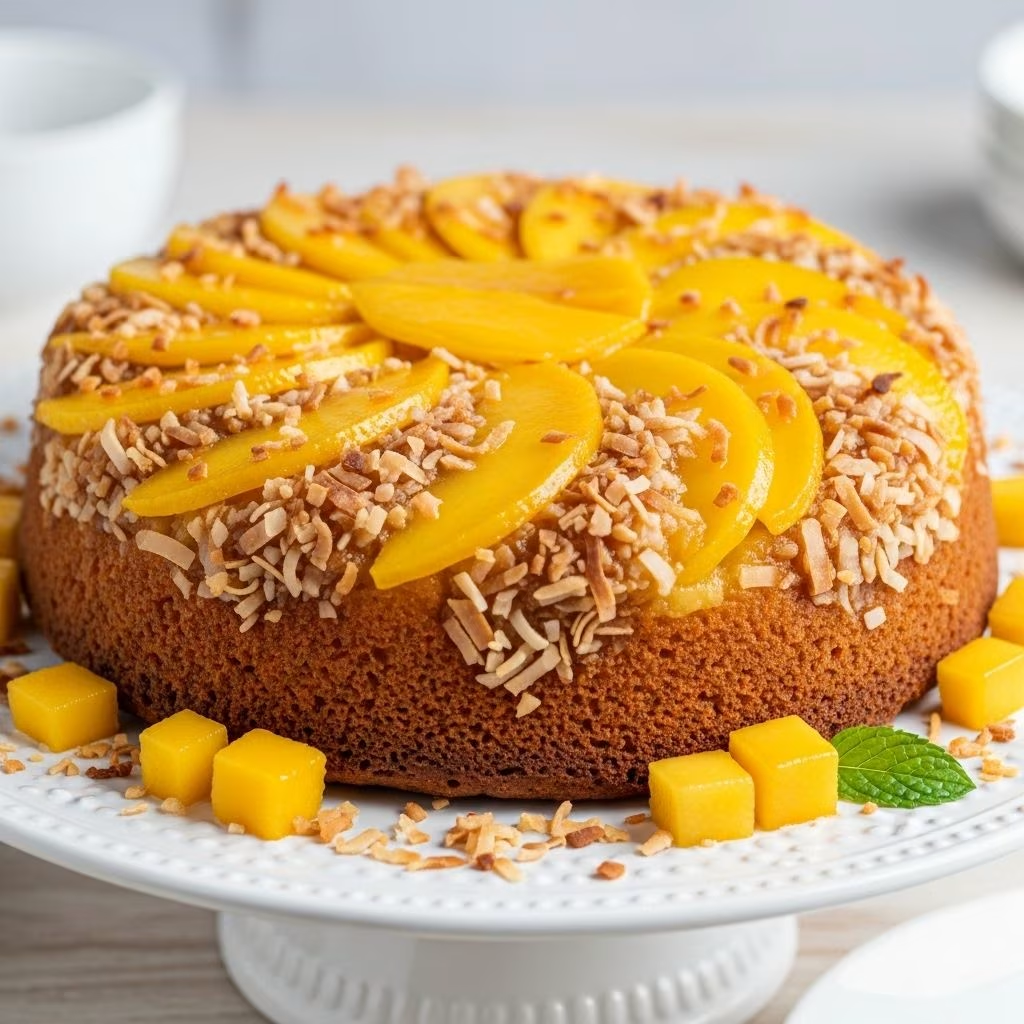
This recipe brings together the vibrant sweetness of mango, the subtle aroma of coconut, and the comforting texture of homemade cake in a show-stopping upside-down dessert. Perfect for entertaining, weeknight baking, or simply indulging in a slice of island-inspired comfort, the coconut mango upside-down cake is equal parts beautiful and delicious.
Why Coconut & Mango Make the Perfect Match
Coconut and mango naturally complement each other: coconut’s nutty richness balances the bright, juicy flavor of mango. Together, they evoke the lush tropics, creating a dessert that’s as fragrant and flavorful as it is visually appealing.
- Mango: Adds moisture, sweetness, and color.
- Coconut: Infuses subtle nuttiness and texture.
- Butter cake base: Provides structure and a tender crumb.
Ingredients at a Glance
| Ingredient | Role |
|---|---|
| Fresh Mango | Creates the caramelized, jewel-like topping |
| Unsweetened Shredded Coconut | Boosts aroma and adds visual appeal |
| Butter | Gives richness to caramel and cake |
| Brown Sugar | Forms the sticky, flavorful base |
| All-Purpose Flour | Ensures structure |
| Baking Powder | Provides lift |
| Eggs | Adds moisture and binds the batter |
| Coconut Milk | Enhances coconut notes |
| Vanilla Extract | Deepens flavor profile |
| Salt | Balances sweetness |
Step-by-Step Guide to a Coconut Mango Upside-Down Cake
1. Prepping Mango & Coconut Layer
- Start with ripe, fragrant mangoes. Slice them into even, thick pieces for uniform cooking and a striking look.
- Sprinkle unsweetened shredded coconut on the pan bottom. Toasted coconut adds crunch and a deeper flavor.
2. Making the Caramel Base
- Melt butter and brown sugar in your baking pan or a saucepan until dissolved and bubbling.
- Pour the hot mixture into the prepared pan, swirling to cover evenly.
- Arrange mango slices on top—layer tightly for a burst of fruit in every bite.
3. Preparing the Cake Batter
- Cream together butter and sugar until light and fluffy.
- Add eggs one at a time, beating well.
- Stir in coconut milk and vanilla extract.
- Whisk together flour, baking powder, and salt separately.
- Gently fold dry ingredients into the wet mixture, ensuring a smooth, lump-free batter.
4. Assembling & Baking
- Spread cake batter gently over the fruit and caramel layer. Use a spatula to smooth without disturbing mango arrangement.
- Bake until golden brown and a toothpick inserted in the center comes out clean, approximately 45–50 minutes.
5. The Upside-Down Reveal
- Cool cake briefly in the pan—about 10 minutes—before inverting onto a platter.
- Tap and lift gently. The mango-coconut topping should be glossy and intact.
- Slice and serve warm, preferably with a scoop of ice cream or whipped cream for added indulgence.
Expert Tips For Success
- Choose mangoes carefully: Overripe mango will turn mushy during baking; just-ripe fruit retains shape but is sweet enough.
- Coconut texture matters: Unsweetened shredded coconut works best; avoid desiccated coconut, which is too fine and can dry out.
- Create an even topping: Neatly overlap mango slices and avoid gaps to ensure a beautiful, cohesive surface after flipping.
- Avoid cake sticking: Generously butter your pan and use parchment on the bottom if not nonstick.
Flavor Variations & Adaptations
- Add a touch of lime zest to the batter for extra brightness.
- Swap coconut milk for whole milk if you prefer a subtler coconut flavor.
- Try adding chopped macadamia nuts or pecans to the coconut topping for richer texture.
Serving Suggestions
- Serve slightly warm for the best flavor and texture.
- Pair with vanilla ice cream, yogurt, or coconut whipped cream for a tropical dessert plate.
- Garnish with extra toasted coconut and fresh mint for a sophisticated touch.
Troubleshooting & Common Questions
- Why did my cake stick? Often due to insufficient buttering or not letting caramel set before adding mango.
- Can I use canned mango? Yes, but drain thoroughly and pat dry—excess moisture may alter texture.
- Can I make this ahead? Yes—store cooled cake tightly wrapped at room temperature for up to one day. For longer storage, refrigerate and reheat gently.
- Can I freeze leftovers? Yes, though texture of mango may soften. Wrap cake slices well and thaw in the fridge before serving.
Nutrition & Dietary Notes
- This cake contains gluten, dairy, and eggs—it is not suitable for vegan or gluten-free diets in its classic form.
- For gluten-free adaptation, substitute a gluten-free all-purpose blend; consider dairy-free margarine and coconut yogurt for vegan alternatives.
- Each slice offers tropical fruit vitamins along with moderate calories from butter and flour.
Frequently Asked Questions (FAQ)
Q: Can I use frozen mango?
A: Yes, thaw completely and pat mango pieces dry before using to prevent excess moisture in the topping.
Q: Does the coconut have to be toasted?
A: Toasting is recommended as it deepens flavor and reduces sogginess, but you may skip this step for a softer texture.
Q: What size pan works best?
A: An 8-inch round cake pan or 9-inch square pan are ideal. Avoid pans with loose bottoms to prevent caramel leakage.
Q: How do I prevent fruit from sinking?
A: Lay mango pieces in a tightly packed single layer and pour caramel directly underneath to support the fruit.
Storage & Leftovers
- Cool completely before wrapping. Store at room temperature up to 24 hours, or refrigerate for up to 3 days.
- Warm slices in the microwave for 10–20 seconds to refresh texture.
Making It Your Own
This cake invites experimentation: swap mango for pineapple, passionfruit, or stone fruits as desired. The coconut-caramel base is easily adapted to reflect your favorite tropical flavors. Share your unique spin for a personalized dessert that’s still rooted in island tradition.
Recipe Card
| Step | Instruction |
|---|---|
| 1 | Butter pan generously. Preheat oven to 350°F (175°C). |
| 2 | Prepare caramel: melt butter and brown sugar, then pour into pan. |
| 3 | Sprinkle toasted coconut; arrange mango slices evenly over caramel. |
| 4 | Cream butter and sugar, add eggs, then coconut milk and vanilla. |
| 5 | Sift together flour, baking powder, and salt, then fold into wet mixture. |
| 6 | Spread batter over mango layer. Bake 45–50 minutes. |
| 7 | Cool briefly, invert onto platter, and remove pan gently. |
SEO & Sharing Tips
- Highlight: The tropical twist on a classic dessert is visually stunning and crowd-pleasing.
- Share photos of the glossy caramelized mango topping to entice readers.
- Tag your version with #tropicalcake and #coconutmango for visibility.
Summary
Coconut Mango Upside-Down Cake combines the creamy, nutty depth of coconut with tangy-sweet mangoes for a dessert that is both impressive and approachable. With the right ingredients, attention to detail, and a few simple tricks, anyone can bring this slice of the tropics to their table—and customize it to suit their own taste adventures.