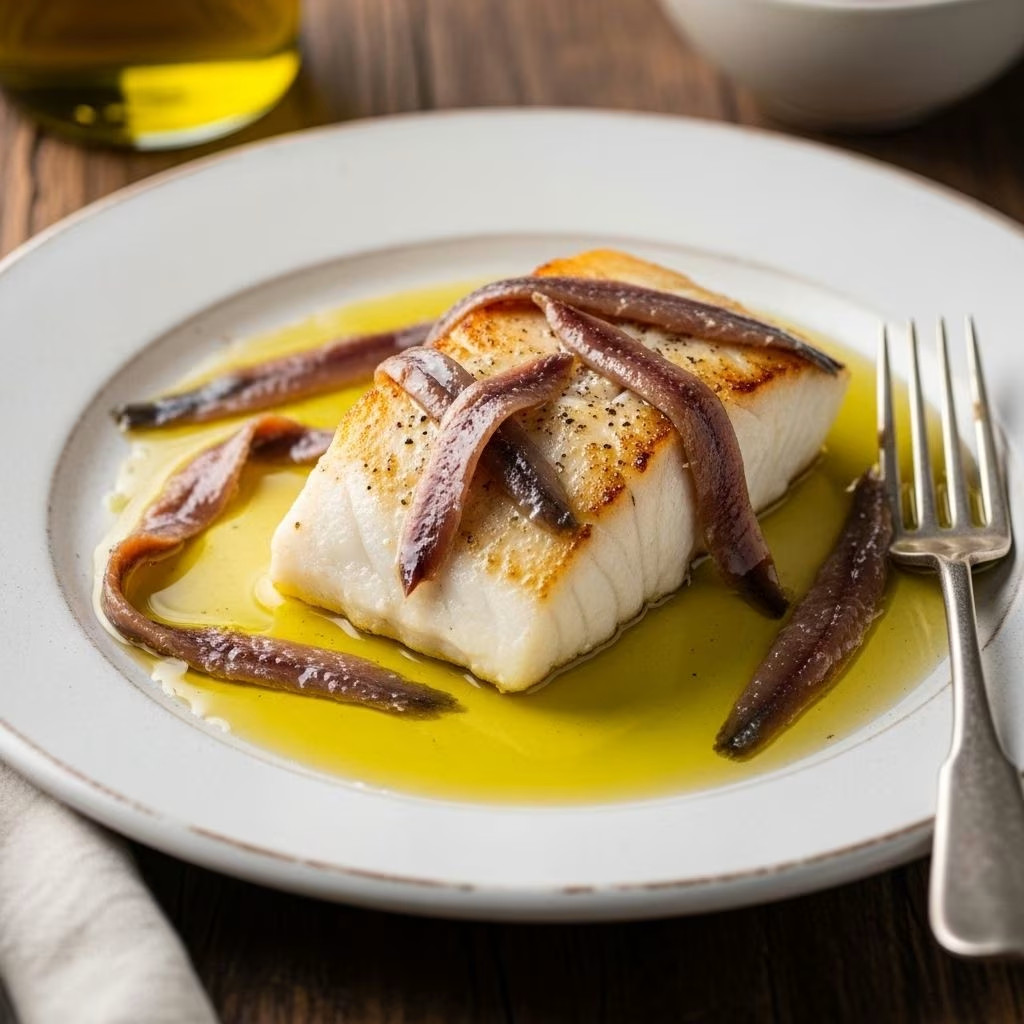
Unlocking Depth: Poaching Halibut in Olive Oil with Anchovies
Anchovies have long been a secret weapon in the kitchens of chefs and passionate home cooks alike. Their reputation as a divisive seafood belies their real magic: an unrivaled ability to deepen and amplify flavor in subtle, savory ways. Nowhere is that more apparent than in this recipe for halibut poached in olive oil with anchovies—a dish that’s sophisticated enough for entertaining and simple enough for a comforting solo dinner.
Introduction: Anchovies, Umami, and the Art of Poaching
Anchovies add a rich, layered savoriness to countless dishes. Ground into vinaigrettes, snuck into sauces, or melted in a pan, they create a background hum of umami difficult to identify but impossible to replace. Here, their magic is harnessed to transform halibut—a delicate, meaty fish—poached gently in olive oil. This technique not only ensures the halibut stays tender and moist, but also infuses it with nuanced depth, all with minimal effort.
Why Olive Oil Poaching?
Poaching fish in olive oil is a gentle, controlled cooking method that delivers consistent, succulent results. Unlike steaming or grilling, olive oil poaching offers several key advantages for halibut and similarly delicate fish:
- Moisture Retention: The low temperature prevents overdrying, keeping the halibut buttery and soft.
- Flavor Infusion: The oil acts as a medium, evenly diffusing flavors (like garlic, lemon, and especially anchovies) into the fish.
- Elegant Simplicity: Minimal intervention and hands-on work, for a refined result every time.
This gentle method is especially forgiving of timing and temperature—essential when working with premium cuts like halibut fillets, which dry out quickly in high-heat environments.
The Secret Ingredient: The Umami Power of Anchovies
What makes anchovies indispensable in this recipe isn’t their pungent, salty punch (which is mellowed here), but their complex, meaty, and fiercely savory edge. When melted into warm olive oil, anchovies dissolve fully, disappearing into the dish and offering their signature glutamates—molecules responsible for the taste sensation of umami. In this state, they don’t taste “fishy” but instead make the finished dish more vibrant and satisfying.
Anchovies perfume the oil, delicately flavoring the fish and making the sauce richer, more rounded, and more memorable. Even self-professed anchovy skeptics will be hard-pressed to locate the source of this depth, but they’ll benefit from the taste.
Choosing the Right Fish: Why Halibut?
Halibut is a naturally thick, white-fleshed fish with a firm yet flaky texture and subtle sweetness. Its mild flavor makes it the perfect canvas for infusion with bolder ingredients like anchovies and citrus.
Other great choices for this method:
- Cod
- Grouper
- Sea bass
- Salmon (for a richer outcome)
What matters most is choosing fillets of consistent thickness (at least an inch thick) to allow for gentle, even poaching and easy serving.
Selecting the Best Olive Oil for Poaching
The olive oil you choose doesn’t need to be the most expensive bottle from your pantry, but it should taste fresh, grassy, and not overly bitter or peppery. Since the poaching temperature is low, fruity olive oils are particularly excellent here, imbuing the fish with delicate aroma without overwhelming the dish.
Tips:
- Avoid super-premium oils with aggressive bitterness—gentle and round is best.
- Look for pure or extra-virgin types with a subtle flavor.
- Strain and reserve the poaching oil for use in salad dressings or for drizzling over vegetables.
Step-By-Step: Preparing Olive Oil-Poached Halibut With Anchovies
Below is a comprehensive walkthrough of the technique, including key tips for foolproof execution every time.
Ingredients
- 2 thick (about 6-ounce) skinless halibut fillets
- 1/2 cup good-quality olive oil (or to cover fillets in pan)
- 4 anchovy fillets (oil-packed)
- 1 large garlic clove, thinly sliced
- Zest of 1 lemon
- Kosher salt and freshly ground black pepper
- Chopped fresh parsley or chives, to garnish
- Lemon wedges, for serving
Instructions
- Warm the Olive Oil: In a skillet or saucepan just wide enough to hold the fillets in a single layer, add olive oil. Place over low to medium-low heat.
- Dissolve the Anchovies: Add anchovy fillets and garlic. Stir with a wooden spoon, pressing anchovies until they melt into the oil.
- Add aromatics: Stir in lemon zest. Season halibut with salt and pepper on both sides.
- Poach the Halibut: When the oil is hot but not bubbling (about 150–160°F, or just warm to the touch), lower the halibut fillets in. The oil should gently envelop the fish, never sizzling. Poach, turning once midway, until fish is opaque and flakes easily (about 10 minutes, depending on thickness).
- Finish and Serve: Carefully lift fillets from oil with a slotted spatula. Garnish generously with parsley or chives and a squeeze of fresh lemon. Serve immediately, spooning some of the fragrant anchovy-garlic oil over the top.
Serving Suggestions
- Alongside simply cooked potatoes or a bean salad
- On top of wilted spinach or Swiss chard
- With a crusty baguette for sopping up extra oil
- With a crisp green salad dressed in the reserved poaching oil
The Science: How Anchovies Deepen Flavor
Anchovies are celebrated for their ability to amplify and layer flavors instead of dominating a dish. Here’s what happens when you add anchovies to warm olive oil:
- Umami Release: Anchovies are high in glutamate, which enhances savory taste and makes food more craveable.
- Flavor Integration: Anchovies melt entirely in oil, distributing their essence throughout the poaching medium and, by extension, the fish.
- Salt Balancing: They bring not just saltiness but a complex savor—balanced with the lemon and garlic for brightness and top notes.
Anchovy in this context is an ingredient, not a seasoning; it’s the quiet depth that rounds out the flavors and makes the finished halibut sing.
Pro Tips for Success
- Monitor Temperature: Use a thermometer to keep oil below 170°F—too hot and the fish overcooks; too cold and it won’t cook through.
- Don’t Rush: Low and slow is key. You can keep the fish in oil off heat to finish if needed.
- Infuse Oil in Advance: Melt anchovies and aromatics into the oil ahead of time for stronger flavor; gently rewarm before poaching.
- Save the Oil: Poaching oil, now flavored and fragrant, can be strained, refrigerated, and reused for salad dressings or vegetables.
Recipe Variations and Adaptations
This foundational recipe is ripe for adaptation and creativity. Try these variations:
- Different Fish: Swap halibut for cod, black bass, or even Arctic char.
- Spanish Vibes: Add a few thin strips of roasted red pepper or a pinch of smoked paprika to the oil.
- Herb Explosion: Toss in sprigs of thyme, rosemary, or tarragon while infusing the oil.
- Spicy Kick: Add a pinch of chili flakes for some heat.
- Pickled Vegetables: Serve with pickled onions or capers for briny counterpoint.
Nutrition Information (Per Serving)
| Nutrient | Amount |
|---|---|
| Calories | 390 |
| Protein | 30g |
| Fat | 28g |
| Carbohydrates | 2g |
| Sodium | 650mg |
How to Store & Reuse Olive Oil-Poached Fish
Olive oil-poached halibut’s texture holds up beautifully in the refrigerator, making leftovers highly desirable for salads or grain bowls.
- Store fish, submerged in a little poaching oil, in a sealed container in the fridge for up to 2 days.
- Gently rewarm over low heat, or enjoy chilled and flaked over greens or roasted vegetables.
- Strain and keep leftover oil refrigerated; it’s outstanding for vinaigrettes or drizzling over roasted vegetables within a week.
Frequently Asked Questions
Q: Do anchovies make the halibut taste “fishy”?
No—when melted into the olive oil, anchovies dissolve and mellow, imbuing the oil and fish with a subtle, savory depth, not a pronounced “fish taste”.
Q: Can I use frozen halibut?
Yes, but be sure to thaw it completely and pat dry before poaching to ensure a tender result and prevent excess water from entering the oil.
Q: What can I do with leftover poaching oil?
Strain and use the oil in salad dressings, drizzle over grilled vegetables or crusty bread, or fold into potato salad for a burst of savory flavor.
Q: What temperature should I poach the halibut at?
The ideal poaching range is 150–160°F (65–71°C). This yields perfectly flaky, moist fish. Use a thermometer for precision if possible.
Q: Can I use boneless, skin-on fish?
Skinless fillets are preferable, but if you have skin-on, you can poach them as well. The skin can be easily removed after cooking if desired.
Conclusion: Elevate Fish Night with Olive Oil and Anchovies
Poaching halibut in olive oil infused with anchovies is a master class in transforming simple ingredients into an extraordinary meal. Anchovies’ umami amplifies flavor subtly, while olive oil delivers unbeatable tenderness and richness.
This dish is approachable yet dressy, boasting an elegant look and a restaurant-worthy flavor profile. Rely on this technique as a go-to for entertaining guests, or for a dinner that feels special with very little stress. Every weeknight can—and should—be fish night when you know the secrets of anchovy and olive oil poaching.