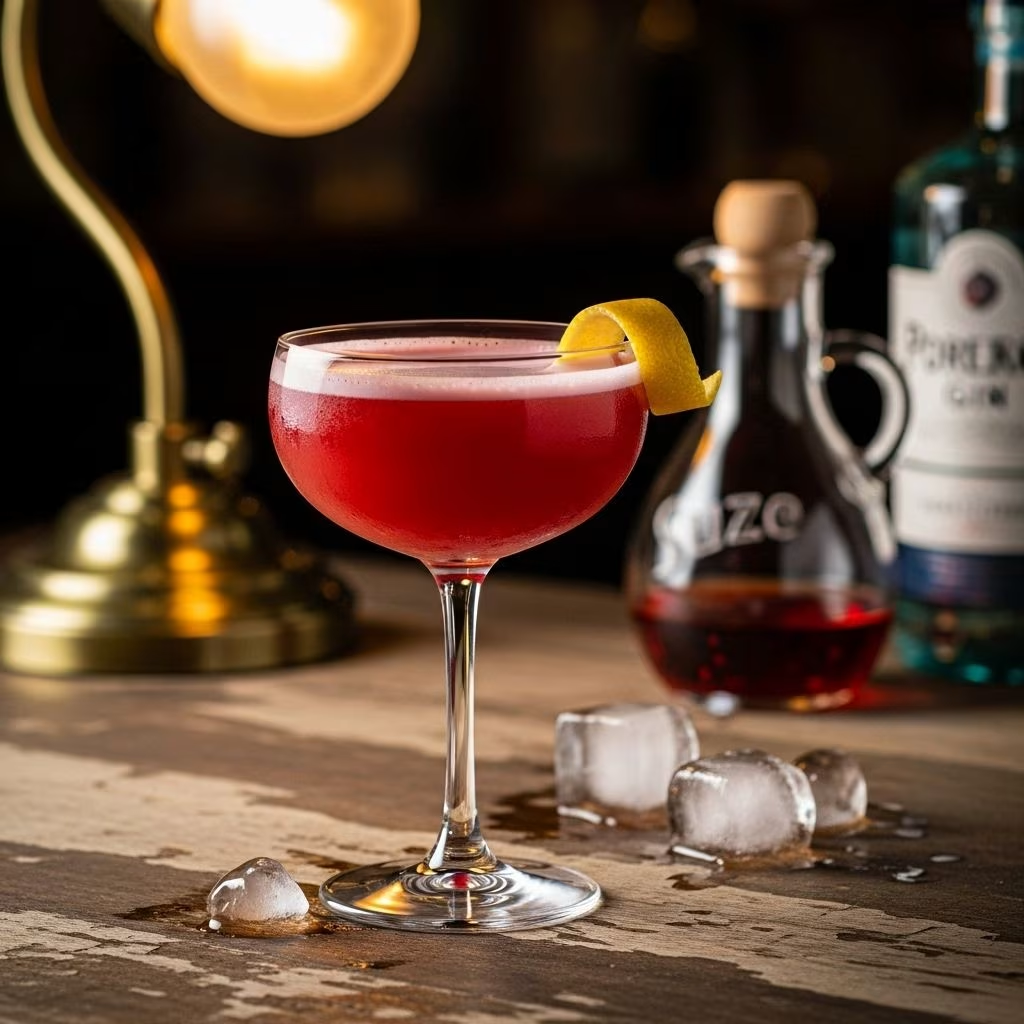
The Pompier is more than just another drink; it is a symbol of Parisian café culture, a feather-light highball that captures the essence of the French approach to apéritifs. Blending dry vermouth with the fruit-forward liqueur crème de cassis and topped with sparkling water, this subtle but distinct cocktail has delighted generations. As cocktail enthusiasts rediscover low-ABV classics, the Pompier stands ready to reclaim its place among the world’s best-loved, yet often underestimated, apéritif drinks.
What is a Pompier?
The Pompier cocktail is a simple yet elegant highball commonly built over ice in a tall tumbler. Its key ingredients are:
- Dry French Vermouth (traditionally Noilly Prat but other brands can be used)
- Crème de Cassis (a sweet, deep purple liqueur made from blackcurrants)
- Chilled Club Soda (or sparkling water)
The result is a refreshing, gently sweet, subtly herbal and berry-infused cocktail, typically enjoyed in the late afternoon or as a pre-dinner apéritif.
The Origins and History of the Pompier
The Pompier—named for the French word for “fireman”—emerged in the cafés of France in the late 19th and early 20th centuries. While its exact origin is uncertain, its components reflect the culture and tastes of an era when dry vermouth and fruit liqueurs were omnipresent. The drink’s association with the iconic French fireman may have been a playful nod to its bright color or an allusion to a time when firemen and café culture alike stoked the social fires of Paris. Some suggest the name may even refer to the fiery red of a classic French fireman’s uniform insignia.
Anatomy of a Classic Pompier
Preparing a proper Pompier requires attention to:
- BALANCE: The drink’s charm lies in balancing the dryness of quality vermouth with the rich sweetness and acidity of crème de cassis.
- ICE: Ample cubes are essential for dilution and a refreshing chill.
- FIZZ: A good splash of club soda brings clarity and length to the palate without overwhelming the spirit of the drink.
Classic Pompier Recipe
- 2 ounces French dry vermouth (Noilly Prat recommended)
- 1/2 ounce crème de cassis
- 2 to 3 ounces chilled club soda (to taste)
To prepare: Fill a tall glass with ice. Pour in the vermouth and crème de cassis. Top with chilled club soda and gently stir to combine. Garnish with a lemon twist or a fresh berry if desired.
Understanding the Core Ingredients
French Dry Vermouth
The role of vermouth in the Pompier cannot be overstated. A classic French dry vermouth, like Noilly Prat, brings herbal complexity and a crisp bitter finish—qualities that form the backbone of the cocktail. If possible, avoid sweet or red vermouth, as they alter the intended balance.
Crème de Cassis
Crème de cassis is a blackcurrant liqueur with deep ruby color, sweet berry notes, and subtle acidity. It is the sole source of sweetness (and color) in the Pompier, so quality matters. Well-made French cassis lends the drink vibrance without overwhelming it.
Club Soda
Effervescence is key to the Pompier’s appeal. Chilled club soda tops the drink, brightening flavors and making it especially refreshing. For best results, use fresh, effervescent soda and avoid letting the drink sit too long before serving.
Flavor Profile and Tasting Notes
The Pompier’s flavor is refreshing and light, with distinct herbal, slightly bitter notes from the vermouth, and sweet, jammy, and tart blackcurrant from the crème de cassis. Bubbles bring it all together, creating a thirst-quenching, gently complex experience.
| Component | Flavor Contribution |
|---|---|
| Dry Vermouth | Herbal, slightly bitter, crisp, vinous |
| Crème de Cassis | Sweet, tart, deep berry (blackcurrant), aromatic |
| Club Soda | Bubbly, neutral, lengthens and lifts flavors |
Serving Tips and Variations
The Pompier’s strength lies in its adaptability. Bartenders and home enthusiasts can tailor it with minor adjustments:
- Sweeter Pompier: Increase cassis to 3/4 ounce for a bolder fruit flavor.
- Tarter profile: Add a squeeze of fresh lemon juice or garnish with a lemon twist to enhance acidity.
- Low- or No-ABV: Use non-alcoholic vermouth or swap the cassis for a berry syrup for a lighter option.
- Different effervescence: Use sparkling mineral water for a more subtle fizz, or try a splash of tonic for extra bitterness.
Pompier in French Café Tradition
In its heyday, the Pompier was a fixture on French café menus alongside the Kir (white wine and cassis). Its appeal crossed social boundaries—enjoyed by students, artists, and workers alike. The drink’s low alcohol content and bright palette made it perfect for lingering afternoons or to whet the appetite before an evening meal. Even today, it remains an occasional feature in Parisian cafés—a testament to the enduring charm of aperitif culture.
Why the Pompier Deserves a Revival
As the cocktail world embraces low-ABV drinks, the Pompier stands out for its simplicity, history, and unmistakable French character. It offers a showcase for quality vermouth and artisan cassis and provides a gentle transition between work and leisure. For modern palates, it is a reminder that there is beauty in restraint and pleasures that linger not in intensity, but in balance and nuance.
Pompier vs. Kir: A Comparative Look
| Beverage | Base | Sweetener | Carbonation | Traditional Glassware |
|---|---|---|---|---|
| Pompier | Dry French Vermouth | Crème de Cassis | Club soda/sparkling water | Highball |
| Kir | Dry White Wine | Crème de Cassis | Still | Wine glass |
Both drinks highlight the interpretation of cassis in simple apéritif forms, though the vermouth base and sparkling length of the Pompier set it apart.
Frequently Asked Questions (FAQs)
-
What does “Pompier” mean?
Pompier is the French word for “fireman.” The cocktail’s name likely refers to the drink’s lively red color, reminiscent of a fire engine or a fireman’s insignia.
-
Can I use sweet/red vermouth instead of dry?
It is not recommended. Sweet (red) vermouth and dry (white) vermouth have very different flavor profiles. Stick to French dry vermouth for authenticity and balance.
-
What other liqueurs can substitute for crème de cassis?
Though not traditional, other berry liqueurs such as crème de mûre (blackberry liqueur) may be substituted for a similar but distinct flavor.
-
Is the Pompier strong?
No. The Pompier is considered a low-ABV or session cocktail due to its base of vermouth and modest amount of liqueur, lengthened with soda.
-
What food pairs well with a Pompier?
Cured olives, nuts, savory tarts, or a cheese plate are all classic apéritif accompaniments suitable for the Pompier’s herbal and fruity notes.
How to Make the Perfect Pompier: Step-by-Step Guide
- Fill a highball glass generously with ice cubes.
- Add 2 ounces of French dry vermouth.
- Pour in 1/2 ounce (or to taste) of quality crème de cassis.
- Top gently with 2-3 ounces of chilled club soda.
- Stir briefly to combine and garnish with a lemon twist or fresh berries if desired.
Serve immediately and savor the delicate interplay of botanicals, blackcurrant, and bubbles.
Modern Twists and Serving Suggestions
- Frozen Pompier: Blend the drink’s components with ice for a slushy take—perfect for summer brunches or picnics.
- Herbal Garnish: Add a sprig of fresh mint or tarragon to the glass for an aromatic finish.
- Pompier Spritz: Substitute a bit of sparkling wine for some of the club soda for extra elegance.
Conclusion: The Pompier’s Lasting Appeal
The Pompier persists as a lesson in moderation, a celebration of simple pleasures, and a quintessential French café experience. With its short ingredient list and alluring history, it is accessible for home bartenders and remains ripe for revival during the contemporary surge in session cocktails and apéritif hours. Whether you are discovering it for the first time or revisiting an old favorite, the Pompier invites you to toast to good company, lively conversation, and the art of l’apéritif.