Chocolate Fig Biscotti: An Italian Twist on the Classic Cookie
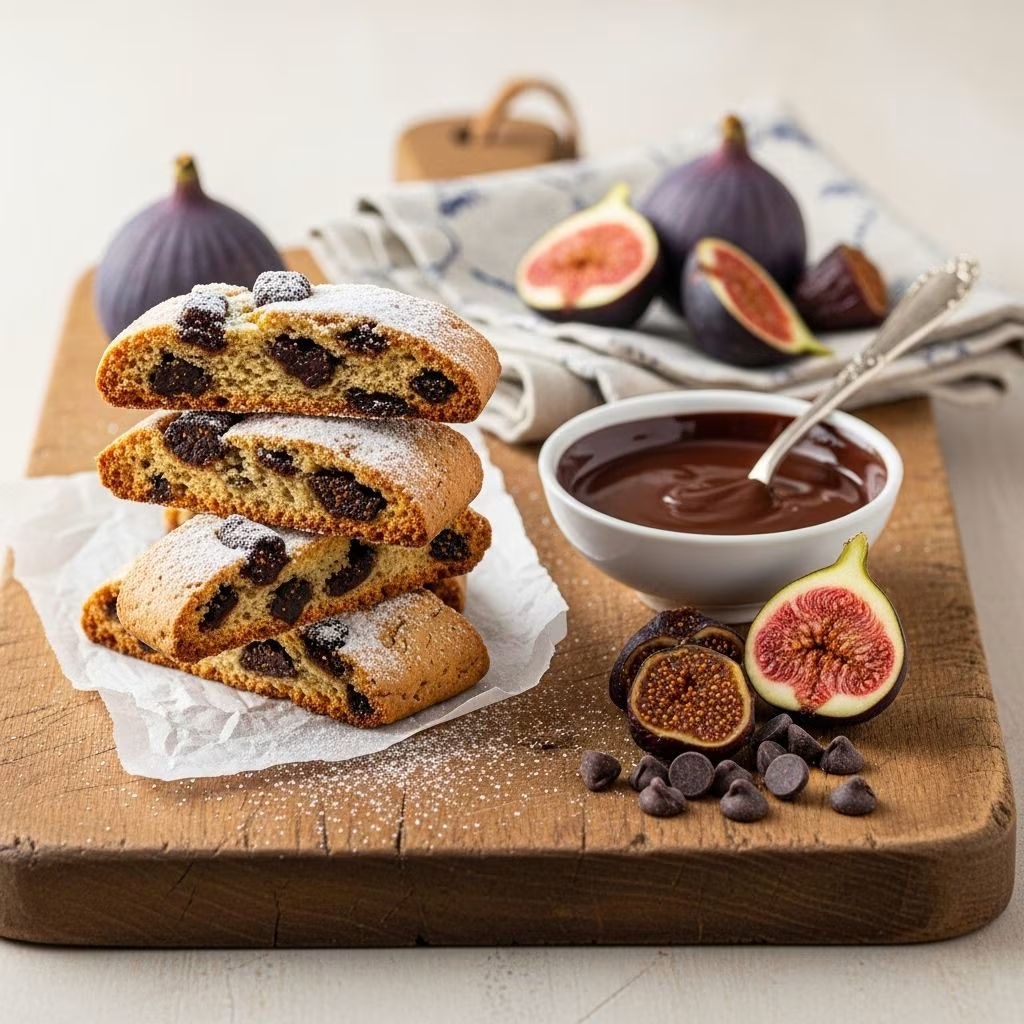
Chocolate Fig Biscotti is a sophisticated, twice-baked Italian cookie that combines the earthy sweetness of dried figs with the deep flavor of bittersweet chocolate. This treat’s firm, crunchy texture makes it perfect for dunking into coffee or tea, while its unique flavor profile pays homage to the rustic roots of Italian baking. In this article, we delve deep into everything you need to know about this biscotti variation—from its cultural significance and ingredient choices to step-by-step baking instructions, expert tips, and storage suggestions.
What Are Biscotti?
Biscotti (the plural of biscotto) are traditional Italian cookies, characterized by their twice-baked technique, which gives them a uniquely crisp texture. In Italian, the word “biscotto” simply means “cookie,” but outside Italy, it specifically refers to this crunchy, elongated variety. Biscotti are enjoyed throughout Italy but originated in Tuscany, where they’re often served alongside dessert wines like Vin Santo.
- Crunchy texture: Twice-baked for crispness.
- Shapes: Typically long, thin slices for easy dipping.
- Pairings: Coffee, tea, or dessert wine.
The Chocolate Fig Combination
Chocolate and figs are classic Mediterranean flavors that blend harmoniously in desserts. Dried figs contribute a jammy, chewy sweetness, acting as a natural counterpoint to bittersweet chocolate’s deep, slightly bitter notes. When combined in biscotti, these ingredients provide both flavor and texture complexity, transforming an everyday cookie into something special.
Key Flavor Benefits
- Dried figs: Add moisture and natural sweetness.
- Bittersweet chocolate: Offers intensity and balances sweetness.
- Orange zest or liqueur (optional): Provides aromatic brightness.
- Toasted nuts (optional): Walnuts or almonds for extra crunch and nuttiness.
Choosing Ingredients for Chocolate Fig Biscotti
The flavor and texture of your biscotti will depend on the quality and combination of ingredients. While the base dough remains simple, thoughtful choices result in a superior cookie.
| Ingredient | Role in Biscotti | Recommended Type |
|---|---|---|
| Flour | Structure and crispness | All-purpose or spelt for rustic texture |
| Dried figs | Sweetness, chewy texture | Chopped, stemmed |
| Chocolate | Rich flavor | Bittersweet or dark; chips or bar chunks |
| Eggs | Binding and richness | Large, room temperature |
| Olive Oil | Moisture, subtle flavor | Extra-virgin |
| Sugar | Sweetness | Granulated or light brown |
| Baking Powder | Leavening | Aluminum-free |
| Salt | Flavor balance | Fine sea salt |
| Orange Zest or Liqueur (optional) | Aroma | Fresh zest or a splash of orange liqueur |
| Nuts (optional) | Crunch, flavor | Walnuts, toasted and chopped |
Step-by-Step Guide: Making Chocolate Fig Biscotti
1. Prep Ingredients
- Chop dried figs into bite-sized pieces; remove stems.
- Cut bittersweet chocolate into small chunks or use chips.
- Toast and chop walnuts or almonds for extra crunch (optional).
- Zest one orange if using (optional).
2. Mix the Dough
- In a large bowl, whisk together flour, sugar, salt, and baking powder.
- In a separate bowl, whisk eggs and olive oil until smooth. Stir in orange zest or liqueur, if desired.
- Combine wet and dry ingredients; stir until just mixed.
- Fold in chopped figs, chocolate, and nuts to distribute evenly.
3. Shape and Bake the Logs
- On a parchment-lined baking sheet, shape dough into elongated logs, about 2″ wide and 12″ long. Flatten slightly for uniform baking.
- Bake in a preheated 350°F (175°C) oven for 18–20 minutes, until logs are slightly firm and golden on the bottom.
- Cool the logs on the baking sheet for 10–20 minutes to set the crumb.
4. Slice and Second Bake
- Transfer logs to a cutting board. Using a sharp serrated knife, slice diagonally into ½-inch thick pieces.
- Place sliced biscotti cut side down on the baking sheet.
- Bake again at 325°F (165°C) for 15–18 minutes, flipping halfway for extra crispness.
- Let cookies cool completely; they will harden further as they cool.
Expert Tips for Biscotti Success
- Chill the dough: Refrigerate for one hour for easier shaping and slicing.
- Moisten your hands: Prevent sticky dough when shaping logs by lightly oiling your palms.
- Use a serrated knife: For clean, even slices, wait until logs have cooled partially but are still slightly warm.
- Flip slices for even crispness: Turn biscotti halfway through the second bake for uniform crunch.
- Storage: Biscotti keep well in an airtight container for several weeks.
Serving Suggestions
- Dunk in coffee or espresso for a classic Italian experience.
- Pair with Vin Santo or dessert wines for a Tuscan treat.
- Gift idea: Package biscotti in decorative boxes for holidays or special occasions.
Variations and Customizations
- Add spices: Cardamom or cinnamon for warmth and depth.
- Swap nuts: Try hazelnuts, pistachios, or almonds.
- Use whole grain flour: For a rustic, hearty texture.
- Include orange zest or liqueur: Add a Mediterranean aroma.
- Drizzle white or dark chocolate on cooled biscotti for a decorative finish.
Frequently Asked Questions (FAQ)
Q: Can I use fresh figs instead of dried?
A: Dried figs are preferred because they hold up better during baking and deliver concentrated sweetness. Fresh figs have more moisture, which can disrupt the dough’s texture and baking times.
Q: How do I prevent crumbly biscotti?
A: Be careful not to overbake the logs on the first bake, and slice while they are still slightly warm. If the dough is too dry, add a tablespoon of extra olive oil or a splash of milk.
Q: Why are biscotti baked twice?
A: The first bake sets the dough and gives it structure, while the second bake dries out the sliced cookies, creating biscotti’s characteristic crunch.
Q: How long do biscotti stay good?
A: Stored in an airtight container, chocolate fig biscotti can last for several weeks. Their dry texture makes them ideal for long shelf life.
Q: Can I freeze biscotti?
A: Yes. Biscotti can be frozen in airtight containers for up to 3 months. Let them thaw at room temperature before serving.
Storage and Shelf Life
- Room Temperature: Best kept in airtight containers.
- Freezing: Double-wrap cookies for freshest results; thaw before serving.
- Gift-giving: Biscotti’s longevity and sturdiness make it ideal for shipping or sharing.
Chocolate Fig Biscotti: Recipe At a Glance
| Step | Details |
|---|---|
| Prep Time | 15 minutes |
| First Bake | 18–20 minutes at 350°F |
| Cooling | 10–20 minutes |
| Second Bake | 15–18 minutes at 325°F |
| Total Batch Yield | 24–30 slices |
| Difficulty | Easy to intermediate; best with attention to slicing and shaping |
Summary and Final Thoughts
Chocolate fig biscotti offer a delightful exploration of Italian baking, blending the natural sweetness of dried figs and robust chocolate in a crisp, twice-baked cookie. Their simple ingredients and versatile nature make them perfect for bakers of all experience levels, whether you’re crafting a dessert for entertaining or simply looking for a treat to enjoy with your morning coffee. Remember, every batch can be customized with different nuts, spices, or even glazes, making this classic cookie a canvas for creativity.
Frequently Asked Questions (FAQs)
Q: Do I have to use olive oil in biscotti?
A: Olive oil is traditional for extra flavor and moisture, but you can substitute with other neutral oils or melted butter as desired.
Q: Is chocolate fig biscotti gluten-free?
A: The classic recipe uses wheat flour, but you can substitute with a gluten-free blend. Expect a slightly different texture.
Q: Can I add spices to the dough?
A: Yes! Cardamom, cinnamon, or a pinch of nutmeg complement the figs and chocolate beautifully.
Q: Are biscotti suitable for vegans?
A: The recipe uses eggs, but plant-based alternatives (like flaxseed “eggs”) can work for a vegan variation.
Tips for Perfect Biscotti Every Time
- Shape logs evenly to ensure uniform baking and crispness.
- Cool slightly before slicing for clean cuts without crumbling.
- Flip slices half-way in the second bake for golden, even crunch.
- Let cool completely before storing to maintain texture.
References
- https://siciliangirl.com/2016/11/fig-walnut-chocolate-biscotti/
- https://hildaskitchenblog.com/recipe/best-biscotti-recipe-fig-walnut/
- https://valleyfig.com/dried-fig-recipes/dark-chocolate-and-california-fig-biscotti/
- https://www.home-barista.com/knockbox/do-you-have-biscotti-recipes-post-them-here-t73519.html