Ultimate Thanksgiving Leftover Casserole Guide
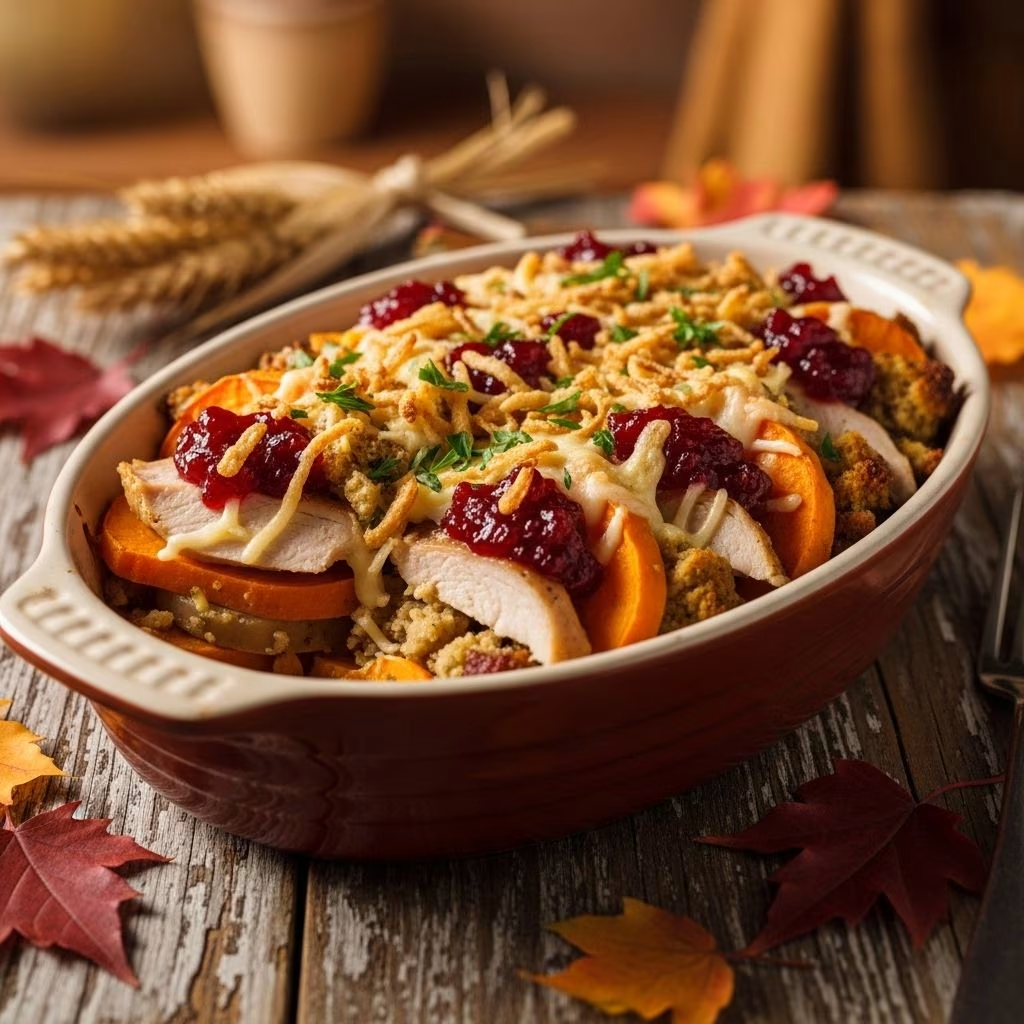
Every Thanksgiving leaves a fridge full of delicious remnants—tender turkey, fluffy stuffing, hearty mashed potatoes, and an array of classic sides begging to be enjoyed again. But how do you keep leftovers exciting beyond reheating plates? Enter the Thanksgiving Leftover Casserole: a warm, comforting dish that blends all your holiday flavors into a single, craveable bake. This guide gives you everything you need to make the most of your leftovers, including an exact recipe, tips for substitutions, safety guidelines, creative twists, and frequently asked questions.
Why Make a Thanksgiving Leftover Casserole?
About halfway through your holiday meal, it’s easy to start plotting ways to stretch and savor every tasty bit long after the table is cleared. This casserole is a time-tested favorite for several reasons:
- Effortless: It comes together quickly with pre-cooked ingredients.
- Versatile: Nearly any leftover can find its place, from veggies and meats to gravy and cheese.
- Comforting: Layers of stuffing, turkey, creamy potatoes, and bubbling cheese bring all the holiday warmth in a single dish.
- Family-friendly: Even picky eaters find something to love when flavors blend together.
- No waste: Clear out the fridge without tossing food.
Ingredients for the Classic Casserole
This recipe is designed for flexibility, using classic Thanksgiving leftovers but easily adaptable to what’s in your fridge. Here’s what you’ll need:
- Butter: For greasing the baking dish (salted butter adds flavor).
- Leftover stuffing or dressing (4 cups): Forms the flavorful base layer.
- Cooked turkey (4 cups, chopped): Or substitute with rotisserie chicken.
- Cooked green beans (1½ cups, chopped): See below for substitutes.
- Gravy (1½ cups): Brings moisture and rich flavor.
- Mashed potatoes (3 cups): Creamy topping for that classic comfort vibe.
- Egg yolk (1): Stirred into potatoes for golden color and better structure.
- Shredded Monterrey Jack cheese (1 cup): Melts beautifully for a bubbling crust.
- Cranberry sauce: Optional, for serving on the side.
Ingredient Substitutions & Swaps
- Vegetables: Use peas, corn, carrots, or any roasted vegetables you have leftover.
- Protein: Substitute turkey with cooked chicken, ham, or roast beef.
- Cheese: Feel free to swap Monterrey Jack with cheddar, mozzarella, or left-over cheese board bits.
- Gluten-Free: Use gluten-free stuffing and watch for any thickeners in gravy.
Step-by-Step Directions
- Preheat and Prep: Place a rack in the lower third of your oven and preheat to 425°F (220°C). Butter the bottom and sides of a 9-by-13-inch baking dish to prevent sticking.
- Form the Crust: Crumble the stuffing evenly into the prepared baking dish and pat gently to make a flat, even layer. This forms the herbaceous, savory base to soak up gravy.
- Add Turkey and Veggies: Scatter chopped turkey (or chicken) and green beans (or chosen vegetables) over the stuffing base. Aim for an even distribution—every bite should have a mix.
- Pour on Gravy: Drizzle gravy generously over turkey and vegetables, covering most of the surface.
- Mix Mashed Potatoes: In a medium bowl, combine the mashed potatoes with one egg yolk. Stir until completely blended and smooth. The egg yolk helps the topping brown beautifully and hold its shape.
- Spread Potato Topping: Dollop mashed potatoes in several mounds over the casserole, then gently spread into an even layer, covering all the filling ingredients below.
- Add Cheese: Sprinkle the entire surface evenly with shredded Monterrey Jack cheese (or your favorite melty variety).
- Bake Covered: Cover the dish tightly with foil and bake 20 minutes, until heated through.
- Bake Uncovered: Remove foil and bake another 20–25 minutes, or until the top is golden, bubbly, and slightly crusty.
- Cool and Serve: Let the casserole rest 10 minutes before slicing—this helps it set and makes serving easier. Pair with a scoop of cranberry sauce for a bright, tangy contrast.
Pro Tips for Success
- For more texture, add a layer of French-fried onions or panko breadcrumbs before the final bake.
- If your mashed potatoes are very stiff, stir in a splash of milk for easier spreading.
- Low on leftovers? Supplement with frozen vegetables, rotisserie chicken, or boxed stuffing as needed.
- Let the casserole cool slightly after baking so it slices cleanly.
- Adjust salt to taste—leftovers can be seasoned differently than the casserole as a whole.
How to Store and Reheat Your Casserole
Proper storage ensures your leftovers stay as fresh and safe as possible. Follow these storage and reheating tips:
- Refrigerate: Store any leftover casserole in an airtight container or tightly wrap the dish with plastic. Most components (turkey, veggies, mashed potatoes, stuffing) are good for up to four days when kept cold.
- Freeze: If you can’t finish it quickly, slice into portions and freeze in airtight containers for up to 1–2 months. Thaw overnight in the fridge before reheating.
- Reheat Individual Servings: Microwave covered until hot throughout, stirring halfway. Or bake, covered, at 350°F until warmed through, about 20 minutes.
- Cranberry Sauce: This side dish lasts longer—up to a week in the fridge. Keep separate and add fresh when serving.
Food Safety Reminders
For maximum safety, always reheat leftovers to an internal temperature of 165°F (74°C). Discard any casserole or side dish with an off odor, color, or texture—even if you followed fridge guidelines.
Creative Variations to Try
The Thanksgiving leftover casserole is endlessly customizable. Try these fun variations to suit your tastes, what’s lurking in your fridge, or to mix things up year after year:
- Turkey Shepherd’s Pie: Layer leftover turkey, roasted veggies, and gravy in a dish; top generously with mashed potatoes (no stuffing base). Bake until golden.
- Southwest Casserole: Swap green beans for corn and black beans, add a sprinkle of taco seasoning, and top with cheddar and sliced jalapeños.
- Breakfast Bake: Fold in chopped breakfast sausage and sprinkle with scrambled eggs and cheese before baking.
- Pot Pie Casserole: Use your base filling and top with store-bought pie crust, biscuit dough, or puff pastry.
- Mixed Veggie Medley: Stir in extra roasted carrots, Brussels sprouts, or peas. No single vegetable left behind!
- Buffalo Turkey Casserole: Toss turkey with buffalo sauce and add blue cheese crumble to the topping.
Frequently Asked Questions (FAQ)
How long do Thanksgiving leftovers last in the fridge?
Most Thanksgiving leftovers keep up to four days in the refrigerator when stored in airtight containers. Cranberry sauce may last a bit longer—up to one week. Always monitor for signs of spoilage.
What vegetables can replace green beans in the casserole?
Any cooked vegetables will work, such as peas, corn, carrots, sautéed onion and celery, or even a frozen mixed veggie blend. Don’t have any extra vegetables? You can simply leave them out—the casserole remains delicious.
Can I use store-bought rotisserie chicken instead of turkey?
Absolutely. This recipe is excellent for using up rotisserie or even leftover roast chicken if you’ve run out of turkey. The flavors meld perfectly.
What if I don’t have enough gravy?
You can stretch or replace homemade gravy with canned, or use cream of chicken or mushroom soup. Dilute slightly with broth as needed for the right consistency.
Can I make this casserole ahead of time?
Yes! Assemble all the layers in advance (even the day before), cover tightly, and refrigerate. Bring to room temperature before baking, or add a few extra minutes to bake time if baking from cold.
How do I keep the top from getting too dry or too soggy?
Bake the casserole covered for the first 20 minutes to retain moisture. For a crispy, golden top, remove the foil and finish baking uncovered. If the crust isn’t browning, broil very briefly at the end.
Expert Holiday Leftover Tips
- Use smaller baking dishes for individualized casseroles—ideal for customizing toppings and making ahead for quick meals.
- Label and date all leftover containers in the fridge to stay organized and prevent food waste.
- For a gluten-free version, use gluten-free stuffing or rice for the base and check your gravy ingredients.
- If you’re missing an ingredient, don’t worry—the recipe is built for substitutions and creativity.
- Serve with hot sauce, fresh herbs, or a sprinkle of fried onions for a new twist with every meal.
Nutrition Information (Approximate, Per Serving)
| Nutrient | Amount (estimate) |
|---|---|
| Calories | 420 |
| Protein | 24g |
| Carbohydrates | 40g |
| Fat | 18g |
| Sodium | 760mg |
| Fiber | 4g |
*Nutrition values will vary widely based on the specific leftovers and substitutions used.
Serving Suggestions
- Garnish: Add fresh chopped parsley, chives, or a dusting of paprika before serving.
- Balance the meal: Offer a crisp green salad alongside to add freshness and crunch.
- Dipping: Serve with extra gravy for drizzling, or a generous spoonful of tangy cranberry sauce.
- Leftover Rolls: Warm leftover dinner rolls in the oven and serve with the casserole for ultimate comfort.
Try These Other Leftover Casserole Ideas
- Turkey Tetrazzini: Pasta, turkey, mushrooms, peas, and a cream sauce baked with cheese and breadcrumbs.
- Leftover Turkey Shepherd’s Pie: Turkey, vegetables, gravy, topped with mashed potatoes and baked until golden.
- Stuffing Casserole: Mix leftover stuffing with turkey and a creamy sauce, then finish with extra stuffing or breadcrumbs for crunch.
- Turkey Pot Pie with Cheddar Crust: Savory turkey filling beneath a cheesy pie crust is a sure crowd-pleaser.
Conclusion
With this Thanksgiving Leftover Casserole recipe and guide, you’ll never wonder what to do with your fridge full of turkey and trimmings again. Let your creativity guide you—swap ingredients, add flavors, and make each year’s version your own. A comforting, resourceful, and irresistibly delicious way to celebrate the season, right down to the last spoonful.
References
- https://www.thepioneerwoman.com/food-cooking/recipes/a41534423/thanksgiving-leftover-casserole-recipe/
- https://www.thepioneerwoman.com/food-cooking/recipes/a11691/turkey-tetrazzini/
- https://www.thepioneerwoman.com/food-cooking/meals-menus/g37387423/turkey-casserole-recipes/
- https://www.thepioneerwoman.com/food-cooking/meals-menus/g37221681/thanksgiving-leftover-recipes/