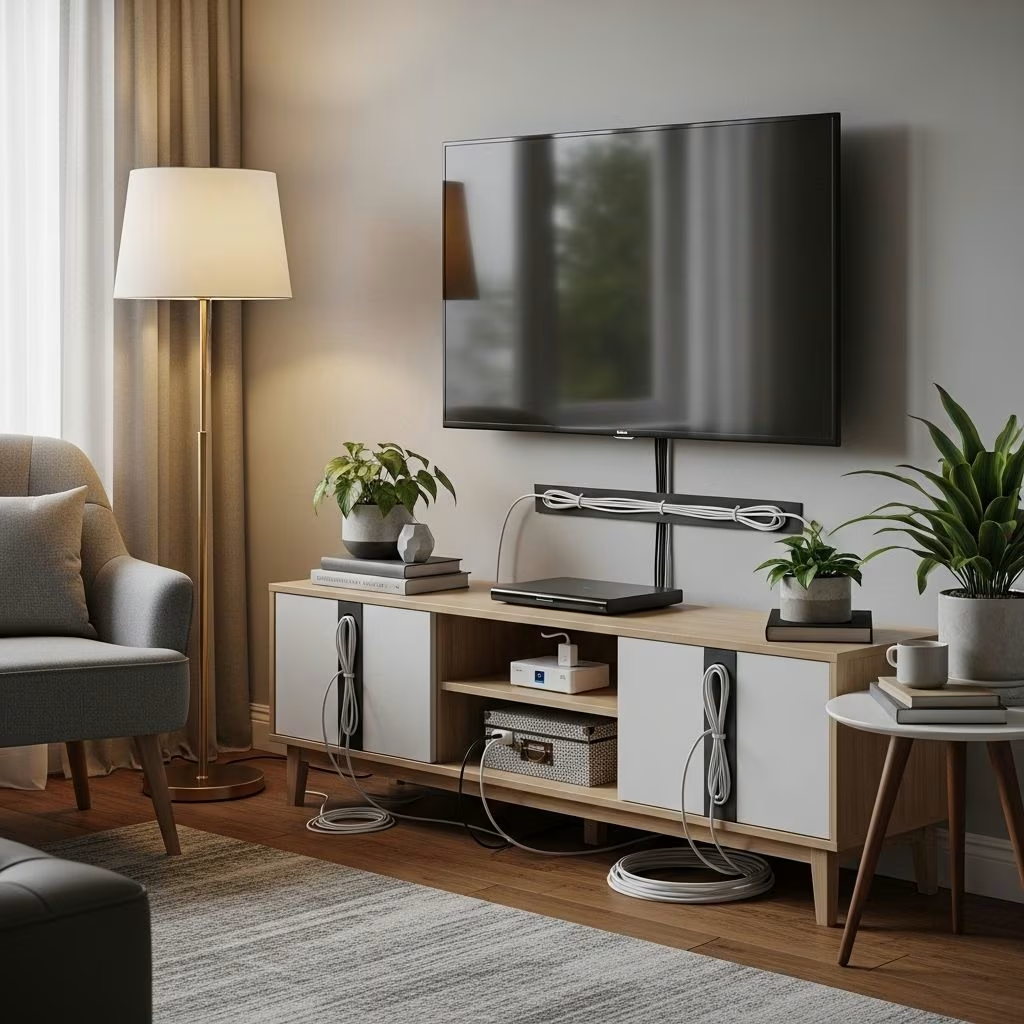
Exposed wires and tangled cords detract from even the most beautifully designed spaces. From entertainment centers to home offices, managing the mess of plugged-in devices is now an essential part of modern home organization. Whether your goal is to improve aesthetics, safety, or both, these 19 solutions offer practical and decorative options for hiding electrical cords and wires, creating a tidier, more harmonious living environment.
Why You Should Hide Cords and Wires
- Safety: Concealed wires reduce tripping hazards and keep curious children and pets safe from harm.
- Aesthetics: Hidden cords help maintain architectural features and the overall style of your space.
- Easy Cleaning: Fewer exposed cords make it simpler to dust and clean, minimizing clutter.
- Organization: Well-managed cords streamline charging and power management, especially in multi-device households.
1. Decorative Cord Covers
For table lamps and wall sconces, commercial cord covers come in various designs and materials to blend with or accentuate your decor. Fabric covers, which wrap around electrical cords, can turn an eyesore into a design feature. Some even have a touch of color or pattern for a bespoke look.
2. Paintable Cord Concealers
Plastic cord channels can be painted to match your wall color, making them almost invisible against baseboards or along walls. These rigid tracks snap open and closed, securing wires safely inside. After installation, a few coats of wall-matching paint deliver a seamless effect.
3. Use Raceway Systems
Raceways are surface-mounted channels designed specifically for running cables along walls, floors, or ceilings. Available in various widths, they are perfect for thicker HDMI, coaxial, and multi-cable bundles.
- Most feature adhesive backing for tool-free installation.
- They can be painted or found in neutral shades to blend in.
- Include corner and connector pieces for navigating around obstacles.
4. Basket or Tray Cable Management
An under-desk cable basket or tray keeps surge protectors and stray wires out of sight but within easy reach. These are particularly helpful in home offices or beneath media consoles. Simply use screws or strong adhesive to attach the tray underneath a desk or behind furniture, then thread wires through for a neat, elevated solution.
5. Bind and Bundle with Velcro or Zip Ties
Before you try to hide cords, gather and secure them into tight bundles. Use Velcro straps for cords that may need frequent adjustment, or zip ties for a more permanent fix. This approach prevents tangling and makes it easier to run cords behind furniture or along baseboards.
6. Integrated Furniture Designs
Some desks, TV stands, and nightstands feature channels or cut-outs to route wires discreetly. If you’re shopping for new furniture, consider pieces with built-in cord management to keep cables hidden from the start.
7. Behind Baseboards and Molding
In rooms with crown molding or wide baseboards, small wires can often be tucked behind these architectural features. Gently loosen the trim, run your wiring, and refasten. Be careful not to pinch or damage the cords during installation.
8. Hide in Plain Sight with Decorative Elements
When cords can’t be fully concealed, dress them up. Wrap cords with decorative rope, fabric, or copper sheathing to make them a visual asset rather than a detraction. You can even integrate them into wall decor for an intentional look.
9. Use Cord Clips and Hooks
- Command adhesive cord clips come in many sizes for easy application on walls, desks, and even the backs of furniture.
- They keep cords off the floor and can be placed at custom intervals for specific cord arrangements.
- Perfect for temporary setups or rented spaces where you want no permanent alteration.
10. Conceal with Curtains and Drapery
Hanging curtains strategically can easily hide wires that run along windowsills or behind entertainment centers. For floor lamps, tucking cords behind the curtain panel can be an instant fix, especially in rooms with minimal wall outlets.
11. Camouflage with Plants
Towering houseplants or dense foliage are excellent assets for hiding awkward electrical cords running along floors or up walls. Place pots in front of or directly over the pathway of exposed wires for a natural, organic disguise.
12. Furniture Rearrangement
Sometimes, the simplest solution is to move a sofa, bookcase, or sideboard to cover up wall outlets, surge protectors, or bundles of wires. Careful planning ensures easy access for plugging in or unplugging when needed.
13. Use Cord Covers Along Floors
Floor cord covers—also called floor raceways or cable protectors—are designed for heavy foot-traffic areas. These flexible strips shield cords and have angled edges to reduce tripping, making them ideal for offices and hallways.
14. DIY Woven or Braided Cord Sleeves
If you enjoy crafting, create a cord sleeve using yarn, paracord, or macramé. Choose colors and patterns that complement your room’s palette, and simply wind or braid around the cord for a durable, decorative effect.
15. Storage Boxes and Charging Stations
Decorative boxes designed for technology, power strips, and chargers keep your accessories out of sight and protected from dust. Many have discreet slots for USB or power cables to land in a single location for easy charging.
16. Wall-Mounted Organizers
Wall-mounted storage, such as a magazine rack or mail holder, can corral excess cord length, chargers, and device adapters. For charging stations, mount a small organizer near the outlet for a visually tidy product charging zone.
17. Hide with Books or Decorative Objects
Stack books with hollowed cores or use decorative boxes on your desk or console to thread and disguise cords for lamps, routers, or charging bases.
18. Cord Concealing Paints and Tapes
- Specialty paints and tapes, designed for plastic and rubber, help blend cords tightly to wall color and reduce visual noise.
- Flat, wide tape can secure and blend wires against painted walls, baseboards, or floors for short runs.
19. Tech Wall Panels and Built-ins
For ultimate integration, consider a custom panel, shiplap wall, or built-in that allows you to run wires behind its surface. These features are particularly useful for wall-mounted TVs, audio/visual systems, or gallery walls with smart lighting.
Table: DIY vs. Store-Bought Cord Concealing Solutions
| Solution Type | Cost | Skill Level | Customization | Best For |
|---|---|---|---|---|
| Paintable Cord Channels | Moderate | Low | High (paint to match décor) | Blending into any wall |
| Woven Cord Covers | Low | Medium | Very High | Bohemian or eclectic rooms |
| Store-Bought Cable Boxes | Moderate | Low | Low–Medium | Desk or nightstand clutter |
| Furniture with Built-in Management | High | Low | Low | Renovations or refurnishing |
Tips for Choosing the Right Cord Concealing Solution
- Assess the number and thickness of your cords; bulky bundles may require raceways or trays.
- Consider future access—choose removable options for cords you may need to move or replace.
- Blend with existing decor through color, material, or placement for a harmonious look.
- For renters, look for no-drill, adhesive-based products that won’t damage walls or trim.
- Don’t overfill cord channels; airflow prevents overheating and improves safety.
Safety Precautions When Concealing Wires
- Ensure no cords are pinched, sharply bent, or covered in a way that could lead to overheating.
- Never hide plugs or terminations inside walls unless they are code-compliant and installed by a licensed electrician.
- Regularly inspect all wiring for wear, damage, or fraying.
Frequently Asked Questions (FAQs)
Q: Can I run power cords behind walls without an electrician?
A: Only low-voltage wires (such as speaker or Ethernet cables) are typically safe to run behind drywall without professional help. High-voltage power cords should always be managed according to local electrical codes—it’s safest to hire a licensed electrician for in-wall installation.
Q: What is the safest way to hide wires from children and pets?
A: Wall-mounted raceways and cord covers secured with anchors, as well as under-furniture trays, are generally safest. Avoid running cords where pets can chew or pull, and routinely check for signs of damage.
Q: Do adhesive cord clips damage paint or furniture?
A: Most reputable adhesive products are designed to be removable without residue. However, if paint or finish is old or loose, test on an inconspicuous spot first to confirm safe removal.
Q: How do I hide cords for a wall-mounted TV?
A: Use a paintable cable management kit that runs vertically between the TV and power outlet, or consult a professional for an in-wall rated power bridge to keep all wiring out of sight.
Q: Are there wireless alternatives to common corded devices?
A: Yes! Wireless charging pads, battery-powered lamps, and Bluetooth speakers can reduce the number of exposed wires in living and work spaces.
Conclusion
Modern homes require thoughtful solutions for cable and wire management. By combining practical products with creative DIY techniques, you can reclaim your home’s style, improve safety, and transform an unsightly tangle of cords into a seamless part of your living environment. Whether you prefer subtle, out-of-sight fixes or decorative cord covers that make a statement, these ideas put you on the path to a more organized, beautiful home.
References
- https://www.zinio.com/in/publications/country-living/1713/issues/671946/articles
- https://missmustardseed.com/country-living-behind-the-scenes/
- https://www.zinio.com/publications/country-living/1713/issues/433211/articles
- https://www.countryliving.com/home-maintenance/organization/news/g3019/wire-covers/
- https://www.countryliving.com/uk/homes-interiors/interiors/a60729891/how-to-hide-eyesores-home/
- https://icl.coop/issues/april-2025/
- https://icl.coop/home-wiring-health-check/