Beekeeping for Beginners: How to Start Your Own Backyard Colony
Few hobbies enrich your life and home like beekeeping. Not only do bees supply delicious honey, but they also pollinate your garden, supporting local ecosystems and flora. As more people rediscover the joys of backyard beekeeping, this guide will walk you through every step, from gathering equipment to maintaining healthy colonies and harvesting your first batch of golden honey.
Why Start Beekeeping?
Beyond producing fresh honey, beekeeping offers many benefits:
- Pollination: Bees help your garden and fruit trees thrive through natural pollination.
- Honey Production: Enjoy home-harvested, pure honey year-round.
- Educational Value: Learning about bee biology and behavior engages all ages.
- Environmental Impact: Supporting bee populations aids biodiversity and counters declining wild pollinator numbers.
- Personal Satisfaction: Caring for a vibrant colony fosters a deeper connection to nature.
What to Know Before You Begin
Beekeeper Ron Repasky recommends that every beginner take a beekeeping class from an experienced instructor or organization. You’ll master terminology, seasonal tasks, and management techniques before introducing your first hive to the yard. Many local clubs and agricultural extensions offer hands-on workshops for newcomers.
- Bee Biology: Understanding bee behavior, queen dynamics, and seasonal patterns is foundational. Beginner courses cover these basics thoroughly.
- Safety Skills: Learning how to handle bees—and what to do in case of stings or swarms—improves confidence and safety.
- Local Laws: Check municipal or county regulations regarding hive placement and colony numbers before purchasing bees.
Is Beekeeping Right for You?
Ask yourself:
- Do you have sufficient outdoor space for hives?
- Are your family or neighbors comfortable with bees nearby?
- Can you commit to regular seasonal maintenance?
- Are you excited to learn about and observe one of nature’s most fascinating insects?
Choosing Your Hive Location
Finding the perfect site for your hives is one of the most important early decisions. Healthy colonies depend on the right environment.
- Drainage: Choose a spot with good drainage—ideally on a slope—to prevent moisture buildup and rot. Elevate hives off the ground when necessary.
- Wind Shelter: Protect your bees from harsh winds. A hedge or fence can serve as a natural windbreak.
- Sunlight: Hive entrances should face east or southeast, soaking up morning sun to warm the colony and spur activity.
- Shade in Hot Climates: In hotter regions, offer afternoon shade to keep your hive from overheating.
- Foraging Resources: Bees thrive where flowers are plentiful. Surprisingly, urban and suburban areas often offer more variety for foraging than monoculture farmland.
- Safety: Keep hives away from patios, play areas, and public walkways to minimize human-bee encounters.
Essential Beekeeping Equipment
Proper gear ensures safety, efficiency, and the longevity of your colony. Start with these essentials:
| Equipment | Purpose | Typical Price Range |
|---|---|---|
| Woodenware (Hive: bottom, body, top) | Main structure of your colony; contains frames for comb and brood. | $150–$300 |
| Protective suit (veil, hat, jacket, gloves) | Shields body from stings, especially crucial for newcomers. | $60–$150 |
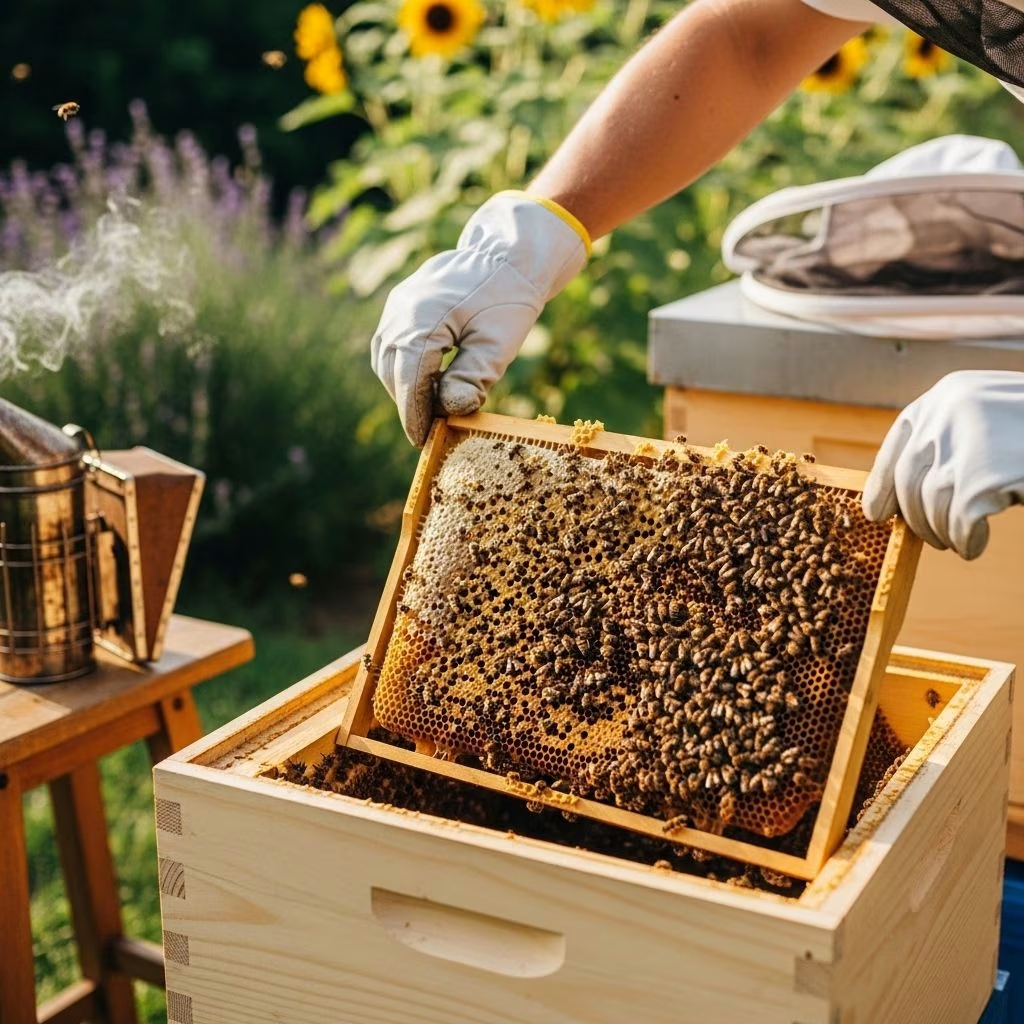
| Smoker | Calms bees using cool smoke for safe hive inspection. | $20–$50 |
| Hive tool | Unsticks frames, scrapes built-up wax, pries apart boxes. | $10–$20 |
| Bees | Order enough to populate at least two colonies for comparison. | $100–$300 (per nucleus or package) |
| Honey extractor | Separates honey from comb during harvest. | $150–$500 (optional for beginners) |
- Do not skimp on protective equipment: Novices should use a full suit, gloves, and sturdy footwear to prevent distraction from painful stings.
- Start with two hives if possible—side-by-side comparison helps you learn faster and manage problems effectively.
- Buy bees from reputable suppliers: Ensure you receive healthy, disease-free starter colonies (nucleus or package).
Starter Kit Shopping List
- Wax-coated beehive with frames
- Beekeeping gloves
- Bee smoker
- Hat and veil (or full suit)
- Hive tool
- Beekeeper’s log book (for inspections and notes)
Types of Beehives: Which Should You Choose?
There are two primary hive styles for backyard beekeepers:
- Langstroth Hive: The most popular hive in North America, it features stackable boxes with removable frames. It’s modular and simple to expand.
- Top-Bar Hive: One of the oldest designs, offering a single horizontal box with bars from which bees build comb downward. Top-bar hives are easier for observation but may yield less honey.
Most beginners choose the Langstroth for its ease of use and availability of parts.
Getting Your Bees: How and When to Start
Spring is the best time to introduce bees to new hives, giving colonies time to establish before peak flowering and honey flows.
- Purchase nucleus colonies (small functional bee families) or packages from specialist suppliers.
- Choose healthy, active bees—avoid those with obvious disease or lethargy.
- Install bees in their new homes during mild weather, in the morning or evening, to reduce stress.
Managing Your First Hive
Once your hives are installed and bees settled, focus on season-by-season care to ensure healthy colonies:
- Regular inspections: Every 7–10 days, check for signs of disease, queen activity, and food stores.
- Feeding: In early spring or late fall, supplement with sugar syrup if nectar is scarce.
- Swarm prevention: Split strong hives or remove excess queen cells to keep colonies manageable.
- Record keeping: Log each inspection, noting hive status, health, and environmental conditions.
- Seasonal tasks: Add supers (for honey storage) in late spring; remove and extract honey in late summer or early fall.
Harvesting Honey: Tips for Beginners
Your first honey harvest is a milestone. Beekeepers typically collect honey at the end of summer after a productive foraging season.
- Use an uncapping scratcher or fork to remove wax caps from honeycomb.
- Spin or press the comb in an extractor to separate honey from wax.
- Filter and store honey in clean jars; save wax for crafts or future hive use.
- Leave enough honey for your bees to overwinter—do not take all stores.
Expect to produce up to 30 pounds of honey per year from two healthy hives.
Year-Round Hive Care
Successful beekeeping requires adapting your care to each season:
- Spring: Inspect for winter damage, ensure queen is laying, and supplement food if needed.
- Summer: Add honey supers, monitor for swarming, protect against pests.
- Fall: Harvest excess honey, monitor hive health, feed if stores are low.
- Winter: Insulate hives, check ventilation, minimize disturbances, and ensure adequate food.
Safety Tips for Beekeepers
- Always wear protective clothing when opening hives.
- Use a smoker to calm your bees before inspections.
- Work slowly and deliberately—avoid sudden movements that can agitate bees.
- Know your allergy status; keep antihistamines on hand.
- Inform family and neighbors of your beekeeping activities.
Common Beekeeping Challenges
- Stings: Unavoidable from time to time. Remove stinger promptly, wash area, and monitor for allergic reactions.
- Colony collapse: Track hive health; watch for mites, disease, or poor foraging.
- Swarming: Natural, but can lead to lost bees. Control via regular hive inspections and splitting overcrowded colonies.
- Pest management: Keep hives clean; monitor for wax moths, beetles, and varroa mites.
Resources for New Beekeepers
- Join a local beekeeping association for mentorship and support.
- Read classic books like Bees at the Bottom of the Garden or Collins Beekeeper’s Bible.
- Use reputable suppliers for bees and equipment.
- Connect with online forums and courses for troubleshooting and community advice.
Frequently Asked Questions (FAQs)
Q: Can I start beekeeping in a small yard?
A: Yes. Bees don’t need much space, but the location should provide good drainage, sun, and protection from wind. Even small suburban gardens or rooftops can support thriving colonies.
Q: How much time does beekeeping require?
A: After initial setup, expect to spend a few hours per month during the active season (spring-summer) and less during winter. Regular inspections and seasonal maintenance are key.
Q: What if my bees swarm?
A: Swarming is natural. Capture and transfer the swarm to a new hive if possible. Prevent swarming by monitoring hive space and splitting colonies when necessary.
Q: Do I need a honey extractor right away?
A: No. First-year beekeepers can use simple tools (like an uncapping fork) for small harvests and upgrade as their apiary grows.
Q: What should I do if I get stung?
A: Remove the stinger quickly, wash the area, and apply ice. Monitor for allergic reactions and seek medical help if symptoms are severe.
Final Tips for Beekeeping Success
- Be patient: Colonies grow slowly; expect modest honey yields your first year.
- Track your progress: Keep a beekeeper’s log for inspections, weather, and hive activity.
- Enjoy observation: Watching your bees at work is rewarding, instructive, and soothing.
- Be adaptable: Learn from mistakes and ask for help from experienced keepers.
With the right equipment, knowledge, and care, anyone can experience the joys—and sweet rewards—of backyard beekeeping.
References
- https://www.countryliving.com/home-maintenance/a26986625/beekeeping-for-beginners/
- https://www.countryliving.com/uk/wildlife/farming/how-to/a276/beekeeping-for-beginners/
- https://oursimplehomestead.com/beekeeping-for-beginners/
- https://northgeorgialiving.com/backyard-beekeeping-101-all-you-need-to-know/
- https://blog.lehmans.com/diy-beekeeping-for-beginners/
- https://www.azurefarmlife.com/farm-blog/intro-to-beekeeping
- https://grow.ifa.coop/beekeeping/beekeeping-for-beginners
- https://scientificbeekeeping.com/first-year-care-for-your-nuc/
- https://www.youtube.com/watch?v=AKKh6k0sVZI
- https://www.countryliving.com/uk/wildlife/pets/how-to/a898/how-to-keep-bees/