Best Carports for Vehicles: Top Styles, Features, and Buying Tips
Carports are more than just practical vehicle shelters—they’re a statement of care for your car, truck, boat, or outdoor gear. Whether you live where snow piles up or summers blaze, choosing a quality carport keeps your investment safe from the elements and adds value to your property. This guide explores the best carports available today: from robust metal frames and charming wood designs to flexible portable options, plus expert advice, installation tips, and answers to common questions.
Why Invest in a Carport?
- Vehicle Protection: Shields cars, trucks, RVs, and boats from rain, snow, sun, and falling debris.
- Multipurpose Use: Provides covered outdoor space for gardening gear, bikes, ATVs, or gatherings.
- Property Value: Enhances curb appeal and can increase home resale value.
- Cost-Effective: Less expensive than building a full garage, with easier installation.
Types of Carports: Which Is Right for You?
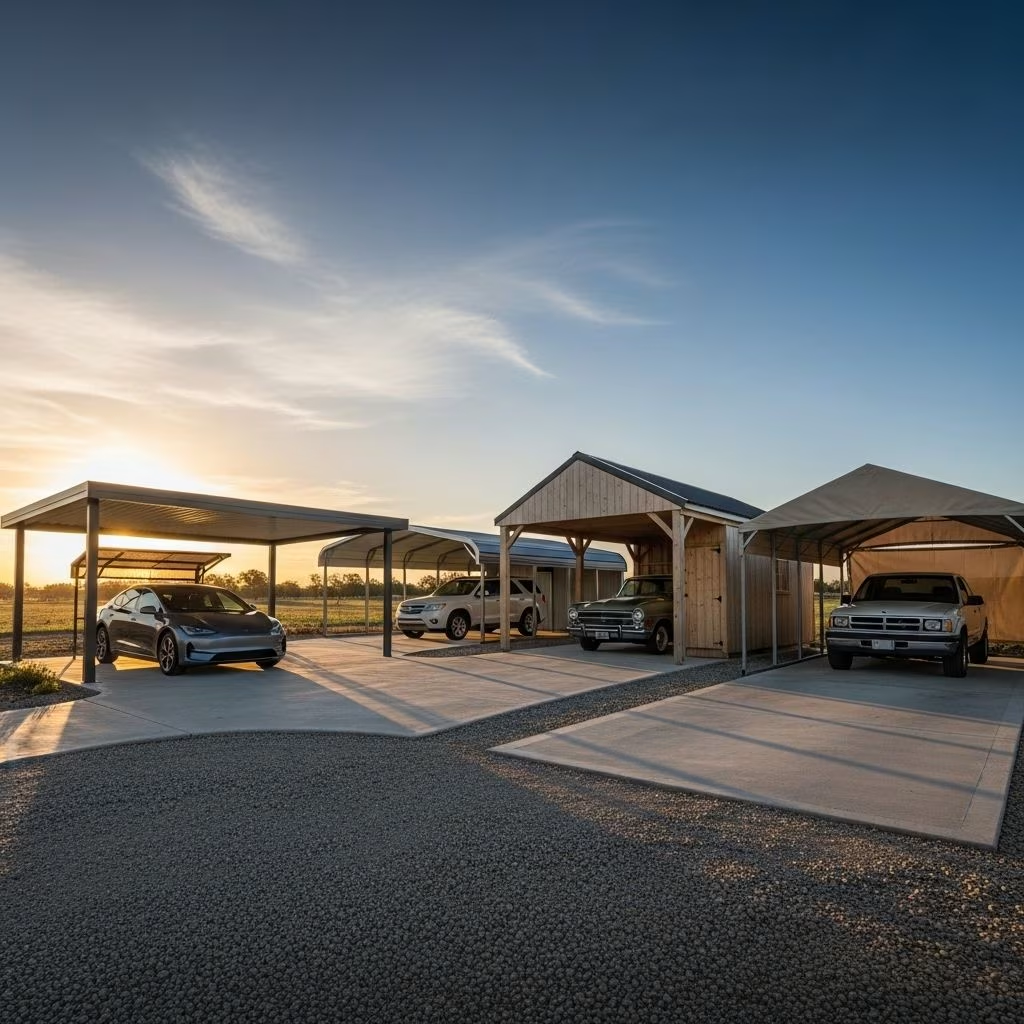
Carports come in a range of styles and materials, each suited to specific climates, vehicle types, and budgets. Below we break down the major types with pros and cons to help you choose.
1. Metal Carports
Metal carports are among the most durable and versatile solutions, thanks to their rust-resistant frames and all-weather designs. Most are constructed from galvanized steel or aluminum, making them ideal for areas with harsh weather.
- Strength: Withstands heavy wind, rain, snow, and hail.
- Longevity: Galvanized steel resists rust and corrosion, often lasting 20+ years.
- Quick Assembly: Pre-fabricated kits feature screw-in pieces and hook anchors for straightforward DIY setup.
- Design: Modern, utilitarian look. Available with open sides or enclosed panels for added security.
| Feature | Benefit |
|---|---|
| Galvanized Frame | Superior rust/corrosion resistance |
| Snow Load Rating | Supports up to 35 lbs per sq. ft. |
| DIY Friendly | Includes pre-drilled holes and clear instructions |
| Warranty | Most offer manufacturer coverage (5–20 years) |
2. Wood Carports
Wooden carports blend classic architectural charm with customization flexibility. Their natural appearance complements Craftsman, Colonial, Ranch, or farmhouse homes beautifully.
- Curb Appeal: Enhances home aesthetics with options for paint, stain, and decorative trim.
- Eco-Friendly: Built from renewable, often FSC-certified lumber; wood has a lower carbon footprint than metal.
- Thermal Insulation: Wood keeps vehicles cooler in summer, warmer in winter.
- Customization: Add trellises, storage cabinets, or even connect to a pergola or outdoor living space.
A well-built wood carport, especially in a spacious 2-car format, becomes a permanent property feature. Maintenance involves annual inspections and periodic re-staining or sealing.
| Material | Advantages |
|---|---|
| Cedar | Rot and insect resistant, beautiful grain |
| Pine | Economical, pressure-treated for durability |
| Tropical Hardwood | Premium weather resistance |
3. Portable Carports
Portable carports, often called shelters or tents, use lightweight metal frames and waterproof fabric canopies. Ideal for renters, seasonal coverage, or extra storage, they set up and dismantle quickly.
- Affordability: Lowest price point among carport types.
- Flexibility: Move, resize, or take down as needed.
- Protection: Blocks rain, snow, harmful UV rays, and keeps interiors ventilated with mesh windows or roll-up doors.
- Easy Assembly: Most kits require minimal tools and can be set up by one or two people.
Key Features to Consider When Buying a Carport
- Size & Capacity: Ensure sufficient width, depth, and height for your vehicle(s). Account for extra storage—bikes, trailers, garden equipment—if needed.
- Material Quality: For metal, opt for thick-gauge galvanized steel. For wood, choose rot-resistant lumber with weatherproof finishes.
- Roof Style: A-frame, flat, or arched designs vary in snow/rain shedding ability and appearance.
- Anchoring System: Secure footings prevent wind or weather damage. Look for models with ground anchors, augers, or concrete options.
- Ventilation & Access: Mesh windows and roll-up doors create airflow, reducing condensation and interior temperature.
- Finish & Color: Choose paint or stain to match existing home exteriors; fabric shelters come in neutrals for versatile use.
- Warranty & Support: Many manufacturers offer multi-year warranties and tech support for setup.
Best Carport Models for 2024
Below are leading carport options for different needs and budgets. Each has unique benefits for homeowners and renters alike:
- GARVEE 13’x20′ Heavy Duty Carport: Spacious shelter with reinforced steel poles, waterproof canopy, roll-up zippered doors, and mesh windows for ventilation. Highly durable and ideal for SUVs, trucks, and boats.
- GARVEE 6’x8′ Portable Carport: Designed for motorcycles, small vehicles, and outdoor gear. Features a waterproof UV-resistant cover and easy access zipper doors. Quick to assemble and move.
- GARVEE 13’x20′ Heavy Duty Portable Garage: Larger footprint for vehicles and equipment, doubles as an outdoor event space. Heavy-duty steel frame, roll-up doors, mesh windows—built for all-weather durability.
- Aerody Double Car Metal Carport: Sturdy, extra-long metal roof for two or more vehicles, including large trucks and equipment. Galvanized steel roof resists rust and supports heavy snow loads. DIY-friendly.
- 2-Car Wood Carport: Premium aesthetic and ample space, ideal for permanent installations and families needing both parking and outdoor storage. Customizable with decorative posts, integrated cabinets, and lighting.
Prefabricated vs. DIY Carports
The debate between prefabricated and DIY carports centers on convenience and cost:
- Prefabricated Carports: Ready-to-assemble kits with all components included, detailed instructions, and manufacturer support. Fast installation, warranty coverage, and a range of styles/sizes for any need.
- DIY Carports: Allow for total customization but require design experience, sourcing materials, and greater labor investment. Better suited for skilled builders or those with unique site requirements.
Tip: For most homeowners, prefabricated carports balance build quality with ease of installation—often requiring just a few hours for setup versus days with a DIY project.
Installation Tips for Your Carport
- Site Preparation: Choose a level area free of underground utilities. Remove debris and provide drainage for rainwater.
- Permits: Check local zoning rules and acquire permits if necessary, especially for large or permanent carports.
- Anchoring: Use appropriate ground anchors or concrete footings for stability in windy or snowy areas.
- Assembly Help: Larger kits may require two or more people; follow manufacturer’s instructions closely.
- Weatherproofing: Apply sealant or protective coatings per material and climate recommendations.
- Maintenance: Inspect annually for leaks, rust, or wood decay. Sweep roof, clean gutters, and refresh finishes as needed.
How to Choose the Right Carport for Your Property
- Assess the vehicles and equipment to be covered, as well as future needs (e.g., additional cars, boats).
- Match carport size and clearance height to your largest vehicle, factoring in accessories like roof racks.
- Pick a style and material compatible with your home’s exterior and neighborhood standards.
- Consider climate durability—cold regions need snow-rated metal roofs, while wet or humid areas benefit from pressure-treated wood.
- Evaluate your budget for purchase, installation, and ongoing upkeep.
- Check warranty and support from manufacturers or sellers.
Maintenance Tips for Longevity
- Inspect for structural damage or wear every spring and fall.
- Rinse metal frames and fabric covers to remove salt, pollen, or mildew.
- Re-stain or seal wood every 2–3 years (or as recommended by manufacturer).
- Remove leaves, snow, and debris from roofs and gutters promptly.
- Replace worn anchoring or fasteners.
Creative Uses for Carports
- Outdoor workspace for gardening, woodworking, or repairs.
- Covered area for outdoor gatherings or parties.
- Shelter for bikes, ATVs, lawn mowers, or sports gear.
- Extension of patios for shaded relaxation.
- Portable garages for travel trailers or RVs.
Carport Frequently Asked Questions (FAQs)
Q: Do I need a permit to install a carport?
A: Many municipalities require permits for permanent or large carports. Always check local zoning and building codes before purchase and installation.
Q: How long does it take to assemble a carport?
A: Most prefabricated models are built in several hours with basic household tools. Larger wood or metal builds may take a day or more, especially if custom features or concrete footings are needed.
Q: Will my carport withstand snow and wind?
A: Metal carports often support up to 35 lbs/sq. ft. of snow and resist wind if properly anchored. Wood carports, when engineered to code, hold up well against snow and changing temperatures. Portable shelters offer decent weather resistance but may need extra anchoring in high winds.
Q: Can I connect my carport to my house or garage?
A: Many designs support seamless integration. Wood carports are easily customized to match decks or pergolas. Metal carports may require brackets/bolts for attachment—follow manufacturer recommendations.
Q: What maintenance is required?
A: Essential maintenance includes annual inspections, cleaning, and reapplying weatherproofing to wood. Keep the roof clear of debris and maintain anchors for safety and longevity.
Final Thoughts
Protecting your vehicle and outdoor investments starts with choosing the right carport. Whether you prefer the rugged reliability of metal, the classic beauty of wood, or the versatility of portable structures, today’s options make it easier than ever to add shelter, style, and value. Consider your climate, space, aesthetic, and budget—and invest in a carport built to last for years to come.
References
- https://sunjoyshop.com/blogs/news/metal-wood-carports-on-sale-find-your-perfect-vehicle-shelter
- https://www.garvee.com/blogs/trending-now/creative-carport-ideas
- https://www.youtube.com/watch?v=sXtMVe-BhrM
- https://www.countryliving.com/home-maintenance/g33352496/best-carports/
- https://www.shelterlogic.com/knowledge/category/carports/carports-buying-guide
- https://lovechicliving.co.uk/carport-design-tips/
- https://www.countryliving.com/gardening/garden-ideas/g64367760/garage-turned-garden-shed-2025/
- https://www.newhomesource.com/learn/rural-living-special-storage/
- https://www.innovatingcanada.ca/environment/future-of-our-planet-2025/homegrown-solar-carports-a-powerful-solution-for-urban-sprawl/