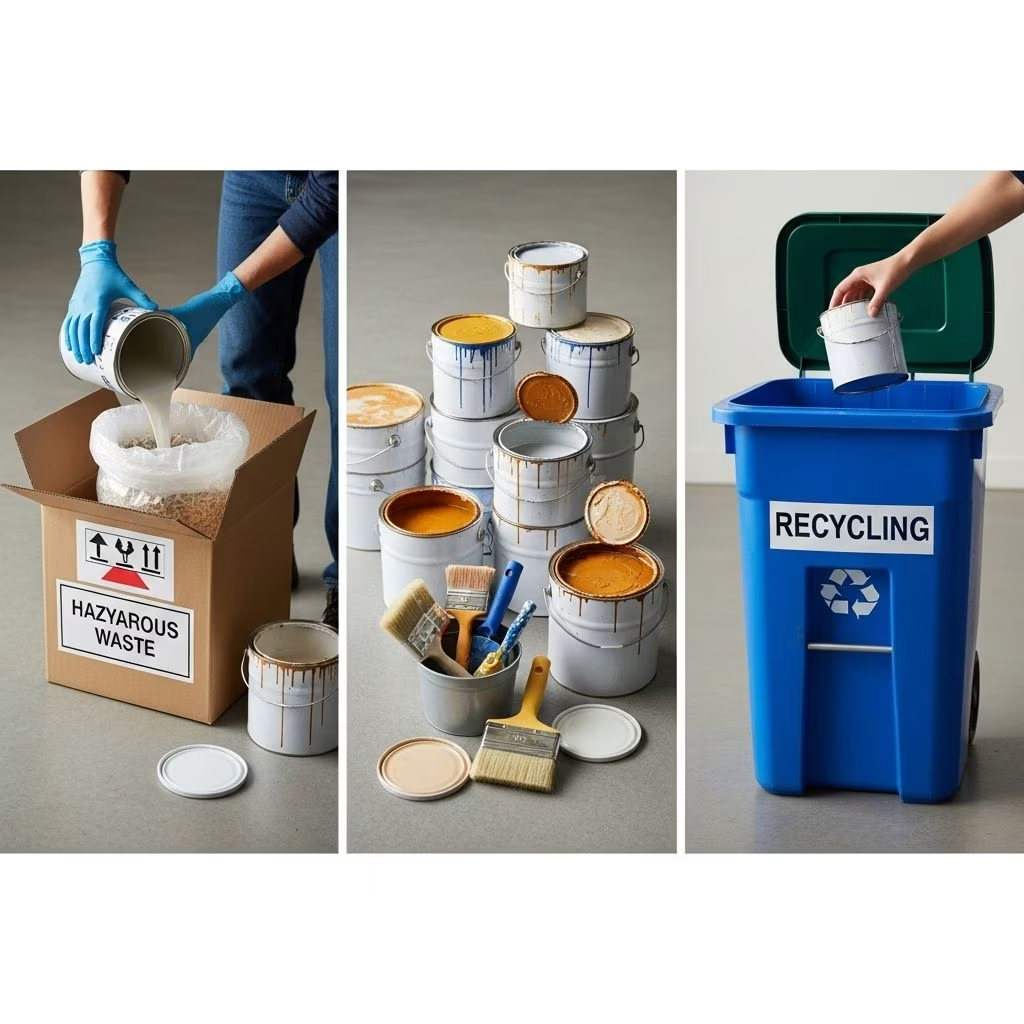
Disposing of paint isn’t as straightforward as tossing an old can in the trash. Whether you’re a seasoned DIYer or a homeowner with a half-full can from years ago, knowing how to properly store, reuse, donate, recycle, or dispose of leftover paint will help protect the environment, keep your home safe, and comply with local laws. This guide covers everything you need—step-by-step instructions, legal and eco-friendly options, and expert advice on dealing with various types of paint.
Why Proper Paint Disposal Matters
Paint contains chemicals and additives that can be hazardous to both health and the environment when disposed of improperly. Pouring paint down the drain or tossing it in the trash can contaminate water supplies, harm wildlife, and even result in hefty fines from local authorities. Responsible paint disposal prevents pollution, ensures community safety, and upholds legal standards.
- Latex paint (water-based) is less hazardous but still requires special handling.
- Oil-based paint (solvent-based) is considered hazardous waste and has stricter disposal requirements.
- Improper disposal can release toxins such as lead or solvents into soil and water supplies.
How to Tell if Paint is Still Good
Before you jump to discarding leftover paint, assess whether it can be salvaged or reused:
- Check the texture: If paint has separated, stir it well. If it blends smoothly and the texture is uniform, it’s still usable. Thick, chunky, or rubbery paint is a sign it has gone bad.
- Smell: Fresh paint should have a clean, mild odor. Sour or rancid smells indicate it’s spoiled.
- Performance: Test a small amount on scrap cardboard or wood. If it flows and dries normally, it can be used for touch-ups or projects.
How Long Does Paint Last?
Paint longevity depends on formula, storage conditions, and whether the can was properly resealed:
| Type of Paint | Typical Shelf Life | Best Storage Tips |
|---|---|---|
| Unopened Latex | Up to 10 years | Store in a cool, dry place. Keep away from freezing. |
| Opened Latex | 2 to 5 years | Seal tightly. Store upright. Mark date on lid. |
| Unopened Oil-based | Up to 15 years | Store in moderate temperatures, away from heat or open flame. |
| Opened Oil-based | Up to 10 years | Seal tightly. Mark type and date. Avoid extreme temperature swings. |
Preparing Paint for Disposal
Never pour leftover paint down the drain, on the ground, or in storm sewers. Here’s what to do instead:
- Read the label for disposal warnings or product-specific instructions.
- Know your paint type: Latex and oil-based require different handling.
- Always check local regulations—disposal laws and services vary by location.
How to Dispose of Latex Paint (Water-based)
Latex paint is less toxic but still shouldn’t be poured down the drain. Many cities permit dried latex paint to be thrown out with household trash, but the paint must be fully solidified:
- Solidify the Paint
- Mix equal parts cat litter, shredded newspaper, or sawdust into the paint can. Stir until it thickens.
- Let the mixture sit uncovered for several hours until completely solid.
- If small amount remains, simply leave lid off and let it air dry out of reach of children and pets.
- Dispose with Household Trash
- Once dry, remove the lid. Place dried can and solidified paint residue in your regular trash.
- Check with your community’s public works or waste management for restrictions or requirements.
Tip: Commercial paint hardeners are available and can speed up the drying process—follow manufacturer directions.
How to Dispose of Oil-Based Paint (Solvent-based)
Oil-based paint is classified as hazardous waste due to its flammable and toxic solvents. Do not throw oil-based paint in household trash or pour it out.
- Take oil-based paints to a hazardous waste collection site or community drop-off event.
- Contact your county waste department or environmental protection agency for nearby facilities.
- Some retailers and local programs offer paint recycling or collection services—call ahead to verify.
Improper disposal of oil-based paints may result in serious environmental damage and legal penalties.
Check Local Laws and Regulations
Rules for paint disposal vary widely. Many communities require specific procedures and offer dedicated resources:
- Consult your city or county waste management website for guidelines and drop-off locations.
- Use online directories like Earth911 or PaintCare to find local recycling programs and hazardous waste sites.
- In some areas, it is illegal to air dry paint or to throw any kind of liquid paint in the trash. Always verify first.
Eco-Friendly Paint Disposal Options
Recycle Unused Paint
- Look for local recycling centers that accept paint.
- PaintCare programs, available in several states, collect paint for recycling. Check their website to see if your community participates.
- Not everywhere has paint recycling—call locations first or visit city environmental resource pages for information.
Donate Usable Paint
- Charities, community centers, schools, churches, and theaters often welcome leftover paint for their projects.
- Habitat for Humanity ReStores, local artists, or upcycle shops may accept latex paint in good condition—call ahead to confirm needs and restrictions.
- Use neighborhood apps or social media to find individuals who can use paint for DIY, crafts, or maintenance work.
Tips for Reducing Future Paint Waste
- Buy only what you need: Accurately calculate square footage and consult paint coverage guides before purchasing.
- Store paint properly: Reseal cans tightly, store in a cool, dry place, and label with date and color info.
- Use up leftovers: Small amounts can be used for touch-ups, primer, crafts, or as a base for mixing new colors.
Frequently Asked Questions (FAQs) about Paint Disposal
Q: Can I pour leftover paint down the drain?
A: No. Pouring paint down the drain can damage plumbing and contaminate water supplies. Always use recommended methods for drying and disposal.
Q: Is it ever okay to throw paint cans in the trash?
A: Only dried, empty latex paint cans (with lids removed) can go in the trash in most communities. Oil-based paint cans must go to hazardous waste facilities.
Q: Are there programs that recycle paint?
A: Yes, PaintCare and some municipal recycling centers accept qualified paint products. Check eligibility and availability in your area before bringing leftover paint.
Q: What do I do with empty paint cans?
A: Clean, dry, empty metal cans can often be recycled with metals; plastic and half-full cans require special handling based on local guidelines.
Q: Will the landfill take hardened latex paint?
A: Many landfills allow fully dried latex paint for regular disposal. Call your waste provider to confirm policies and prepare cans as directed.
Additional Safety and Environmental Tips
- Never burn paint or cans due to toxic fumes and risk of explosion.
- Always keep leftover paint out of reach of children and pets.
- Label stored cans with color, room, and date for easy identification and future use.
- Transport paint for disposal in sealed containers, upright, and in a stable position to avoid spills.
- Consult local hazardous waste collection schedules for seasonal drop-off events.
Quick Reference Guide for Paint Disposal
| Paint Type | Disposal Method | Can I Trash It? | Eco-Friendly Options |
|---|---|---|---|
| Latex (water-based) | Dry out, then trash. Never pour out. | Yes, if dried solid | Recycle, donate, reuse for crafts or primer |
| Oil-based (solvent-based) | Bring to hazardous waste collection | No | Community collection events, PaintCare |
| Old stains, varnishes | Hazardous waste collection only | No | Check for recycling programs |
Resources for Paint Disposal
- Earth911: Directory for recycling and disposal sites by ZIP code.
- PaintCare: Nationwide stewardship program for paint collection and recycling in participating states.
- Municipal waste services: Visit your city or county’s website for detailed instructions and drop-off locations.
- U.S. Environmental Protection Agency (EPA): Guidance and data on hazardous waste handling.
Final Thoughts: Do Your Part for Safer Homes and Greener Communities
Disposing of paint the right way protects both the environment and your local community. With a little preparation and by using resources available to you, you can handle leftover paint in a way that’s safe, legal, and even beneficial to others. When in doubt, turn to your local waste authorities or reputable recycling initiatives—playing it safe with paint disposal is always the best policy.
References
- https://www.lowes.com/n/how-to/store-dispose-paint-properly
- https://marcpoulospainting.com/after-how-long-should-i-throw-old-paint-away/
- https://www.sherwin-williams.com/homeowners/inspiration/painting/interior-painting-how-tos/interior-cleaning-up
- https://www.countryliving.com/home-maintenance/a38748771/how-to-dispose-of-paint/
- https://www.countryliving.com/uk/homes-interiors/interiors/a66022977/half-empty-paint-tins-clever-leftover-uses/
- https://dnr.mo.gov/waste-recycling/reduce-reuse-recycle/what-to-do-with-specific/household-hazardous
- https://apps.dnr.wi.gov/doclink/waext/wa1805.pdf