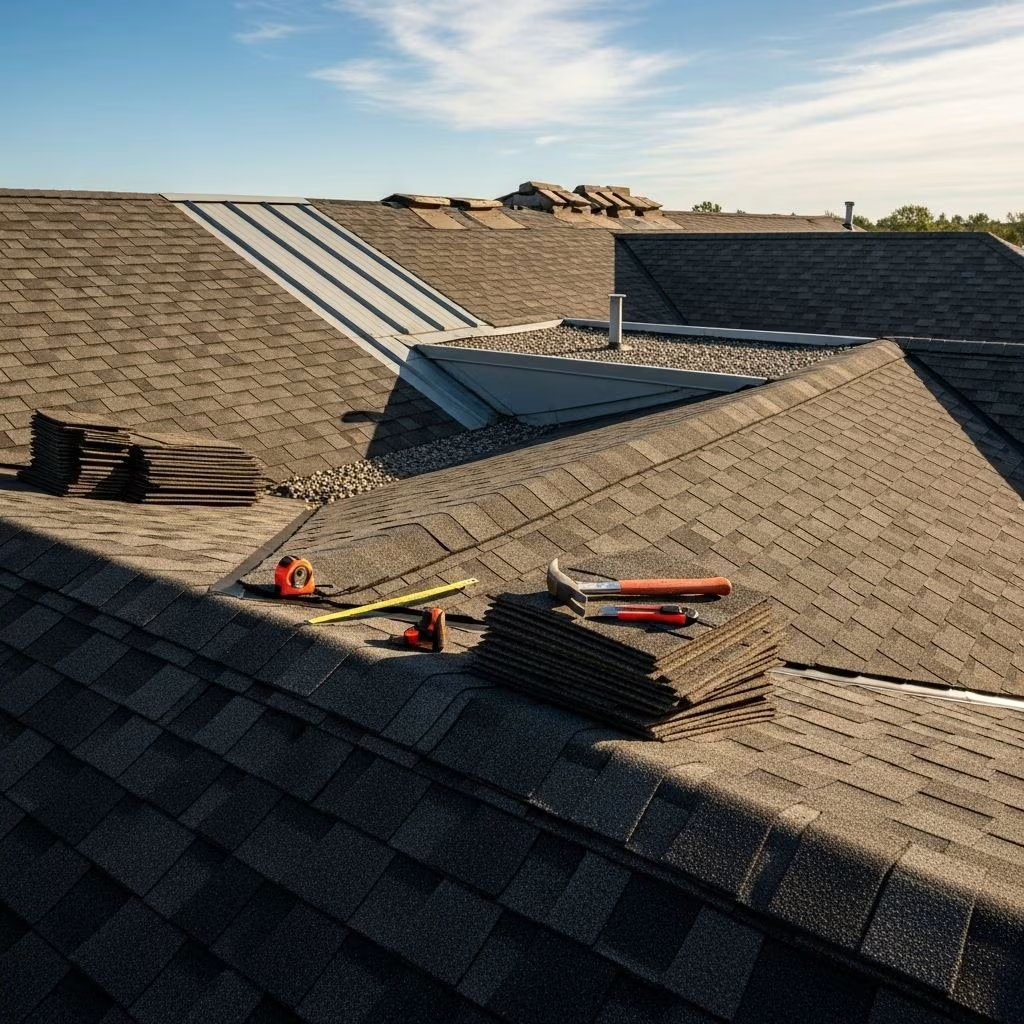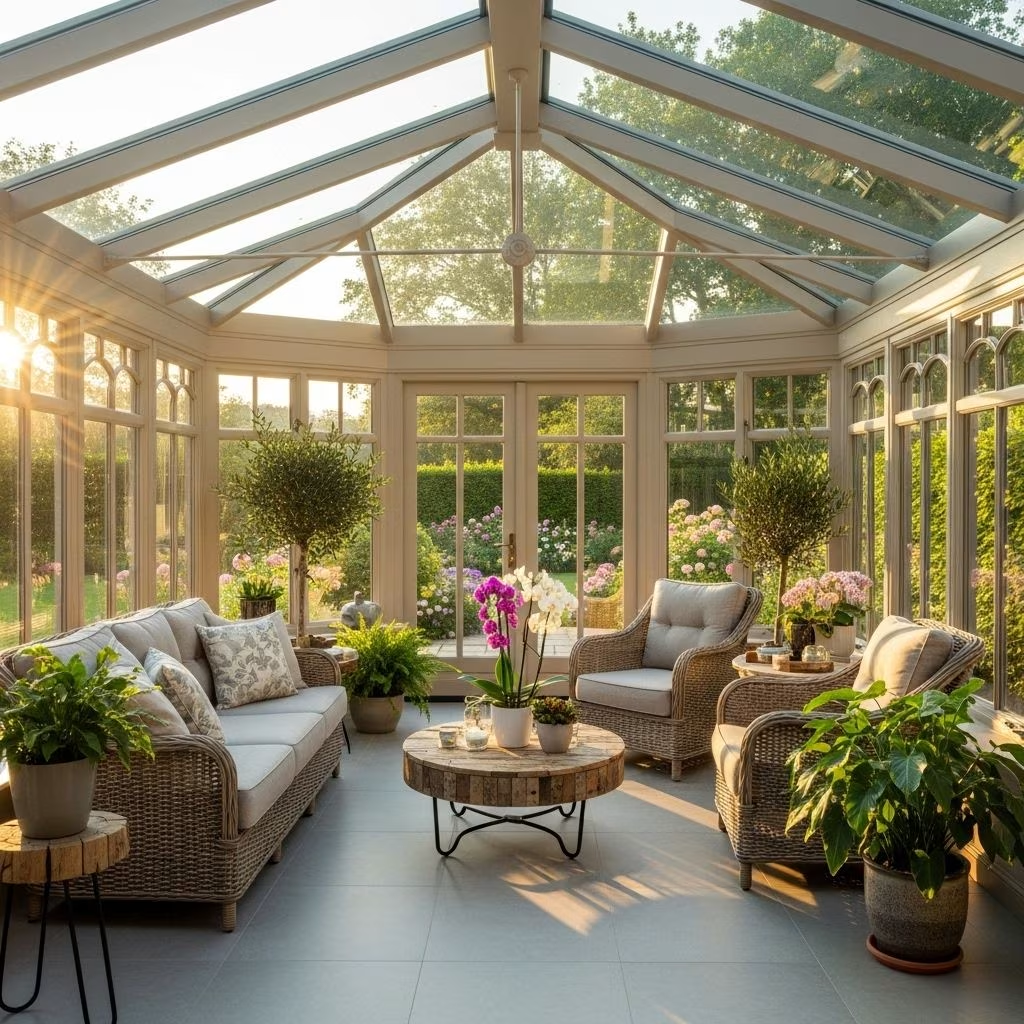
Adding a sunroom can transform your house, providing a bright, welcoming space for relaxation, gatherings, or even extra living area year-round. However, before you break ground, it’s critical to understand the key factors involved in planning, designing, and building a successful sunroom addition. This comprehensive guide covers essential considerations, from cost and construction choices to regulations, design, and maintenance.
Understanding What a Sunroom Is
At its core, a sunroom is an enclosed room—often attached to your home—with abundant windows or glass walls to invite in natural light and outdoor views. Sunrooms can range from simple screened porches to highly insulated, four-season living spaces. Their main goal is to provide the comforts of the indoors while immersing you in your surrounding environment.
Is a Sunroom Right for Your Home?
Before committing, consider how a sunroom will fit your lifestyle and property:
- Purpose: Do you envision it as a space for entertaining, a plant-filled retreat, or extra year-round living area?
- Location: Will it receive ample sunlight and blend seamlessly with your existing home design?
- Budget: Can you accommodate potential construction, furnishing, heating, and cooling costs?
- Resale Value: A well-designed sunroom can add value to your property and increase curb appeal.
Key Factors to Consider Before Adding a Sunroom
- Types of Sunrooms: Choose the best fit for your climate and usage needs (screened, three-season, or four-season rooms).
- Costs: Establish a budget—factor in construction, materials, permits, and finishing touches.
- Design Options: Consider architectural style, materials, size, and orientation.
- Building Permits and Codes: Research local building codes and permit requirements.
- Contractors: Hiring experienced professionals is key to quality and compliance.
- Long-Term Maintenance: Know what your new addition will require to stay beautiful and functional.
Types of Sunrooms: Choosing the Best Fit
Sunrooms can typically be categorized by their intended seasonal use and the degree of insulation and HVAC integration:
| Type | Description | Seasons Used | Key Features |
|---|---|---|---|
| Screen Room | Walls made of screens; offers outdoor experience with insect protection | Spring to Fall (mild climates) | Good airflow, minimal temperature control |
| Three-Season Room | Glass/screen walls, uninsulated or lightly insulated; not heated/cooled | Spring through Fall | More comfort than screen room, not typically usable in harsh winters |
| Four-Season Room | Fully insulated, incorporates HVAC (heating/cooling) | Year-round | Comfortable in all seasons, higher cost |
| Solarium (Conservatory) | Maximum glass coverage (walls and roof); luxury build | Year-round (w/ HVAC) | Presents unique design/glare/temperature considerations |
Sunroom Costs: What to Budget For
The cost of adding a sunroom varies widely based on size, type, materials, location, and customization. On average, consider the following:
- Screen Rooms: $15,000 – $30,000
- Aluminum Three-Season Rooms: $35,000 – $50,000
- Vinyl Four-Season Rooms: $45,000 – $65,000
Additional costs include foundation work, HVAC, electrical, furnishings, and permits. Labor and material price fluctuations can further affect your final budget. Always request detailed estimates from more than one licensed contractor.
Location: Where to Place Your Sunroom
Proper placement is essential for maximizing enjoyment and balancing your sunroom’s temperature. Most sunrooms are attached to the rear or side of a home for privacy and sun exposure, using an existing door as a connection. South or southeast-facing sunrooms capture the most sunlight throughout the day, while north-facing rooms may feel cooler and receive gentler light.
- Consider rooflines and existing landscaping for both aesthetics and ease of construction.
- Try to avoid locations that would require moving major mechanicals such as air conditioning units unless absolutely necessary.
Optimal Sunroom Sizes
There’s no universal standard for sunroom dimensions; designs can be tailored to suit your preferences and lot constraints. However, common sizes offer a comfortable balance:
- Small: 10 ft. x 12 ft.
- Standard: 12 ft. x 12 ft. or 12 ft. x 14 ft.
- Large: 12 ft. x 18 ft. or 16 ft. x 20 ft.
When deciding, ensure there’s enough space for furniture, foot traffic, and your intended use. Larger sunrooms cost more but can serve as multi-functional spaces.
Foundation Options for Sunrooms
Every sunroom requires a sturdy foundation to support its weight and ensure longevity. Typical options include:
- Concrete Pad: Durable and low-maintenance, suitable for most types.
- Pressure-Treated Wood Deck: More flexibility for certain elevations, but may need ongoing maintenance.
- Composite Deck: Durable, low-maintenance alternative to wood decking.
A professional inspection can determine if an existing slab or deck is structurally sound for a sunroom. If not, new construction is necessary and will add to costs.
Materials for Construction: Pros and Cons
Material selection impacts your sunroom’s appearance, insulation, maintenance needs, and cost. Major options include:
- Wood Frame (Stick-Built): Traditional look, easily painted or customized, but requires more maintenance and may not be ideal for high-moisture locations.
- Aluminum Frame: Light, strong, and rust-resistant, but does not insulate as well as vinyl or wood; a favorite for screen and three-season rooms.
- Vinyl Frame: Excellent insulation, minimal maintenance, and durability, best for four-season rooms but usually higher price.
For the roof, options include asphalt shingles, glass panels, or polycarbonate, each offering a different mix of natural light, durability, and insulation.
Insulation and Energy Efficiency
Energy efficiency is particularly important if you want to use your sunroom year-round. For four-season rooms, invest in high-performance insulated windows and walls. Consider Low-E glass, double or triple-pane windows, and thermally broken frames. Solar shades, blinds, and ceiling fans can help manage sunlight and temperature variation in all types of sunrooms, further improving comfort.
Design Considerations
- Style: Aim to harmonize your sunroom’s exterior with your home’s current architecture, rooflines, and color palette.
- Layout: Plan for ample access, comfortable pathways, and adaptable spaces for lounging or dining.
- Lighting: Even with natural light, consider integrated lighting for nighttime use.
- Finishing Touches: Flooring should be moisture-resistant (tile, vinyl, sealed concrete); include provisions for electrical outlets and consider soundproofing if needed.
Permits, Codes, and Professional Installation
Adding a sunroom is a major home improvement, and nearly all municipalities require:
- Building permits for new structures or enlarging the building footprint
- Compliance with zoning and setback rules
- Adherence to energy efficiency and safety codes
Involve a licensed contractor or architect early to help with permitting, code compliance, and high-quality construction. DIY or cut-rate installations can create expensive problems down the road.
Sunroom Maintenance Tips
- Inspect window seals and screens annually for damage or wear, and repair promptly to prevent leaks.
- Clean windows, hardware, and seasonally-used elements for clear views and smooth operation.
- Check roof and flashing for blockages or leaks, especially after storms.
- Periodic resealing or repainting (for wood and exterior surfaces) will extend longevity.
Benefits of Adding a Sunroom
- Brightens your home with abundant natural light
- Offers a versatile space for relaxation, entertaining, or indoor gardening
- Can increase your home’s living area at a lower cost than traditional additions
- Potentially boosts property value
- Blends indoor comfort with an outdoor feel
Potential Drawbacks to Consider
- Initial investment can be significant depending on size, type, and features
- Heating and cooling costs may rise if used year-round
- Sunrooms with extensive glass can be susceptible to heat gain or loss if not well-designed
- Some maintenance is required to maintain glass and weatherproofing
Expert Tips for a Successful Sunroom Project
- Define your budget and primary function early—this guides all major decisions.
- Choose energy-efficient window and insulation options to minimize long-term costs.
- Work with pros familiar with local codes, sunroom engineering, and site-specific concerns.
- Plan for adaptable utility access—think HVAC, electrical needs, and future upgrades.
- Visit completed sunroom projects for inspiration and to set realistic expectations.
Frequently Asked Questions (FAQs)
How much does it cost to add a sunroom?
Costs widely range from $15,000 to over $65,000 depending on size, features, materials, design complexity, and whether HVAC and electrical are included.
Can I convert an existing porch into a sunroom?
Yes, converting a porch is often possible and may save costs, provided the existing structure and foundation are sound and can support the new enclosure.
Will a sunroom increase my property value?
A professionally constructed sunroom can improve home value, especially when designed to transition smoothly with the original architecture and add functional space valued in your market.
What’s the best direction for a sunroom?
South or southeast exposure often results in the sunniest, warmest sunroom with the most daylight, but also requires good shades or thermal glass for comfort in hot climates.
Do I need a permit for a sunroom addition?
Most jurisdictions require a building permit and review for standalone or attached sunrooms. Always check your local building department’s requirements before starting work.
Sunroom Planning Checklist
- Determine how you want to use your sunroom.
- Decide which type (screen, three-season, or four-season) best fits your needs.
- Research and set a realistic budget, including a contingency for unexpected expenses.
- Choose a suitable location and size for the addition.
- Review local permitting and zoning requirements.
- Select materials and finishes that match your home’s style and the sunroom’s purpose.
- Interview multiple contractors and check references or credentials.
- Plan for ongoing maintenance and seasonal care.
With careful planning and the right professionals, a sunroom addition can become one of the most cherished spaces in your home, delivering sunlight, scenery, and comfort for years to come.
References
- https://www.jsbhomesolutions.com/learning-center/sunroom-addition-frequently-asked-questions
- https://modernglazing.com/the-homeowners-complete-guide-to-adding-a-seasonal-sunroom/
- https://www.youtube.com/watch?v=1u2mMIjIPcY
- https://www.thriftbooks.com/w/porches–sunrooms-your-guide-to-planning-and-remodeling-better-homes-and-gardensr_john-riha/297797/