Modular homes are redefining how people think about building and buying houses. Blending the latest advances in construction technology with a streamlined process, modular homes—also called prefabricated homes—offer a practical, affordable, and stylish alternative to traditional site-built properties. This guide explores what modular homes are, how they’re built, their key advantages, and common questions about prefab living.
Understanding Modular Homes
Modular homes are houses constructed in sections, or “modules,” in a factory-controlled environment. These modules are then transported to the building site and assembled on a permanent foundation.
- Prefabricated Construction: All structural components, including floors, walls, and roofs, are built indoors.
- Not Manufactured Homes: Modular homes are distinct from manufactured (mobile) homes; they must meet local, state, and regional building codes and are considered permanent structures.
- Final Assembly: Upon delivery, the modules are joined together by professionals, resulting in a finished house that resembles any site-built home.
How Are Modular Homes Built?
The modular home construction process differs significantly from traditional site-built methods. Here’s a step-by-step look at how modular homes take shape:
- Design & Customization: Homebuyers select a floor plan or work with designers to customize layouts, fixtures, and finishes to their taste.
- Factory Construction: Skilled workers build individual modules in a climate-controlled facility. This ensures materials are protected from weather and construction schedules stay on track.
- Site Preparation: While modules are being constructed, the building site is prepared, and the foundation is laid, often concurrently with factory work.
- Transport & Assembly: Finished modules are transported to the site, then lifted by cranes and joined into a single structure.
- Finishing Touches: Contractors complete the final details—joining modules, connecting utilities, and adding any exterior features like porches or garages.
This parallel construction process speeds up the timeline, often allowing families to move into their new homes in just a few months rather than the year or more often required for site-built houses.
Modular vs. Traditional Site-Built Homes
| Feature | Modular Homes | Traditional Site-Built Homes |
|---|---|---|
| Construction Location | Factory-built modules, then assembled on-site | All components built on the home site |
| Build Time | Typically 2–5 months | 6–12 months or more |
| Weather Delays | Minimal; indoor factory production | Frequent; weather can halt progress |
| Cost Predictability | High; fixed factory pricing | Varies; subject to change orders, weather, material cost fluctuations |
| Quality Control | Consistent; regular factory inspection | Depends on site conditions and crew |
| Design Flexibility | High; many customizable options | Unlimited, but often higher cost for changes |
| Financing | Similar; requires construction loan converting to a mortgage | Standard mortgage process |
Key Benefits of Modular Homes
- Efficient Construction: Simultaneous site work and factory assembly reduce overall build time and limit labor costs.
- Cost Savings: Modular homes benefit from bulk material purchasing, minimized waste, and reduced labor—all contributing to overall lower costs compared to traditional homes.
- Quality & Durability: Because they must survive transportation and crane placement, modules are engineered to be especially strong. Each must meet strict factory and local building codes.
- Energy Efficiency: Tight construction, advanced insulation, energy-efficient windows, and modern HVAC systems are standard, leading to lower energy bills over the home’s life.
- Reduced Waste: Factory environments allow leftover materials to be efficiently reused in new projects, minimizing landfill contribution.
- Customization: Buyers can select from a wide array of floor plans, finishes, and features, achieving a personalized, one-of-a-kind design.
- Eco-Friendliness: Many modular home companies use sustainable materials, energy-efficient appliances, and optimize designs for minimal site disturbance.
Sustainability and Green Building
Eco-conscious building practices are a hallmark of modern modular homes:
- Lower Carbon Footprint: Off-site construction streamlines energy and material usage, reducing overall emissions.
- Recycled & Renewable Materials: Many companies integrate recycled steel, sustainably sourced timber, and low-VOC finishes.
- Efficient Site Impact: Short build times and prefabrication mean less truck traffic, less soil disruption, and a cleaner building site.
Additionally, options like solar-ready roofs, rainwater catchment, and passive solar design make these homes even more environmentally responsible.
Customization & Design Flexibility
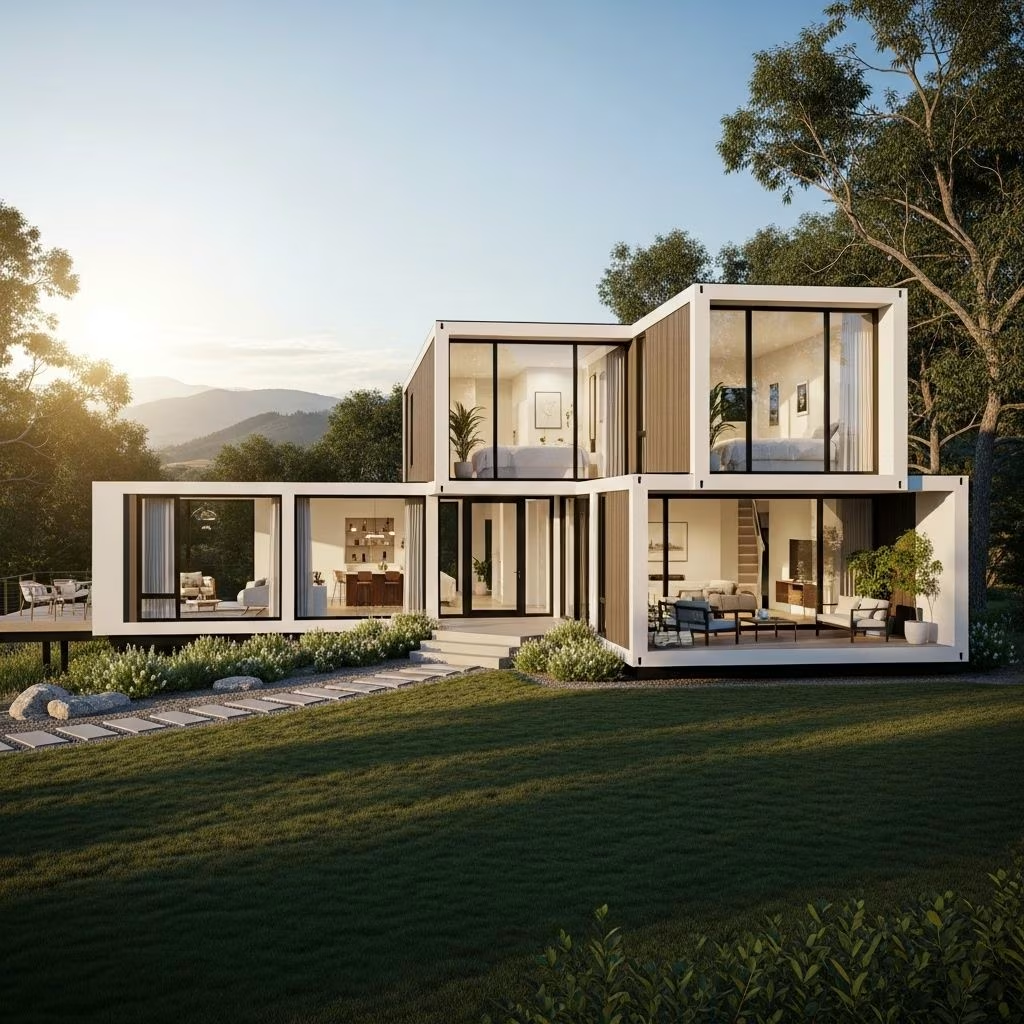
Gone are the days when modular homes meant generic boxes with limited personality. Today’s prefab homes are available in a wide range of architectural styles, from sleek modern to classic farmhouse, and can include features like:
- Open-concept kitchens and living areas
- Large windows and natural light solutions
- Luxury bathrooms and spa-inspired master suites
- Custom exteriors, including wraparound porches and decks
- Options for accessibility, multigenerational living, and home offices
Homeowners select the layout, finishes, and even technology packages, ensuring their home reflects their lifestyle and taste.
Common Myths About Modular Homes
- Myth: Modular homes are the same as mobile or manufactured homes.
Truth: Modular homes are built to the same (or higher) codes as traditional site-built homes and are considered permanent real estate. - Myth: Prefab means poor quality.
Truth: Modern factory-built homes undergo rigorous quality assurance and often outperform traditional construction in strength and energy efficiency. - Myth: Limited design options.
Truth: Modular homes can be customized in countless ways, from floor plan to exterior finishes and technology features. - Myth: Difficult to finance or insure.
Truth: Modular homes qualify for standard mortgages and insurance like any other permanent home.
Who Should Consider a Modular Home?
Modular homes are a great fit for:
- First-time buyers seeking affordability with quality
- Individuals wanting to reduce their carbon footprint
- Homeowners in regions with difficult climates or which face construction labor shortages
- Anyone seeking a faster path to homeownership with fewer site disruptions
- People building in rural or remote areas where transporting materials is challenging
Potential Drawbacks and Considerations
- Land Preparation: Buyers must still own or purchase land and ensure it is suitable for modular construction (proper access, utilities, zoning, etc.).
- Transportation Limits: Extremely large or elaborate home designs may require special transport permits or modular size adjustments.
- Financing Steps: While standard mortgages are common, the process usually involves a construction loan converted after assembly, which can involve extra paperwork.
It’s wise to collaborate early with reputable modular home builders and local lenders familiar with prefab construction.
Frequently Asked Questions About Modular Homes
Q: Are modular homes cheaper than traditional homes?
A: Modular homes often cost less due to efficient factory production, bulk material savings, and reduced construction time. However, land, upgrades, and site work add to the total cost.
Q: How long does it take to build a modular home?
A: The entire process—from design to move-in—typically ranges from 2 to 5 months, significantly faster than a site-built home.
Q: Can I customize the design of a modular home?
A: Yes! Most modular builders offer flexible floor plans, customizable finishes, and various design upgrades to personalize your home.
Q: Are modular homes durable?
A: Yes. Modular homes are built to withstand both over-the-road transport and crane installation. This requirement often results in structures stronger than typical code requires.
Q: Do modular homes appreciate in value?
A: Modular homes appreciate at rates similar to traditional homes, as long as they are properly maintained and located on permanent foundations in desirable areas.
Q: Are modular homes energy efficient?
A: Modern modular homes frequently feature advanced insulation, energy-saving appliances, and tight building envelopes, making them highly energy efficient.
Next Steps: Building Your Modular Home
If you’re considering a modular home, start by researching reputable builders in your region, clarify zoning and permit requirements, and decide on your desired floor plan and customization needs. Speak with lenders who have experience in modular financing, and request tours of model homes to see the quality and options firsthand.
With efficient construction, cost savings, and design versatility, modular homes offer a compelling path to comfortable and sustainable homeownership in the 21st century.