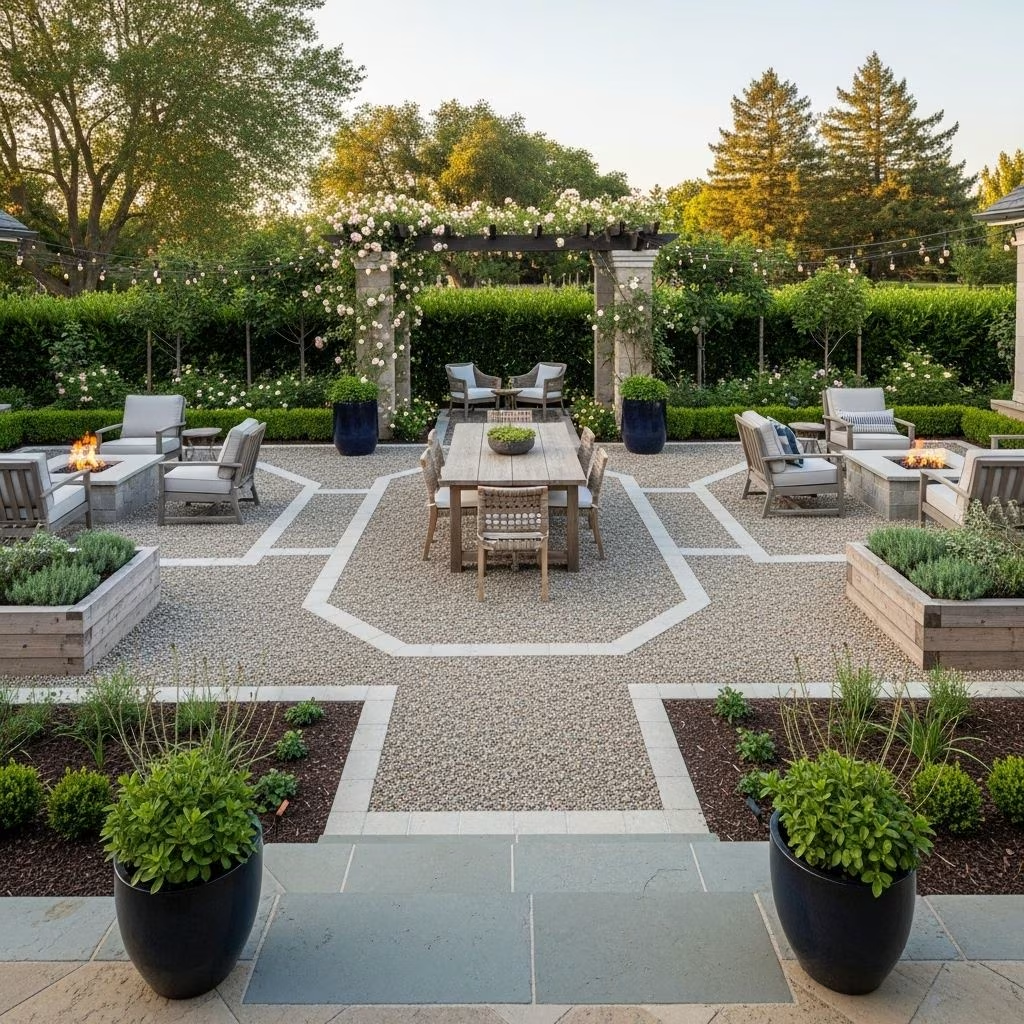
Gravel patios have emerged as a flexible, cost-effective, and visually stunning solution for anyone looking to elevate their outdoor living space. Whether you crave a European-inspired courtyard vibe or seek a practical alternative to concrete and pavers, gravel patios offer remarkable versatility and charm. This comprehensive guide covers everything from planning and installation to creative styling and maintenance, helping you transform your backyard or garden into a beautiful, inviting retreat.
Why Choose a Gravel Patio?
Gravel patios provide numerous advantages that make them a favorite among DIY enthusiasts and landscape designers alike:
- Affordability: Gravel is often far less expensive than concrete, brick, or stone.
- Easy Installation: With basic tools and minimal labor, anyone can install a gravel patio over a weekend.
- Versatility: Gravel works well with various design styles—from rustic farmhouses to formal gardens.
- Drainage: Permeable surface means rainwater can drain efficiently, reducing runoff and pooling.
- Low Maintenance: No need for regular sealing or mowing, and weeds are minimal when installed correctly.
- Natural Look: Complements plants, flowers, and garden accessories perfectly.
Key Planning Considerations
Before embarking on your gravel patio project, consider the following factors:
- Location: Sunny spots are perfect, but consider proximity to your home and garden zones.
- Functionality: Will your patio be used for dining, entertaining, relaxing, or as a pathway?
- Size and Shape: Adapt shape to your landscaping (rectangular works for dining, round for fire pits, etc.).
- Budget: Define your budget early—gravel is affordable, but edging, furniture, and plantings add up.
Types of Gravel for Patios
Not all gravels are created equal. Consider these popular choices for your patio surface:
| Gravel Type | Description | Best Use |
|---|---|---|
| Pea Gravel | Small, smooth stones in shades of grey, brown, and white. | Seating areas, walkways; comfortable underfoot. |
| Decomposed Granite | Crushed stone; packs tightly for a firm surface. | Dining areas, high-traffic zones. |
| River Rock | Larger rounded stones; excellent drainage. | Borders, accents, not recommended for primary patio surface. |
| Crushed Stone | Angular; locks together for stability. | Paths, patios with heavier furniture. |
Step-by-Step Installation Guide
Installing a gravel patio is an achievable DIY project. Follow these essential steps:
- Site Selection & Preparation
Mark your patio area with stakes and string. Remove sod or grass, and dig down 4–6 inches for a solid base.
- Base Layers
Lay down weed barrier or landscape fabric to minimize growth. Add a 2–3 inch layer of compactable base rock (such as 5/8-minus gravel) for stability.
- Edging
Install paver stones, metal edging, or wood boards to keep gravel in place and create clean lines.
- Gravel Application
Spread chosen gravel over the base to a 2–3 inch finished depth. Rake to level, and compact if desired (especially for decomposed granite).
- Finishing Touches
Add garden furniture, planters, and string lights for ambiance and functionality.
Clever Design Ideas for Gravel Patios
Unlock creative potential with these inspiring design approaches:
- Courtyard Style: Surround your patio with raised beds, grapevines, or evergreen hedges to evoke classic European charm.
- Fire Pit Retreat: Design a central firepit area with circular seating on packed pea gravel for cozy gatherings.
- Multi-Zone Layout: Break the space into zones (dining, relaxing, grilling) defined by creative use of gravel, stone pavers, and plants.
- Garden Integration: Border your patio with perennial flowers, herbs, and raised vegetable beds to blend seamlessly with your landscape.
- Pathway Connection: Link decks, outdoor kitchens, or dog runs with extended gravel walkways.
Cost & Material Breakdown
| Item | Estimated Cost | Notes |
|---|---|---|
| Gravel (1 ton) | $50–$100 | Each ton covers about 70–80 sq. ft. at 2–3″ depth. |
| Landscape Fabric | $30–$60 (per 100 ft²) | Helps suppress weeds. |
| Base Rock | $40–$80 (per ton) | Essential for stability. |
| Edging | $1–$4 (per ft) | Metal, stone, or wood options. |
Total project costs can vary based on patio size and material choices. Labor is minimal if you DIY, making gravel patios notably budget-friendly.
Maintenance Requirements
One of the leading benefits of gravel patios is their low maintenance. Keep these tips in mind:
- Cleaning: Use a leaf blower or rake periodically, especially after leaf drop in autumn.
- Weed Prevention: Quality landscape fabric is the best defense. Spot treat stray weeds with a pre-emergent or hand-pull as needed.
- Leveling: Rake gravel occasionally to even out areas with displacement.
Styling Your Gravel Patio
- Furniture: Wood, metal, or weather-resistant plastic pieces work well for gravel patios.
- Lighting: String LED lights overhead for a cozy evening glow, using metal chords and zip ties to keep lines taut.
- Potted Plants: Layer with planters for seasonal color and extra charm.
- Outdoor Sink: Add novelty with a vintage or salvaged sink, plumbed with potable water, for garden-to-table utility.
- DIY Table: Create custom tables from reclaimed wood or beams; old projects updated for the patio add character.
Gravel Patio Drawbacks and Solutions
While gravel patios offer many benefits, they are not without challenges:
- Heat Retention: Gravel can get hot in direct sun; provide shade with umbrellas, pergolas, or vines.
- Movement Under Foot: Pea gravel shifts; using a compacted base and selecting larger or angular gravel can help.
- Children and Pets: Gravel may tempt kids and pets to dig or scatter; define play zones and consider adding pathways to minimize disruption.
- Weeding: No surface is maintenance-free. Landscape fabric and regular monitoring are key for longevity.
Gravel Patio vs. Alternatives
| Material | Pros | Cons |
|---|---|---|
| Gravel | Affordable, easy to install, good drainage | Can move underfoot, heats up, weeds possible |
| Brick/Pavers | Classic look, sturdy, fewer weeds | Costly, slippery when wet, moss forms in shady/damp climates |
| Concrete | Permanent, smooth surface | Expensive, boring look, cracks over time |
| Wood Decking | Warm, attractive, customizable | Slippery when wet, requires sealing, not for ground level |
Expert Insights and Real-World Examples
Many gardeners and homeowners have found pea gravel patios to be a rewarding improvement to their homes:
- European Courtyard Look: Pea gravel combined with grapevines and perennial borders evokes an old-world feel, perfect for relaxing and entertaining.
- DIY Success Stories: Raised beds, vintage sinks, and custom tables are easy additions for practical beauty.
- Long-term Satisfaction: Most users would install gravel patios again, citing looks and low maintenance—as long as heat buildup and displacement are addressed.
Frequently Asked Questions (FAQs)
How do I keep gravel clean and tidy?
Use a leaf blower after heavy leaf drop and rake as needed. Pavers should be swept if pea gravel spills onto them, especially after children’s play.
Do gravel patios move underfoot?
Yes, movement is normal, particularly with pea gravel. A compacted base and correct depth reduce excessive shifting.
Will weeds grow through gravel?
Quality landscaping fabric virtually eliminates most weeds; however, occasional spot treatment or hand-pulling may be necessary.
Are gravel patios suitable for children and pets?
Gravel patios can be playful and safe, but expect children or pets to move gravel around. Ensuring zones for play and resting areas improves usability.
Should I choose gravel over grass or bark chips?
Gravel is lower maintenance than grass (no mowing) and gives a unique look compared to bark chips. It works best when you want a tidy, European-style patio with minimal upkeep.
Can I build a DIY gravel patio?
Absolutely! Most homeowners can complete a gravel patio project with basic supplies and labor over a few days, resulting in lasting value and enjoyment.
Conclusion: Is a Gravel Patio Right for Your Home?
Gravel patios blend timeless elegance with practicality, offering a straightforward way to refresh outdoor spaces. From installation to styling, they adapt to nearly any setting—functional and beautiful for entertaining, relaxing, or gardening. Consider your climate, budget, and needs, and take inspiration from successful DIYers to shape your dream gravel patio.