Items You Should Never Flush Down the Toilet
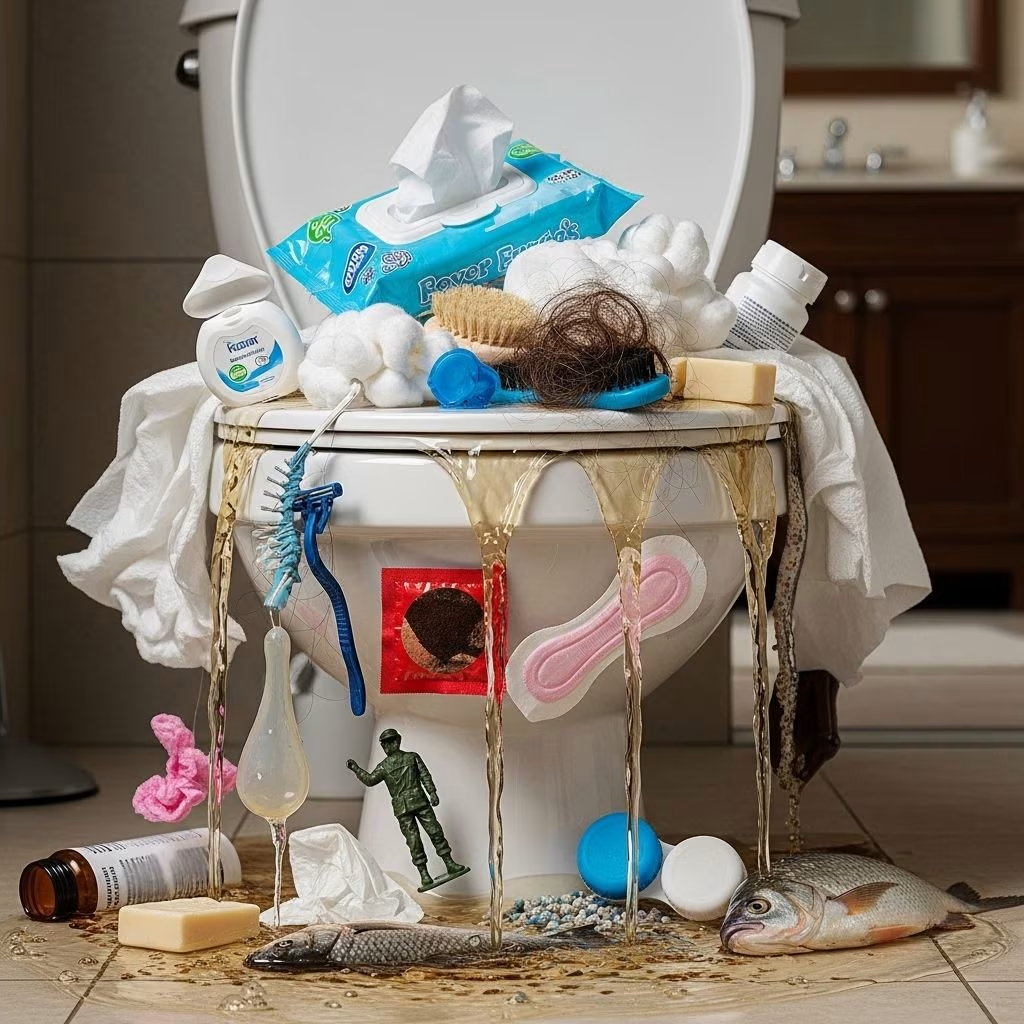
It’s tempting to view the toilet as a convenient waste disposal method for just about anything that fits. However, your toilet’s plumbing and the wider sewage system are designed to handle only human waste and toilet paper. Flushing the wrong items puts your home plumbing, municipal systems, and the environment at risk of costly damage, pollution, and clogs. This comprehensive guide details what not to flush, why, and how to properly dispose of common household items.
Why Proper Disposal Matters
- Prevents Clogs: Non-flushable items can easily create blockages, causing expensive repairs and inconvenience.
- Protects the Environment: Many flushed materials pollute water sources, harm aquatic life, and disrupt sewage processing.
- Reduces Maintenance Costs: Proper disposal minimizes the risk of plumbing emergencies and municipal system damage.
The Three P’s: What Should Be Flushed?
- Pee (urine)
- Poop (feces)
- Paper (specifically toilet paper)
Everything else should be placed in the trash or recycled as appropriate.
Items You Should Never Flush Down the Toilet
- Baby Wipes & “Flushable” Wipes
- Q-tips, Cotton Balls, and Cotton Pads
- Feminine Hygiene Products
- Diapers
- Paper Towels and Facial Tissues
- Medications (Pills, Liquids, Ointments)
- Cigarette Butts
- Dental Floss
- Cooking Grease and Food Scraps
- Condoms
- Hair
- Gum
- Cat Litter
- Hazardous Household Substances (such as paint, solvents, cleaning chemicals)
- Bandages and Medical Supplies
- Plastics and Non-Biodegradable Items
Baby Wipes & “Flushable” Wipes
Although some brands label their wipes as “flushable,” in reality, they don’t break down like toilet paper. These wipes gather with other debris in your pipes, causing stubborn clogs and even major blockages in municipal sewage systems. Always dispose of baby wipes and personal wipes in the trash.
Q-tips, Cotton Balls, and Cotton Pads
Cotton products may look harmless, but unlike toilet paper, they don’t dissolve in water. Instead, they clump together, creating blockages over time in pipes and sewage systems. Throw these items in the trash can instead of the toilet.
Feminine Hygiene Products
Pads, tampons, and applicators are engineered to absorb liquid, not break down in it. Flushing them leads to swelling and expansion, which readily clogs pipes. Additionally, their materials don’t decompose easily in wastewater treatment systems.
Diapers
Diapers are designed to swell with liquid and can be several times larger once saturated. Even if a diaper does make it through the flush, it will very likely snag in the U-bend or further along the waste pipe, causing an almost guaranteed blockage. Dispose of diapers in a diaper pail or regular garbage.
Paper Towels and Facial Tissues
Unlike toilet paper, paper towels and tissues are made to hold together even when wet. They do not dissolve quickly and are likely to cause clogs both in residential pipes and municipal systems. Always throw them in the trash.
Medications
Dropping pills, ointments, or liquid medications in the toilet may seem like the easiest way to dispose of them, but these substances aren’t filtered out by water treatment plants. This means they can end up in rivers, lakes, and groundwater, impacting wildlife and possibly even the drinking water supply. Most communities offer safe medication disposal programs at police stations or pharmacies.
Cigarette Butts
Cigarette butts contain toxic chemicals that can leach into water after flushing. Additionally, they are not biodegradable and can cause clogs. Dispose of cigarette butts in the trash, never the toilet.
Dental Floss
Dental floss is made of nylon or Teflon, neither of which will dissolve in water. It can wrap around other debris, forming ‘nets’ that trap waste and exacerbate blockages. As with other non-biodegradable items, dental floss should go in the trash.
Cooking Grease and Food Scraps
Grease congeals as it cools and quickly coats the inside of pipes, creating a thick blockage that traps other debris. Never pour grease or food scraps into the toilet (or any drain); instead, collect grease in a container and throw it away with regular trash.
Condoms
Made of latex or synthetic materials, condoms do not break down in water. Flushing them leads to clogs and they can also pollute water sources and harm aquatic life. Dispose of condoms in a waste bin.
Hair
Like dental floss, hair forms tangled nets in your pipes and over time can create major blockages. Hair does not dissolve in water, so collect hair from brushes or combs and throw it in the trash.
Gum
Gum is sticky and water-insoluble. It never disintegrates in plumbing systems and is a common cause of stubborn clogs. Wrap used gum in tissue and place it in the waste bin.
Cat Litter
Most cat litter is formulated to absorb moisture and clump. Even “flushable” types don’t break down adequately in toilet plumbing and can create blockages and pump failures. Pour used cat litter into a sealed bag and dispose with household trash.
Hazardous Household Substances
Never flush paint, motor oil, solvents, bleach, or other hazardous chemicals. These materials pollute waterways and harm wastewater treatment processes. Many communities have special collection programs for hazardous waste.
Bandages and Medical Supplies
Bandages, gauze, and other medical supplies often contain plastics and adhesives. They don’t dissolve and are prone to causing blockages. Always use proper disposal methods as directed.
Plastics and Non-Biodegradable Items
Any plastic product—including wrappers, packaging, and toys—should never be flushed. Plastics persist indefinitely, clogging pipes and causing significant long-term environmental damage.
How to Dispose of Common Waste Items Correctly
| Item | Disposal Method | Why Not Toilet? |
|---|---|---|
| Baby wipes | Trash can | Do not break down, cause clogs |
| Cotton balls/Q-tips | Trash can | Clump and block pipes |
| Feminine products | Trash can | Expand in water, block pipes |
| Diapers | Trash can/diaper pail | Designed to swell, not dissolve |
| Paper towels/tissues | Trash can | Do not dissolve like toilet paper |
| Medications | Take-back programs/trash | Pollute waters, harm wildlife |
| Cigarette butts | Trash can | Toxic, non-biodegradable |
| Dental floss | Trash can | Forms nets, clogs pipes |
| Cooking grease | Sealed container in trash | Congeals, blocks pipes |
| Condoms | Trash can | Non-biodegradable, clogs pipes |
| Hair | Trash can | Forms tangles, clogs pipes |
| Gum | Trash can | Sticky, insoluble |
| Cat litter | Trash can | Clumps, not water-soluble |
| Hazardous substances | Special waste collection | Pollutes water systems |
| Medical supplies/plastics | Trash can or recycling | Non-biodegradable, clogging risk |
Frequently Asked Questions
Q: Can I flush flushable wipes?
A: Despite the name, even “flushable” wipes do not break down properly and should always be disposed of in the trash.
Q: Why can’t I flush paper towels or tissues?
A: Unlike toilet paper, paper towels and tissues do not dissolve in water, often causing clogs in home plumbing and municipal sewage systems.
Q: What should I do with expired medications?
A: Participate in local medication take-back programs or return them to a pharmacy. Never flush medications, as they can contaminate water supplies.
Q: Are there any eco-friendly alternatives to items commonly flushed?
A: Yes. Use reusable cloths instead of wipes, menstrual cups instead of disposable products, and compostable products when appropriate.
Q: What happens if I accidentally flush something I shouldn’t?
A: Monitor your plumbing for slow drainage or backups. If a clog or plumbing issue arises, contact a professional plumber for safe removal and repair.
Tips for Maintaining Healthy Plumbing
- Keep a covered waste bin next to the toilet for non-flushable items.
- Educate family and guests with a simple sign (“Only flush pee, poop, and toilet paper!”).
- Regularly inspect and clean drains to remove hair and debris.
- Recycle and compost where possible to reduce garbage.
- Contact community waste programs for hazardous materials, medications, and electronics.
Environmental Impact of Improper Disposal
Flushing non-biodegradable and hazardous items can lead to severe problems well beyond your home. Pollutants may enter groundwater, rivers, and oceans, affecting wildlife, drinking water, and sanitation infrastructure. Cities spend millions annually resolving clogs, treating water, and remediating pollution, all due to improper disposal of everyday household items.
Conclusion: Simple Actions for Protection
Only human waste and toilet paper belong in your toilet. By correctly disposing of wipes, cotton products, feminine hygiene goods, and other non-flushable items, you help safeguard your plumbing, save money, and protect our planet.
References
- https://montague-ma.gov/p/1430/What-not-to-Flush
- https://wastewaterts.com/16-things-you-should-never-flush-down-the-toilet/
- https://www.midwaycitysanitaryca.gov/what-not-to-flush
- https://www.liquidplumr.com/diy-plumbing-tips/10-things-to-keep-out-of-your-toilet/
- https://www.portland.gov/bes/safe-flush