How to Hang a Hammock: From Porch to Backyard
Nothing transforms a space into a relaxing retreat quite like a hammock. Whether you’re dreaming of swaying gently on your porch, soaking up sun in the backyard, or creating a cozy haven indoors, knowing how to hang a hammock safely and securely can make all the difference. With the proper tools, techniques, and attention to detail, anyone can create a hammock haven that offers comfort and style for years to come.
Selecting the Perfect Location
The ideal hammock spot will be strong enough to support your weight, free from obstructions, and conducive to relaxation. Consider both indoor and outdoor options:
- Outdoor spaces: Look for sturdy trees, posts, or beams spaced 13 to 16 feet apart, depending on your hammock’s length.
- Porches & indoors: Identify structural supports such as wall studs, ceiling joists, or load-bearing beams. Decorative elements are not suitable—they can’t bear the load needed for hammock installation.
Always consult your hammock manufacturer’s guidelines for recommended distances and weight capacities.
Taking Precise Measurements
Getting the distance and height right is essential to comfort and safety. Here’s what to keep in mind:
- Distance between supports: The ideal span typically matches the hammock’s length plus 2 feet. Most hammocks need anchor points 13-15 feet apart for optimal sag.
- Height off the ground: Place anchor hardware 4-5 feet off the ground for hammocks with a spreader bar; for those without, 6-8 feet is often suitable.
- Test with a tape measure: Confirm your supports are spaced appropriately to prevent pulling the hammock too taut or letting it sag onto the ground.
For unique setups—such as higher beams or shorter spaces—use extension chains or adjustable straps to maintain the proper angle and clearance.
Choosing the Right Hammock Hardware
Reliable hammock hardware is crucial for both longevity and safety. Base your choice on your specific installation:
- For porch or indoor mounts: Use wall anchors, heavy-duty eye hooks (with J-hooks if preferred), brackets with integrated hooks, and sturdy chains or carabiners for easy tension adjustments.
- For trees or posts: Choose tree straps or strong rope and pair them with steel carabiners. Avoid tying directly around posts or beams to prevent surface damage.
- Extension chains/S-hooks: These aid in adjusting tension and height, ensuring the hammock is neither too low nor overly taut.
All hardware should be rated to bear at least 300 lbs (or more depending on user needs) and installed according to manufacturer instructions for maximum safety.
Hanging Your Hammock Between Trees or Posts
This is the classic outdoor setup and ideal for most yards. Here’s how:
- Select healthy trees at least 12 inches in diameter and spaced 13-16 feet apart. Check for signs of rot or disease.
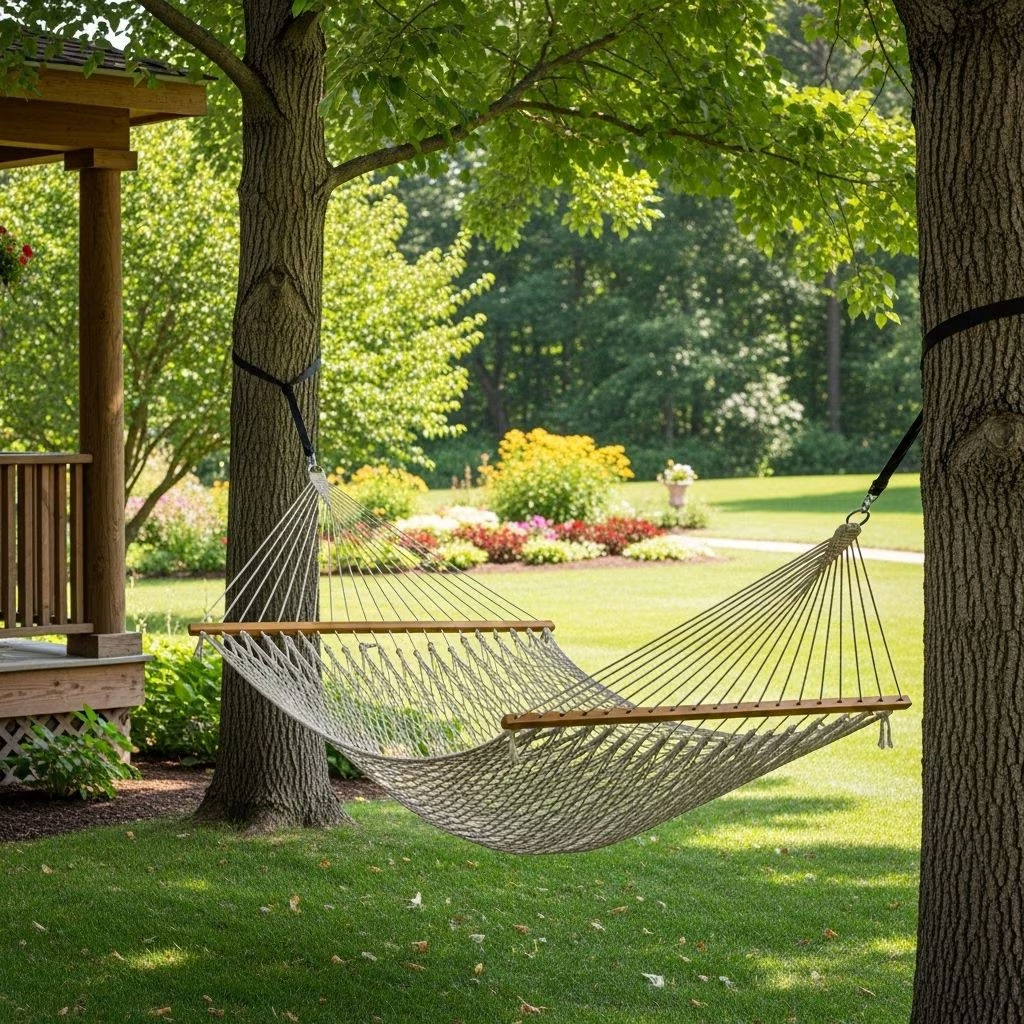
- Wrap hammock straps snugly around each trunk, threading one end through the loop for a secure hold.
- Install a post if only one tree is available. Use an 8-foot weather-treated 4×4 post, set a minimum of two feet into the earth with concrete. Hardware should be attached 4 feet above ground level.
- Connect each end using a steel carabiner, S-hook, or eye hook. Double-check that all connections are secure and hardware is properly tightened.
Before using, pull on each end to test support.
Hanging a Hammock Indoors or on Porches
For covered areas, balconies, or indoor relaxation, follow these steps:
- Locate studs or joists using a stud finder. Only use load-bearing supports for installation—never mount to drywall or decorative trim.
- Install anchoring hardware into the center of each stud/joist. Drill a pilot hole before threading in an eye hook by hand, finishing with a screwdriver for a secure fit.
- Mount straps or chain between the anchor points. Check manufacturer instructions for recommended hardware positioning; typically 4-5 feet off the floor for spreader-bar hammocks and 6-8 feet for slumped-style hammocks.
- Attach hammock ends using carabiners, S-hooks, or integrated brackets. Test thoroughly before use.
If you’re hanging between porch beams or pillars, use strong rope or webbing rated for hammock weight, secured with reliable knots and hardware.
Step-by-Step Hammock Installation Instructions
| Step | Actions |
|---|---|
| 1. Find Secure Supports | Locate trees, posts, or structural studs/joists. Confirm they are load-bearing and the right distance apart. |
| 2. Measure & Mark | Use a measuring tape to determine exact spacing. Mark anchor locations with pencil or tape. |
| 3. Install Hardware | Drill pilot holes for eye hooks or brackets. For posts, dig and set with concrete, ensuring proper depth and vertical alignment. |
| 4. Attach Straps/Chains | Loop tree straps tightly around trunks, or fix chains/ropes to hardware in walls/beams. Secure carabiners/S-hooks as needed. |
| 5. Hang Hammock | Connect hammock ends, adjust tension for a 30-degree angle (without spreader bar) or flat with slight arch (with spreader bar). |
| 6. Test & Adjust | Weight-test each connection before settling in. Adjust chains or straps for optimal sag and clearance. |
Safety, Adjustments & Maintenance
Ensuring your hammock is safe is paramount. Here are best practices:
- Always check the health of trees or structural beams before installation.
- Verify all hardware is tightly secured and of sufficient strength for intended usage.
- Hang hammocks at a height that allows for safe entry and exit (12–18 inches off the ground is typical).
- Periodically inspect tree straps, rope, and hardware for signs of wear, rust, or degradation.
- Adjust tension as needed. Aim for a comfortable sag; too tight can cause tipping, too loose may touch the ground.
- In climates with rain or snow, protect wooden posts and hardware from moisture to prevent rot.
If you would like an easy method for rapid setup, consider using hammock suspension kits with integrated straps and carabiners. With practice, most hammocks can be hung in just a couple of minutes.
Frequently Asked Questions (FAQs)
Q: What kind of hardware should I use for hammock installation?
A: Use heavy-duty eye hooks, wall anchors, durable carabiners, S-hooks, or metal brackets designed to hold at least 300 lbs. For outdoor setups, tree straps are recommended to avoid damage to trees.
Q: How much space do I need between anchor points?
A: Ideally, anchor points should be 13–15 feet apart (the length of your hammock plus about 2 feet). Hammocks with spreader bars require more precise spacing, while non-spreader bar styles are more forgiving.
Q: Can I hang a hammock indoors?
A: Yes. Just locate solid wall studs or ceiling joists, and use proper hardware. Never rely on drywall or decorative woodwork for support.
Q: How do I keep my hammock from touching the ground?
A: Install anchor hardware 4–8 feet off the ground, depending on your hammock type, then adjust tension with chains or straps until the hammock hangs about 12–18 inches above ground level.
Q: What should I do if only one tree is available for outdoor hanging?
A: Install a pressure-treated 4×4 post as the second support, setting it securely in concrete at least 2 feet underground. Attach hammock hardware 4 feet above ground for proper height.
Q: Do I need anything extra for a temporary setup?
A: Use portable hammock stands, quick-release straps, or carabiner suspension kits for easy setup, especially for camping or occasional use.
Expert Tips for Hanging the Perfect Hammock
- Double-check all measurements and hardware before ever putting weight on the hammock.
- Use webbing straps (instead of rope) on trees to prevent bark damage and ensure a solid hold.
- Opt for weather-treated posts and galvanized metal hardware for outdoor durability.
- Hang the hammock at a 30-degree angle from horizontal for maximum comfort (without spreader bar).
- Consider seasonal maintenance—remove hammock during harsh weather, and inspect hardware annually.
Comparison Table: Hammock Hanging Methods
| Method | Pros | Cons | Best For |
|---|---|---|---|
| Trees & Posts | Natural look, strong support | Posts require installation; trees need to be healthy | Yards, gardens |
| Porch/Indoor | Protected from elements; permanent setup possible | Requires stud/joist location and proper hardware | Porches, balconies, indoors |
| Portable Stand | No installation needed; movable | Can be bulky; less stable on uneven ground | Temporary or camping use |
Final Thoughts
Hanging a hammock is a straightforward process with the right preparation, materials, and attention to safety. Choose the method and hardware best suited to your space, take precise measurements, and inspect everything as you go. With these steps, you’ll be ready to relax in your new hammock oasis, whether on the porch, in the backyard, or inside your home.
Frequently Asked Questions (FAQs)
Q: Will hanging a hammock damage my trees or porch?
A: Properly installed webbing straps are gentle on trees. For porch setups, hardware should only be mounted to structural supports to prevent damage.
Q: How long does it take to set up a hammock?
A: With practice and the right tools, most hammocks can be installed in under five minutes. Permanent installations (posts, porch mounts) may require more time and materials.
Q: What is the best angle for hanging a hammock?
A: Aim for a 30-degree angle from horizontal for a comfortable sag, especially with hammocks without a spreader bar.
Q: How do I maintain hammock safety over time?
A: Regularly inspect all supports, hardware, and hammock fabric. Replace hardware or straps at the first sign of wear, and store the hammock in a dry, sheltered place during harsh weather.
References
- https://www.bobvila.com/articles/how-to-hang-a-hammock/
- https://www.youtube.com/watch?v=S-_YNq7V_gE
- https://thedesigntwins.com/how-to-hang-a-hammock-easy-weekend-diy/
- https://www.houzz.com/discussions/5358728/hanging-a-hammock-between-two-porch-walls-without-drilling
- https://www.lowes.com/n/how-to/how-to-hang-a-hammock
- https://hobohammocks.com/hammock-hanging-guide/