Donating to Goodwill: Your Complete Guide to Giving Back Responsibly
Donating household goods, clothing, and other items is a powerful way to reduce waste, support local communities, and extend the life of the things you own. Goodwill is one of the most trusted organizations for recycling unwanted goods, funding vital programs, and fostering sustainability. Before heading to your nearest donation center, this guide will walk you through the essentials—from what Goodwill accepts to how your donations make an impact and how to maximize the value of your contribution.
Why Donate to Goodwill?
- Supports Job Training & Community Services: Goodwill uses the revenue from donated items to provide employment opportunities, job training, and support services for individuals facing barriers to work.
- Promotes Green Living: Over 2 billion pounds of goods are kept out of landfills each year through Goodwill’s nationwide network.
- Empowers Local Communities: Donations remain local, helping those in need right in your own area.
- Offers Tax Benefits: Donations to Goodwill are tax-deductible if you itemize on your taxes.
What Items Can You Donate to Goodwill?
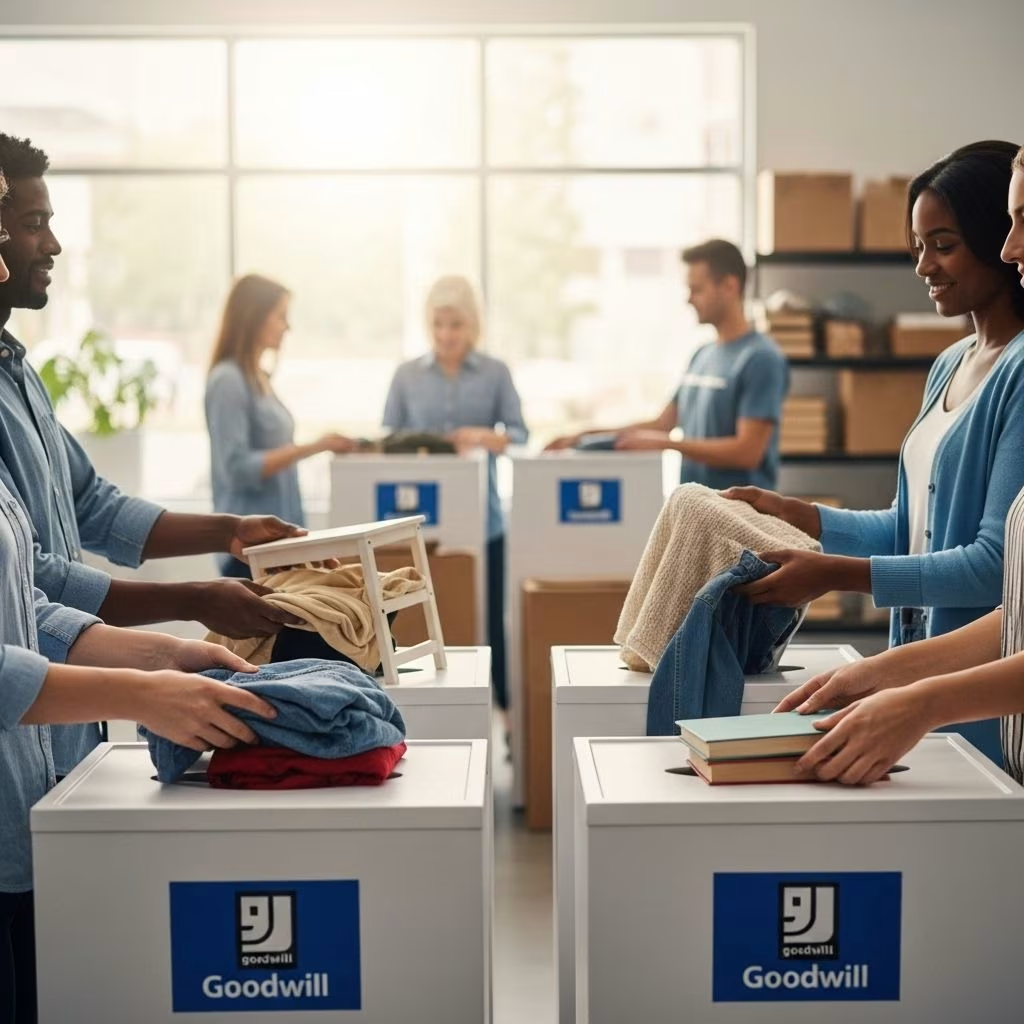
Goodwill graciously accepts a wide variety of gently used goods. Making sure your donations are clean, safe, and resaleable helps Goodwill maximize the value of your contribution. Below is an updated list summarizing acceptable donations gathered from various Goodwill organizations across the United States:
| Category | Examples of Accepted Items |
|---|---|
| Clothing & Accessories | Shirts, pants, skirts, sweaters, dresses, suits, shoes, boots, belts, purses, hats, scarves, jewelry |
| Household Goods | Dishes, cookware, pots and pans, glassware, decorative items, rugs, linens, towels, blankets |
| Electronics | Computers (any condition), printers, accessories, working flat-screen TVs, radios (no CRT televisions) |
| Furniture | Sofas, chairs, tables, coffee tables, kitchen sets, bookshelves (all in good condition; call local donation center for details) |
| Media & Entertainment | Books, DVDs, CDs, vinyl records, VHS, Blu-Ray, board games, toys |
| Sports & Recreation | Bicycles, weights, resistance bands, baseballs, basketballs, tennis rackets, hockey gear, fishing poles |
| Small Appliances | Irons, coffee makers, lamps (working condition), vacuum cleaners |
| Other Items | Clean gardening tools, musical instruments, antiques, collectibles, framed pictures, holiday decorations, unused office supplies, vehicles (special donation programs only) |
Items Goodwill Does Not Accept
Some donations are not accepted due to safety concerns, legal restrictions, or resale limitations. These items can create disposal costs for Goodwill, which divert resources away from their mission:
- Large appliances (fridges, washers, dryers, stoves, dishwashers)
- Damaged, stained, or excessively worn furniture
- Box springs, mattresses, water beds
- Plumbing and lighting fixtures, carpeting, windows, screens
- Tires, vehicle parts
- Hazardous waste, household trash
- Weapons (guns, knives, bows, ammunition)
- Medical equipment
- Baby equipment (strollers, high chairs, car seats, cribs)
- Construction materials (carpet, lumber, paint, fixtures)
- Dehumidifiers, humidifiers
Preparing Donations for Goodwill: Best Practices
- Inspect for Quality: All donated goods should be clean, safe, and in good working order. Only donate items you’d pass along to family or friends.
- Pack Smart: Place similar items together in clearly marked bags or boxes to make the sorting process more efficient for staff.
- Remove Personal Information: Wipe electronics and computers to erase personal data before donating.
- Check Local Policies: Some donation centers have unique restrictions (especially for furniture or electronics). Always call ahead or check online.
- Review Accepted/Not Accepted Lists: Familiarize yourself with your local Goodwill’s current guidelines before making the trip.
How and Where to Donate
Goodwill stores and attended donation centers are the recommended locations for dropping off items. Staffed centers ensure your goods directly support nonprofit work, instead of ending up with for-profit groups that operate unattended donation bins.
- Find Your Nearest Center: Use Goodwill’s Find a Donation Center feature or search local listings.
- Get a Donation Receipt: Always ask for a receipt—for your records and any tax deduction.
- Special Donations: Car donations, large items, and estate cleanups may require special arrangements. Contact your regional Goodwill for details.
How Goodwill Uses Your Donations
Revenue from sales of donated items funds a network of programs that provide employment placement, job training, and life skills support for those facing obstacles to employment such as disabilities, lack of education, or a history with the justice system. About 81% of revenue from goods goes directly to Goodwill’s mission-driven programs.
Tax Benefits: Maximizing the Impact of Your Donation
Donating to Goodwill is not just good for the environment and your community—it may also benefit your bottom line at tax time. Here’s what to know:
- Donations Are Tax-Deductible: You can claim deductions for clothing and household goods in good condition if you itemize on your tax return.
- Valuing Your Donations: The IRS requires donors to estimate the “fair market value” of donated items—what similar goods sell for at thrift stores or consignment shops. Download a current valuation guide from Goodwill’s website.
- Keeping Records: Retain detailed, itemized lists and donation receipts to substantiate your claim.
- Consult a Tax Advisor: For detailed tax-related questions, consult an expert for guidance on charitable donation rules.
Donation Process: Step-by-Step
- Identify Acceptable Items: Review the list of accepted and not accepted items above.
- Prepare Your Donation: Clean and organize goods, safely pack them.
- Drop Off: Visit your local attended Goodwill donation center.
- Receive a Receipt: Obtain written confirmation of your donation.
- Claim Your Tax Deduction: File your itemized deduction with the help of your records and receipts.
Tips for Responsible Donating
- Donate Quality Over Quantity: Focus on goods in clean, working condition that have resale value.
- Avoid Dumping: Never leave prohibited or unsellable items—these cost Goodwill time and money to dispose of.
- Recycle Responsibly: Recycle or dispose of hazardous materials at appropriate facilities.
- Support Local Goodwill Initiatives: Each Goodwill organization tailors programs to the needs of the community it serves.
Commonly Asked Questions (FAQs)
Q: Can I donate items that need minor repairs?
A: Donations should be in clean, working condition. Items requiring repair are often costly for Goodwill to process and may not be accepted.
Q: Does Goodwill accept opened beauty or hygiene products?
A: No. Goodwill does not accept opened cosmetics, personal care items, or consumables due to health and safety regulations.
Q: Can I donate my old mattress?
A: Generally no. Mattresses, box springs, and water beds are not accepted due to sanitation and reselling regulations.
Q: Will Goodwill pick up my donations?
A: Home pick-ups are rarely available; donors are encouraged to bring items directly to a nearby center.
Q: Are donations tax-deductible?
A: Yes. If you itemize your taxes, you can claim deductions for donations in good condition. Always get a written receipt and keep detailed records.
Q: What happens to items Goodwill can’t sell?
A: Unsellable goods are recycled wherever possible, but some items may end up as waste—another reason to donate judiciously.
Q: Can I donate cars or vehicles?
A: Many Goodwill organizations accept cars, trucks, and boats via special donation programs. Check with your local Goodwill for details.
Going Beyond: The Ripple Effect of Your Donation
Every donated item to Goodwill has a far-reaching effect. It not only finds new life with a new owner and keeps waste out of landfills, but also becomes a resource to empower individuals through job training, educational support, and financial stability. Choosing Goodwill as your donation center helps amplify this positive impact—making your choice more than just charitable, but transformative.
Related Topics
- How to Recycle Unaccepted Items: Look for specialized recycling centers for hazardous waste, bulk furniture, and electronics.
- Alternatives to Donation: Consider local shelters, libraries, and community organizations for unique items Goodwill may not accept.
- Upcycling and Repurposing: Explore eco-friendly creative projects to give old goods new life in your own home or community.
References
- https://goodwillnne.org/donate/acceptable-donations/
- https://truenorthgoodwill.org/donate/donation-guidelines/
- https://www.goodwill.org/donors/donate-stuff/
- https://goodwillches.org/donate/items-we-accept/
- https://goodwillvirginia.org/donate/personal-donations/what-can-i-donate/
- https://www.goodwill.org/wp-content/uploads/2020/03/donation_valuation_guide.pdf
- https://www.goodwillgreatermc.org/donate/donate-items/donor-guidelines
- https://www.yourgoodwill.org/donate/where-how
- https://goodwillnne.org/donate/donation-value-guide/