How to Make the Best Mashed Potatoes
Mashed potatoes are the ultimate comfort food—a staple of holiday tables, family dinners, and weeknight meals. To achieve perfectly creamy mashed potatoes every time, it’s important to understand the fundamentals of technique, ingredient choices, and helpful nuances. This guide delivers everything you need: a tried-and-true classic recipe, expert equipment advice, make-ahead strategies, flavorful add-in ideas, and answers to all your mashed potato questions.
Why These Are the Best Mashed Potatoes
If you want rich, smooth, and flavorful mashed potatoes, the keys are simple: start with starchy potatoes, cook them gently, and enrich the final mash with butter and milk. Adding sour cream delivers a signature tang and extra creaminess that truly sets this recipe apart. Whether for a festive gathering or simple supper, these potatoes are designed to be the highlight of your meal.
Essential Ingredients and Equipment
This classic mashed potatoes recipe uses just a handful of pantry staples—each one plays an important role in taste and texture. Here’s what you’ll need:
- Potatoes: Russet, Yukon Gold, or a mix. Russets yield a fluffy texture, while Yukon Gold provides a richer, creamy mouthfeel.
- Garlic: Adds savory depth—use whole cloves to gently infuse flavor.
- Unsalted Butter: For buttery richness and smoothness; plus more for serving.
- Whole Milk: Helps melt the butter and blends with potatoes for a luscious creaminess. Substitute with buttermilk for a tangy twist if desired.
- Sour Cream (optional): Provides extra creaminess and a mild tang that balances the butter and starch.
- Salt and Pepper: Bring out all the natural flavors—don’t be shy with seasoning.
| Ingredient | Role in Recipe | Effect on Texture/Flavor |
|---|---|---|
| Russet Potatoes | High starch | Fluffy, classic texture |
| Yukon Gold Potatoes | Moderate starch, buttery | Creamy, rich texture |
| Butter | Fat | Richness, smooth consistency |
| Whole Milk | Liquid, fat | Creaminess, blends flavors |
| Sour Cream | Acidity, fat | Tang, ultra-creamy finish |
Equipment You Need
- Large Pot: For boiling potatoes and garlic together.
- Potato Masher: Classic tool for chunkier or smooth mash.
- Wooden Spoon or Rubber Spatula: Fold in butter, milk, and sour cream for gentle blending.
- Serving Bowl: Choose a dish that retains heat well for best serving experience.
Step-by-Step Instructions
- Prep the Potatoes & Garlic: Peel potatoes and cut them into large uniform chunks for even cooking. Peel garlic cloves.
- Cook: Place potatoes and garlic in a large pot. Cover with cold water by 1 inch and season generously with salt.
- Boil: Bring to a boil over high heat, then reduce to medium and gently boil for 15–20 minutes. The potatoes are ready when they are fork-tender.
- Drain & Dry: Drain the potatoes, then return them to the hot pot to steam off excess moisture for 1 minute. This ensures a smooth, creamy texture.
- Mash: Start mashing the potatoes and garlic with your potato masher. When halfway combined, add butter and hot milk. Mash until totally smooth (or your desired consistency).
- Enrich & Season: Fold in sour cream if using, then season with more salt and fresh black pepper to taste.
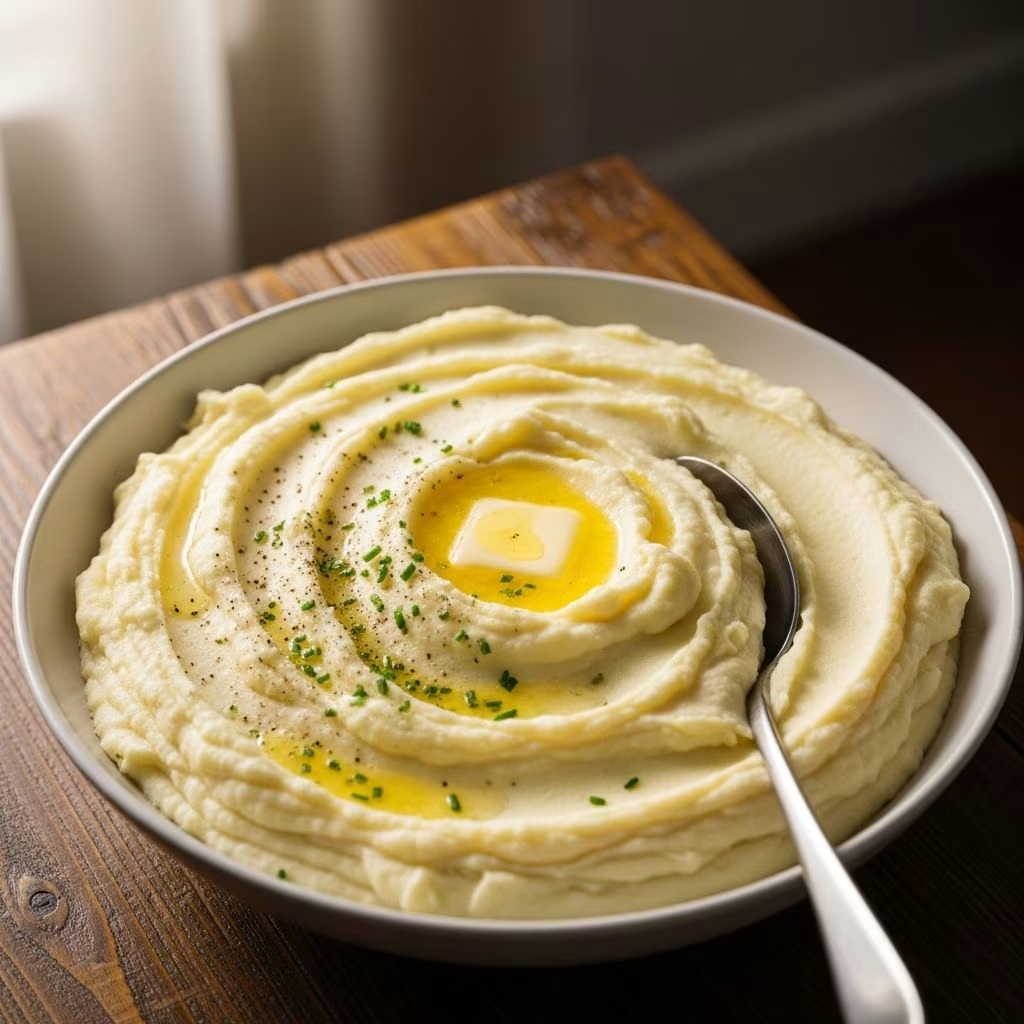
- Serve: Spoon into a serving bowl, top with extra butter and chives for color and flavor.
Expert Tips for Creamy Mashed Potatoes
- Always start potatoes in cold water so they cook evenly and maintain their texture.
- Don’t over-mix: Overworking boiled potatoes can make them gluey due to released starch.
- Warm your butter and milk before adding—cold dairy cools the potatoes and prevents smooth blending.
- Add sour cream last for the best creamy finish and tang, especially if you want a silkier mash.
- If you want extra silky potatoes, use a potato ricer instead of a masher for restaurant-quality smoothness.
How to Make Mashed Potatoes Ahead of Time
Mashed potatoes are a great make-ahead dish, perfect for holiday meal planning. Here’s how to prepare and serve them successfully:
- Cool, then chill: Transfer finished mashed potatoes to a heatproof, airtight container and refrigerate for up to 2 days.
- Reheat gently: Warm potatoes over medium-low heat in a heavy pot, stirring often and adding a splash of milk or cream to restore creaminess.
- Finish with fresh butter/chives: Top reheated potatoes with a fresh pat of butter and herbs just before serving for vibrant flavor and presentation.
Recipe Variations and Flavor Add-Ins
Classic mashed potatoes are the canvas—create your own custom variation with these flavorful additions and tweaks:
- Garlic Mashed Potatoes: Add roasted or sautéed garlic for an aromatic, savory twist.
- Cheesy Potato Mash: Stir in grated Parmesan, white cheddar, or gruyere after mashing.
- Herbed Mashed Potatoes: Fold in chopped fresh chives, parsley, dill, or rosemary.
- Olive Oil Mash: Replace butter with high-quality olive oil for a lighter, dairy-free alternative.
- Buttermilk Potatoes: Substitute some or all of the milk with tangy buttermilk for a lighter mouthfeel.
- Bacon & Scallion Mash: Top with crispy bacon pieces and sliced scallions for a crowd-pleasing side.
Serving Suggestions
Mashed potatoes pair brilliantly with everything from festive roasts to casual weeknight entrees. Consider serving with:
- Roast turkey, chicken, or beef
- Mushroom gravy or classic brown gravy
- Vegetarian mains like lentil loaf or stuffed squash
- Simple sides like steamed green beans or braised carrots
- Leftover mashed potatoes as a base for potato pancakes or shepherd’s pie
Frequently Asked Questions (FAQs)
Q: Which potatoes are best for mashed potatoes?
A: Russet and Yukon Gold potatoes are top picks. Russets create a light, fluffy mash, while Yukon Golds deliver a creamy, rich texture.
Q: Do I need to use a potato ricer?
A: No—a classic masher works well for most home cooks. A ricer yields smoother results, especially if you prefer a lump-free finish.
Q: Can mashed potatoes be frozen?
A: Yes, but the texture may change slightly after thawing. Store in an airtight container. Reheat gently, adding a splash of milk for best results.
Q: How do I fix gluey mashed potatoes?
A: Unfortunately, gluey potatoes cannot be fully salvaged, but folding in additional butter or cream may improve texture. Avoid over-mixing next time.
Q: What can I do with leftover mashed potatoes?
A: Use leftovers in patties, potato waffles, or shepherd’s pie. You can also stir them into soups for thickening or use as a casserole topping.
Classic Mashed Potatoes Recipe
Ingredients
- 3 pounds russet potatoes, Yukon Gold, or a mix, peeled and cut into large chunks
- 3 garlic cloves, peeled
- 1/2 cup (1 stick) unsalted butter, plus more for topping
- 1 cup whole milk, warmed
- 1 1/2 teaspoons sea salt, plus more for the cooking water
- Freshly ground black pepper
- 1/4 to 1/2 cup sour cream (optional)
- Chopped fresh chives for garnish (optional)
Instructions
- Place potatoes and garlic in a large pot, cover with cold water by 1 inch. Add 1 tablespoon salt to the water.
- Bring to a boil over high heat, then reduce to medium, gently boiling until fork-tender (15–20 minutes).
- Drain and return potatoes to the hot pot for 1 minute to dry.
- Mash potatoes and garlic until partially mashed, then add butter, hot milk, salt, and several grinds of pepper. Mash until smooth.
- Fold in sour cream if using, and season to taste. Serve topped with butter and chives.
Quick Tips & Troubleshooting
- For extra-fluffy potatoes, keep the potatoes hot throughout the mashing process.
- Always salt the cooking water liberally—this is your only chance to flavor the potatoes from the inside out.
- If potatoes are lumpy, continue mashing or use a ricer for a smoother finish.
- For richer flavor, add sour cream or extra butter to taste.
- Chives or roasted garlic add a fresh pop of color and savory flavor for serving.
Mashed Potato Inspiration: Garlic Mashed Potatoes Variant
If you want to take your mashed potatoes to the next level, try adding roasted garlic for a deeper flavor profile and aromatic punch. Here’s how:
- Roast a whole garlic bulb at 350°F (wrapped in foil with olive oil and salt) for 40–60 minutes until golden and tender.
- Mash roasted garlic into a paste before mixing into cooked potatoes, along with butter, olive oil, reserved cooking water, and herbs.
- Garnish with chives or rosemary for a finished look and taste.
This variant is perfect for garlic lovers and those seeking a savory upgrade for holidays or special occasions.
Final Thoughts: Elevate Your Mashed Potato Experience
Mashed potatoes are a timeless side dish. With just a few high-quality ingredients and careful attention to technique, you can create a bowl of creamy, flavorful potatoes that will be remembered long after the meal. Use this guide to master the basic recipe, experiment with delicious twists, and troubleshoot any issues that arise.
For gatherings, holidays, or cozy dinners, mashed potatoes remain unmatched in their ability to comfort and delight.