Homemade Pasta Recipe: A Comprehensive Step-by-Step Guide
Making homemade pasta from scratch is a rewarding and satisfying experience. With only a few simple ingredients, some basic kitchen tools, and the right techniques, you can create fresh, chewy, and flavorful noodles that will elevate any meal. Whether you’re new to pasta making or looking to refine your skills, this guide covers everything from kneading the dough to shaping and cooking your noodles, as well as serving ideas and commonly asked questions.
Why Make Homemade Pasta?
Freshly made pasta offers a unique taste and texture that store-bought dried noodles simply can’t match. Homemade noodles are chewier, bouncier, and richer in flavor, creating an elevated dining experience even with the simplest sauces. With just four basic ingredients, you’ll enjoy pasta that’s well worth the little extra effort.
How to Make Pasta
Follow this step-by-step guide to making the perfect homemade pasta dough and cutting your noodles. The process is straightforward but requires some attention to detail for the best results.
Step 1: Gather Your Ingredients
- 2 cups all-purpose flour, spooned and leveled
- 3 large eggs
- 1/2 teaspoon sea salt
- 1/2 tablespoon extra-virgin olive oil
Tip: You can substitute some of the all-purpose flour with semolina flour for a different texture and a rustic touch.
Step 2: Create a Flour Nest
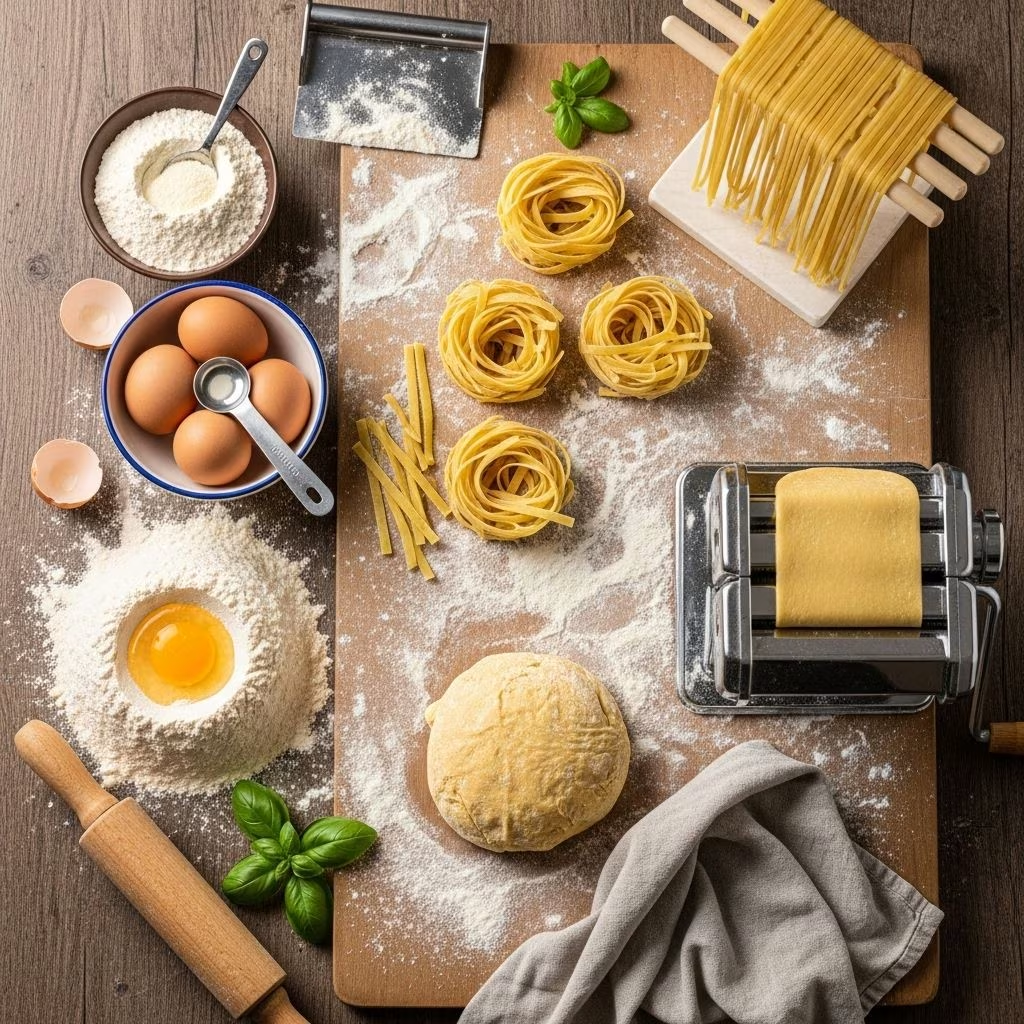
On a clean work surface, pile the flour and create a wide, deep well in the center. Add the eggs, olive oil, and salt to the well. Using a fork, gently break up the eggs and begin mixing them with the surrounding flour, doing your best to maintain the flour wall and keep the mixture in place.
Step 3: Form the Dough
Gradually incorporate the flour into the egg mixture using the fork, then switch to using your hands as the mixture thickens. Bring the dough together into a rough, slightly shaggy ball. Be patient—this dough should look rustic and may feel a bit dry initially.
Step 4: Knead the Dough
Knead the dough by hand for 8–10 minutes. Push the dough away with the heel of your hand, fold it back, and rotate. The dough will slowly transition from dry and crumbly to smooth, elastic, and cohesive. If it remains too dry after a few minutes, wet your fingers and work in a tiny bit of water. If it’s too sticky, dust your surface with more flour as needed.
Step 5: Rest the Dough
Once the dough is smooth and elastic, shape it into a ball and wrap it tightly in plastic wrap. Let it rest at room temperature for 30 minutes. This crucial step allows the gluten to relax, making the dough easier to roll out and resulting in more tender noodles.
Step 6: Prepare for Rolling and Cutting
- Dust two large baking sheets with flour and set aside to hold the rolled pasta sheets.
- Unwrap the dough, then slice it into four equal pieces.
Step 7: Rolling Out the Dough
Lightly flatten one piece of dough into an oval disk. If you have a pasta machine or a stand mixer pastry roller attachment, use it to roll the dough to the desired thickness:
- Pass the dough through the widest setting of your roller three times.
- Fold the short ends in toward the center, then fold in half to create a rectangle. This process ensures an even, rectangular pasta sheet.
- Continue rolling the dough through the next setting three times, then continue increasing to thinner settings, passing the dough through once at each setting until you reach your desired thinness (usually level 6 in most machines for fettuccine or tagliatelle).
If using a rolling pin, work gently and evenly, dusting with flour to prevent sticking, until the dough is thin but not tearing.
Step 8: Handling the Pasta Sheets
- Lay half of the rolled sheet onto the floured baking sheet, sprinkle with flour, and fold the other half on top. Dust the top with more flour. Each surface should be generously floured to keep the pasta from sticking.
- Repeat steps with the remaining three pieces of dough.
Step 9: Cutting the Pasta
Use a pasta cutter attachment (such as a fettuccine or tagliatelle blade), or cut the sheets by hand with a sharp knife. Separately dust the cut noodles with flour and lay them out on the prepared baking sheet.
Step 10: Cooking the Pasta
- Bring a large pot of salted water to a rolling boil.
- Cook the fresh noodles for 1–2 minutes, just until tender and al dente. Fresh pasta cooks much faster than dried pasta.
- Drain immediately and toss with your favorite sauce.
Table: Pasta Dough Troubleshooting
| Issue | Cause | Solution |
|---|---|---|
| Pasta dough is too dry | Not enough liquid, dry flour, low humidity | Wet fingers and knead in a tiny bit of water |
| Pasta dough is too sticky | Too much liquid or humidity | Dust with more flour and knead |
| Dough tears while rolling | Not rested enough; dough too dry | Let dough rest longer; add tiny bit of water |
| Pasta sticking together after cutting | Not enough flour between layers | Generously flour noodles after cutting |
Recommended Equipment
- Stand Mixer with a pasta attachment (for rolling and cutting)
- Pasta Roller/Cutter (manual or electric)
- Large mixing bowl (as an alternative for mixing initial dough)
- Rolling pin (for hand-rolling)
- Baking sheets (for dusting and storing shaped noodles)
- Plastic wrap (for resting dough)
Serving Suggestions for Homemade Pasta
Fresh, homemade pasta’s beautiful texture and depth of flavor deserve to be celebrated. While these noodles are stunning in sophisticated dishes, often the best way to enjoy them is with simple sauces or a light finish:
- Classic Marinara Sauce – A vibrant tomato sauce is always a favorite.
- Pesto – Basil pesto, arugula pesto, or walnut pesto are all delicious with fresh noodles.
- Homemade Alfredo Sauce – A creamy, cheesy white sauce for comforting richness.
- Olive oil & Parmesan – Let the rich eggy pasta shine with a drizzle of oil and a shower of cheese.
- Pasta Aglio e Olio – Sauté garlic in olive oil, toss in your noodles, and top with parsley and pepper flakes.
For more elaborate pasta dishes, substitute homemade pasta in:
- Tagliatelle with Asparagus & Peas
- Spaghetti Aglio e Olio
- Fettuccine Alfredo
- Easy Pesto Pasta
- Roasted Vegetable Pasta
- Linguine with Lemon and Tomatoes
- Garlic Herb Mushroom Pasta
How to Store Fresh Pasta
- Short term: Wrap fresh, unrolled dough or cut noodles in plastic wrap and refrigerate for up to 2 days.
- Drying for longer storage: Lay noodles in a single layer, dust with flour, and let them air-dry for a few hours. Once dry, store in an airtight container for up to a week.
- Freezing: Freshly cut pasta can be frozen in nests on a tray. Once firm, transfer to a freezer bag and store for up to 1 month. Cook directly from frozen.
Tips & Tricks for Pasta Perfection
- Use high quality eggs for richer color and flavor.
- Knead thoroughly to develop gluten for proper chew.
- Let the dough rest—never skip the resting step. It’s crucial for texture and rolling ease.
- Flour generously at every stage to avoid sticking, especially after rolling and cutting.
- Cook fresh pasta briefly—it cooks faster than dried noodles and is best when just tender.
- Experiment with different shapes and flours, such as semolina, whole wheat, or flavored doughs (add spinach, beet, or herbs for color).
Frequently Asked Questions (FAQs)
Q: Can I make pasta dough without a machine?
A: Yes! You can knead, roll, and cut pasta completely by hand with a rolling pin and a sharp knife. The dough will take a little more effort to roll thin, but the results are equally delicious.
Q: Why did my dough turn out too dry or too wet?
A: Humidity and flour brands can impact the outcome. Adjust by adding tiny amounts of water for dryness, or flour for stickiness, as you knead.
Q: How do I prevent my noodles from sticking together?
A: Generously flour every surface while rolling, folding, and cutting the pasta, and layer noodles on a floured baking sheet before cooking.
Q: What sauces pair best with homemade pasta?
A: Simple sauces that highlight the rich, fresh flavor of homemade pasta—like olive oil and Parmesan, pesto, classic marinara, or brown butter with herbs—are ideal.
Q: Can I freeze my homemade pasta?
A: Absolutely! Form cut noodles into loose nests, freeze them on a tray, and transfer to freezer bags. Boil directly from frozen for best results.
Creative Pasta Variations
- Spinach Pasta: Puree cooked spinach and replace some egg volume for vibrant, green dough.
- Herb Pasta: Add finely chopped fresh herbs to the dough for visual interest and flavor.
- Beet or Tomato Pasta: Use beet or tomato puree for brilliant color and subtle vegetable flavor.
- Gluten-Free Pasta: Try a blend of gluten-free flours such as rice flour and potato starch (note: texture varies from traditional wheat dough).
Enjoy Your Homemade Pasta!
Making fresh pasta by hand is both a culinary and sensory pleasure. From kneading the dough to shaping the noodles and taking that first bite, you’ll discover the difference homemade truly makes. Pair your noodles with seasonal vegetables, classic sauces, or a simple drizzle of olive oil. Most importantly—have fun and enjoy the delicious results of your effort.