Homemade Bagels: A Chewy, Delicious Tradition
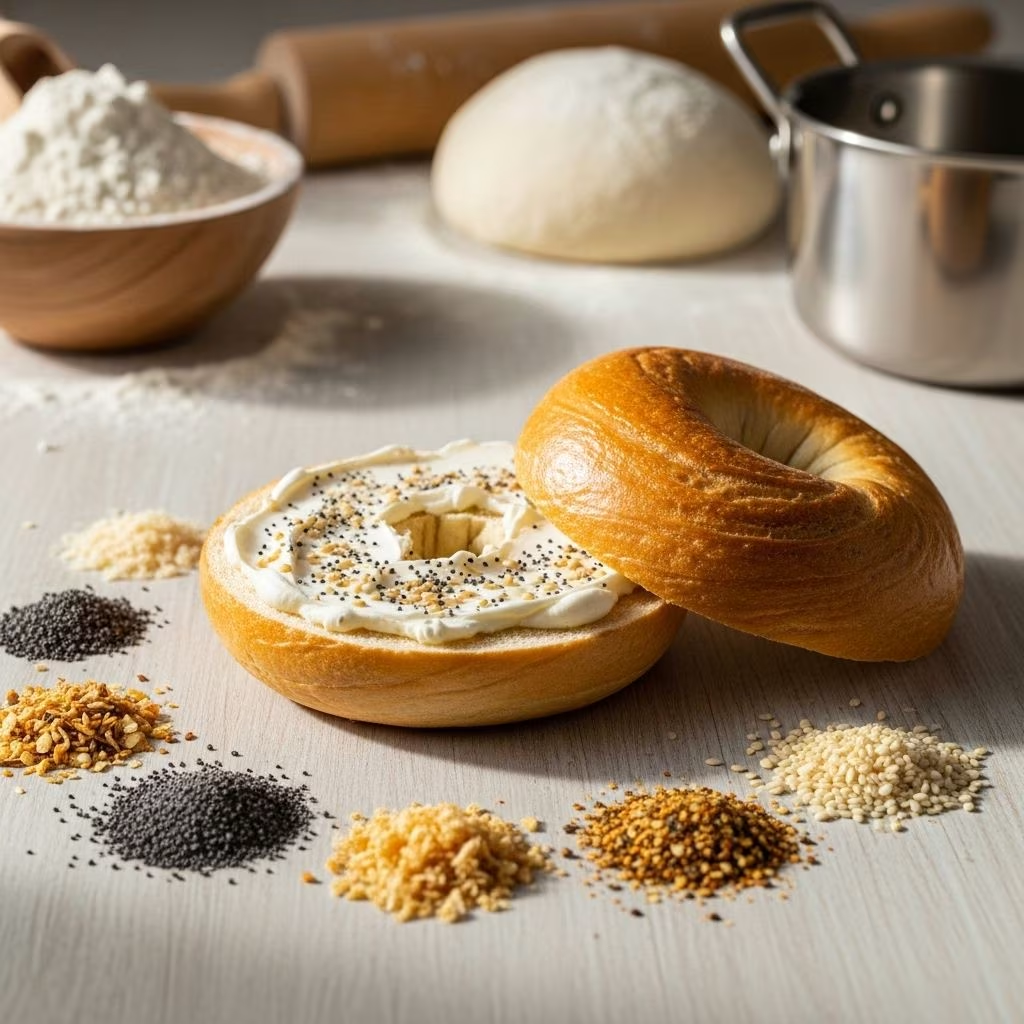
Nothing beats the unmistakable texture and flavor of freshly baked bagels—chewy crust, tender crumb, and endless options for toppings. Homemade bagels are easier than you might think, and with a few essential ingredients, anyone can recreate this bakery staple in their own kitchen. This article walks you through every step, from mixing and kneading the dough to shaping, boiling, baking, and topping your perfect bagels.
Why Make Bagels at Home?
- Control over ingredients: Choose organic flours, customize toppings, and avoid preservatives.
- Unmatched freshness: Enjoy bagels straight from your own oven, with superior texture and aroma.
- Customizable flavors: Experiment with unique flavors, fillings, and seasoning blends.
- Baking satisfaction: Crafting bagels is both fun and rewarding, whether you’re a beginner or seasoned baker.
Key Ingredients for Bagels
Bagels rely on simple, high-quality ingredients. Here’s what you’ll need:
| Component | Ingredient | Notes |
|---|---|---|
| Dough | Bread flour | Provides structure and iconic chewiness. |
| Dough | Active dry yeast | Leavens the dough for volume and texture. |
| Dough | Maple syrup or barley malt syrup | Gives bagels their distinctive flavor (barley malt is classic, maple is accessible). |
| Dough | Sea salt | Enhances flavor and controls fermentation. |
| Dough | Warm water | Activates yeast and hydrates flour. |
| Poaching liquid | Maple syrup | For a glossy crust and subtle sweetness. |
| Poaching liquid | Baking soda | Creates a deep golden exterior. |
| Poaching liquid | Salt | Flavor enhancement. |
| Toppings | Egg white (optional) | Helps toppings adhere and creates shine. |
| Toppings | Everything Bagel Seasoning, poppy seeds, sesame seeds, etc. | Customize as desired. |
Step-by-Step Instructions: How to Make Bagels
Bagel-making is a multi-phase process that yields bakery-quality results. Carefully follow each step for best texture and flavor.
1. Making the Dough
- Activate yeast: In a large bowl, combine warm water and maple syrup. Sprinkle yeast and allow to sit for about 5 minutes, until foamy.
- Combine with flour and salt: Add bread flour and sea salt to the yeast mixture. Mix with a stand mixer fitted with a dough hook or knead by hand until a smooth, elastic dough forms (about 5–7 minutes by mixer, 2–3 minutes more by hand).
- First rise: Form the dough into a ball, place in a lightly greased bowl, cover tightly, and let rise for 1 to 1.5 hours, until nearly doubled in size.
2. Shaping the Bagels
- Divide dough: Turn dough onto an un-floured surface and divide evenly into 8 portions.
- Shape: Roll each portion into a smooth ball. Slightly wet your work surface with a few drops of water, then roll each ball into a rope about 9 inches long.
- Form circles: Fold each rope over your fingers so ends overlap by about 2 inches, then roll the ends together to seal and form the traditional bagel shape.
- Final proof: Arrange shaped bagels on parchment-lined baking sheets, cover loosely with plastic wrap, and refrigerate overnight for maximum flavor and chew.
3. Poaching and Baking
- Rest and test: Remove bagels from the fridge and let them come to room temperature for 1 hour. Check proof by placing one in a bowl of water—if it floats, they’re ready for poaching.
- Prepare poaching liquid: In a large pot, bring 2 quarts of water, maple syrup, baking soda, and salt to a boil.
- Poach: Lower bagels into the gently boiling water. Boil for 1 minute per side. This step creates the glossy, chewy crust.
- Top and bake: Transfer poached bagels to the baking sheet, brush with optional egg white wash, and sprinkle with desired toppings. Bake in a preheated 450°F oven for 14–18 minutes, until golden brown.
Tips for Bagel Success
- Don’t skimp on kneading: Proper gluten development is key for chewiness.
- Use high-protein bread flour: All-purpose flour will not yield the same texture.
- Refrigerate overnight: This rest deepens flavor and improves structure.
- Boil, don’t skip! Poaching is essential for a signature bagel crust.
- Customize your toppings: Try combinations like sesame, poppy, Everything Bagel Seasoning, or cinnamon-sugar.
Bagel Toppings and Variations
Classic bagels shine with a variety of toppings, or you can mix flavors right into the dough. Here are some favorites:
- Everything Seasoning: A blend of poppy seeds, sesame seeds, dried onion, garlic, and salt.
- Poppy Seeds: Mild, nutty flavor and pleasing appearance.
- Sesame Seeds: Adds crunch and nutty notes.
- Cinnamon-Sugar: For a sweet treat—brush baked bagels with butter and sprinkle with cinnamon sugar.
- Raisins: Mix into dough while kneading for a classic cinnamon-raisin bagel.
- Cheese: Top with shredded cheddar, asiago, or parmesan before baking.
Serving Ideas for Homemade Bagels
- Classic: Slice and serve toasted with cream cheese, butter, or jam.
- Bagel Sandwich: Add eggs, cheese, and veggies for a hearty breakfast or lunch.
- Avocado Bagel: Top with mashed avocado, tomato, and a sprinkle of salt and pepper.
- Sweet: Pair with honey, nut butter, or fruit preserves for an afternoon snack.
Storage and Make-Ahead Tips
- Fresh is best: Eat bagels within the first 24 hours for maximum chewiness.
- Freezing: Cool completely, slice if desired, then wrap individually and store in a freezer bag. Thaw and toast to refresh.
- Leftovers: Store in a paper bag for one day, then transfer to an airtight container for up to 3 days.
Nutritional Overview
| Bagel Portion | Approximate Nutrition |
|---|---|
| One plain medium bagel | 250–280 kcal, 2g fat, 54g carbohydrates, 8–10g protein |
| With toppings (as prepared) | Varies: cheese adds fat/protein; sweet toppings add sugar |
Bagel nutrition will vary based on toppings and size.
Bagel Recipe FAQ
How do I get the classic chewy texture?
Use bread flour and boil before baking. The overnight cold rest also enhances chewiness.
Can I use instant yeast?
Yes, you can substitute instant yeast for active dry. Adjust resting/proofing times as needed; instant yeast acts faster.
Why does my bagel dough need to be firm?
Firm dough develops a dense crumb and prevents flat, fluffy results. Kneading thoroughly is essential.
Can I skip the overnight rest?
While you can bake bagels after a short proof, overnight refrigeration yields much better flavor and texture.
What if my bagels sink during the water test?
Let them proof at room temperature another 30 minutes, then retest. Bagels should float when ready.
How do I make bagels vegan?
Simply omit the egg wash. The maple syrup in the dough and poaching water is naturally vegan-friendly.
Expert Bagel Making Tips
- For extra flavor, substitute barley malt syrup for maple syrup if available.
- Try adding mix-ins to the dough: dried fruit, nuts, cooked onion, or sun-dried tomatoes.
- For shiny crust, use an egg white wash before adding toppings.
- Don’t overcrowd the boiling pot; bagels need space to puff up.
- If shaping by hand is tricky, poke a hole in each ball of dough and stretch outward.
Common Troubleshooting
- Bagels are flat: Under-kneaded dough or over-proofing; knead longer and monitor rising closely.
- Toppings won’t stick: Brush with egg white or water before adding toppings.
- Bagels are dense/hard: Dough is too dry or wasn’t proofed long enough; add hydration if needed and don’t rush the rest.
- Bagel crust is pale: Ensure baking soda is included in the poaching water and bake until deeply golden.
Reference Bagel Recipe
For the dough:
- 1 tablespoon maple syrup or barley malt syrup
- 1 (¼-ounce) package active dry yeast (2¼ teaspoons)
- 1¼ cups warm water
- 540 grams bread flour
- 2 teaspoons sea salt
For the poaching water:
- 1½ tablespoons maple syrup
- 2 teaspoons baking soda
- ½ tablespoon salt
For the toppings:
- 1 egg white, optional
- 1 tablespoon water, optional
- Everything Bagel Seasoning, for sprinkling
Conclusion
Homemade bagels require a bit of patience, but their flavor and texture are worth the effort. With this step-by-step guide, you’ll create bagels that rival your favorite bakery’s—chewy, golden, and ready to customize. Whether fresh, toasted, plain, or loaded with toppings, your homemade bagels will be the highlight of any breakfast table. Enjoy the process, savor every bite, and make it your own!
Frequently Asked Questions (FAQs)
Q: Can I freeze homemade bagels?
A: Yes, slice bagels after cooling, wrap individually, and freeze for up to 3 months. Toast before serving for best results.
Q: What’s the best flour for bagels?
A: Bread flour is best for chewy bagels. All-purpose flour produces softer, less dense bagels.
Q: How do I proof bagels overnight?
A: Shape bagels, cover with plastic wrap, and refrigerate 8–12 hours. Remove from fridge and let sit at room temp before boiling and baking.
Q: Are homemade bagels healthier than store-bought?
A: Homemade bagels have fewer preservatives and can be customized for lower sodium, whole grains, or vegan options.
Q: Can I make gluten-free bagels?
A: Gluten-free flour can work, but bagels will lack traditional chew. Search for recipes designed specifically for gluten-free results.