Basil pesto is more than just a sauce—it’s a celebration of fresh summer herbs and vibrant flavors that can instantly brighten up pastas, pizzas, sandwiches, and so much more. While traditional Genovese-style pesto features basil, pine nuts, Parmesan, garlic, and olive oil, this versatile condiment comes alive with even the simplest of variations.
What is Pesto?
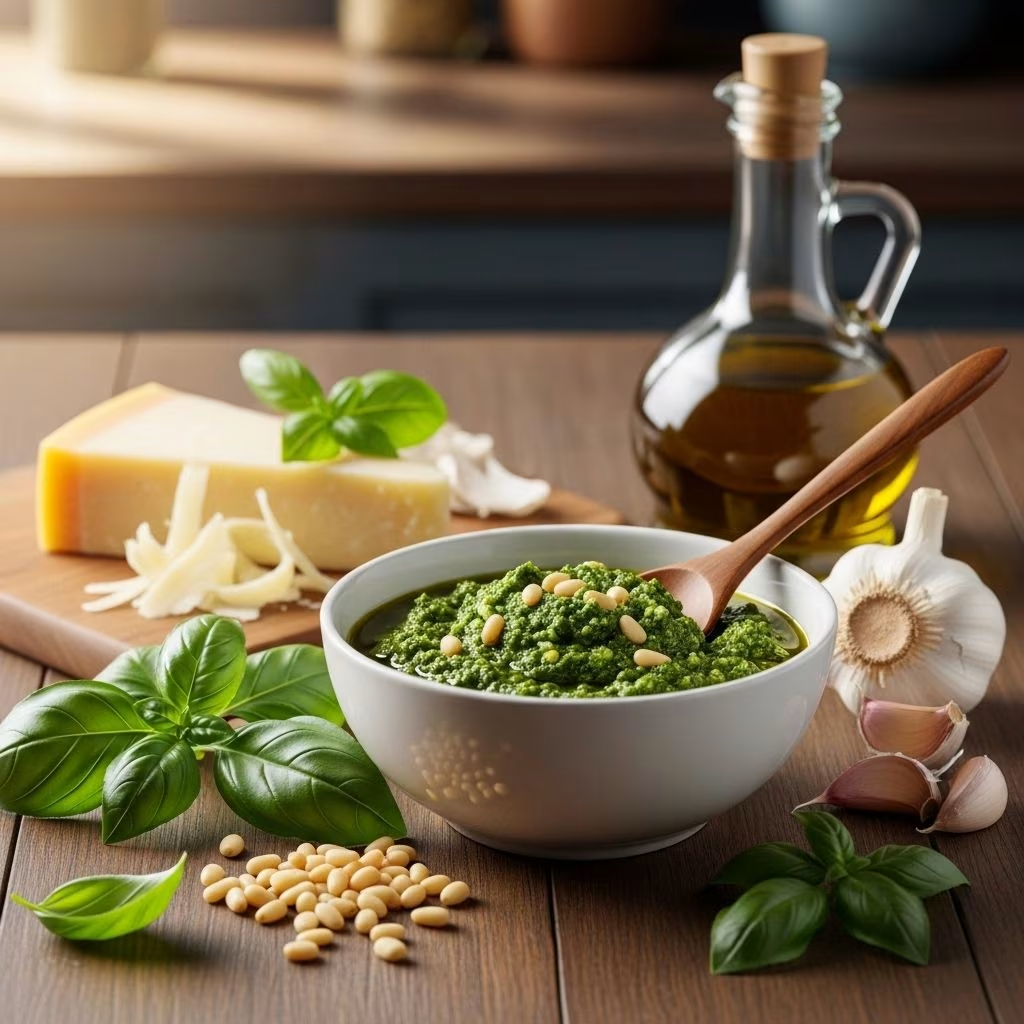
Pesto is an Italian sauce that originated in Genoa. The word “pesto” comes from the Italian verb pestare, which means “to pound”—a nod to the sauce’s traditional method of preparation using a mortar and pestle. The classic recipe blends fresh basil, pine nuts, garlic, extra-virgin olive oil, and Parmesan cheese. Modern versions, such as the one detailed here, often use a food processor for speed and ease, but the result is still rich and deeply flavorful.
Pesto is celebrated for its starring role in pasta dishes. However, its uses extend to salads, sandwiches, grilled vegetables, eggs, and even as a finishing drizzle on pizza or grain bowls. With just a handful of real ingredients and a quick whirl of the food processor, anyone can make a batch in minutes.
Ingredients for Classic Basil Pesto
The beauty of pesto lies in its few but high-impact ingredients. Here is what you need for a traditional basil pesto:
- Basil Leaves – Use fresh, sweet Genovese basil for the best color and flavor. Loosely packed cups work best, as packed-down basil can result in an overly intense or grassy sauce.
- Pine Nuts – Toasted pine nuts provide a rich, buttery base. Alternatives include walnuts, cashews, pecans, pepitas (shelled pumpkin seeds), or pistachios for different flavor profiles.
- Garlic – Use a small raw clove for punch. For a milder flavor, roast it lightly or use half a clove.
- Lemon Juice – Adds brightness and balances the rich olive oil and nuts. Always use freshly squeezed lemon juice.
- Extra-Virgin Olive Oil – Lends classic fragrance and smooth consistency. High-quality olive oil gives the sauce its signature taste.
- Parmesan Cheese (Optional) – Freshly grated Parmesan adds nutty, umami depth. For vegan pesto, leave it out or substitute with nutritional yeast.
- Sea Salt & Fresh Black Pepper – Enhances and rounds out the flavors.
Optional Add-Ins
- Nutritional yeast – A cheesy-tasting vegan alternative to Parmesan.
- Capers – For a briny, tangy twist.
- Sun-Dried Tomatoes – For savory, umami complexity.
Essential Equipment
- Food Processor – Delivers a smooth, even consistency quickly. A small or standard size works best for this recipe.
Step-by-Step Instructions
- Pulse the Base Ingredients:
- In your food processor, combine pine nuts, lemon juice, garlic, sea salt, and black pepper.
- Pulse several times until everything is finely chopped, forming a rough paste.
- Add Basil:
- Add the fresh basil leaves to the processor, and pulse again just until roughly combined. Do not overblend at this stage to keep the basil vibrant and fresh.
- Incorporate Olive Oil:
- With the processor running, slowly drizzle in olive oil. This creates a smooth, cohesive sauce. Adjust the amount for your preferred consistency—a bit more for a silkier, pourable pesto.
- Add Parmesan:
- If using, add the freshly grated Parmesan and pulse just to combine.
- Adjust and Finish:
- Taste your pesto and adjust flavors—add extra salt, lemon juice, or more cheese if desired. For more vegan cheesy flavor, add nutritional yeast. For a briny edge, toss in a few capers; for extra umami, a couple of sun-dried tomatoes.
- Pulse to blend, then use right away, or see storage tips below.
Pro Tips for the Best Homemade Pesto
- Use loosely packed basil: Measure the basil leaves loosely to avoid excess bitterness—and to achieve a light, fresh-tasting sauce.
- Toast your nuts: Toasting pine nuts or other nut substitutes deepens their flavor and counterbalances the basil.
- Choose quality olive oil: Because olive oil is a foundation of this recipe, use the best you can for maximum flavor impact.
- Add lemon juice: It’s not strictly traditional, but lemon juice brightens the pesto and helps keep its color more vibrant.
- Avoid over-processing: Blend just until combined for a slightly textured sauce rather than a paste, which preserves both flavor and color.
Easy Pesto Variations
Classic basil pesto is just the beginning. Use this template to experiment with different greens, nuts, and add-ins:
- Use other nuts: Walnuts, pistachios, pecans, almonds, or pepitas can replace pine nuts for unique flavor twists.
- Mix up the greens: Try replacing some (or all) of the basil with arugula, spinach, kale, or even carrot tops for a peppery, earthy, or subtly sweet take.
- Herb variations: Parsley, cilantro, mint, or a mix can change the mood of your pesto.
- Vegan version: Omit Parmesan and use nutritional yeast for tangy, complex flavor without animal products.
- Citrus notes: Swap lemon juice for lime juice for a sharp, summery flavor.
- Umami boost: Include sun-dried tomatoes or miso for extra savory depth.
Ways to Use Basil Pesto
Basil pesto is endlessly versatile. Try it in these delicious ways:
- Pasta: Toss with spaghetti, penne, or any favorite pasta. Add roasted or grilled vegetables for more heft.
- Pizza: Drizzle over pizza before or after baking for herbal freshness.
- Sandwiches and Toast: Spread on bread or toast, layer into sandwiches or wraps, pair with grilled cheese or avocado toast.
- Salads: Use as a dressing base; try thinning with extra lemon or a splash of water.
- Eggs: Dollop over scrambled, fried, or deviled eggs for a rich, herbaceous touch.
- Vegetables: Spoon onto grilled or roasted vegetables, or add to spaghetti squash dishes.
- Soups and Grains: Stir into soups or grain bowls for finishing flavor.
How to Store and Freeze Pesto
Pesto is best enjoyed fresh, but it also stores and freezes beautifully:
- Refrigerator: Store in an airtight container for up to 4 days. To help prevent browning, gently press plastic wrap directly onto the surface or drizzle a thin layer of olive oil over the top before sealing.
- Freezing:
- Freeze in ice cube trays for single-serve portions. Once frozen, transfer cubes to a freezer bag; use as needed for quick meals.
- Alternatively, freeze larger amounts in a freezer-safe container with a tight seal.
Frequently Asked Questions (FAQs)
| Question | Answer |
|---|---|
| How much basil should I use? Loosely or tightly packed cups? | Use loosely packed cups of basil leaves for measuring. This ensures the sauce stays bright and balanced, without bitterness or overwhelming flavor. |
| Do I have to use pine nuts? What are alternatives? | No, you can substitute walnuts, pistachios, cashews, or pepitas*. Each offers a slightly different taste and texture. |
| Can I make pesto without cheese? | Yes. Simply omit the Parmesan. For a vegan, cheesy flavor, add nutritional yeast. |
| Can I freeze pesto? | Yes. Freeze in ice cube trays then transfer to a freezer bag for long-term storage. Thaw cubes as needed to add to dishes. |
| Why does my pesto turn brown? | Exposure to air causes oxidation. Cover the surface with plastic wrap or a layer of olive oil before sealing. Lemon juice also helps preserve the green color. |
| Can I use a blender if I don’t have a food processor? | A blender works for larger batches, but may over-process the basil, resulting in a paste-like texture. A food processor is recommended for best results. |
| How do I make nut-free pesto? | You can use sunflower seeds or skip nuts altogether for a different texture. |
Reader Tips & Adaptations
- Some home cooks use walnuts and lime juice as creative alternatives in the base recipe, with excellent results.
- Try freezing pesto in ice cube trays—perfect for adding to recipes year-round!
- If your pesto tastes overly earthy, add extra lemon juice, garlic, or basil for balance.
- Those with homegrown basil plants can easily increase the batch size. Make a large amount, freeze in servings, and enjoy fresh-tasting pesto throughout the year.
Printable Basil Pesto Recipe
Basil Pesto
- ½ cup toasted pine nuts (or walnuts, pistachios, or pepitas)
- 2 tablespoons fresh lemon juice
- 1 small garlic clove
- ¼ teaspoon sea salt
- Freshly ground black pepper
- 2 cups loosely packed fresh basil leaves
- ¼ cup extra-virgin olive oil (plus more for smoother sauce)
- ¼ cup freshly grated Parmesan cheese (optional)
- (optional) 1 tablespoon nutritional yeast, 2 teaspoons capers, or 2 oil-packed sun-dried tomatoes
Instructions
- Combine nuts, lemon juice, garlic, salt, and pepper in a food processor. Pulse until finely chopped.
- Add basil, pulse again.
- With processor running, drizzle in olive oil. Add cheese (if using), blend until just combined. Adjust consistency and seasoning as desired.
- Adjust flavors with more nutritional yeast, capers, or sun-dried tomato if desired. Serve, or store as above.
More Serving and Variation Ideas
- Swirl into soup just before serving for a burst of flavor.
- Drizzle over roasted potatoes or grilled corn.
- Blend with ricotta or cream cheese for a creamy pesto dip or spread.
- Top bruschetta or crostini for quick appetizers.
Key Takeaways
- Pesto is personalizable: Try different nuts, herbs, or add-ins to suit your taste.
- Use fresh, high-quality ingredients for the most vibrant results.
- Don’t be afraid to experiment—pesto is the perfect recipe for creativity in the kitchen!