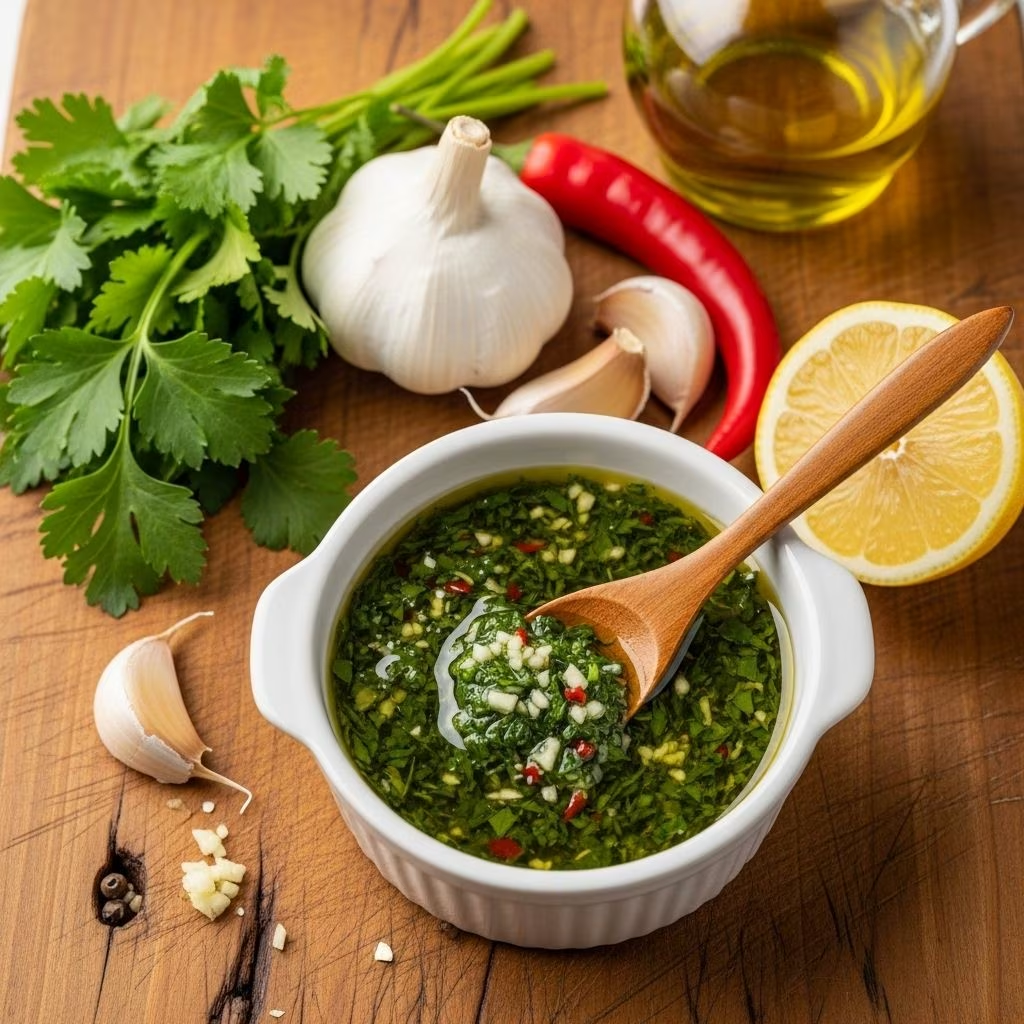
If you crave vibrant flavor and a touch of South American flair, look no further than chimichurri sauce. This classic green condiment brings together fresh herbs, garlic, olive oil, and tangy vinegar for an easy, bold sauce that transforms anything it touches—traditionally grilled meats, but also vegetables, beans, and much more.
What is Chimichurri?
Chimichurri is a celebrated herb sauce that originates from Argentina and Uruguay. Its hallmark is a refreshing, pungent blend of parsley, oregano, garlic, olive oil, and vinegar, with a touch of chili heat. Traditionally, this sauce is served atop or alongside grilled meats, especially steak, but its fresh, punchy flavor is versatile and cherished throughout South America and beyond.
- Origin: Argentina and Uruguay
- Main ingredients: Fresh parsley, dried or fresh oregano, garlic, olive oil, red pepper flakes, vinegar
- Traditional use: As a marinade or sauce for grilled meats like beef, chicken, and fish
- Modern uses: Drizzled over roasted vegetables, beans, grains, and even as a salad dressing or bread dip
Chimichurri’s simplicity and brightness mirror the heart of Argentine cuisine, where it’s as much a staple at home barbecues as salt and pepper.
Chimichurri Sauce Ingredients
Crafting an unforgettable chimichurri comes down to bright, quality ingredients. Here’s what you need for an authentic, flavor-packed version:
- Fresh flat-leaf parsley: The base for that signature green color and herbaceous punch. Finely chop by hand for best texture.
- Dried oregano: Adds earthy depth and a distinctive aromatic note. Use a touch of fresh oregano if you prefer a brighter flavor.
- Garlic: Provides sharp, savory backbone. One clove, minced very fine, is traditional.
- Red pepper flakes: Delivers mellow, warming heat. Adjust to taste.
- Smoked paprika: Though not traditional, this modern addition adds subtle smokiness and depth without overpowering the herbs.
- White wine vinegar: Brings essential tang and brightness. Red wine vinegar is classic, but white wine vinegar is a wonderful, lighter twist.
- Extra-virgin olive oil: Adds richness and pulls everything together. Choose a good-quality oil for best flavor.
- Sea salt: Enhances all the vibrant flavors and balances the sauce.
| Ingredient | Amount |
|---|---|
| Fresh flat-leaf parsley, chopped | 1/2 cup (from about 1 bunch) |
| Extra-virgin olive oil | 1/3 cup |
| White wine vinegar | 2 tablespoons |
| Garlic, minced | 1 clove |
| Sea salt | 1/2 teaspoon |
| Dried oregano | 1/4 teaspoon |
| Red pepper flakes | 1/4 teaspoon |
| Smoked paprika | 1/4 teaspoon |
How to Make Chimichurri Sauce
Making this sauce is as easy as it is fast—the whole process takes less than 10 minutes, with no fancy equipment needed.
- Mince the parsley and garlic: Finely chop by hand for best texture. Avoid using a food processor, which can turn the sauce into a paste.
- Mix the wet ingredients: In a bowl, whisk together olive oil, vinegar, garlic, salt, oregano, red pepper flakes, and smoked paprika.
- Stir in the herbs: Add the chopped parsley and mix well until all ingredients are evenly coated and the sauce is vibrant green.
- Season to taste: Taste and adjust salt, pepper flakes, or vinegar to your preference.
That’s it! Your chimichurri is ready to brighten up any dish.
Tips & Tricks for the Best Chimichurri
- Chop by hand: This ensures a loose, rustic texture—never mushy or pasty.
- Use fresh herbs: The fresher the parsley (and oregano, if using fresh), the brighter the flavor.
- Adjust to taste: Make it your own by tweaking the heat, acidity, or saltiness.
- Let it rest: If you prefer a more mellow flavor, let the sauce sit for 15–30 minutes before serving. This melds the flavors beautifully.
- Try different vinegars: Swap white wine vinegar for red wine vinegar for a deeper tang, or experiment with sherry vinegar.
- Storage: Store leftovers in a sealed jar in the fridge for up to a week, or freeze in small portions for quick use.
Serving Suggestions
Traditionally, chimichurri is served with grilled steak, but its uses are nearly endless. Here are some creative ideas:
- Drizzled over roasted or grilled vegetables for a zesty finish
- Add to white beans or chickpeas for a refreshing salad
- As a marinade for chicken, fish, or shrimp before grilling
- Swirled into grain bowls with quinoa, rice, or polenta
- Use as a lively salad dressing or bread dip
- Spoon over eggs or avocado toast for a punchy brunch
Equipment Needed
You don’t need special tools to make chimichurri, but a few basics will help:
- Sharp chef’s knife and cutting board
- Small mixing bowl
- Whisk or spoon for mixing
- Mortar and pestle (optional, for authentic texture)
Chimichurri Sauce Recipe
Ingredients
- 1/3 cup extra-virgin olive oil
- 2 tablespoons white wine vinegar
- 1 garlic clove, minced
- 1/2 teaspoon sea salt
- 1/4 teaspoon dried oregano
- 1/4 teaspoon red pepper flakes
- 1/4 teaspoon smoked paprika
- 1/2 cup finely chopped fresh flat-leaf parsley (from about 1 bunch, coarse stems removed)
Instructions
- In a small bowl, whisk together the olive oil, vinegar, garlic, salt, oregano, red pepper flakes, and smoked paprika.
- Stir in the parsley until evenly combined.
- Adjust the seasoning to taste; serve immediately, or let rest for deeper flavor.
Tip: Chimichurri can also be made with a few pulses in a food processor for a quicker, chunkier texture.
Frequently Asked Questions (FAQs)
Q: What does chimichurri taste like?
A: It’s fresh and herbaceous with bright acidity from the vinegar, warmth from garlic and red pepper, and rich undertones from olive oil.
Q: Is chimichurri spicy?
A: It has a gentle, warming heat from red pepper flakes. Adjust the amount to your desired spice level.
Q: How long does chimichurri sauce last?
A: Store it tightly covered in the refrigerator for up to one week. For longer storage, freeze chimichurri in small portions (such as in an ice cube tray) and thaw as needed.
Q: Can I use other herbs?
A: Absolutely! Cilantro is a great alternative or addition to parsley. Some recipes use a blend of both.
Q: What can I serve with chimichurri besides steak?
A: Chimichurri is delicious on grilled chicken, fish, or roasted vegetables, and also works as a zesty salad dressing or bread dip.
Tips for Storing and Freezing
- Refrigeration: Store leftover sauce in a jar for up to a week.
- Freezing: Pour into ice cube trays and freeze for grab-and-go portions. Thaw at room temperature before using.
- Stir before serving: Oil may separate during storage; a quick mix restores the sauce’s consistency.
Customize Your Chimichurri
Personalize your sauce using these variations:
- Use cilantro or carrot greens: Substitute part or all of the parsley for a fun twist or to use up herbs on hand.
- Add lemon zest: For a citrusy accent.
- Try different vinegars: Red wine, sherry, or apple cider vinegars change the flavor profile slightly.
- Omit smoked paprika: For a more traditional version.
- Increase garlic: For lovers of bold, garlicky flavor.
Readers’ Tips & Comments
- “I made this for our anniversary; everyone in the house loved it—now it’s a staple in the fridge!”
- “A little too vinegary for my tastes. Letting it sit for a few hours helps mellow the flavors.”
- “Delicious over grilled steak and vegetables. Thanks for the great recipe!”
Related Recipes to Try
Conclusion
Chimichurri is quick, vibrant, and endlessly adaptable. Whether you stick to the iconic recipe or try your own spin—with different herbs or vinegars—it’s an unbeatable way to bring excitement to your meals. In under 10 minutes, you can create a sauce that wakes up anything from steak to salad. Try it once, and you’ll find new reasons to keep a jar in your refrigerator all season long!