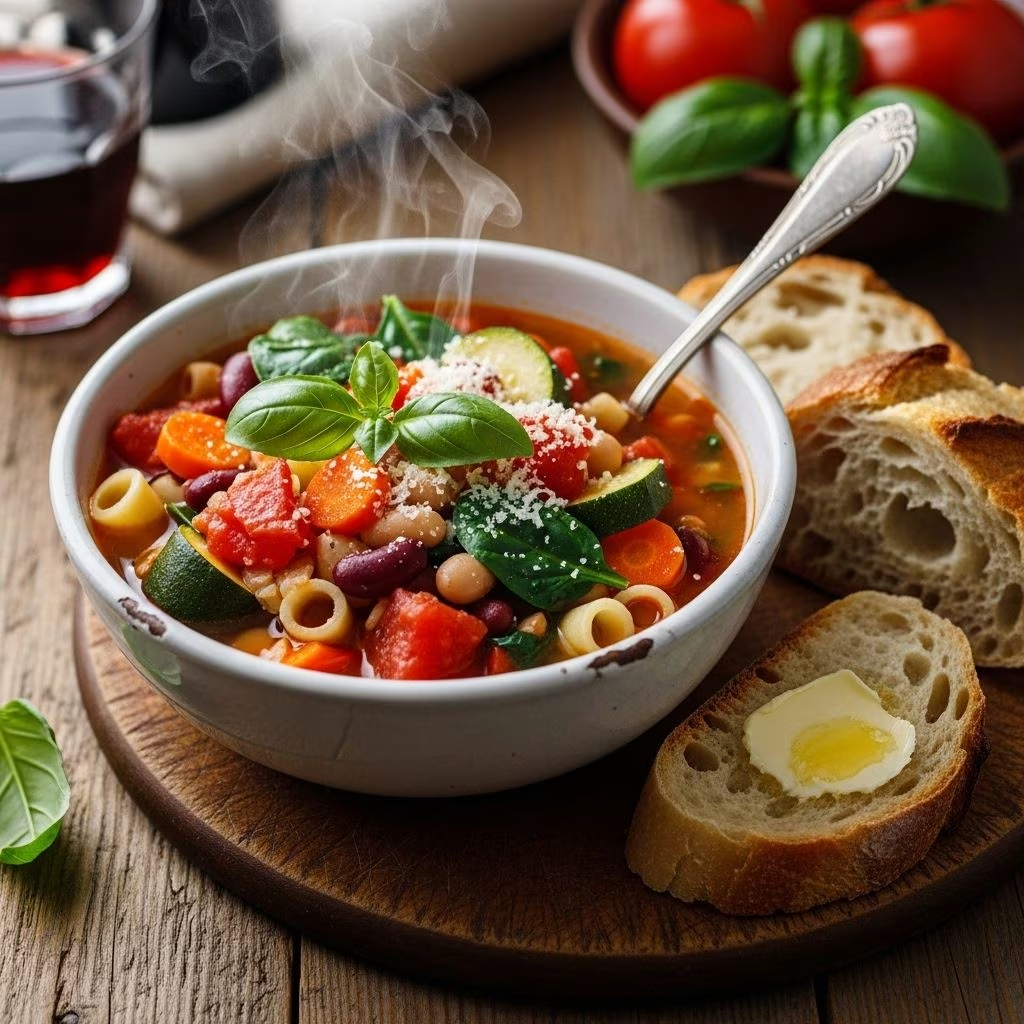
Hearty Homemade Minestrone Soup: An Italian Classic
Minestrone soup, with its rich blend of vegetables, beans, pasta, and aromatic herbs, is a timeless Italian comfort food that can easily be customized to suit any season or pantry. Simple yet deeply satisfying, this soup is a staple for easy weeknight dinners, crowd-pleasing gatherings, or healthy meal prep. Discover everything you need to make the perfect bowl—from essential ingredients and kitchen tips to serving suggestions and frequently asked questions.
What is Minestrone?
Minestrone is a traditional Italian soup characterized by a medley of fresh, seasonal vegetables, beans, and pasta, simmered in a savory vegetable broth. Flexible by nature, minestrone can be adapted with different veggies or grains depending on what’s available, making it an ideal dish for using up leftovers or embracing farmer’s market finds.
Minestrone Soup Ingredients
To prepare minestrone soup at home, you’ll need a handful of staple ingredients. Each plays a crucial role in developing the deep, layered taste that makes this soup so beloved.
- Onion, Carrot, & Celery: These vegetables—collectively known as soffritto in Italian—form the aromatic base when sautéed in olive oil.
- Garlic: For additional depth and fragrance; add after the onion mixture to avoid burning.
- Diced Tomatoes: Adds sweet, tangy flavor and classic color.
- Green Beans: For crunch and a fresh, vibrant accent.
- White or Kidney Beans: Navy, cannellini, or red kidney beans add substance and protein.
- Vegetable Broth: The flavorful liquid foundation.
- Italian Herbs: Dried oregano, thyme, and bay leaves bring classic herbal complexity.
- Pasta: Small shapes like elbows, shells, orecchiette, or ditalini soak up flavor and add body.
- Fresh Parsley: For a burst of freshness when serving.
- Red Pepper Flakes: (optional) for a gentle heat.
- Parmesan Cheese: (optional) A salty, umami-rich garnish.
Note: You can adapt the vegetables to seasonality—add zucchini in summer, potatoes in fall, or kale and spinach for a nutritious twist.
Complete Ingredient List
| Ingredient | Measurement |
|---|---|
| Extra-virgin olive oil | 2 tablespoons |
| Yellow onion | 1 medium, diced |
| Carrots | 2 medium, chopped |
| Celery ribs | 2, thinly sliced |
| Sea salt | 1 teaspoon + to taste |
| Black pepper | To taste |
| Garlic cloves | 3, grated |
| Diced tomatoes | 28-ounce can |
| White or kidney beans | 1.5 cups, cooked, drained |
| Green beans | 1 cup, chopped |
| Vegetable broth | 4 cups |
| Bay leaves | 2 |
| Dried oregano | 1 teaspoon |
| Dried thyme | 1 teaspoon |
| Small pasta | 3/4 cup |
| Fresh parsley | 1/2 cup, chopped |
| Red pepper flakes | Optional, to taste |
| Grated Parmesan cheese | Optional, for serving |
Essential Equipment
- Large Dutch Oven or Soup Pot: For even cooking and depth.
- Wooden Spoon: To stir and prevent sticking.
- Chef’s Knife: For dicing vegetables efficiently.
- Ladle: For serving generously.
Step-by-Step Cooking Instructions
- Heat olive oil in a large pot over medium heat. Add onion, carrot, and celery. Sprinkle with salt, and sauté until vegetables soften and onion is translucent (about 8 minutes).
- Stir in garlic and cook until fragrant, 1 minute.
- Add canned tomatoes (with their juices), green beans, drained white or kidney beans, vegetable broth, bay leaves, oregano, thyme, and black pepper.
- Bring the mixture to a gentle boil, then reduce to a simmer. Cook uncovered for 20 minutes, so the vegetables can absorb the flavors.
- Add small pasta. Continue to simmer until pasta is tender (10–12 minutes).
- Discard bay leaves. Taste and adjust salt and pepper as needed.
- Stir in chopped fresh parsley. For an herbal twist, add fresh basil if desired.
- Serve hot, garnished with red pepper flakes and Parmesan cheese.
Tips & Variations
- Make It Vegan: Skip the Parmesan or use a plant-based alternative.
- Gluten-Free Option: Swap regular pasta for gluten-free pasta or rice.
- Protein Boost: Add chickpeas or lentils alongside beans.
- Seasonal Swaps: Use summer squash, potatoes, or even kale depending on what’s fresh.
- Broth Choice: Homemade vegetable broth adds depth but store-bought is convenient.
- Storage: Minestrone keeps well in the fridge up to 5 days; pasta may absorb broth, so add extra when reheating.
Simple Ways to Add Flavor
- Simmer with a Parmesan rind for a rich umami base.
- Add a squeeze of lemon for brightness just before serving.
- Mix in chopped fresh spinach or kale for vibrant color and nutrition.
Nutritional Benefits
Minestrone soup is naturally full of healthy carbohydrates, plant protein, and dietary fiber. With its abundance of vegetables and beans, it supports digestion and helps meet daily vitamin and mineral needs. It’s well-suited to heart-healthy diets and can be a satisfying vegetarian or vegan entrée.
Serving Suggestions
- Crusty Bread: Pair soup with toasted ciabatta, focaccia, or rustic sourdough for dunking.
- Fresh Herbs: Sprinkle extra basil, parsley, or thyme on each bowl.
- Cheese: Offer finely grated Parmesan or Pecorino Romano at the table.
- Side Salad: Serve with a bright Italian salad for a complete meal.
Frequently Asked Questions (FAQs)
Can I freeze minestrone soup?
Yes, minestrone soup freezes well. Freeze in airtight containers for up to three months. For best texture, cook pasta separately and add when reheating.
What pasta shapes work best?
Short shapes like elbows, small shells, orecchiette, or ditalini perform well, absorbing flavor without dominating the spoon.
Is minestrone soup vegan?
When you omit the cheese garnish and use vegetable broth, minestrone is completely vegan.
Can I add meat?
Absolutely. For a non-vegetarian version, add cooked Italian sausage, pancetta, or shredded chicken during the simmering phase.
How do I prevent the pasta from soaking up broth?
Cook pasta separately and combine just before serving, or add extra broth during reheating.
How do I adjust spice levels?
Increase red pepper flakes or use spicy Italian seasoning to boost heat.
How to Store & Reheat
- Refrigerator: Store cooled soup in an airtight container for up to 5 days. Pasta will absorb liquid, so add more broth when reheating.
- Freezer: Portion soup (without pasta for best results) into freezer-safe containers. Thaw overnight and reheat gently, adding fresh cooked pasta if desired.
Customization: Make It Your Own
- Seasonal Vegetables: Try zucchini, spinach, kale, or butternut squash depending on the time of year.
- Grains: Swap pasta for brown rice, barley, or farro for a hearty twist.
- Beans: Use a mix—kidney, navy, cannellini, or pinto beans all offer unique textures.
- Herbs: Experiment with rosemary, basil, marjoram, or Italian parsley.
Expert Tips for Perfect Minestrone
- Don’t rush the soffritto: Sauté onion, carrot, and celery slowly to deepen the flavor base.
- Layer the seasoning: Season gradually at each step for balanced depth.
- Add greens last: Spinach or kale should be stirred in at the final moments to preserve their color and nutrients.
- Use quality broth: A robust vegetable broth elevates the entire soup; homemade is best but store-bought works well for convenience.
- Finish with herbs and cheese: Add parsley, basil, and a sprinkle of Parmesan just before serving.
The History and Tradition of Minestrone
The roots of minestrone reach deep into Italian culinary tradition, evolving from humble peasant dishes designed to maximize nutrition and flavor from readily available garden vegetables, beans, and grains. While regional variations abound—some favoring potatoes, others cabbage, or particular herbs—every minestrone is defined by its adaptability and spirit of resourcefulness. Today, the soup is a testament to Italian ingenuity, enjoyed worldwide for its accessibility and wholesome comfort.
Recipe Summary
| Feature | Description |
|---|---|
| Preparation Time | 15 minutes |
| Cooking Time | 30 minutes |
| Total Time | 45 minutes |
| Servings | 4–6 |
| Difficulty | Easy |
Quick Success Tips
- Cut all vegetables to a similar size for even cooking.
- Use quality canned tomatoes for the most robust flavor.
- Stir occasionally to prevent sticking and help seasonings blend.
Related Recipes
- Classic Italian Pasta e Fagioli: A heartier bean and pasta soup, perfect for cold nights.
- Vegetable Barley Soup: For another wholesome, fiber-rich option.
- Tomato Basil Soup: Pure, vivid flavors with a smooth texture.
Bring Comfort to Your Table
This hearty homemade minestrone celebrates the best of Italian seasonal cooking: vibrant vegetables, nourishing legumes, pasta, and classic herbs coming together in perfect harmony. Whether you’re seeking warmth on a winter evening or a fresh, filling lunch in summer, this versatile soup always delivers. Gather your ingredients, make it your own, and enjoy the endlessly satisfying flavors of minestrone—right from your own kitchen.
References
- https://www.twopurplefigs.com/best-minestrone-soup/
- https://www.loveandlemons.com/minestrone-soup/
- https://cookieandkate.com/classic-minestrone-soup-recipe/
- https://www.loveandlemons.com/category/recipe-index-root/meal/soup/page/4/
- https://www.loveandlemons.com/soup-recipes/
- https://www.youtube.com/watch?v=_pOYzLaVyog