How To Cook Couscous
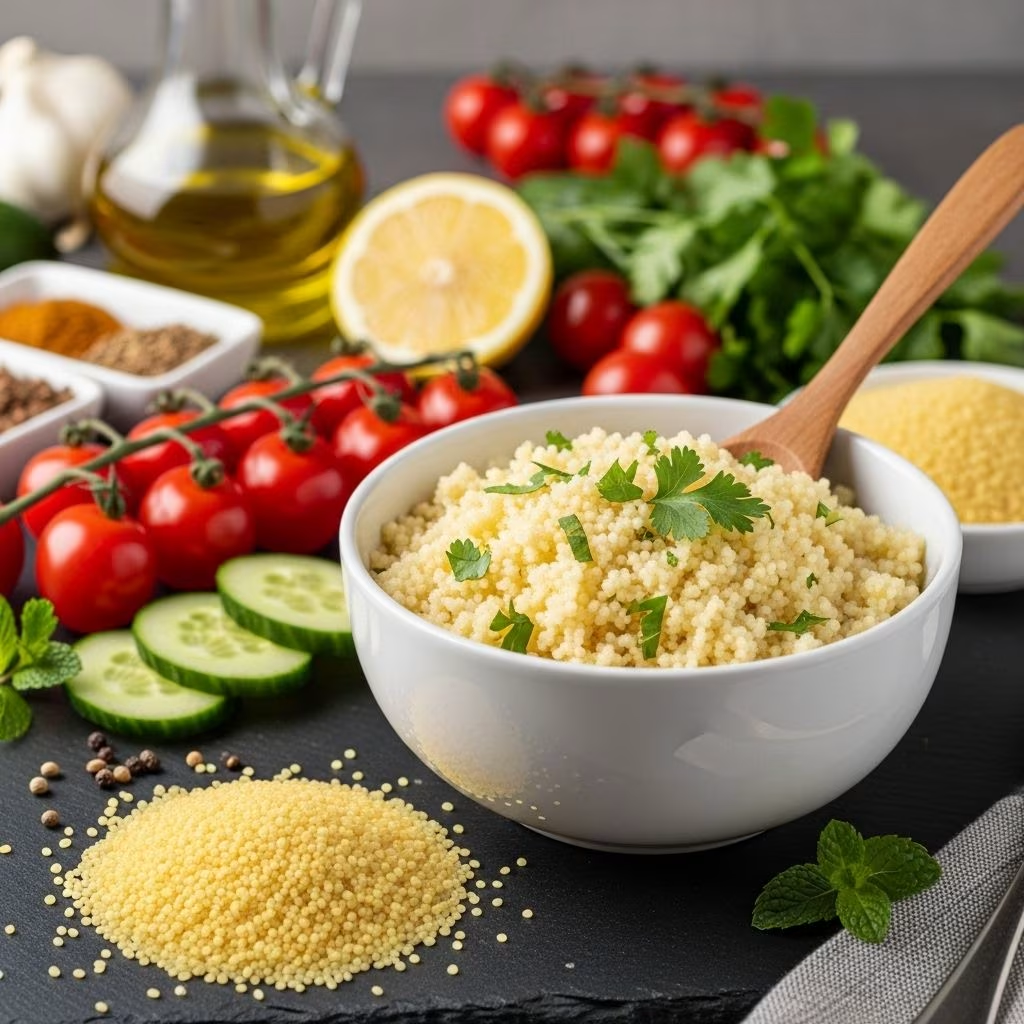
Couscous is a tiny pasta made from semolina wheat that’s quick to cook, incredibly versatile, and ideal for a simple side dish or the foundation of a vibrant salad. It’s a pantry staple for busy nights, and with the right technique, you’ll master fluffy, flavorful couscous that pairs with almost anything. This guide covers everything you need to know, including types of couscous, essential equipment, step-by-step instructions, customization ideas, and frequently asked questions.
What Is Couscous?
Couscous refers to small spheres of semolina (a type of wheat) traditionally enjoyed in North African cuisine. Often mistaken for a grain, couscous is actually a type of pasta and comes in several varieties:
- Moroccan couscous: Smallest, cooks in minutes, perfect for quick recipes.
- Israeli (Pearl) couscous: Larger, chewy texture, looks like tiny pearls.
- Lebanese couscous (Moghrabieh): Largest, requires longer cooking, almost like small pasta balls.
Whether you’re making a speedy side or a hearty main, understanding the difference helps you choose the right type for your dish.
Essential Equipment for Cooking Couscous
- Medium saucepan (for stovetop method)
- Measuring cup and spoon
- Fork (for fluffing)
- Large bowl (for mixing)
- Serving platter (optional for presentation)
Lemon Couscous Recipe: Step by Step
Ingredients
- 1 cup water
- 1 cup couscous (Moroccan style for fast cooking)
- 4 teaspoons extra-virgin olive oil (divided)
- ¾ teaspoon sea salt (divided)
- 2 garlic cloves, minced
- Zest of 1 lemon
- 1 tablespoon fresh lemon juice
- ⅓ cup minced fresh parsley (plus more for garnish)
- 2 tablespoons pine nuts (plus more for garnish)
- Red pepper flakes (optional)
Instructions
- Bring 1 cup water to a boil in a medium saucepan.
- Add couscous, 1 teaspoon olive oil, and ½ teaspoon salt. Stir to combine.
- Cover the saucepan, remove from heat, and let couscous steam for 5 minutes.
- Fluff the couscous with a fork and transfer to a large bowl.
- Add the remaining olive oil, sea salt, minced garlic, lemon zest, lemon juice, parsley, and pine nuts. Toss until well combined.
- Transfer to a serving platter and garnish with extra parsley, pine nuts, and, if desired, red pepper flakes for a touch of heat.
This foundational method delivers couscous that’s soft, fluffy, and lightly infused with bright citrus and herbs—ideal as a side or base for toppings.
Tips for Perfect Fluffy Couscous
- Always use a fork to fluff—this keeps grains separate and avoids clumping.
- Let couscous steam covered, off heat, after adding boiling water. This hydration step is crucial.
- Drizzle with olive oil for richness and to prevent stickiness.
- Toss with aromatics and herbs while warm; flavors soak in best before couscous cools.
Customizing Your Couscous
Couscous is incredibly adaptable. Beyond lemon and parsley, try these variations for new flavor profiles:
- Nut-Free: Omit pine nuts or substitute with sunflower seeds, pumpkin seeds, or slivered almonds.
- Garlic Options: Use garlic powder for milder flavor or roasted garlic for sweetness.
- Extra Herbs: Mix in chopped cilantro, dill, mint, or chives for variety.
- Spice It Up: Sprinkle with sumac, smoked paprika, or za’atar.
- Vegetables: Toss in roasted cherry tomatoes, cucumbers, or sautéed kale for a Mediterranean spin.
- Protein Additions: Top with grilled chicken, shrimp, roasted chickpeas, or feta for a complete meal.
Serving Suggestions
- As a side dish: Pair with simple grilled meats, fish, or roasted vegetables.
- Base for bowls: Layer under roasted salmon, chicken, or roasted eggplant.
- Salad foundation: Combine with raw or roasted cherry tomatoes, cucumbers, feta, and fresh herbs.
- Lunch prep: Couscous keeps well in the fridge; enjoy it as a meal prep base with your favorite add-ins.
Popular Couscous Variations
Israeli (Pearl) Couscous Salad
- Chewy, larger pearls—cook like pasta, often in boiling water for 9–10 minutes.
- Great in salads mixed with cherry tomatoes, cucumbers, feta, chickpeas, and fresh herbs.
Recipe Method: Roast half your cherry tomatoes; keep the rest raw. Cook couscous, drain, and toss with lemon juice, olive oil, garlic, thyme, and salt. Fold in tomatoes, chickpeas, basil, cucumber, and top with feta and fresh herbs.
Lemon Couscous Salad (Pearl Couscous)
- Asparagus and snap peas (sautéed or raw) offer crunch and color.
- Creamy ricotta or feta, fresh chives, mint, and a lemony Dijon-honey dressing bring brightness.
- Toss veggies, herbs, and dressing with warm couscous for maximum flavor.
Frequently Asked Questions (FAQ)
Can I leave out the pine nuts?
Absolutely. Couscous is highly adaptable and delicious without pine nuts. For nut-free versions, substitute with seeds or omit entirely.
Does the recipe call for raw garlic?
Yes, raw garlic adds pungency and depth. If you prefer, use garlic powder or roasted garlic for a milder, sweeter flavor. The heat from the couscous will soften raw garlic slightly.
Can I substitute a different type of couscous?
Yes. While Moroccan couscous cooks fastest, Israeli (pearl) or Lebanese varieties work well. Adjust cook times: Pearl couscous needs boiling and draining, while Moroccan just steams in hot water.
How long does cooked couscous last?
Stored in an airtight container, cooked couscous stays fresh up to 4 days in the refrigerator. Fluff or toss with a drizzle of olive oil to refresh before serving.
Can I make couscous ahead for meal prep?
Yes. Prepare couscous and dressings in advance; add fresh herbs and toppings just before serving for best texture and flavor.
Is couscous gluten-free?
No. Traditional couscous is made from wheat semolina. For gluten-free alternatives, try quinoa or millet following similar cooking methods.
Can I reheat couscous?
Gently reheat in the microwave or on the stovetop with a splash of water or broth, then fluff to restore texture.
Recipe Table: Couscous Cooking Comparison
| Type | Size | Cooking Method | Cook Time |
|---|---|---|---|
| Moroccan Couscous | Tiny grains | Steamed with boiling water, cover & fluff | 5 minutes |
| Israeli (Pearl) Couscous | Pearl-sized | Boiled like pasta, drain & toss | 9–10 minutes |
| Lebanese Couscous | Large balls | Longer boiling, sometimes additional steaming | 15+ minutes |
Flavor Pairings & Add-Ins
- Herbs: Parsley, mint, basil, thyme, cilantro
- Citrus: Lemon zest and juice, lime, orange segments
- Cheese: Feta, ricotta, parmesan shavings
- Vegetables: Cherry tomatoes, cucumbers, roasted peppers, spinach
- Nuts & Seeds: Pine nuts, slivered almonds, pumpkin seeds
- Protein: Chickpeas, grilled chicken, shrimp, salmon
Nutrition Benefits
Couscous is low in fat and a good source of complex carbohydrates. Adding nuts, seeds, legumes, or cheese balances each bowl with protein and healthy fats. The addition of lemon, herbs, and vegetables loads your couscous dish with vitamins, fiber, and flavor.
Quick Troubleshooting
- Couscous too mushy? Reduce water and steaming time; fluff immediately.
- Too dry? Add a splash of olive oil or lemon juice before serving.
- Clumpy? Always fluff with a fork, not a spoon, and toss gently with dressings.
Expert Serving Ideas
- Layer couscous beneath grilled halloumi or salmon for a hearty dinner.
- Serve as a bed for roasted Mediterranean vegetables and drizzle with tahini or yogurt sauce.
- Transform leftovers into a salad—add chopped herbs, fresh greens, and chickpeas.
- Pack couscous salads for picnics or lunch: they hold up admirably and never get soggy.
Frequently Asked Questions (FAQs)
Q: Can I make couscous without oil?
A: Yes, but a small amount of oil prevents clumping and adds flavor; you can omit it if preferred, just fluff with a fork vigorously.
Q: Which herbs are best with couscous?
A: Parsley and mint are classic, but dill, cilantro, chives, and basil also work beautifully.
Q: Is couscous suitable for meal prep?
A: Absolutely. Prepare ahead; add fresh herbs and a squeeze of lemon before serving for best results.
Q: Can I serve couscous warm or cold?
A: Both! Couscous salads are delicious cold; lemon-infused sides make a comforting hot dish.
Q: Can I use vegetable or chicken broth instead of water?
A: Yes—broth adds savory depth, enhancing the flavor and richness of your couscous.
Final Thoughts
Couscous is a flexible, satisfying addition to your kitchen repertoire. With minimal prep, countless flavor combinations, and easy step-by-step methods, you’ll be able to create vibrant sides, nourishing salads, and meal bases that impress at dinner or lunch. Explore variations with herbs, vegetables, cheeses, and proteins—master the art of golden, fluffy couscous bursting with zest and freshness.
References
- https://www.loveandlemons.com/how-to-cook-couscous/
- https://www.nospoonnecessary.com/lemon-couscous-salad-recipe/
- https://www.loveandlemons.com/couscous-salad/
- https://theviewfromgreatisland.com/lemon-couscous-salad/
- https://culturecheesemag.com/recipes/israeli-couscous-salad-preserved-lemons-sugar-snap-peas-feta/