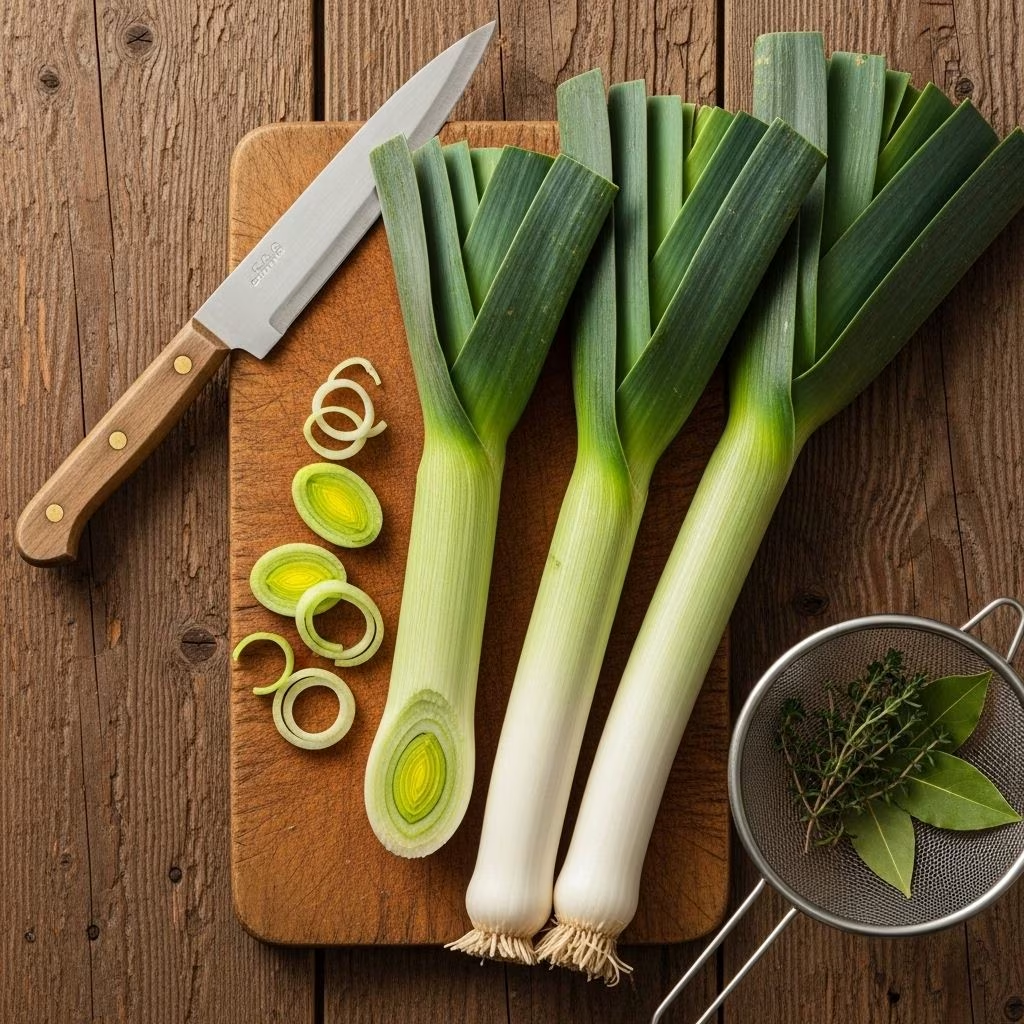
Leeks are a unique and flavorful member of the allium family, which also includes onions, garlic, shallots, and chives. Often praised for their mild, sweet, and onion-like taste, leeks offer a delicate alternative to their stronger-flavored relatives. Their signature appearance—a white, cylindrical base that transitions into flat, dark green leaves—makes leeks instantly recognizable in both markets and recipes.
What Do Leeks Taste Like?
Leeks have a milder and sweeter flavor than raw onions and bring a gentle, aromatic note to dishes. Their taste is subtle, herbal, and slightly grassy, lacking the sharpness of onions which makes them highly versatile in the kitchen. When cooked, leeks become even softer and creamier, lending a light onion flavor that enhances soups, stews, and a variety of savory dishes without overwhelming other ingredients.
What Part of the Leek Is Edible?
The white and light green parts of the leek are most commonly eaten. These sections are tender, succulent, and easy to cook. The dark green tops, while edible, are much tougher and fibrous. Most cooks set aside these dark greens for making stocks or broths, where their robust flavor infuses liquids without concern for tenderness.
- White and light green parts: Tender, sweet, and perfect for sautéing, roasting, or adding to dishes.
- Dark green leaves: Best reserved for flavoring stocks or discarded due to tough texture.
- Roots: Not edible and should be trimmed away before use.
Leeks vs. Green Onions (Scallions)
| Feature | Leeks | Green Onions (Scallions) |
|---|---|---|
| Appearance | Thick, white base with broad, flat dark green leaves | Thin, tubular stalk with cylindrical white base and green tops |
| Taste | Mild, sweet, subtly oniony | Pungent, fresh, sharper onion flavor |
| Texture | Creamy when cooked, crisp when raw | Crisp and tender when raw |
| Usage | Soups, stews, braises, roasted, sautéed | Salads, garnishes, stir-fries, Asian dishes |
How to Select the Best Leeks
To maximize flavor and texture, look for:
- Medium-sized leeks: Thick leeks (over an inch in diameter) can be woody or fibrous.
- Firm white bases and bright green tops: Avoid leeks with yellow, wilted, or slimy leaves.
- Unblemished stalks: Skins should be free of splits, bruises, or soft spots.
- Minimal root system: No excessive root growth or dried-out ends.
Smaller or medium leeks tend to be more tender and flavorful, ideal for most culinary applications.
How to Store Leeks
- Refrigerator: Place unwashed leeks, loosely wrapped in a plastic bag, in the vegetable crisper for up to two weeks.
- Avoid Moisture: Excess moisture can cause spoilage.
- Trim, Don’t Wash: Only trim and clean leeks before use, not before storage.
- Freezing: Clean and chop leeks, blanch for 1–2 minutes, then freeze in airtight containers for up to three months.
- Avoid Keeping with Strong-Aromatics: Leeks can absorb odors from other foods.
How to Clean and Cut Leeks
Leeks are notorious for trapping dirt and grit between their many layers. Proper cleaning is essential for an enjoyable eating experience.
- Trim off the dark green tops and root ends. Discard or save tops for stock.
- Slice the leek in half lengthwise.
- Fan apart the layers under cool running water, rinsing thoroughly to remove all dirt.
- Lay the cut sides down and slice the leeks crosswise into desired thickness.
- If further cleaning is needed, place sliced leeks in a bowl of cold water. Swirl around to loosen remaining grit, then scoop out clean leeks, letting debris settle at the bottom.
Tip: Always clean leeks immediately before using for the best flavor and texture.
How to Cook with Leeks
Leeks can be enjoyed both raw and cooked. Their gentle flavor works with a wide range of methods:
- Sauté or Sweat: Cook finely sliced leeks in olive oil or butter until tender, releasing their sweetness for soups, risottos, eggs, and frittatas.
- Roast: Halved leeks become mellow and caramelized in the oven, either solo or alongside other vegetables.
- Braise: Cooked slowly in a bit of broth or wine until meltingly soft—excellent as a side dish or a base for grains.
- Grill: Large leeks, halved, brushed with oil, and charred for smoky flavor.
- Add Raw: Thin slices add crunch and onion sweetness to salads or as a garnish.
Common Cuisines: Leeks star in French classics such as potato-leek soup (vichyssoise) and leeks vinaigrette, but also pop up in risottos, tarts, stir-fries, and more.
Leek Recipes and Serving Ideas
- Potato Leek Soup: Creamy, soothing, and simple.
- Tarts and Quiches: Slice and pair leeks with eggs, cheese, and flaky pastry.
- Pasta: Sauté leeks and toss with fresh pasta, olive oil, Parmesan, and herbs.
- Braises and Gratin: Layer leeks with cream or stock, then bake until golden.
- Stir-Fries: Add leeks to Asian stir-fries for a sweet allium hit.
- Salads: Use raw or blanched leeks as a salad topping or mix-in.
- Vegetable Stocks: Use the dark green tops for a rich, aromatic broth.
Nutritional Value of Leeks
- Low in Calories: About 30 calories per cup (sliced and raw).
- Rich in Vitamins: High in Vitamin K, Vitamin A, and Vitamin C.
- Minerals: Provide manganese, iron, and folate.
- Fiber: Good source of dietary fiber.
- Antioxidants: Contain beta carotene and polyphenols.
Leeks fit well into most healthy eating patterns, supporting immunity, bone health, and digestion.
How to Grow Leeks
Leeks thrive in cool climates and well-draining soils. They are relatively easy for home gardeners and are less susceptible to pests than many other vegetables. Here’s what you need to know:
- Planting: Start seeds indoors and transplant in early spring. You can also direct-sow seeds after the danger of frost.
- Soil: Use fertile, loose, and well-drained soil. Amend with compost for best results.
- Hilling or Trenching: Plant leeks in trenches or hill up soil around the base as they grow to blanch the stalks, resulting in tender, white edible portions.
- Watering: Keep soil consistently moist, but avoid waterlogging.
- Space: Plant about 5–6 inches apart.
- Harvest: Leeks require a long season—up to 120–150 days. Harvest when stalks are at least an inch in diameter.
Leeks are tolerant of light frost and can be harvested through late fall or even early winter in moderate climates.
Leek Varieties
- Summer leeks: Smaller, faster-maturing, and milder flavor. Planted in spring for summer harvest.
- Winter leeks: Larger, hardier varieties with stronger flavor. Planted for fall or early spring harvest and can survive frost.
Examples include ‘King Richard’ (fast maturing and tender) and ‘Blue Solaise’ (cold-hardy and blue-tinged leaves).
Substitutes for Leeks
If leeks aren’t available, the following can be used as alternatives, understanding that flavor and texture will differ:
- Green onions (scallions): Closest in appearance, but with a stronger kick.
- Shallots: Mild, slightly sweet, and can be used in a 1:1 ratio.
- Onions: Use less than called for and cook thoroughly to soften intensity.
- Chives: Suitable for raw garnishes.
- Garlic or ramp (wild leek): Use sparingly for more pungent recipes.
Each option brings its own personality—adjust quantities and cooking times for best results.
Frequently Asked Questions (FAQs)
- Are leeks and onions the same thing?
- No. Leeks and onions both belong to the allium family but differ in appearance, taste, and use. Leeks do not form bulbs and have a milder, subtler taste compared to onions.
- Can you eat the dark green part of the leek?
- The dark green leaves are edible, but they are tough and fibrous. They are best used to flavor recipes like stocks rather than being eaten directly.
- Do leeks need to be cooked?
- Leeks can be eaten raw or cooked. Raw leeks offer a crisp texture, while cooking mellows their flavor and creates a creamy, velvety mouthfeel.
- How do I prevent leeks from being gritty?
- Careful cleaning is essential—slice leeks in half and rinse well under water to remove all trapped dirt before cooking.
- Are leeks healthy?
- Yes. Leeks are low in calories and rich in vitamins, minerals, and antioxidants, making them a valuable addition to a balanced diet.
Conclusion: Embrace the Versatility of Leeks
From their sweet, subtle flavor to their nutritional benefits and variety of culinary uses, leeks are a versatile and rewarding vegetable for cooks of any level. Whether as the centerpiece of a comforting soup or as an aromatic addition to grains and vegetables, learning to select, prepare, and cook with leeks can elevate your daily meals with little effort. Experiment with including leeks more often in your cooking for a boost of flavor, texture, and nutrition!
References
- https://deepgreenpermaculture.com/2024/12/21/leek-growing-guide/
- https://aggie-horticulture.tamu.edu/vegetable/guides/specialty-vegetables/leeks/
- https://extension.umn.edu/vegetables/growing-leeks
- https://hort.extension.wisc.edu/articles/leeks/
- https://www.thegraciouspantry.com/your-guide-to-leeks/
- https://extension.umd.edu/resource/growing-leeks-home-garden
- https://nevegetable.org/crops/leek
- https://www.loveandlemons.com/what-are-leeks/
- https://www.finegardening.com/project-guides/fruits-and-vegetables/from-shaft-to-leaf-use-the-whole-leek