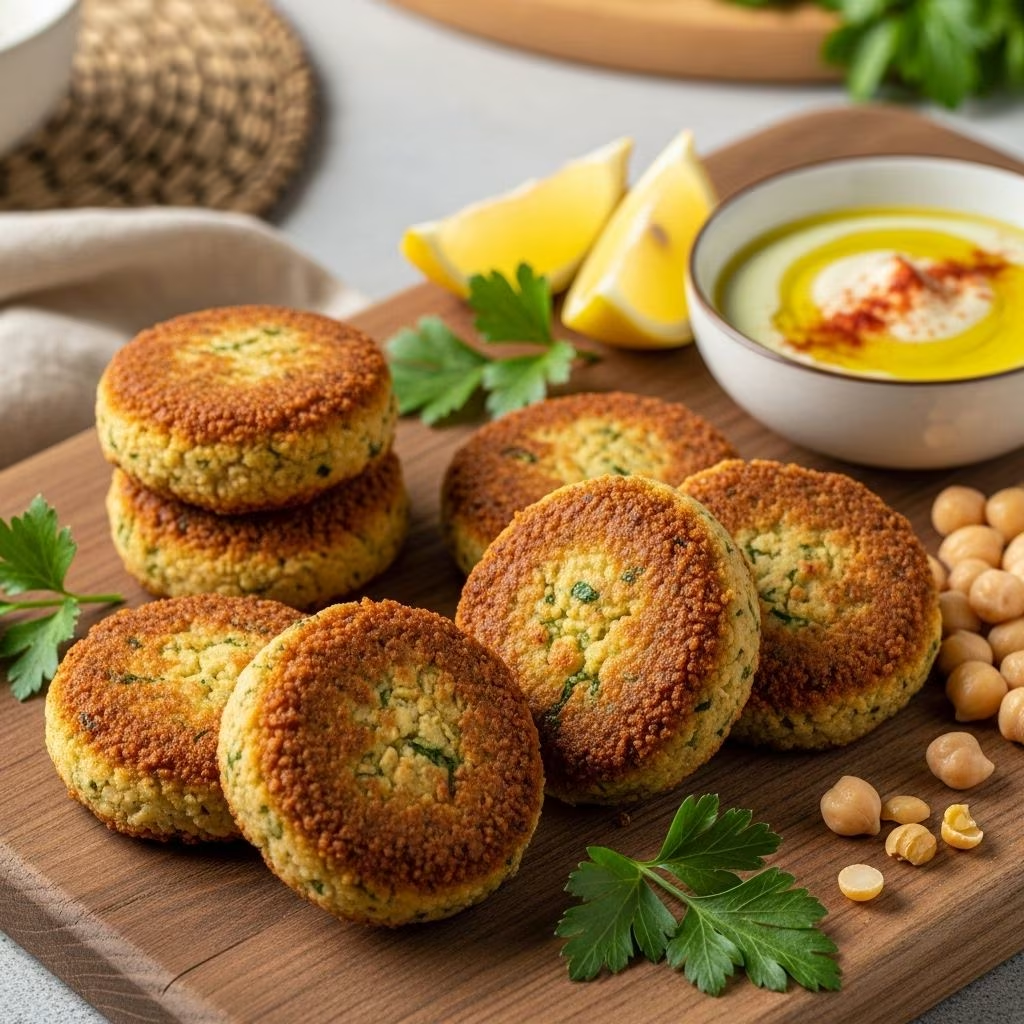
Falafel is a beloved Middle Eastern street food—crispy, protein-packed patties made from chickpeas and aromatic herbs. Traditionally deep-fried, this recipe reimagines falafel as an oven-baked treat, delivering all the flavor and crunch with less oil and fuss. In this comprehensive guide, you’ll learn everything you need to know to create restaurant-worthy falafel in your own kitchen.
What is Falafel?
Falafel is a vegetarian dish crafted from ground chickpeas or fava beans, fresh herbs, garlic, onion, and aromatic spices. The mixture is traditionally shaped into small balls or patties and then fried until golden. It’s a staple in Middle Eastern cuisine, commonly served inside pita bread with veggies, herbs, and various sauces.
- Origin: Popular throughout the Middle East, from Egypt to Israel.
- Key feature: Crunchy exterior, tender herbaceous interior.
- Common uses: Stuffed in pita sandwiches, added to salads, or enjoyed as an appetizer.
Why Bake Falafel?
Baking falafel is a healthier alternative to frying, using less oil while still creating a crisp, satisfying texture. The key is using soaked dried chickpeas and a generous olive oil drizzle before baking. This technique replicates much of the crispiness of frying but with lighter results and less mess.
Key Ingredients for Baked Falafel
Traditional falafel gets its flavor and texture from a simple blend of whole, soaked chickpeas (rather than canned), abundant fresh herbs, and classic spices. Here’s what you need:
- Uncooked Chickpeas (soaked for at least 24 hours, then drained and dried – canned chickpeas will not work for this method)
- Shallot or Yellow Onion – adds sweet, subtle sharpness
- Garlic – brings signature savory depth
- Fresh Cilantro and Parsley – provide grassy flavor and vibrant green color
- Lemon Zest – adds a bright, citrusy kick
- Ground Cumin & Coriander – create warm, earthy undertones
- Sea Salt & Cayenne – necessary for balanced flavor and a touch of heat
- Baking Powder – helps ensure the falafel are fluffy, not dense
- Extra-Virgin Olive Oil – for richness and that essential crispy crust
Baked Falafel: Step-by-Step Instructions
- Soak the Chickpeas
Place dried chickpeas in a large bowl and cover with several inches of water. Let soak for at least 24 hours or overnight. The beans will expand as they absorb water. After soaking, drain, rinse, and thoroughly dry them with towels. This step is crucial—do not substitute canned or cooked chickpeas, as the mixture will turn mushy and fall apart.
- Prepare the Mixture
In a large food processor, add the soaked chickpeas, shallot, garlic, fresh herbs, lemon zest, cumin, coriander, salt, cayenne, baking powder, and olive oil. Pulse several times until the mixture is finely chopped, almost as coarse as sand, but not pureed. Scrape down the sides as needed. The mixture should be damp and stick together when pressed, but not wet or pasty.
- Shape the Falafel
Using a 2-tablespoon scoop, portion the mixture and use your hands to gently form 12–15 thick patties or balls. Avoid packing them too tightly, which can make the falafel dense. If the mixture is too crumbly, pulse a few more times in the food processor.
- Bake the Falafel
- Preheat your oven to 400°F (200°C).
- Arrange patties on a parchment-lined baking sheet.
- Generously drizzle with olive oil to help them crisp.
- Bake for 14 minutes, then flip each falafel and bake for another 10–12 minutes until golden and crisp.
Optional: During the last several minutes of baking, wrap your pita bread in foil and warm in the oven.
- Assemble and Serve
Fill pitas or flatbreads with hummus, diced tomato and cucumber, baked falafel, fresh herbs, pickled onions, and generous drizzles of tahini sauce. See below for more falafel serving suggestions and sides.
Full Ingredients List
- 1 cup uncooked chickpeas, soaked 24 hours, drained, rinsed, dried*
- ½ cup chopped shallot or yellow onion
- 3 garlic cloves
- 1 tsp lemon zest
- 1 tsp ground cumin
- 1 tsp ground coriander
- ¾ tsp sea salt
- ¼ tsp cayenne pepper
- ¼ tsp baking powder
- 1 cup chopped cilantro leaves and stems, dried
- 1 cup chopped parsley leaves and stems, dried
- 1 tbsp extra-virgin olive oil, plus more for drizzling
*Do not use canned chickpeas for this method. The texture will be too soft for shaping or crisping.
Falafel Serving Suggestions
Falafel is endlessly versatile. Build a meal around these serving ideas:
- Falafel Pita Sandwich: Layer with hummus, diced tomatoes, cucumbers, pickled onions, torn herbs, and tahini dressing in fresh, warm pita.
- Falafel Salad Bowl: Top a salad of leafy greens with falafel, crisp veggies, olives, and a creamy tahini or yogurt dressing.
- Grain Bowls: Add falafel to bowls of quinoa, farro, or rice, plus fresh veggies and a zesty sauce.
- Appetizer Platter: Serve mini falafel alongside pita chips, baba ganoush, hummus, and tabbouleh for a mezze spread.
Perfect Pairings & Toppings
- Pita bread (or gluten-free pita)
- Smooth hummus
- Diced tomatoes, cucumber
- Pickled red onions
- Fresh mint, parsley
- Tahini sauce
Tips for the Best Baked Falafel
- Always use dried, soaked chickpeas. Canned chickpeas become mushy and won’t hold together or crisp properly.
- Don’t over-process the mixture. Aim for a fine, crumbly texture that clumps when squeezed, but avoid pureeing—leave some texture for lightness.
- Dry your greens well. Excess moisture from herbs can make falafel soggy. Pat cilantro and parsley completely dry before processing.
- Be generous with olive oil. Drizzling plenty before baking is crucial for achieving that signature crispy, golden surface.
- Flip halfway through baking. Turning falafel ensures even browning and consistent crunch.
- Adjust herbs and spices to taste. Feel free to experiment with proportions or add extra garlic, cayenne, or lemon zest for a bolder flavor.
Popular Falafel Variations
- Frying: Traditionally, falafel is deep-fried for ultimate crispiness. If you prefer frying, heat several inches of neutral oil (like vegetable oil) in a pot to 350–360°F. Fry the balls in batches for 4–6 minutes each, letting them drain on paper towels.
- Flatbread Falafel: Use chickpea flour and falafel spices to create a falafel-inspired flatbread—delicious topped with yogurt, vegetables, and olive oil.
- Alternative Beans: Egyptian-style falafel sometimes uses dried fava beans instead of chickpeas for a different flavor and texture.
Troubleshooting & Common Questions
- Why did my falafel fall apart? Most likely, your mixture was too dry or processed too coarsely. Try pulsing the mixture until it holds together better. Avoid adding water—instead, add an extra drizzle of olive oil if needed.
- My baked falafel are dry, not crispy. What can I do? Make sure to coat the falafel generously with olive oil and use convection if your oven has it. Baking too long can dry them out, so check for doneness after flipping.
- Can I make falafel mixture ahead? Yes. The raw mixture can be shaped and refrigerated for up to one day in advance. Shape and bake just before serving for best results.
- Is baked falafel gluten-free? Yes, as long as you serve it with gluten-free pita or in salads or bowls.
- Can I freeze falafel? Absolutely! Freeze unbaked patties on a baking sheet, then transfer to a freezer bag. Bake straight from frozen, adding 5–7 extra minutes of baking time.
Storing and Reheating Baked Falafel
- Refrigerate: Cooled falafel will keep in an airtight container for up to 4 days.
- Freeze: Fully cooked falafel can be frozen for up to 2 months. Reheat in a 350°F oven until heated through and crisped, about 8–10 minutes.
- Meal prep: Falafel is excellent for prepping ahead—use in lunch bowls, wraps, or salads all week.
Frequently Asked Questions
Q: Can I use canned chickpeas for baked falafel?
A: No. Canned chickpeas are too soft and have excess moisture, which prevents the falafel from crisping and holding their shape during baking.
Q: What if I don’t have a food processor?
A: You can try using a high-powered blender in batches, but a food processor gives the best mix of texture and ease. Mashing by hand is not recommended for this recipe.
Q: How do I make my falafel extra crispy?
A: Use plenty of olive oil for drizzling and ensure your oven is fully preheated. Baking on convection and flipping halfway helps maximize crispy texture.
Q: What herbs can I substitute?
A: If you don’t have both cilantro and parsley, you can use all parsley or all cilantro, or even add dill or mint for a different flavor profile.
Q: Is this recipe vegan?
A: Yes, it is naturally vegan and contains no dairy or eggs.
Related Mediterranean Recipes
- Homemade Hummus
- Baba Ganoush
- Herbed Tabbouleh Salad
- Pickled Red Onions
- Tangy Tahini Sauce
- Falafel-Inspired Flatbread
Whether in a wrap, a bowl, or served as a mezze appetizer, falafel are a celebration of texture, flavor, and plant-based goodness. With this detailed baked falafel recipe, you’ll enjoy crispy, golden bites every time—right from your home oven.